Executive Summary
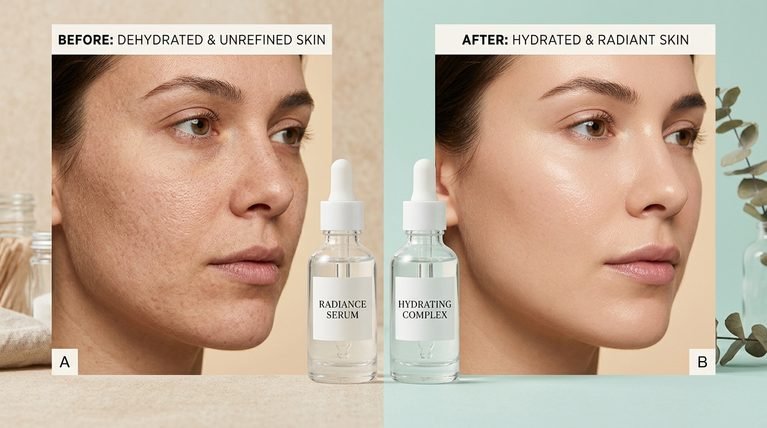
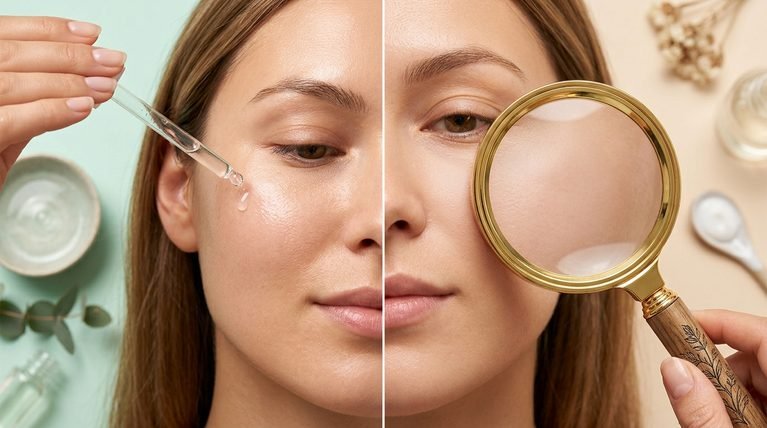
Rough skin texture on the face is a common issue that affects skin smoothness, makeup application, and natural radiance. Rather than being a single condition, texture is typically a symptom caused by accumulated dead skin cells, barrier damage, chronic dehydration, or clogged pores. This guide breaks down the primary causes of uneven surface texture, compares target active ingredients like AHAs, retinoids, and niacinamide, and details a realistic 4-week timeline for restoring smoothness. You’ll learn how to safely exfoliate without compromising your skin barrier, distinguish surface roughness from deeper structural changes, and build an effective, sustainable skincare routine.
Why Is Your Skin Texture Rough? Key Causes Explained
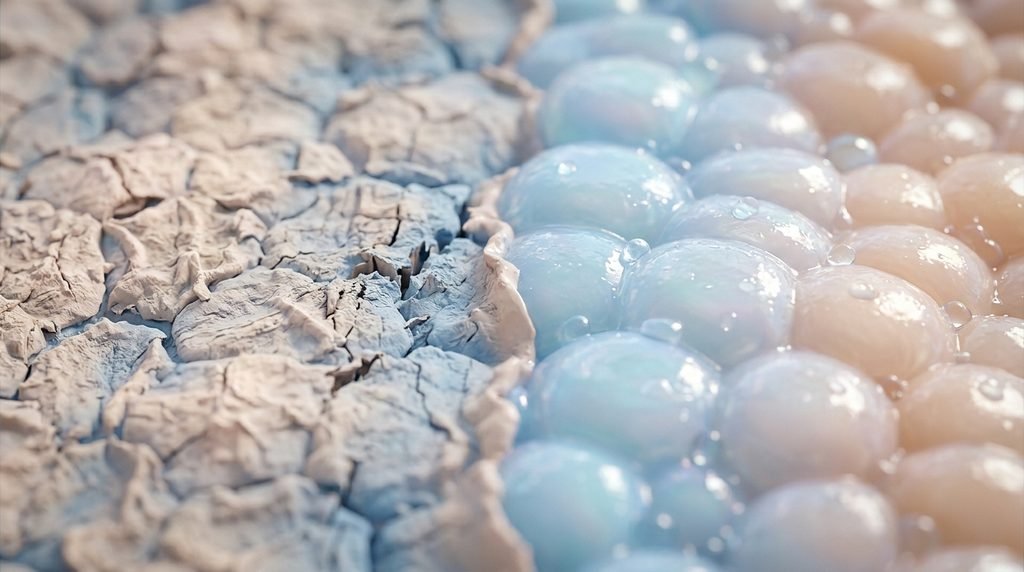
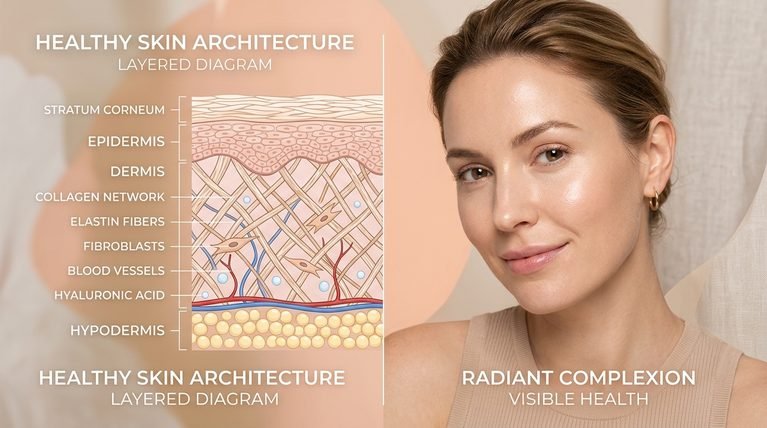
Rough skin texture is rarely a standalone problem—it is a signal that your skin’s natural cell renewal and hydration systems are out of balance. When your skin functions normally, dead cells shed naturally from the surface every 28 to 40 days. However, factors like environmental stress, aging, and inadequate moisture slow down this process, leading to a dull, uneven surface.
Understanding the root cause is essential before choosing a solution. Treating dehydrated skin with heavy exfoliation, for instance, often aggravates roughness rather than fixing it.
- Dead Skin Cell Buildup: As natural desquamation (shedding) slows down, dead corneocytes accumulate on the stratum corneum, creating a rough, flaky feel.
- Dehydration & Barrier Dysfunction: When the moisture barrier lacks lipid fats or water, skin cells shrivel, leading to micro-cracks and rough patches.
- Clogged Pores & Congestion: Trapped sebum, keratin, and debris form micro-comedones (tiny bumps), creating an uneven physical feel.
- Sun Damage & Reduced Turnover: Chronic UV exposure thickens the outer skin layer and breaks down collagen, causing a leathery texture over time.
According to research published in dermatological studies (such as references indexed on PubMed), effective surface smoothing relies on balancing chemical exfoliants with barrier-repairing lipids to prevent transepidermal water loss.
Cause-to-Solution Matching Table
Matching the active ingredient to your specific texture cause prevents irritation while ensuring maximum effectiveness.
| Primary Cause | Visual & Tactile Signs | Best Active Ingredient | Mechanism of Action |
| Dead Cell Buildup | Flaky, dull, dry patches | Glycolic or Lactic Acid (AHA) | Dissolves intercellular glue holding dead cells together |
| Pore Congestion | Micro-bumps, blackheads | Salicylic Acid (BHA) | Lipophilic molecule that penetrates deep into lipid-filled pores |
| Barrier Damage | Tightness, stinging, flaking | Niacinamide + Ceramide | Stimulates ceramide synthesis and calms inflammation |
| Aging & UV Damage | Leathery feel, loss of bounce | Retinoids / Retinol | Accelerates cellular turnover and boosts collagen synthesis |
How to Get Smooth Skin on Face: Target Ingredients Explained
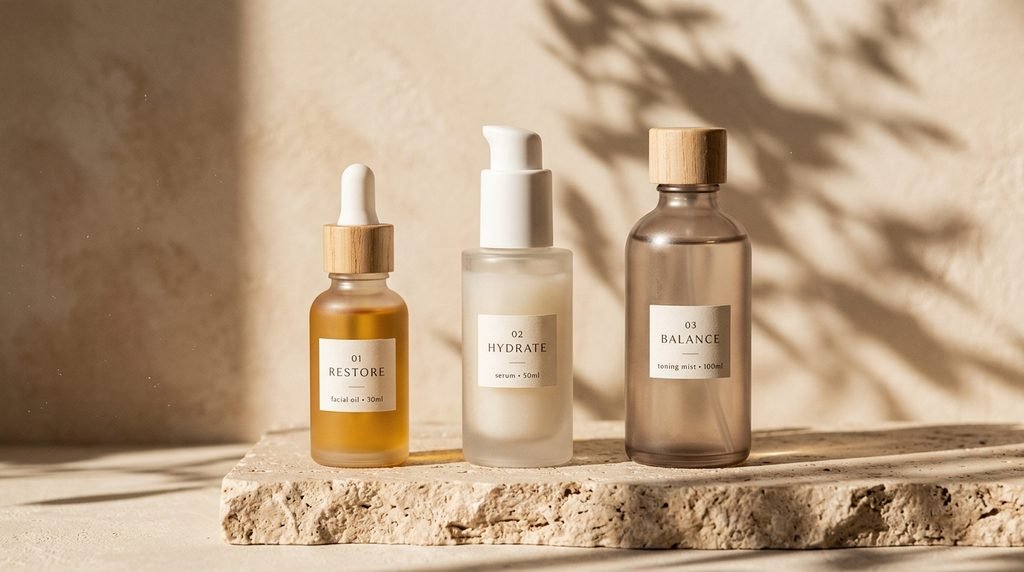
Choosing the best exfoliating serum for rough skin means understanding how specific active ingredients work beneath the surface.
Alpha Hydroxy Acids (AHAs)
Glycolic and lactic acids operate on the uppermost layer of the skin. Glycolic acid, with its tiny molecular size, penetrates quickly to smooth fine surface bumps. Lactic acid offers a larger molecular structure, providing gentler exfoliation while attracting hydration to dry areas.
Retinoids and Retinol
Retinol speeds up cell turnover from the deeper epidermal layers upward. By encouraging fresh, uniform cells to rise to the surface faster, retinoids help smooth rough texture, refine pore appearance, and boost long-term elasticity.
Niacinamide (Vitamin B3)
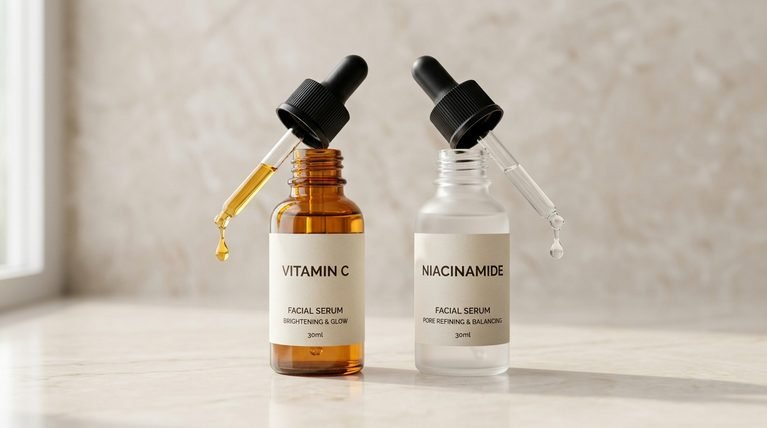
While not an exfoliant, niacinamide plays a crucial supporting role. It strengthens the moisture barrier, balances sebum production, and calms redness, ensuring your skin tolerates active exfoliants without developing barrier damage.
For a deeper dive into choosing exfoliants, check out our guide on AHA vs. BHA vs. PHA for your skin type. If you are new to vitamin A derivatives, review our Retinol Basics Explained guide.
Textured Skin Routine: The 4-Week Smoothing Plan
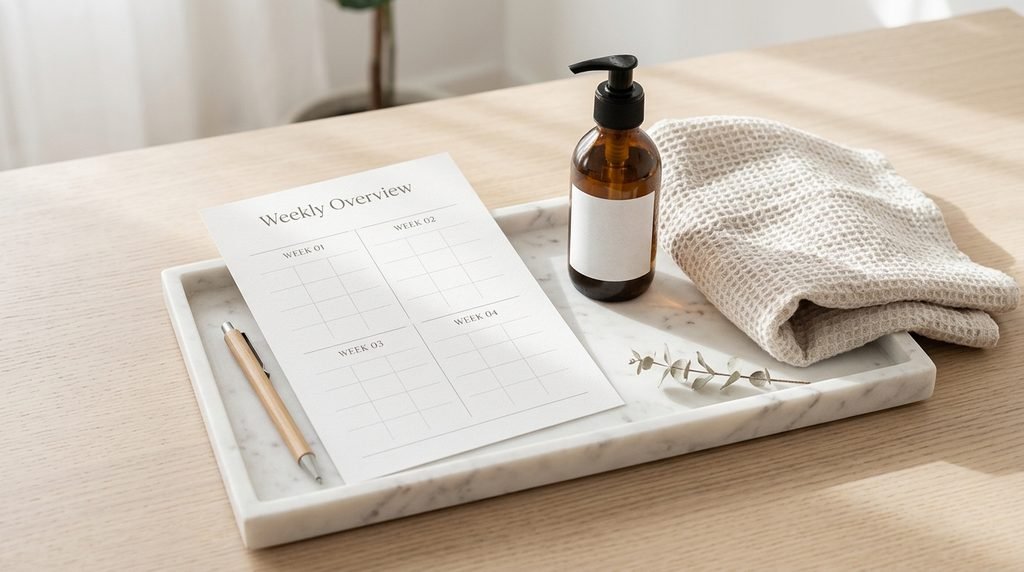
A progressive routine yields the best results while keeping your skin barrier safe.
1.Week 1: Focus on Hydration & Gentle Exfoliation:Establish a safe foundation.
Start by repairing hydration levels. Use a hydrating cleanser and a barrier-repair moisturizer enriched with ceramides. Introduce a mild AHA (like lactic acid) just 1–2 nights this week.
2.Week 2: Introduce Texture Actives:Target cellular turnover.
Maintain your hydrating base. On non-AHA nights, introduce a low-concentration retinol or niacinamide serum to stimulate cell renewal. Never layer active exfoliants directly on top of retinol in the same session.
3.Week 3: Monitor & Adjust Frequency:Evaluate tolerance.
Assess how your skin feels. If you experience no redness or stinging, increase exfoliation to 2–3 nights weekly. Keep nights dedicated solely to barrier recovery and deep moisture.
4.Week 4: Reassess Surface Smoothness:Consolidate results.
By week four, surface roughness from dead cell buildup should be noticeably reduced. Refine your routine by sticking to a consistent schedule that balances active treatment days with rest days.
The Barrier Warning: Can Over-Exfoliating Make Skin Texture Worse?
Over-exfoliating is the single most common mistake when treating rough skin. In an effort to achieve instant smoothness, scrubbing or overusing strong acids strips away critical barrier lipids.
When your barrier is damaged, transepidermal water loss spikes, leaving skin raw, dehydrated, and strangely rough or “crinkly.” If your face stings when applying basic moisturizer, stop all active exfoliants immediately and switch to a dedicated repair routine. Learn more about symptoms and recovery in our post on What Causes a Damaged Skin Barrier.
Rough Skin Surface vs. Acne Scars: Knowing the Difference
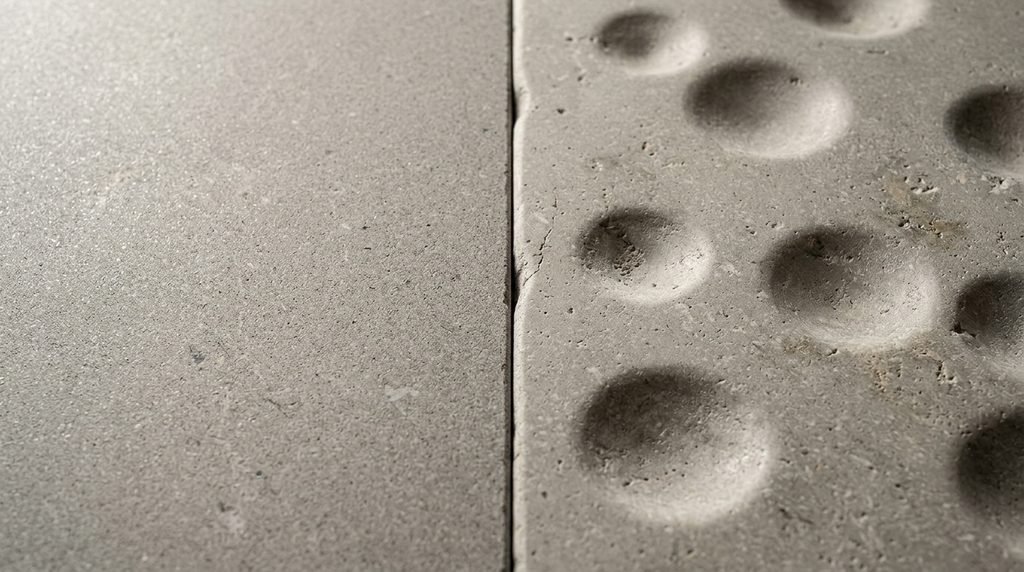
It is important to differentiate surface roughness from structural scarring. Surface roughness—caused by dry patches, minor congestion, or dullness—responds well to topical AHAs, retinoids, and moisturizers within weeks.
In contrast, deep textural changes such as pitted acne scars (icepick, boxcar, or rolling scars) involve collagen loss in the deeper dermis. Topical exfoliants cannot rebuild structural loss on their own; these conditions typically require professional dermatological treatments like microneedling or fractional lasers. For structural scarring strategies, see our article on How to Reduce the Appearance of Acne Scars.
Conclusion

Improving rough skin texture is a continuous process that relies on gentle consistency over drastic treatments. By identifying whether your roughness stems from dead cell buildup, dehydration, or congestion, you can select the right target actives—like glycolic acid, retinol, or niacinamide—without compromising your natural skin barrier. Follow a structured plan, allow weeks for cellular turnover, and prioritize hydration. Start your smoothing routine tonight by assessing your barrier health before applying your next exfoliant.
Frequently Asked Questions
Q: Can rough skin become smooth again?
A: Yes, rough skin texture can improve significantly. Surface roughness caused by dead skin cell accumulation, dryness, or minor congestion usually responds well to regular hydration and gentle chemical exfoliation within a few weeks of consistent care.
Q: What causes poor skin texture on the face?
A: Poor skin texture is primarily caused by dead cell buildup, dehydration, sun damage, clogged pores, and a slowed cell turnover rate. Environmental stressors and aggressive over-scrubbing can also damage the barrier and worsen rough patches.
Q: How often should you exfoliate rough skin?
A: Most people should exfoliate rough skin 1 to 3 times per week using chemical exfoliants like AHAs or BHAs. Always start slowly to test tolerance and avoid over-exfoliating, which damages the skin barrier.
Q: Do retinol and acids work together for skin texture?
A: Retinol and exfoliating acids both improve texture, but they shouldn’t be layered together at the exact same time. Use them on alternate nights to prevent severe irritation, dryness, and barrier breakdown.
Q: How long does it take to improve skin texture?
A: Surface roughness and minor dullness often show improvement within 2 to 4 weeks with proper exfoliation and moisture. Deeper texture issues, such as fine lines or structural scarring, require several months of consistent treatment.
Q: Is rough skin the same as dehydrated skin?
A: No, they are not the same, though dehydration frequently causes skin to feel rough. Dehydration refers to a lack of water content in the skin, while rough texture can also result from physical congestion, scarring, or buildup.