Executive Summary
Struggling with stubborn breakouts that just won’t budge no matter how many traditional acne treatments you apply? You might not be dealing with standard acne at all. Fungal acne—technically known as Malassezia folliculitis—is an infection of the hair follicles caused by an overgrowth of natural skin yeast, not pore-clogging bacteria. Because it looks almost identical to regular breakouts, it’s frequently misdiagnosed, leading to months of frustrated testing with the wrong products. This guide breaks down the core physical differences between bacterial acne and fungal acne, identifies the specific triggers that cause yeast overgrowth, outlines the common skincare ingredients that feed the problem, and explains how to adjust your routine safely.
The Frustrating Breakout That Isn’t Actually Acne
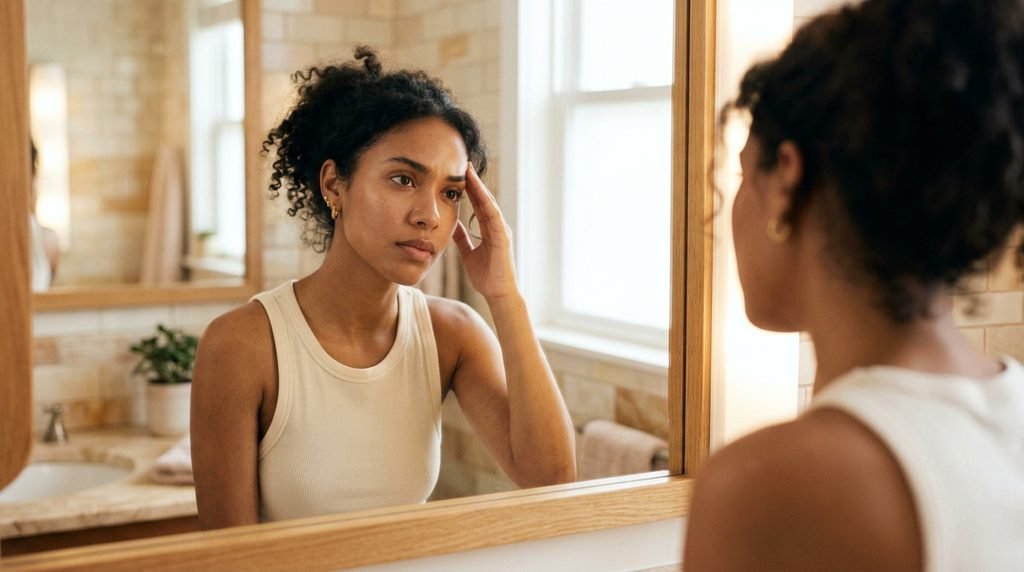
You’ve tried salicylic acid, benzoyl peroxide, and spot treatments, yet those tiny, uniform bumps on your forehead or chest refuse to clear up. In fact, sometimes they feel even more irritated, red, and intensely itchy. If this sounds familiar, you aren’t alone. Millions of people struggle with persistent breakouts that defy standard skincare regimens simply because the root cause is completely different from traditional acne vulgaris.
Understanding what’s happening on your skin barrier is the first real step toward restoring balance. While typical acne stems from excess oil, dead skin cells, and Cutibacterium acnes bacteria, fungal acne occurs when Malassezia—a microscopic yeast that naturally lives on everyone’s skin—grows out of control inside your hair follicles. Treating yeast with antibacterial products rarely yields results and can sometimes exacerbate the imbalance. Here is everything you need to know to identify fungal acne, stop feeding the yeast, and build a safe, effective routine.
What Is Fungal Acne? Understanding Malassezia Folliculitis
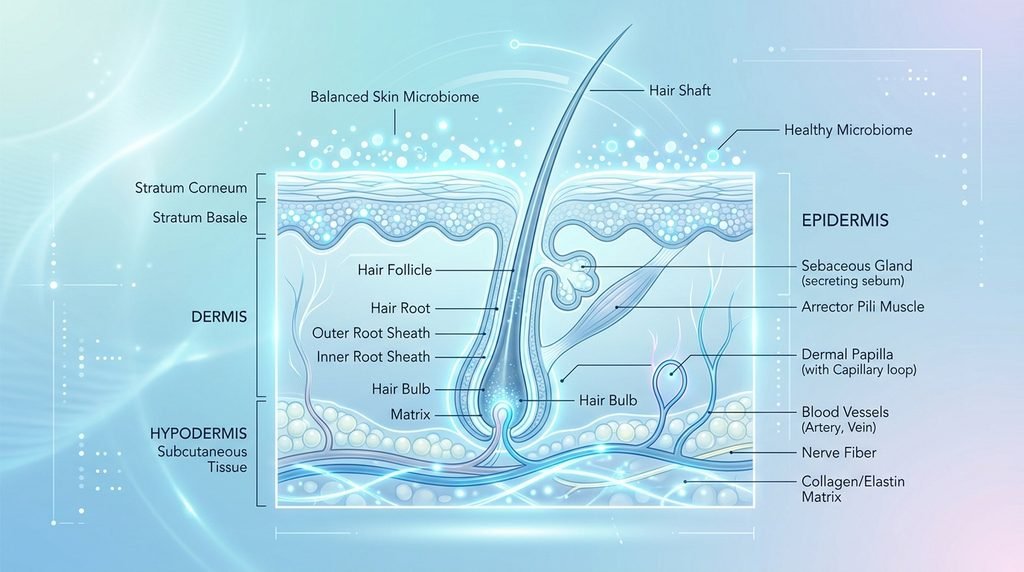
To understand why standard acne remedies fail, it helps to look at what fungal acne actually is. Despite its popular nickname, fungal acne isn’t true acne at all. Its medical name is Malassezia folliculitis (or pityrosporum folliculitis), an inflammatory skin condition caused by an overgrowth of opportunistic yeast within the hair follicles.
Malassezia is a normal part of human skin flora. Under balanced conditions, it lives harmlessly alongside other microbes. However, when the skin’s natural microbiome is disrupted—due to heat, humidity, excessive sweat, compromised immunity, or prolonged use of antibiotics—this yeast multiplies rapidly. As the yeast population spikes inside the follicle, it produces metabolic byproducts that trigger localized inflammation, resulting in small, uniform, red bumps.
Key Takeaway: Traditional acne is primarily a bacterial and follicular keratinization issue, while fungal acne is a fungal overgrowth issue. Antibacterial ingredients do not eliminate yeast.
Key Differences: How to Spot Fungal Acne vs Bacterial Acne
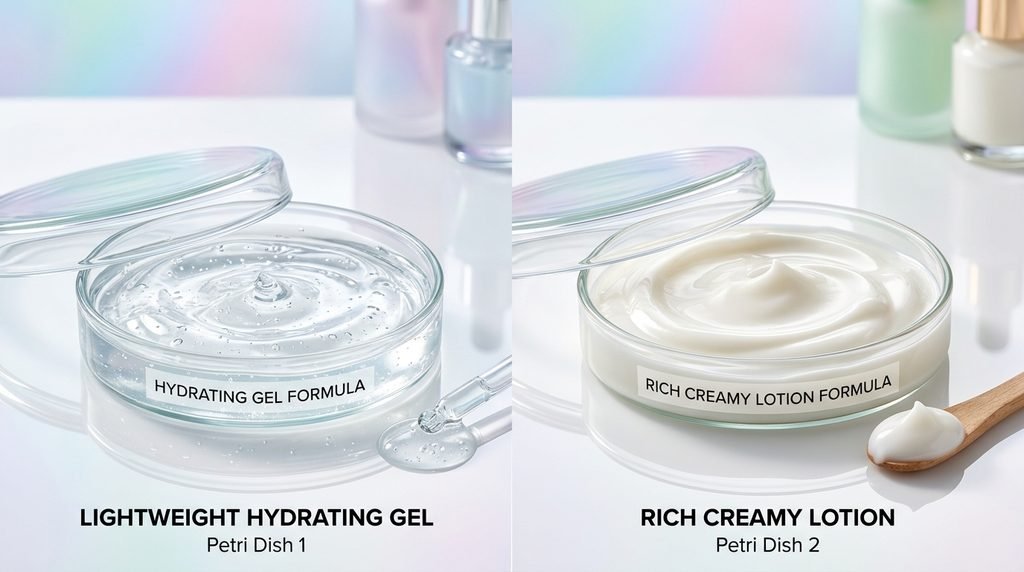
Because Malassezia folliculitis visually mimics inflammatory papules, distinguishing between the two can be challenging. However, several distinct physical traits and symptoms separate them clearly once you know what to look for.
Appearance and Symmetry
- Fungal Acne: Features uniform, monomorphic bumps. Every bump looks virtually identical in size, shape, and reddish color. They rarely form large, deep cysts or multi-headed whiteheads.
- Bacterial Acne: Polymorphic and varied. A single breakout area often contains a mix of blackheads, whiteheads, small papules, deep pustules, and occasional painful cysts.
Itchiness and Location
- Fungal Acne: Almost always accompanied by mild to intense itchiness, especially when the skin gets warm or sweaty. It commonly clusters on the forehead, hairline, chest, shoulders, upper arms, and back.
- Bacterial Acne: Rarely feels itchy; instead, breakouts tend to feel tender, painful, or throbbing under the skin. While it can occur on the body, it is heavily concentrated on the lower face, jawline, and cheeks.
| Characteristic | Fungal Acne (Malassezia Folliculitis) | Bacterial Acne (Acne Vulgaris) |
| Primary Cause | Yeast overgrowth (Malassezia) | Bacteria (C. acnes), sebum, dead skin |
| Visual Texture | Uniform, small monomorphic bumps | Varied size (blackheads, cysts, pustules) |
| Symptom Feeling | Itchy, stinging, irritated | Painful, tender, swollen |
| Common Areas | Forehead, chest, shoulders, upper back | Jawline, cheeks, chin, lower face |
| Comedones Present? | No true blackheads or open comedones | Yes, blackheads and whiteheads common |
| Response to Benzoyl Peroxide | Minimal to no improvement | Generally responsive |
For a deeper dive into how different hydroxy acids target various skin concerns, check out our guide on [AHA vs BHA vs PHA for Sensitive Skin].
Ingredients That Make Fungal Acne Worse (What to Avoid)
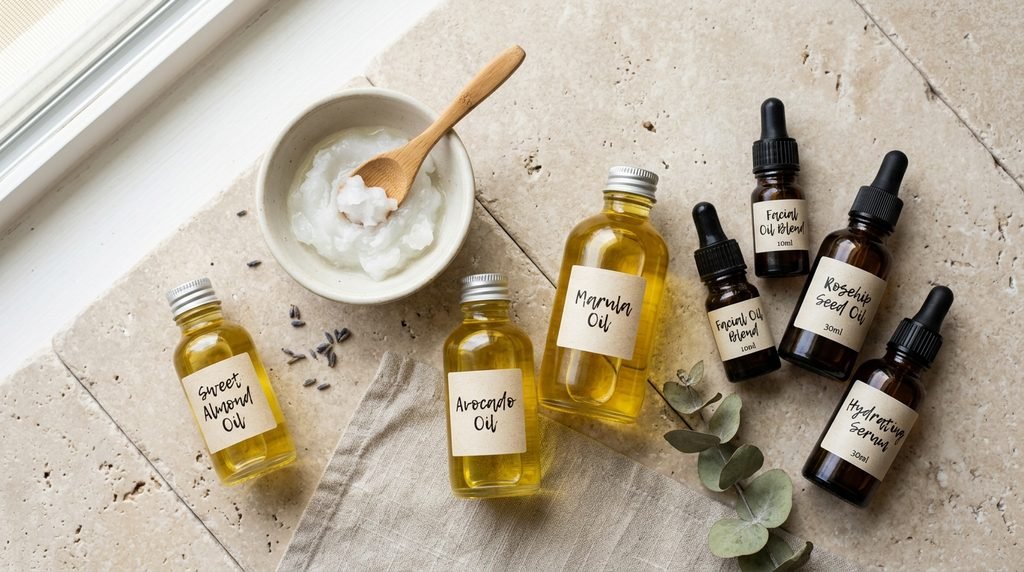
One of the most frustrating aspects of fungal acne is that many rich, hydrating skincare products actually feed the yeast. Malassezia feeds on specific lipid chains, fatty acids, and oils to thrive and reproduce. Applying these ingredients can turn a minor imbalance into a full-blown breakout.
If you suspect you have fungal acne, scan your current skincare labels and temporarily pause products containing:
- Specific Fatty Acids: Fatty acids with carbon chain lengths between C12 and C24 (such as lauric acid, myristic acid, palmitic acid, stearic acid, and oleic acid).
- Plant Oils and Butters: Most natural oils—including coconut oil, rosehip oil, shea butter, squalene (derived from olive sources unless specified as 100% sugarcane-derived squalane), and marula oil—contain high concentrations of lipids that fuel yeast growth. (Note: Mineral oil and 100% pure sugarcane-derived squalane are rare exceptions that are yeast-safe.)
- Polysorbates and Esters: Common emulsifiers such as Polysorbate 20, Polysorbate 40, Polysorbate 80, glyceryl stearate, and isopropyl palmitate.
- Fermented Ingredients: Galactomyces and Bifida ferment lysates can sometimes trigger or worsen Malassezia sensitivity in prone individuals.
Removing lipid-heavy creams and switching to oil-free, gel-based formulations removes the primary food source keeping the yeast active.
Ingredients That Help Balance Fungal-Prone Skin
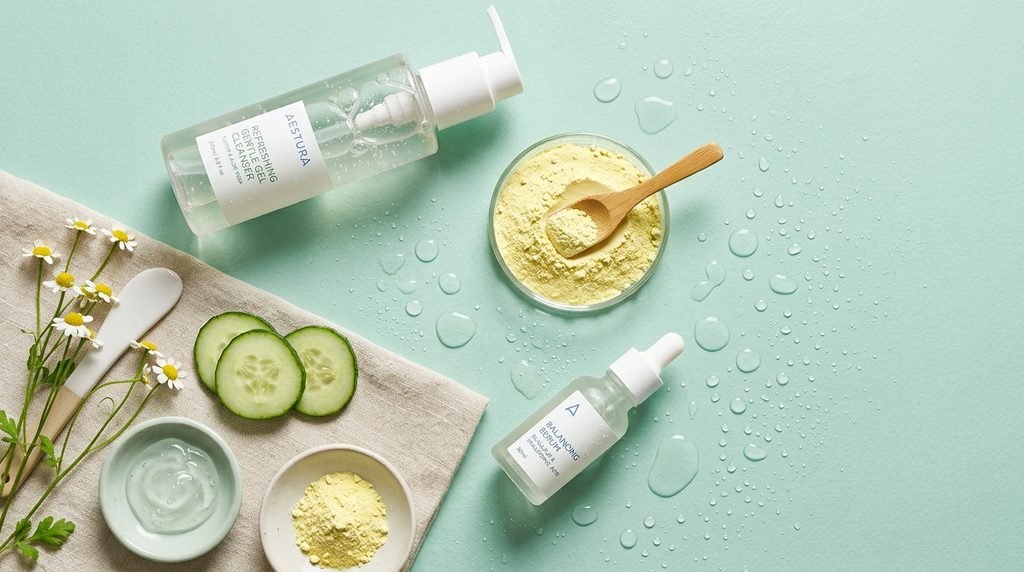
Clearing fungal acne requires a two-pronged approach: removing yeast-feeding ingredients while introducing gentle, balancing actives that clear congested follicles and support skin barrier integrity.
- Salicylic Acid (BHA): Oil-soluble salicylic acid penetrates deep into hair follicles to clear excess sebum, debris, and dead skin cells where yeast thrives. Its anti-inflammatory properties also soothe localized redness.
- Sulfur: A time-tested antifungal and antibacterial mineral that reduces surface oil and helps break down dead skin cells without stripping the moisture barrier.
- Niacinamide: Helps regulate sebum production, strengthens the skin’s ceramide barrier, and reduces post-inflammatory hyperpigmentation left behind by past breakouts. (Learn more about barrier support in our breakdown on [What Is Niacinamide and How Does It Work]).
- Azelaic Acid: Offers dual benefits by gently exfoliating within the pore while exhibiting mild antifungal and antimicrobial activity.
Reference Note: For detailed clinical guidelines on differentiating superficial fungal infections from bacterial folliculitis, consult resources provided by theAmerican Academy of Dermatology (AAD).
What Triggers Fungal Acne Breakouts?

Malassezia yeast is always present on human skin, but specific internal and external environments cause it to multiply uncontrollably. Identifying your personal triggers helps prevent recurrent flare-ups.
- Heat, Humidity, and Sweat: Warm, humid climates encourage yeast proliferation. Leaving sweaty workout clothes on or delaying your post-exercise shower creates an ideal environment for yeast growth.
- Prolonged Antibiotic Use: Oral or topical antibiotics reduce bacterial populations on the skin. Without bacteria competing for space and nutrients, yeast can rapidly overgrow.
- Occlusive Clothing and Products: Tight, synthetic athletic wear traps sweat and heat against the skin. Similarly, heavy, occlusive body lotions block follicles and trap moisture.
- Compromised Immune System or Health Changes: Fluctuations in immunity, stress levels, or systemic health can shift your skin’s microbiome balance, making you more susceptible to fungal flare-ups.
Will Regular Acne Treatments Clear Fungal Acne?
Short answer: usually not. Standard acne routines rely heavily on antibacterial ingredients like benzoyl peroxide or topical antibiotics (like clindamycin). While benzoyl peroxide has mild broad-spectrum antimicrobial properties, it is rarely potent enough on its own to resolve a true Malassezia overgrowth. Topical antibiotics can actually worsen fungal acne by killing off beneficial skin bacteria that normally keep yeast populations in check.
If your current breakout has not responded to typical spot treatments after several weeks, continuing to apply harsh drying agents will only damage your natural skin barrier. A compromised barrier makes it even easier for yeast to penetrate and cause irritation. Switching to a simplified, fungal-acne-safe routine yields far better long-term results than layering aggressive acne treatments.
Conclusion

Distinguishing fungal acne from bacterial acne is key to breaking the cycle of persistent, itchy breakouts. By recognizing the hallmark signs—uniform small bumps, intense itching, and placement on the forehead, chest, or back—you can stop wasting time on treatments that don’t address the root cause. Focus on removing yeast-feeding oils, fatty acid esters, and heavy emulsifiers from your routine, while favoring gentle, pore-clearing ingredients like salicylic acid, sulfur, and niacinamide. If your skin remains stubborn or inflamed, consulting a board-certified dermatologist for a professional evaluation ensures you receive an accurate diagnosis and a personalized path forward.
Frequently Asked Questions

Q: How do you know if you have fungal acne?
A: Fungal acne typically appears as small, uniform red bumps that feel itchy and rarely form traditional whiteheads or deep cysts. It frequently develops in clusters on the forehead, hairline, chest, shoulders, and upper back, and usually fails to respond to standard bacterial acne treatments like benzoyl peroxide.
Q: Is fungal acne contagious?
A: No, fungal acne is not contagious. It is caused by Malassezia, a yeast species that naturally lives on human skin. Breakouts occur due to an internal or environmental microbial imbalance and yeast overgrowth within your own hair follicles, not from catching it from another person.
Q: Which ingredients feed fungal acne?
A: Ingredients that feed fungal acne include fatty acids (like lauric, palmitic, and stearic acids), most organic plant oils and esters (such as coconut, rosehip, and jojoba oils), polysorbates (20, 40, 60, 80), and glyceryl esters. These lipids serve as a direct food source for Malassezia yeast.
Q: Can niacinamide help with fungal acne?
A: Yes, niacinamide is generally safe and beneficial for fungal-prone skin. It does not feed Malassezia yeast and helps reduce inflammation, regulate surface sebum production, strengthen the skin barrier, and fade post-inflammatory marks left by previous flare-ups.
Q: Does benzoyl peroxide clear fungal acne?
A: Benzoyl peroxide is designed primarily to kill C. acnes bacteria and is generally ineffective against fungal acne. While it possesses mild broad-spectrum antimicrobial activity, it does not target yeast overgrowth effectively and may cause unnecessary dryness or barrier irritation if used excessively.
Q: What triggers fungal acne flare-ups?
A: Common triggers include hot and humid weather, excessive sweating, wearing tight synthetic clothing, using heavy occlusive oils or creams, and prolonged use of oral or topical antibiotics, which disrupts the natural balance between skin bacteria and yeast.