Executive Summary
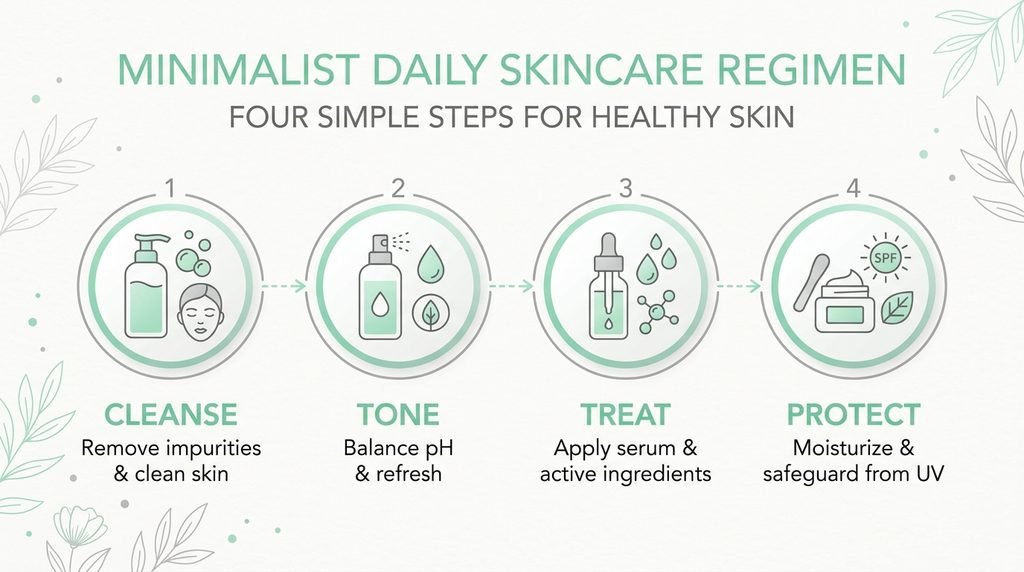
Building an effective skincare routine for acne-prone skin requires balancing active ingredients that clear pore congestion with essential steps that preserve the skin barrier. A complete, practical regimen follows a core sequence: cleanse, treat, moisturize, and protect. Rather than overloading skin with aggressive exfoliants, a minimalist approach focused on key actives—such as salicylic acid, niacinamide, and azelaic acid—delivers sustainable results. This guide breaks down exact morning and evening steps, debunks the persistent myth that oily or breakout-prone skin should skip moisturizer, outlines ingredient compatibility rules, and sets realistic timelines for visible improvement without causing irritation or barrier damage.
Hook-Up Paragraph
When dealing with persistent breakouts, it is tempting to strip your skin with harsh scrubs or stack multiple active treatments at once. However, aggressive over-treatment often backfires, damaging your delicate moisture barrier and triggering compensatory sebum production that worsens breakouts. The key to lasting clarity is consistency, strategic layering, and barrier preservation. Learning how to build a skincare routine for acne-prone skin does not require a complex ten-step regimen. By focusing on a streamlined core framework—cleanse, treat, moisturize, and protect—you can calm active inflammation, clear clogged pores, and establish a healthy skin baseline that supports long-term balance without causing dryness or irritation.
The Core 4-Step Skincare Routine Structure
Every effective regimen for breakout-prone skin relies on four fundamental pillars performed in a precise order. Stacking products haphazardly can prevent active ingredients from penetrating effectively or lead to unwanted skin irritation.
| Step | Product Type | Recommended Active / Key Ingredient | Primary Function & Benefit |
| 1. Cleanse | Gentle Foaming Gel | Low-dose Salicylic Acid or Hydrating Cleanser | Clears surface oil and debris without stripping natural lipids |
| 2. Treat | Targeted Active Serum | Niacinamide (4–5%) or Azelaic Acid (10%) | Regulates sebum, calms inflammation, and fades post-acne marks |
| 3. Moisturize | Oil-Free Gel-Cream | Ceramides, Hyaluronic Acid, Glycerin | Restores barrier lipids and locks in hydration without clogging pores |
| 4. Protect | Broad-Spectrum SPF | Non-comedogenic Zinc Oxide or Fluid Filters | Prevents UV-induced inflammation and post-inflammatory hyperpigmentation |
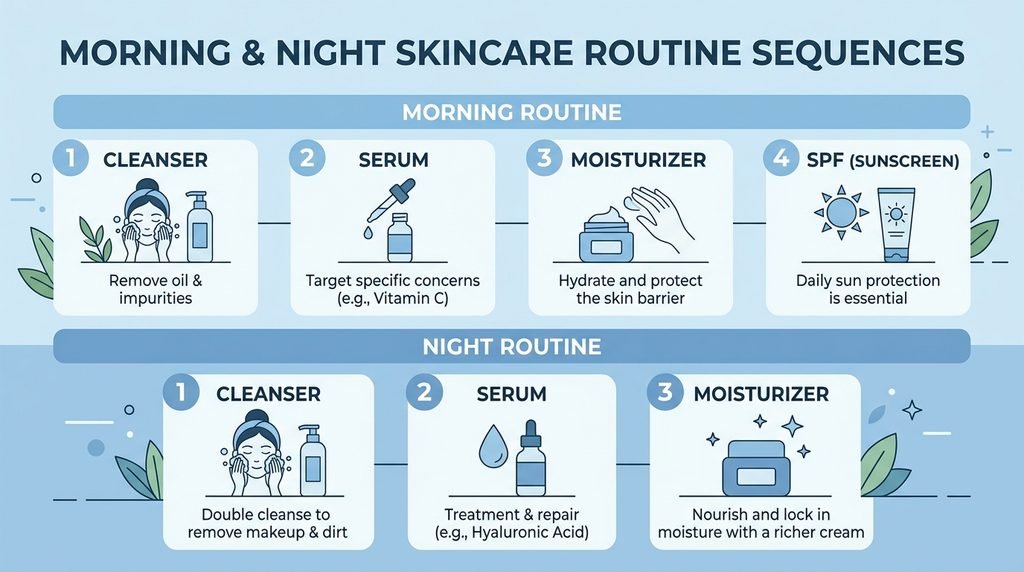
Morning vs. Evening Application
- Morning (AM): Focus on protection and gentle oil regulation. A light cleanser, a soothing active like niacinamide, a non-comedogenic gel moisturizer, and a dedicated broad-spectrum sunscreen form the ultimate daily defense against environmental stressors.
- Evening (PM): Focus on repair and targeted pore decongestion. Thoroughly cleanse away daily accumulation, apply treatment actives like salicylic acid or azelaic acid, and lock in moisture with a slightly richer lipid-supporting cream.
Essential Ingredients for Breakout-Prone Skin
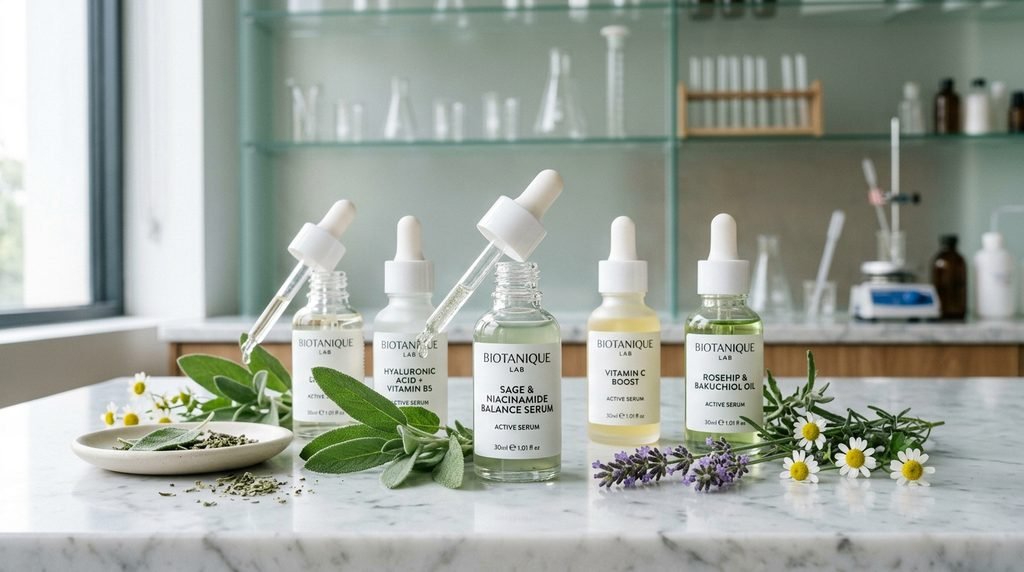
Selecting the right active ingredients is critical when addressing breakouts. Rather than using every trending ingredient simultaneously, focus on a few proven compounds that address distinct aspects of acne development.
Salicylic Acid (BHA)
Salicylic acid is a oil-soluble beta-hydroxy acid that penetrates deep inside pores to dissolve trapped sebum, dead skin cells, and debris. For detailed guidance on exfoliating acids, reference our guide on AHA vs. BHA vs. PHA.
Niacinamide (Vitamin B3)
Niacinamide works as a multi-functional regulator. It reduces surface sebum production, calms underlying redness and inflammation, and strengthens lipid barrier function. To explore concentration recommendations, review our deep dive on What Is Niacinamide.
Azelaic Acid
Azelaic acid provides antibacterial activity against acne-causing bacteria while inhibiting tyrosinase, the enzyme responsible for dark post-acne spots. Learn more about this gentle powerhouse in Azelaic Acid Explained.
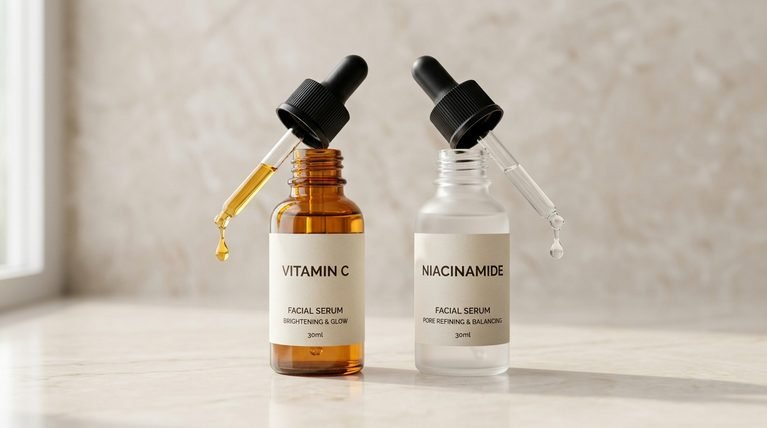
For safe, complementary layering, pairing a gentle BHA with a soothing B3 serum provides dual benefits: pore clearance combined with inflammation control.
Why Skipping Moisturizer Worsens Acne
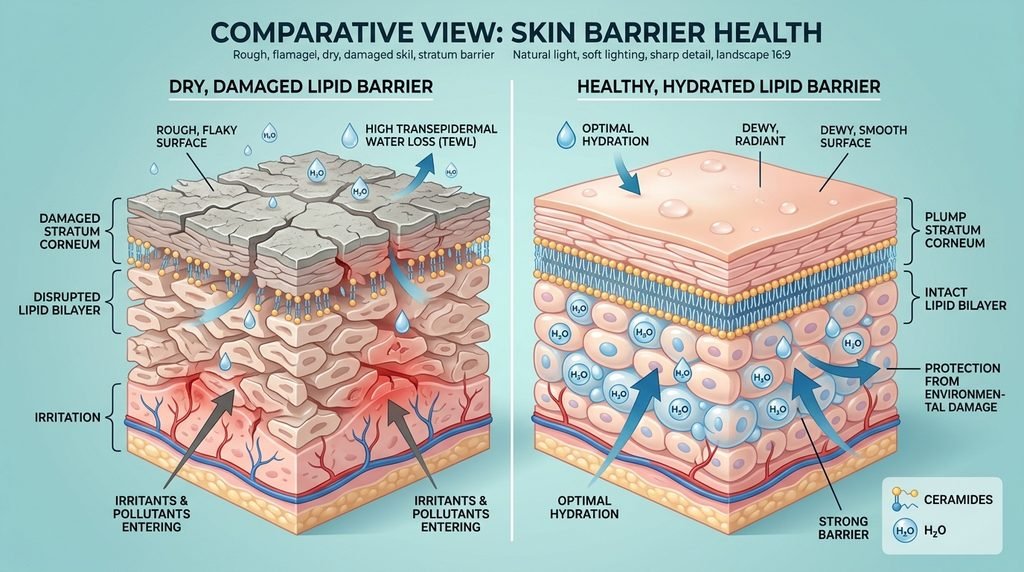
A common and damaging myth in skincare is that breakout-prone or oily skin does not need moisturizer. Many believe that applying hydrating creams will clog pores or add unnecessary oiliness.
Skipping moisturizer disrupts the stratum corneum—the outermost protective layer of your skin. When skin loses essential water, it signals the sebaceous glands to produce even more oil to compensate for the dryness. This surplus oil blends with dead skin cells, increasing the likelihood of clogged pores and fresh inflammation. Research indexed by the National Center for Biotechnology Information (NCBI) confirms that maintaining skin barrier integrity with non-comedogenic moisturizers significantly improves clinical outcomes in acne management. Look for lightweight gel-creams formulated with hyaluronic acid, glycerin, and barrier-replenishing ceramides.
Managing Actives: The Risk of Over-Treatment
When introducing targeted serums, more is not better. Introducing multiple potent exfoliants or retinoids simultaneously frequently leads to contact dermatitis, flaking, and severe redness—a state often mistaken for worsening acne.
To prevent barrier damage:
- Limit Active Count: Begin with only 1 or 2 targeted actives in your overall weekly rotation.
- Patch Test First: Always apply new formulas to a small area along the jawline for 48 hours before full-face application.
- Slow Introduction: Introduce a new treatment 2–3 times per week before advancing to nightly use.
- Avoid Stacking: Avoid combining potent exfoliants with strong retinoids in the same nightly application unless directed by a specialist.
Bacterial Acne vs. Fungal Acne: Knowing the Difference
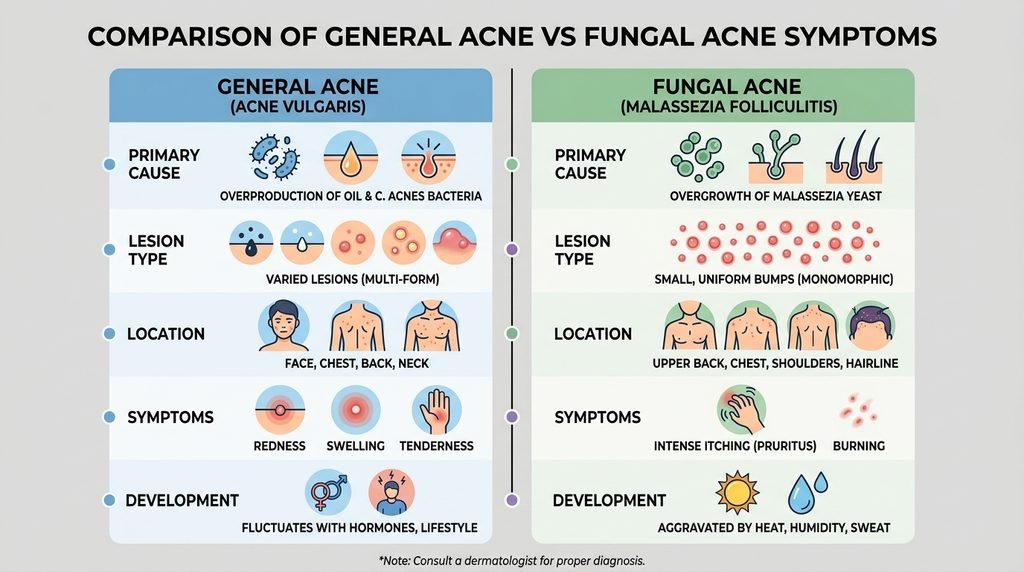
It is crucial to verify that you are addressing classic acne vulgaris before finalizing your routine setup. If small, uniform, itchy bumps persist along your forehead or hairline despite traditional antibacterial treatments, you may be experiencing pityrosporum folliculitis. For a full breakdown on differentiating these conditions, consult our post on Acne vs. Fungal Acne.
Realistic Timelines for Visible Results

Skin cell turnover takes approximately 28 to 40 days, meaning instantaneous results from topical skincare are biologically impossible. Consistent, daily application of a balanced regimen yields progressive improvements over time:
- Weeks 1 to 2: Initial stabilization of skin hydration levels; reduced surface tightness or excessive flaking.
- Weeks 4 to 6: Noticeable reduction in active inflammatory lesions and smoother surface skin texture.
- Weeks 8 to 12: Optimal visible clarity, reduced pore congestion, and gradual fading of post-acne dark marks.
For further timeline expectations across specific ingredients, see our article How Long Before a Serum Shows Results.
Conclusion
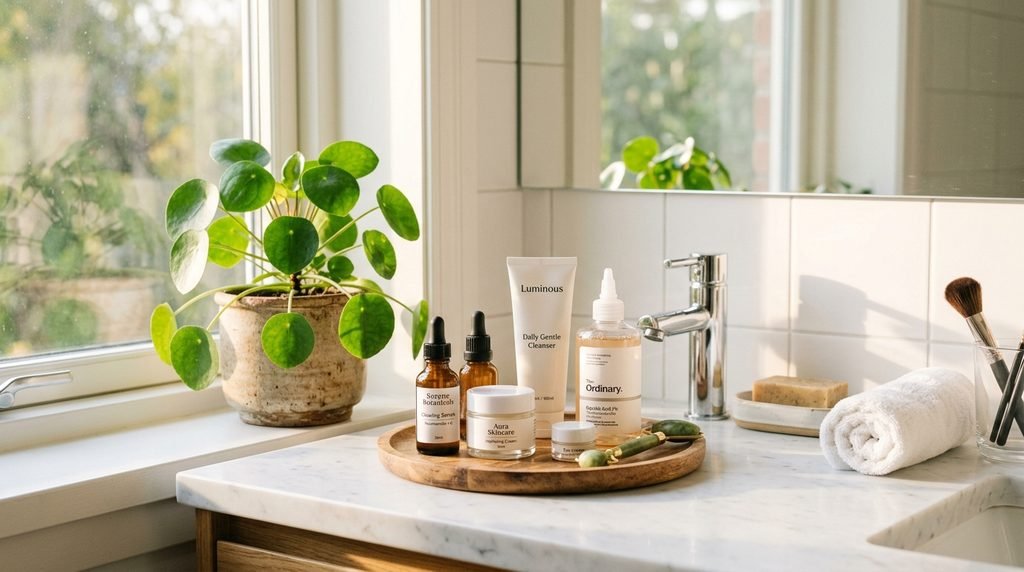
Building an effective skincare routine for acne-prone skin is rooted in consistency, barrier respect, and targeted simplicity. By strictly adhering to the core steps—cleansing gently, applying one or two targeted actives like niacinamide or salicylic acid, preserving moisture with an oil-free moisturizer, and protecting daily with SPF—you establish an environment where your skin can clear and balance naturally. Avoid the temptation to over-exfoliate or skip essential hydration. Stick to your chosen routine for a minimum of 8 to 12 weeks to evaluate real progress. For personalized advice, start with a simple 4-step setup today and make adjustments slowly as your skin adapts.
FAQ Section
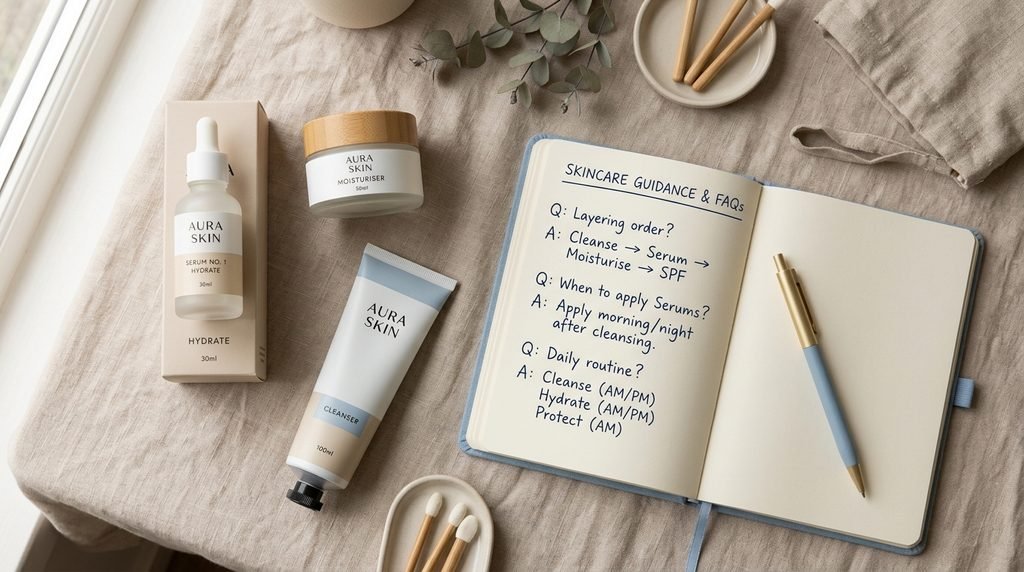
Q: Should acne-prone skin still use moisturizer daily?
A: Yes, daily moisturizer is essential for acne-prone skin. Skipping moisturizer damages the skin barrier and causes dehydration. In response, your skin produces excess oil to compensate, which can lead to increased pore clogging and more frequent breakouts. Choose lightweight, non-comedogenic gel formulas containing ceramides or hyaluronic acid.
Q: Can you use niacinamide and salicylic acid together for acne?
A: Yes, niacinamide and salicylic acid work well together. Salicylic acid penetrates pores to clear trapped sebum, while niacinamide calms inflammation, strengthens the skin barrier, and regulates oil production. Apply salicylic acid first on clean, dry skin, followed by your niacinamide serum to maximize benefits without causing irritation.
Q: How many active ingredients should an acne routine have?
A: Start with just one or two targeted active ingredients in your entire routine. Stacking multiple strong exfoliants, retinoids, or spot treatments simultaneously can strip the skin barrier, causing severe redness, peeling, and reactive breakouts. Gradually introduce additional actives only after your skin builds tolerance over several weeks.
Q: How long does it take for an acne routine to show results?
A: Most structured acne routines require 8 to 12 weeks of consistent use to produce visible, sustained skin clarity. Because skin cell turnover takes roughly a month, early improvements in hydration may occur within two weeks, but active lesions and pore congestion require multiple turnover cycles to clear.
Q: What is a simple skincare routine for acne-prone skin?
A: A simple, effective routine consists of four basic steps: a gentle foaming gel cleanser, a targeted treatment active like salicylic acid or azelaic acid, a lightweight oil-free moisturizer, and a non-comedogenic broad-spectrum SPF 30+ sunscreen every morning. Keep evening steps simple by cleansing, treating, and moisturizing.
Q: What is the difference between treating hormonal acne and fungal acne?
A: Hormonal acne presents as deep, painful cysts primarily around the lower face and jawline, responding well to anti-inflammatory actives and retinoids. Fungal acne is an overgrowth of yeast causing small, uniform, itchy papules that do not respond to typical acne treatments and require specific antifungal-safe skincare ingredients.