If you’ve scrolled through your feeds lately, you’ve likely seen glowing complexions framed by soft pastel hues. Dubbed “pink hydration,” this viral aesthetic centers on skin that looks juicy, springy, and naturally flushed with moisture. Beyond the dreamy social media filter lies a fundamental skincare goal: deep, lasting water retention that elevates your natural glow without requiring heavy makeup.
Achieving a fresh, bouncy finish depends on how efficiently your skin attracts water and preserves its outer barrier. When surface cells hold optimal moisture, they swell like microscopic sponges, smoothing fine lines and reflecting light evenly across your face. Let’s look at what pink hydration skincare actually means, how to get dewy skin through proven ingredients, and how to build a routine that delivers visible results.
Executive Summary
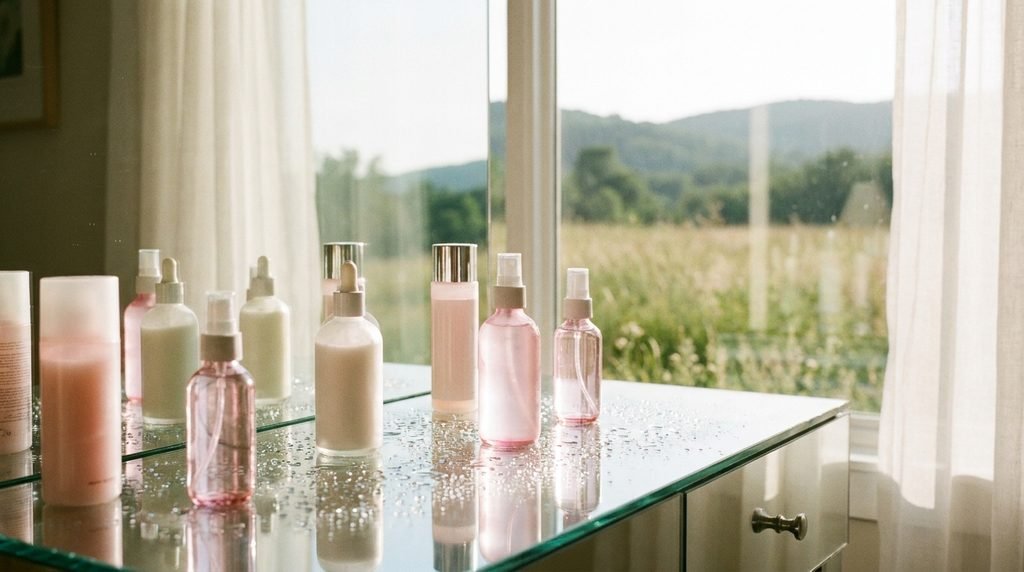
The pink hydration movement shifts away from heavy, pore-clogging oils toward weightless, moisture-binding formulas that give your complexion a fresh, naturally flushed radiance. This guide breaks down the underlying science of getting a bouncy, dewy finish without leaving a greasy residue behind. You’ll learn how humectants like hyaluronic acid and glycerin draw surface water deep into the epidermis, why healthy blood circulation produces a soft rosy glow, and how to structure an easy daily routine. We also highlight common application mistakes—like putting humectants on dry skin—so your glow lasts all day long.
The Science of Dewy Skin: Water Content vs. Surface Oil
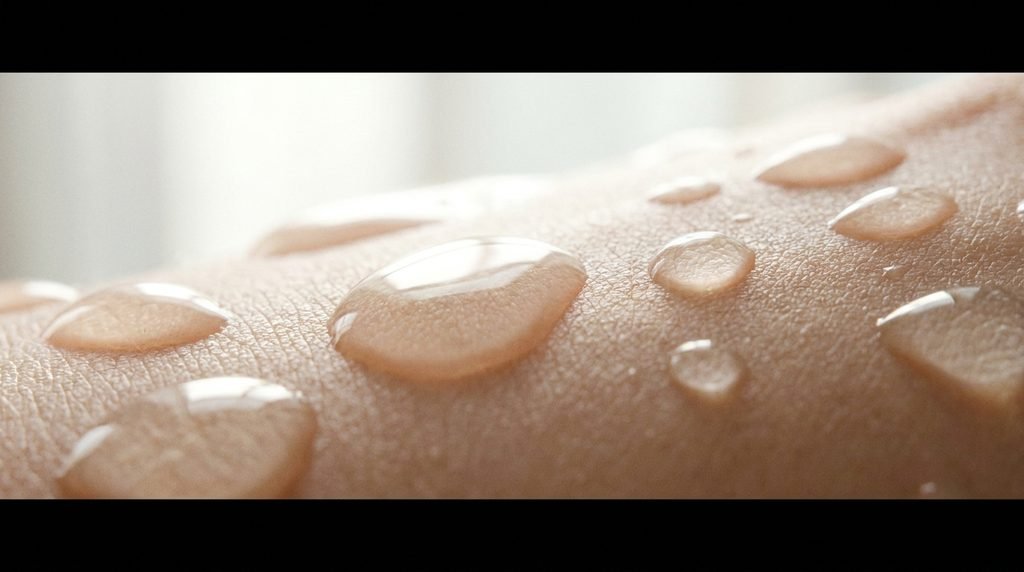
Many people mix up oily skin with hydrated skin, but the two are completely different. Oil (sebum) sits on top of the surface to coat and lubricate, whereas water fills the cells inside the upper epidermis, giving skin its firm, springy texture. Distinguishing between moisture and oil is the key to maintaining a clear, luminous look.
+---------------------------------------------------------------+
|                    SKIN HYDRATION MECHANISM                   |
+---------------------------------------------------------------+
|   HUMECTANTS   -->  Draw water into the upper skin layer      |
|   EMOLLIENTS   -->  Fill in gaps between rough skin cells     |
|   OCCLUSIVES   -->  Form a seal to lock in bound moisture     |
+---------------------------------------------------------------+
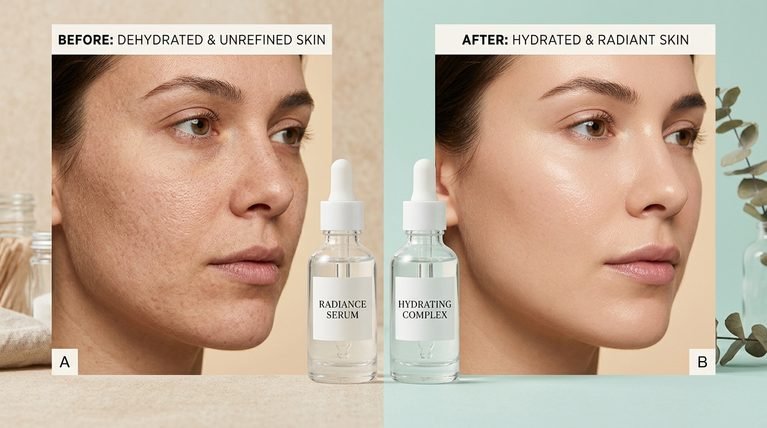
When skin lacks water, it turns dehydrated. Surface cells contract, leaving your face looking flat, dry, or prematurely lined. Conversely, when the stratum corneum (the top skin layer) holds plenty of water, light bounces off it evenly, creating that sought-after glass-like finish.
Plumping the surface also encourages natural cell turnover. This keeps your texture feeling soft and smooth without relying on harsh physical scrubs.
Essential Plump Skin Ingredients: The Moisture Powerhouses
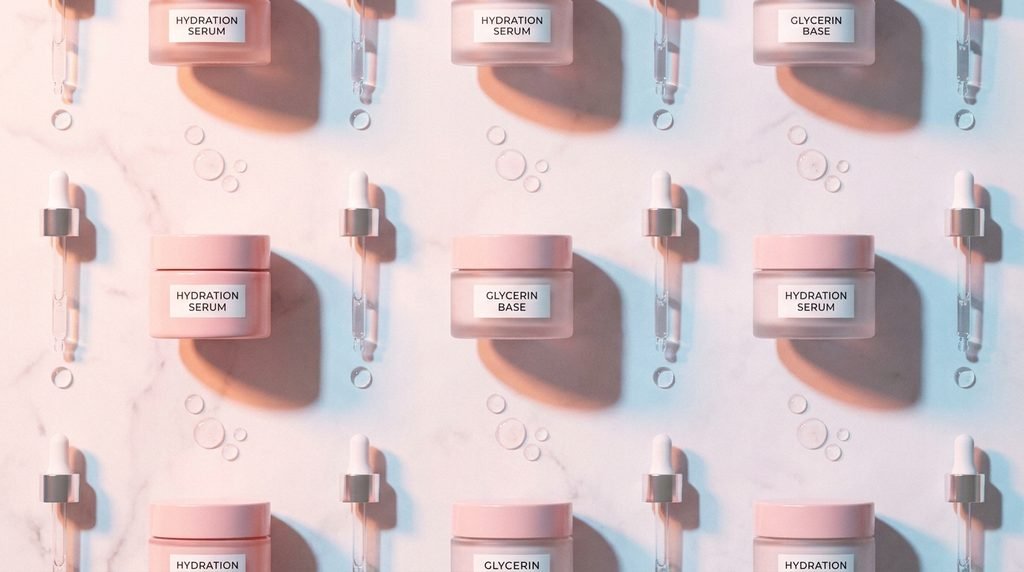
To get a bouncy look, you need ingredients that actively pull water into the skin matrix and keep it there. Combining moisture magnets with barrier supporters ensures water stays locked in all day.
+-------------------+----------------------------------------------------+
| INGREDIENT        | PRIMARY SKIN ROLE                                  |
+-------------------+----------------------------------------------------+
| Hyaluronic Acid   | Binds surface water for immediate smoothing        |
| Glycerin          | Small-molecule binder that hydrates deeper layers  |
| Niacinamide (B3)  | Boosts natural ceramide production and evens tone  |
| Ceramides         | Rebuilds the protective seal to stop water loss    |
+-------------------+----------------------------------------------------+
Hyaluronic Acid
Hyaluronic acid is a sugar molecule naturally found in our bodies that can bind up to 1,000 times its weight in water. Using formulas with multiple molecular weights helps target different surface depths. Larger molecules stay on top to smooth immediate texture, while smaller ones reach deeper into the upper epidermis.
Glycerin
While hyaluronic acid gets most of the spotlight, glycerin remains a workhorse in dermatological research. Its tiny molecular size allows it to move easily through cellular channels, drawing moisture into the stratum corneum and preserving skin flexibility even during cold weather.
Niacinamide (Vitamin B3)
Niacinamide supports a healthy, rosy complexion by strengthening your lipid barrier. It signals the skin to synthesize its own ceramides, stopping water from evaporating when you’re in dry or air-conditioned environments.
To explore how to maintain a strong protective barrier, visit our guide on Skin Depilex Barrier Repair to discover methods for locking in daily hydration. For detailed scientific background on skin hydration mechanisms and barrier function, review clinical research on the National Institutes of Health database.
Why Does Hydrated Skin Look Naturally Pink and Flushed?

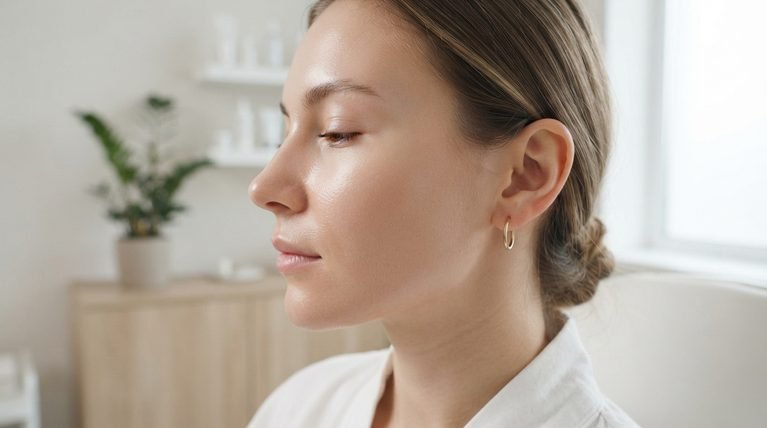
The “pink” in pink hydration isn’t about synthetic dyes or cheek stains—it reflects healthy microcirculation operating under a strong skin barrier. When your skin cells hold plenty of moisture, blood vessels in the underlying dermis deliver oxygen and nourishment more efficiently.
    Deep Water Binding -> Plump Surface Cells -> Smooth Reflection
                             +
    Microcirculation   -> Oxygen Transport  -> Natural Rosy Glow
                             =
             THE LUMINOSITY OF "PINK HYDRATION"
If your moisture barrier becomes broken or compromised, skin often looks blotchy and irritated rather than flushed. True radiance happens when skin remains calm, redness subsides, and underlying blood flow shows through a smooth, well-hydrated surface.
Dewy vs. Oily Skin: Recognizing the Key Differences

It’s easy to mistake excess oil for a dewy glow, but their behavior and texture are noticeably different.
- Dewy Skin: Feels firm, smooth, and supple across the entire face, particularly over the cheekbones and nose bridge. It catches light smoothly without leaving a slick film on your hands.
- Oily Skin: Appears slick or shiny, mostly focused around the T-zone (forehead, nose, and chin). It feels slippery to the touch and often leads to clogged pores or breakdown of products later in the day.
               DEWY SKIN                     OILY SKIN
       +-----------------------+     +-----------------------+
       | * Soft, bouncy feel   |     | * Slick, greasy feel  |
       | * Balanced sheen      |     | * Concentrated T-zone |
       | * Clean light bounce  |     | * Prone to clogged pores|
       +-----------------------+     +-----------------------+
If your face turns shiny shortly after washing, you might be dealing with dehydration. Skin often produces extra oil to compensate for missing water, making proper moisture balance even more critical.
A Simple Daily Routine for Pink Hydration
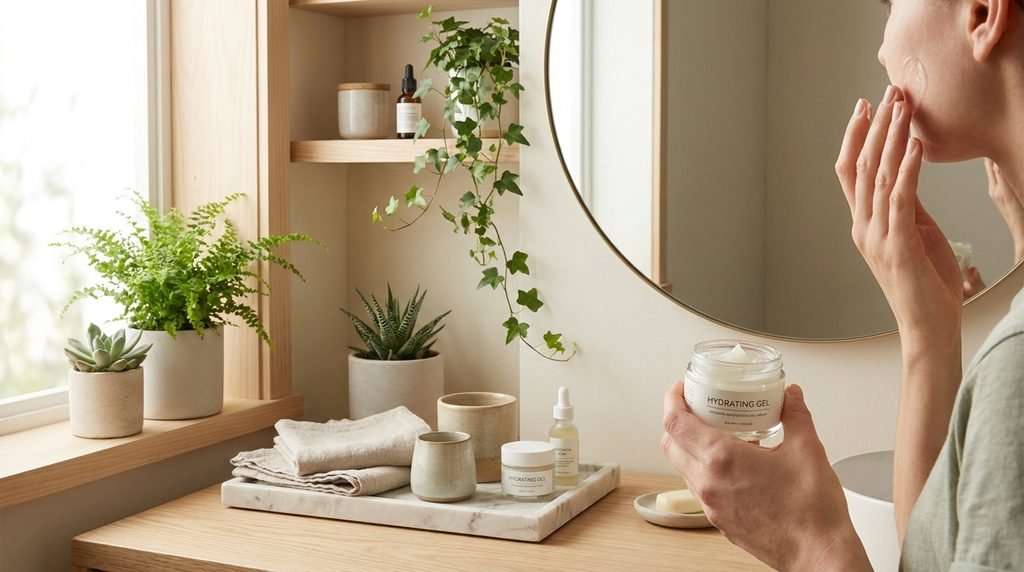
Building a functional routine around pink hydration doesn’t require dozens of complicated steps. Layering a few well-formulated products in the correct sequence gives the best results.
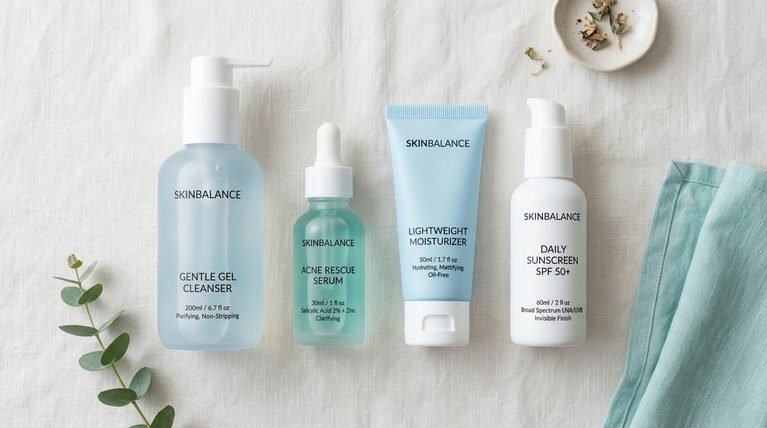
[1. Mild Cleanser] -> [2. Hydrating Mist] -> [3. HA/Glycerin Serum] -> [4. Lightweight Cream] -> [5. Sunscreen]
- Cleanse Gently: Wash with a low-pH gel or milk cleanser that cleanses without stripping away natural surface lipids.
- Mist the Skin: Spray an alcohol-free mist containing rose water or glycerin to leave the surface slightly wet.
- Apply Your Humectant Serum: Pat a hyaluronic acid or glycerin serum onto damp skin immediately to trap that water.
- Seal with a Light Moisturizer: Use a gel-cream infused with ceramides or squalane to seal the humectants in place.
- Finish with Broad-Spectrum Sunscreen (AM): UV exposure degrades collagen and disrupts barrier function. Daily SPF keeps your skin firm and prevents moisture loss.
For advice on matching specific humectants to your skin type, check out our Skin Depilex Hydration Guides to build an effective daily regimen.
Common Hydration Errors That Dull Your Skin
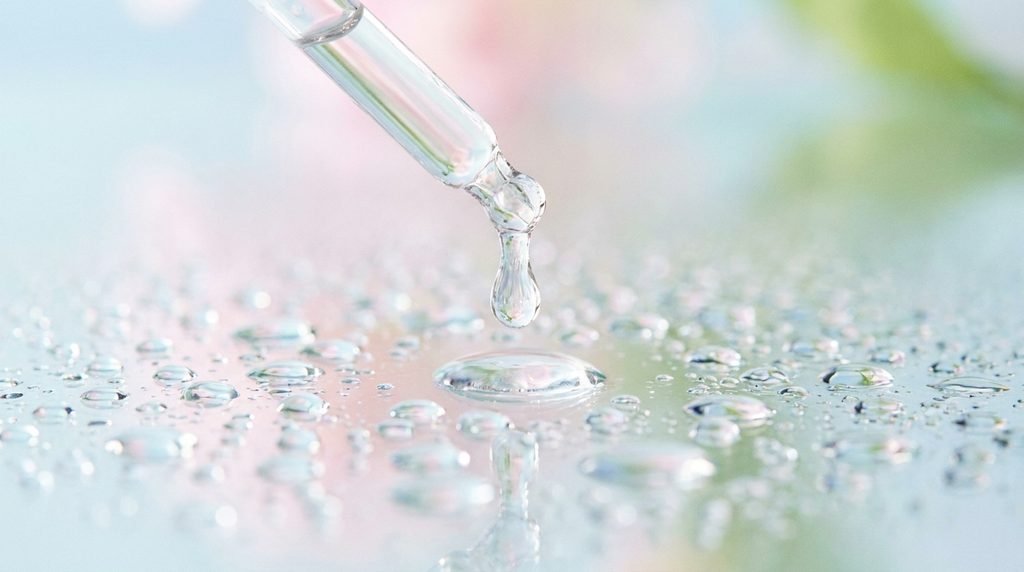
Even with high-quality formulas, small application mistakes can hold your skin back from looking its best.
- Applying Serums to Bone-Dry Skin: Humectants work like sponges. If you put hyaluronic acid on completely dry skin in a low-humidity room, it can pull water up from deeper layers, making dryness worse. Always apply serums to damp skin.
- Over-Exfoliating: Excessive use of strong AHA/BHA acids strips away the lipid layer that holds water in place, leading to tightness, flaking, and redness.
- Forgetting the Occlusive Layer: Humectants attract water, but they can’t prevent evaporation on their own. You always need a light moisturizer on top to trap that moisture inside.
Conclusion

The pink hydration trend is far more than a passing cosmetic aesthetic—it’s a practical, water-focused approach to maintaining long-term skin health. By pairing water-attracting humectants like glycerin and hyaluronic acid with light barrier lipids, you keep your protective barrier intact. This keeps your skin looking bouncy, fresh, and naturally radiant day after day without any greasy residue.
Start by adding a humectant serum to your routine, apply it over damp skin, and seal it with a balanced moisturizer. Ready to upgrade your routine? Explore our full collection of guides to find the right hydration solutions for your personal skin goals!
FAQ Section
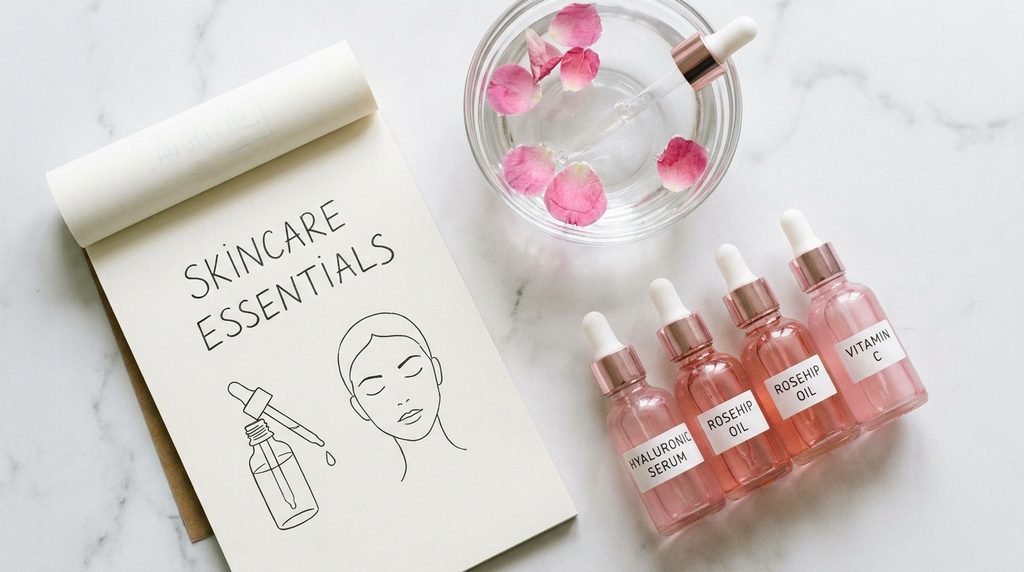
Q: What is the pink hydration skincare trend?
A: The pink hydration trend centers on using lightweight, water-focused products to deeply hydrate the skin barrier. Instead of relying on heavy oils, it uses humectants like hyaluronic acid and glycerin to create a bouncy, naturally flushed finish without heavy makeup.
Q: Does hyaluronic acid actually make skin look plumper?
A: Yes, hyaluronic acid draws water into the outer skin layers, causing surface cells to expand slightly. This temporary effect smooths the appearance of fine surface lines, giving the face a firmer, bouncier look when applied regularly to damp skin.
Q: How do I get plump, dewy skin without makeup?
A: Focus on layering water-binding humectants like glycerin under a light lipid moisturizer every day. Exfoliate gently once a week to remove dull surface cells, and always pat your hydrating serums onto damp skin to trap moisture effectively.
Q: Is glycerin or hyaluronic acid better for hydration?
A: Neither ingredient is strictly better; they work best as a team. Glycerin has a smaller molecular size that penetrates deeply to preserve softness, while hyaluronic acid binds surface water for an instant smoothing effect. Using both delivers optimal moisture.
Q: Can dehydrated skin still look oily?
A: Yes, dehydrated skin lacks water, not oil. When skin loses its internal water content, it often overproduces sebum to compensate for the weakened barrier. This leaves the surface looking shiny or greasy while feeling tight underneath.
Q: How can I tell the difference between dewy skin and oily skin?
A: Dewy skin feels soft, firm, and comfortable, showing an even sheen across the high points of your face. Oily skin feels slick or sticky, focuses heavily around the forehead and nose, and frequently leads to clogged pores.