Executive Summary
Hyperpigmentation—the appearance of dark patches, uneven tone, sun spots, or lingering acne marks—affects virtually every skin type and age group. While harmless, these stubborn spots can prove frustrating to manage without a clear strategy. Understanding what triggers excess melanin production is the key to choosing treatments that work. This guide breaks down the four distinct types of hyperpigmentation (including the crucial differences between melasma and post-inflammatory marks), analyzes scientifically backed active ingredients like azelaic acid, tranexamic acid, and vitamin C, and outlines targeted routines for different skin tones. You will gain actionable steps to protect your skin barrier, prevent future discoloration, and build a safe, consistent routine for a clearer, more balanced complexion.
Hook-Up Paragraph
Ever feel like a past breakout or a single summer weekend leaves behind dark marks that refuse to leave? You aren’t imagining it. Discoloration is one of the most common skincares concerns, yet treating it often feels like solving a puzzle with missing pieces. The secret isn’t throwing every harsh scrub or brightener at your face all at once—that often backfires by causing more inflammation. Instead, clearing dark spots requires identifying the root hyperpigmentation causes first. Once you know why your skin is overproducing pigment, selecting the right ingredients and routine becomes straightforward. Let’s look at what is actually happening beneath the surface, clear up common misconceptions, and build a targeted plan that gives your skin a healthy, even glow.
1. What Is Hyperpigmentation? Understanding Melanin Overproduction
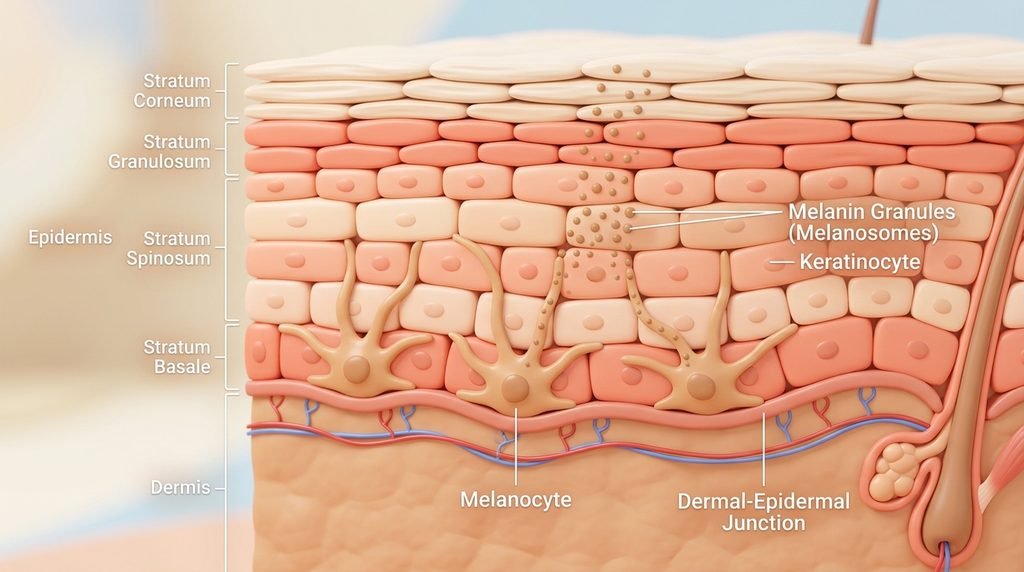
Hyperpigmentation isn’t a single condition, but a umbrella term describing areas of skin that become darker than the surrounding tone. This darkening occurs when specialized skin cells called melanocytes produce an excess of melanin—the natural pigment responsible for the color of your skin, hair, and eyes.
+-------------------------------------------------------------------+
|                        SKIN INFLAMMATION / UV                     |
+-------------------------------------------------------------------+
                                  |
                                  v
+-------------------------------------------------------------------+
|               Tyrosinase Enzyme Triggered in Melanocyte           |
+-------------------------------------------------------------------+
                                  |
                                  v
+-------------------------------------------------------------------+
|                   Excess Melanin Synthesized                      |
+-------------------------------------------------------------------+
                                  |
                                  v
+-------------------------------------------------------------------+
|          Melanosomes Transferred to Surface Keratinocytes         |
+-------------------------------------------------------------------+
                                  |
                                  v
+-------------------------------------------------------------------+
|            Visible Dark Spot / Hyperpigmentation Formed           |
+-------------------------------------------------------------------+
When skin experiences stress—whether from ultraviolet (UV) radiation, hormonal shifts, or mechanical injury—melanocytes go into overdrive. The enzyme tyrosinase plays a pivotal role in this process, triggering the chemical reaction that creates melanin. Once synthesized, pigment-filled packages called melanosomes travel up into surface skin cells (keratinocytes), showing up as visible spots or patches.
While melanin serves as your body’s natural defense against UV damage, an uneven distribution creates persistent patches. Anyone can experience hyperpigmentation, but factors like genetics, sun exposure habits, and baseline skin tone dictate how intensely pigment deposits form and how long they stay.
2. The 4 Main Types of Hyperpigmentation (and Their Causes)
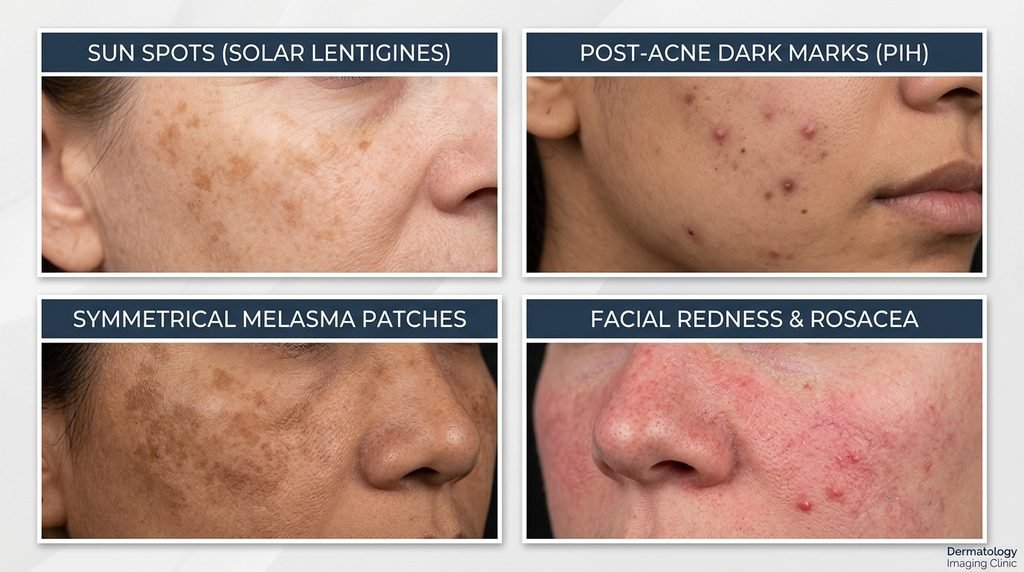
To choose an effective treatment, you must first recognize which form of discoloration you have. The four primary categories differ by cause, appearance, and depth in the skin layer.
Sun Spots (Solar Lentigines)
Often called age spots or liver spots, these small, defined flat brown patches appear on areas with high cumulative sun exposure, such as the face, hands, shoulders, and chest. UV radiation directly stimulates melanocyte activity over years, causing permanent local clusters of excess pigment.
Post-Inflammatory Hyperpigmentation (PIH)
PIH occurs after the skin experiences trauma, irritation, or an inflammatory response. Common triggers include acne blemishes, eczema flare-ups, insect bites, or aggressive cosmetic procedures. As the skin heals, temporary overproduction of melanin leaves flat red, pink, brown, or black marks long after the original wound closes.
Melasma
Melasma displays as larger, symmetrical patches with irregular borders, most commonly appearing across the cheeks, forehead, nose bridge, and upper lip. Driven primarily by hormonal fluctuations—such as pregnancy, oral contraceptives, or thyroid imbalances—melasma is notoriously heat- and light-sensitive, making it tricky to manage without strict daily protection.
Post-Inflammatory Erythema (PIE) vs. PIH
It is crucial not to confuse PIH with PIE (Post-Inflammatory Erythema). While PIH stems from excess melanin (brown or dark spots), PIE stems from damaged or dilated surface capillaries (pink, red, or purple marks). A quick test: gently press a clear glass against the spot. If it briefly turns white (blanches), it is likely PIE; if the color remains dark under pressure, it is PIH.
3. Hyperpigmentation vs. Melasma: Key Differences Explained
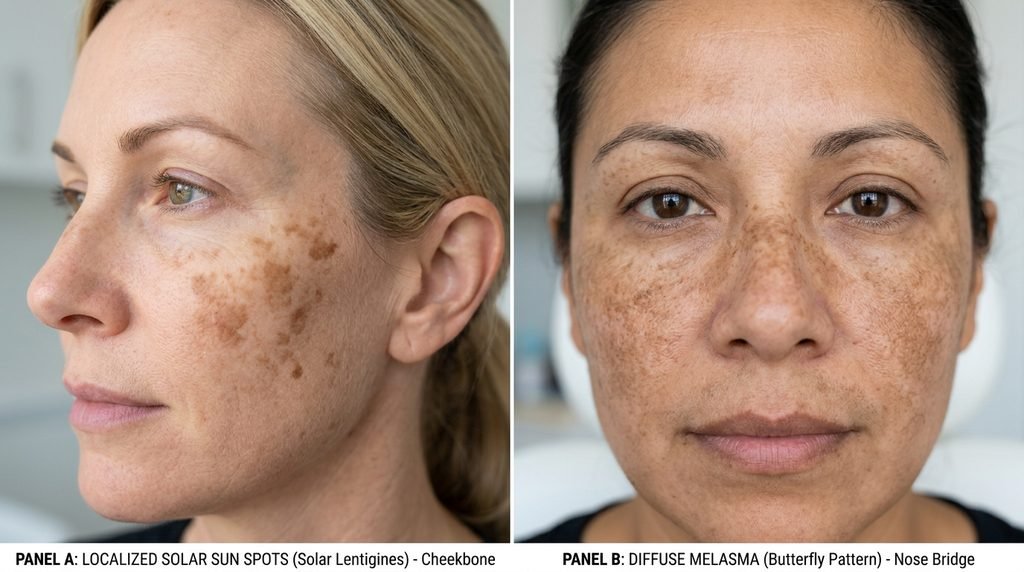
Because melasma is a specific subtype of hyperpigmentation with complex internal triggers, mistreating it like a simple sun spot often leads to frustration or worsened discoloration.
| Feature | General Hyperpigmentation / PIH | Melasma |
| Primary Trigger | Surface trauma, acne, sun exposure | Hormones (estrogen/progesterone) + UV/Heat |
| Visual Pattern | Small, localized, isolated spots or marks | Large, symmetrical patches (mask-like pattern) |
| Pigment Depth | Epidermal (surface layer) | Epidermal, dermal (deep layer), or mixed |
| Heat Sensitivity | Moderate | High (saunas, hot workouts can worsen it) |
| Persistence | Tends to fade steadily with topical care | Recurrent; requires ongoing maintenance |
If you are dealing with melasma, aggressive treatments like harsh scrubs, hot steam, or high-strength chemical peels can inflame the skin, signaling melanocytes to release even more pigment. Managing melasma demands a gentle approach focused on heat control, hormone awareness, and daily broad-spectrum sun defense.
4. Best Ingredients for Hyperpigmentation: How They Work
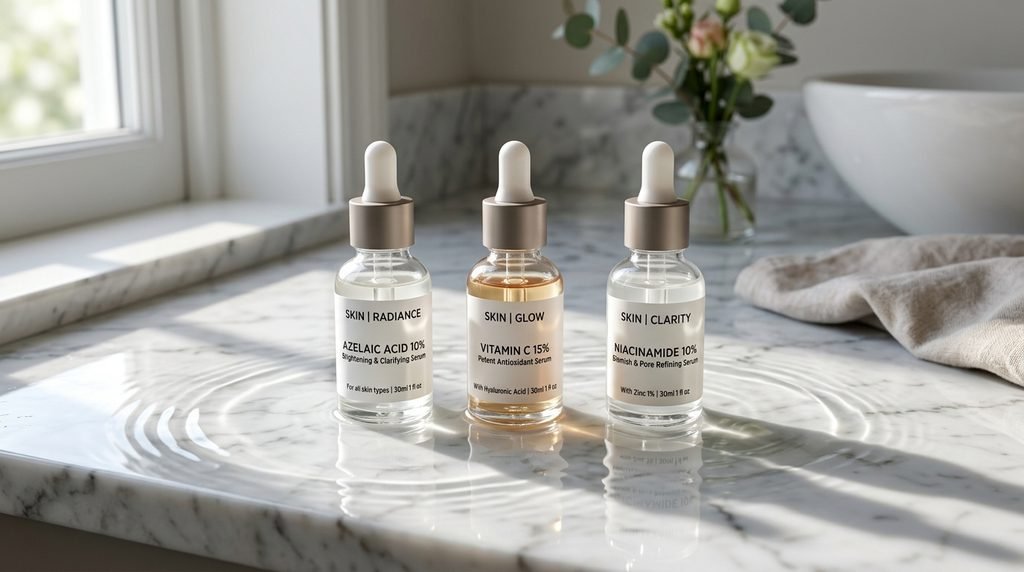
Fading pigment requires a multi-pronged strategy. Combining actives that target different stages of the melanin cycle yields faster, more reliable results without relying on a single high-strength ingredient that might irritate the skin barrier.
+--------------------------------------------------------------------+
|                         MELANIN PATHWAY                            |
+--------------------------------------------------------------------+
       |                                              |
       v                                              v
[Tyrosinase Inhibition]                     [Transfer Blockade]
- Vitamin C                                  - Niacinamide
- Azelaic Acid
- Tranexamic Acid
       |                                              |
       +----------------------+-----------------------+
                              |
                              v
                   [Accelerated Cell Turnover]
                   - Retinoids (Retinol, Tretinoin)
                   - Chemical Exfoliants (AHAs)
Tyrosinase Inhibitors
These actives prevent the tyrosinase enzyme from starting melanin production in the first place:
- Azelaic Acid (10%–15%): Selectively targets hyperactive melanocytes, making it an excellent choice for both PIH and melasma. Bonus: its anti-inflammatory properties soothe active acne.
- Tranexamic Acid (2%–5%): Interrupts the communication between surface skin cells and melanocytes, making it particularly effective at calming stubborn melasma and sun damage.
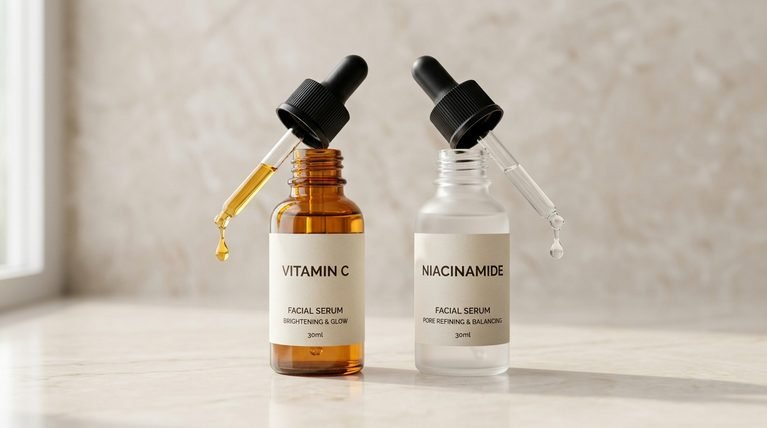
- Vitamin C (L-Ascorbic Acid): A potent antioxidant that neutralizes free radicals, blocks tyrosinase, and brightens overall skin tone.
Pigment Transfer Blockers
- Niacinamide (Vitamin B3, 2%–5%): Doesn’t stop pigment creation directly; instead, it prevents melanosomes from transferring pigment into surface skin cells. It also strengthens the moisture barrier to reduce healing time.
Cell Turnover Accelerators
- Retinoids & AHAs (Glycolic/Lactic Acid): Speed up natural skin shedding, bringing pigmented surface cells to the top faster so they flake away naturally.
For a deeper look into selecting the right antioxidant or acid blend for your daily routine, explore our comprehensive guide on [Tranexamic Acid vs. Vitamin C for Dark Spots] inside our skincare library.
5. Hyperpigmentation on Deeper Skin Tones (Fitzpatrick Types IV–VI)
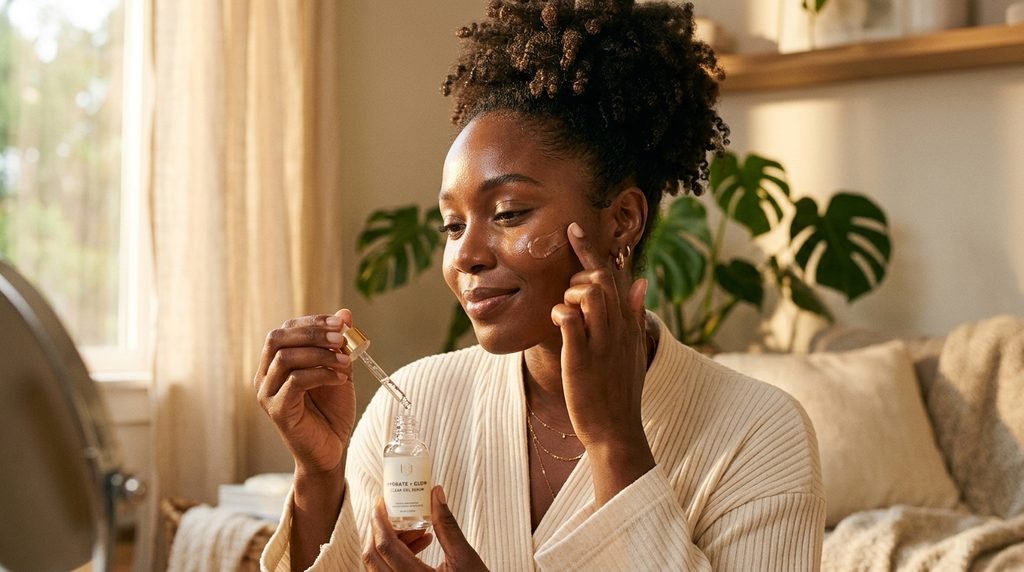
While hyperpigmentation affects all skin tones, individuals with melanin-rich skin produce larger, more reactive melanosomes. This biological trait provides built-in natural sun protection, but it also makes skin more prone to severe, long-lasting PIH from even minor irritation.
LIGHTER SKIN TONES (Fitzpatrick I-III)    DEEPER SKIN TONES (Fitzpatrick IV-VI)
+-----------------------------------+    +-----------------------------------+
| Small, compact melanosomes        |    | Larger, highly active melanosomes |
| Lower risk of severe PIH          |    | Rapid response to inflammation    |
| Can tolerate stronger exfoliation |    | Higher risk of secondary PIH      |
+-----------------------------------+    +-----------------------------------+
Safety Rules for Melanin-Rich Skin
- Prioritize Anti-Inflammatory Ingredients: Stick with gentle options like azelaic acid, niacinamide, and tranexamic acid before attempting high-strength glycolic acid or strong retinoids.
- Avoid Over-Exfoliation: Aggressive facial scrubs or harsh chemical peels can trigger secondary PIH—leaving a darker mark than the original spot you tried to fix.
- Don’t Skip Sunscreen: A common myth suggests deeper skin tones don’t need daily SPF. While darker skin has higher baseline UV protection, UVA rays still activate melanocytes and darken existing PIH. Opt for transparent chemical formulas or mineral sunscreens with iron oxides to block visible light without leaving a white cast.
6. Daily Hyperpigmentation Routine & Layering Order
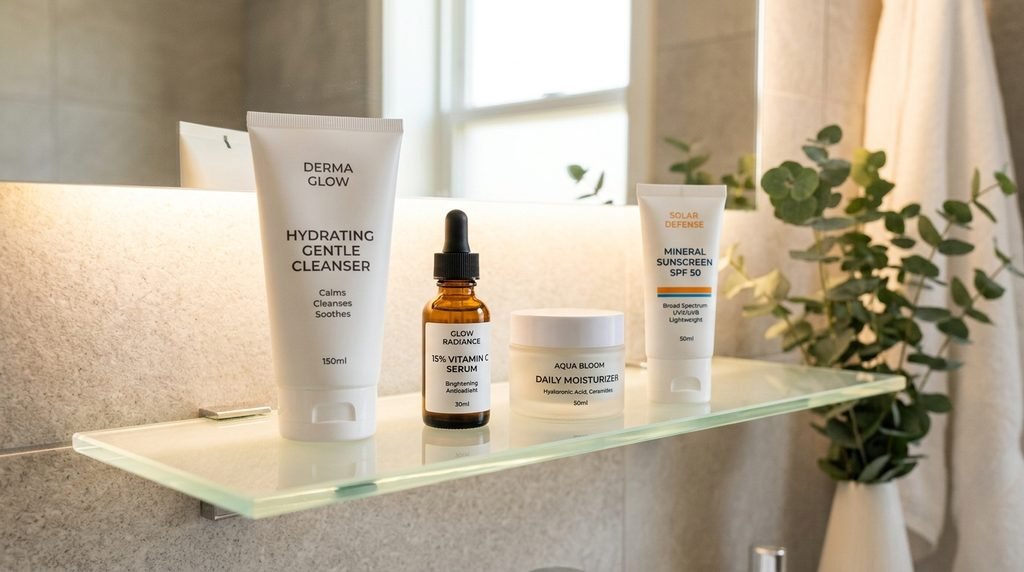
Consistency beats intensity every time. Here is how to sequence your active ingredients throughout the day for maximum efficacy without compromising your skin barrier.
MORNING ROUTINE                       EVENING ROUTINE
+-------------------------------+     +-------------------------------+
| 1. Gentle Cleanser            |     | 1. Cleansing Oil/Micellar     |
| 2. Vitamin C / Tranexamic Acid|     | 2. Gentle Hydrating Cleanser  |
| 3. Lightweight Moisturizer    |     | 3. Azelaic Acid or Retinoid   |
| 4. Broad-Spectrum SPF 30+     |     | 4. Barrier Repair Cream       |
+-------------------------------+     +-------------------------------+
Morning Routine: Protect & Prevent
- Cleanser: Wash with a mild, hydrating formula that leaves the skin barrier intact.
- Targeting Serum: Apply a lightweight serum containing Vitamin C or Tranexamic Acid to block daytime free-radical damage and tyrosinase activity.
- Moisturizer: Lock in hydration with a gel-cream or light moisturizer containing ceramides or hyaluronic acid.
- Sunscreen: Finish with a generous layer of broad-spectrum SPF 30 or higher. Reapply if spending extended time outdoors.
Evening Routine: Correct & Repair
- Double Cleanse: Remove makeup, sunscreen, and daily pollutants with a gentle cleansing oil followed by a water-based wash.
- Active Treatment: Alternate evenings between Azelaic Acid (or Niacinamide) and a low-dose Retinoid. Avoid stacking multiple strong acids in a single night.
- Nourishing Cream: Use a richer moisturizer to support skin recovery overnight.
Note: For official guidelines on ingredient safety and topical concentrations, consult the trusted clinical resources at the American Academy of Dermatology (AAD).
7. Realistic Timelines: How Long Does It Take to Fade Dark Spots?

Fading hyperpigmentation is a marathon, not a sprint. Because surface skin cells take roughly 28 to 40 days to turn over (a process that slows down as we age), real changes take time to show up.
EXPECTED TIMELINE FOR RESULTS
====================================================================
Week 1-2  : Improved hydration, reduced active inflammation/redness.
Week 4-6  : Early fading of superficial PIH; skin tone looks brighter.
Week 8-12 : Visible softening of stubborn sun spots and mild melasma.
Month 6+  : Significant improvement in deep-set, chronic discoloration.
- Epidermal PIH (Surface Marks): Fades within 2 to 3 months of consistent sun protection and daily active treatments.
- Dermal Hyperpigmentation (Deep Pigment): Lies deeper within the dermis layer and may take 6 to 12 months of careful treatment to lift significantly.
- Melasma: Highly sensitive to seasonal changes. You may achieve clear skin in winter only to see spots return slightly in summer if UV protection drops.
Patience is key. Switching products every two weeks prevents treatments from working properly and increases the risk of skin irritation.
Conclusion

Fading hyperpigmentation doesn’t happen overnight, but with a clear understanding of its causes, you can stop guessing and build an effective routine. Whether you are dealing with lingering post-acne marks, sun-induced spots, or hormone-driven melasma, the formula stays the same: protect your skin barrier, target pigment pathways with gentle ingredients like azelaic acid and vitamin C, and wear broad-spectrum sunscreen every single day. Focus on steady progress rather than quick fixes. Stick to your routine, give your skin time to renew itself, and you’ll enjoy a brighter, smoother, and more balanced complexion.
Frequently Asked Questions

Q: What is the main cause of hyperpigmentation on the face?
A: The primary cause is overproduction of melanin, triggered by ultraviolet (UV) radiation from sun exposure. Other common causes include post-inflammatory responses from acne or skin injuries, and hormonal shifts that lead to conditions like melasma.
Q: How do hyperpigmentation and melasma differ?
A: Hyperpigmentation is a broad term for any darkened skin spots caused by sun, acne, or injury. Melasma is a specific, hormonal form of hyperpigmentation that forms symmetrical, larger patches across the face and reacts strongly to both sun exposure and heat.
Q: Can hyperpigmentation go away naturally without treatment?
A: Minor post-inflammatory hyperpigmentation (PIH) can fade on its own over several months as your skin naturally sheds surface cells. However, deep-set sun spots and chronic melasma rarely fade entirely without targeted skincare and daily sun protection.
Q: Does sunscreen actually help fade dark spots?
A: Yes. Sunscreen prevents UV rays from triggering melanocytes to produce fresh pigment. While sunscreen doesn’t erase existing marks on its own, it stops current spots from darkening and gives active fading ingredients the chance to work effectively.
Q: What ingredients work best for post-acne dark marks?
A: Azelaic acid, niacinamide, and retinoids are excellent options for post-acne marks (PIH). Azelaic acid calms ongoing inflammation while blocking extra pigment production, while niacinamide prevents pigment from transferring into surface skin cells.
Q: Is hyperpigmentation harder to treat on darker skin tones?
A: Melanin-rich skin has larger, more active melanocytes that react quickly to inflammation. This makes dark skin more prone to post-inflammatory hyperpigmentation (PIH). Using gentle, non-irritating ingredients prevents secondary inflammation that can worsen spots.