Executive Summary

Your skin operates on an internal circadian clock, shifting its primary function from defense during the day to active cell repair while you sleep. Because your skin’s environment and biological needs fluctuate dramatically between daytime and nighttime, using the right serums at the right time is essential for optimizing your results. This guide breaks down the key structural differences between morning and nighttime serum formulations. You will learn how protective antioxidants shield against daily environmental stressors, how nocturnal repair actives work during sleep, and how to safely sequence your products without risking irritation or barrier damage.
Hook-Up Paragraph

Ever wondered if you actually need separate morning and night serums, or if it’s just clever cosmetic marketing? The truth comes down to human biology. Throughout the day, your skin acts as an active shield against ultraviolet radiation, urban pollution, and blue light. Once you go to bed, your cutaneous metabolism shifts gears into high-volume cellular recovery and collagen synthesis. Matching your active ingredients to these natural daily rhythms isn’t just a luxury—it’s the fastest way to get visible skin improvements. In this guide, we’ll examine what changes between sunrise and sunset, why specific actives belong exclusively to AM or PM slots, and how to build a streamlined, science-backed routine.
Why Your Skin Needs Different Serums AM vs. PM
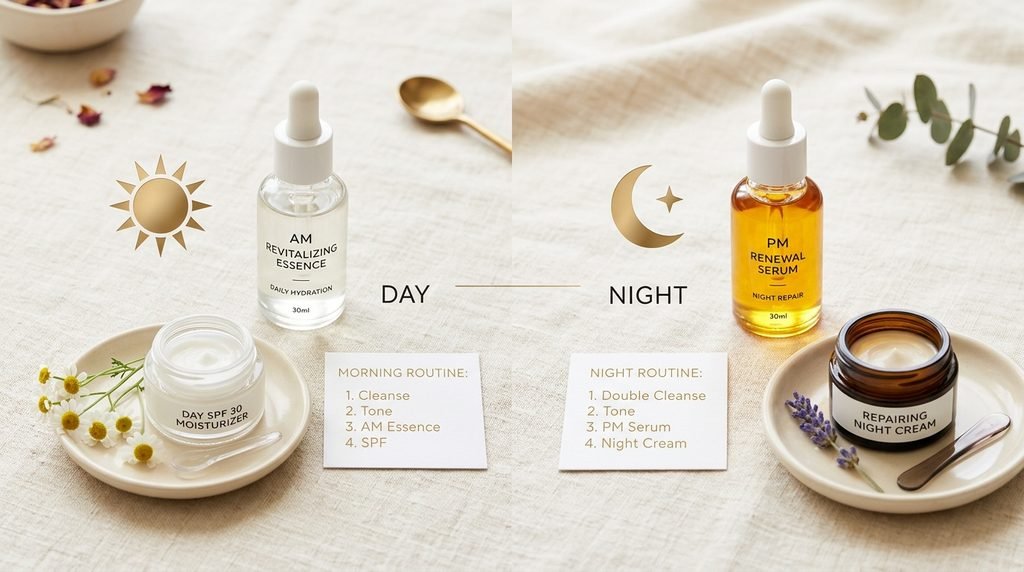
Your skin is a dynamic organ governed by a distinct circadian rhythm. During daylight hours, transepidermal water loss decreases slightly, sebum production peaks, and the skin prioritizes environmental defense. At night, blood flow to the dermis increases, cell division reaches its peak, and skin permeability rises. High skin permeability means your skin absorbs topical actives more efficiently at night, but it also leaves your moisture barrier more vulnerable to water loss.
Because of this shifting biological backdrop, a single serum cannot fulfill every skin requirement simultaneously. Daytime formulas focus on light hydration and antioxidant defense, while nighttime formulas feature potent exfoliating or cell-communicating actives that thrive in a dark, restorative environment.
| Routine Phase | Primary Biological Focus | Key Serum Goal | Typical Texture Profile |
| Morning (AM) | Defense & Protection | Neutralize free radicals, prevent UV damage | Lightweight, fast-absorbing fluid |
| Night (PM) | Repair & Regeneration | Stimulate collagen, accelerate cell turnover | Richer, lipid-dense emulsion or oil |
Understanding these functional differences allows you to choose targeted actives that work in harmony with your body’s natural physiology rather than fighting against it.
What Serums to Use in the Morning: Protection & Defense
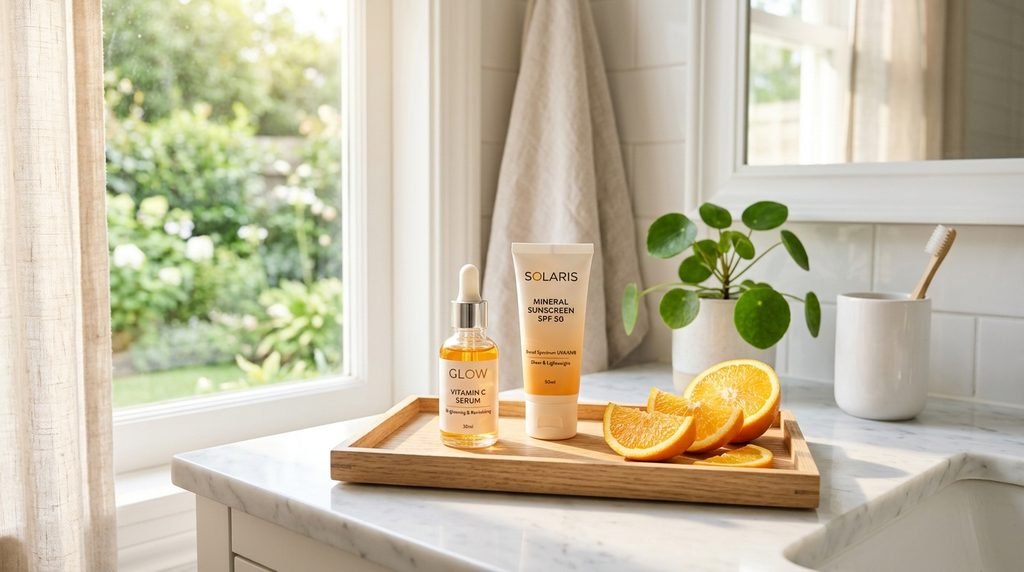
Morning serums are designed to strengthen your skin’s surface defenses before you step outside. Environmental stressors like ultraviolet rays, atmospheric dust, and ground-level ozone generate free radicals—unstable molecules that break down structural collagen and trigger premature hyperpigmentation.
Antioxidant serums act as electron donors, neutralizing these volatile molecules before they can cause cellular damage. Furthermore, applying an antioxidant serum directly beneath your daily sunscreen creates a synergistic protective layer that significantly enhances overall defense against photoaging.
- Vitamin C (L-Ascorbic Acid): The gold standard daytime antioxidant. It brightens dull tone and shields tissue from oxidative stress.
- Niacinamide (Vitamin B3): Reduces daytime sebum production, calms transient redness, and supports barrier lipids.
- Hyaluronic Acid: Binds water to the upper epidermis, keeping skin plump and hydrated under cosmetics or thermal stress.
- Ferulic Acid & Vitamin E: Stabilizing antioxidants that increase the photoprotective efficiency of Vitamin C.
To dive deeper into daytime protective actives, check out our guide on What Is Vitamin C Serum? to learn about optimal concentration levels and formulation stability.
What Serums to Use at Night: Repair & Regeneration
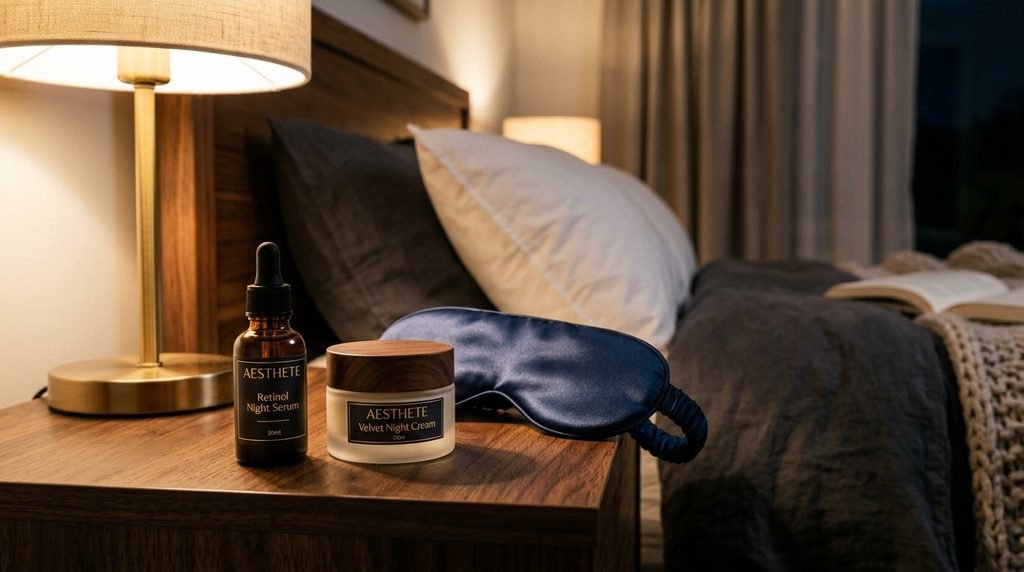
While you sleep, skin cell proliferation speeds up, making nighttime the optimal window for targeted corrective actives. Because your skin isn’t exposed to sunlight or environmental pollution at night, you can safely apply powerful ingredients that might otherwise cause phototoxicity or destabilize under sunlight.
Nighttime formulas often incorporate active repair complexes designed to boost structural collagen, smooth uneven texture, and shed dead skin cells. However, because nighttime permeability is higher, these serums require careful application to avoid compromise to the skin barrier.
- Retinoids (Retinol, Retinaldehyde): Vitamin A derivatives that accelerate cell turnover, smooth fine lines, and clarify clogged pores.
- Alpha Hydroxy Acids (AHAs like Glycolic and Lactic Acid): Exfoliating acids that dissolve inter-cellular glue to reveal fresh skin.
- Peptides: Signal molecules that support natural collagen production and improve elastic recoil.
- Ceramides & Fatty Acids: Lipid-replenishing agents that repair barrier cracks while you rest.
For step-by-step guidance on introducing strong night actives safely, explore our detailed breakdown on Retinol Basics Explained.
The Science of Timing: Can You Cross AM and PM Actives?
A frequent source of confusion in topical skincare is whether certain daytime actives can be used at night, or vice versa. The answer depends on two main factors: UV stability and photosensitivity.
AM-ONLY ACTIVES          FLEXIBLE ACTIVES         PM-ONLY ACTIVES
(Light-Sensitive /     (Safe Day & Night)       (Photosensitizing /
 Light-Degrading)                                Exfoliating)
┌────────────────┐      ┌────────────────┐      ┌────────────────┐
│ L-Ascorbic     │      │ Hyaluronic     │      │ Retinoids      │
│ Acid (Vit C)*  │ ───► │ Acid,          │ ◄─── │ (Retinol)      │
│                │      │ Niacinamide,   │      │ Glycolic Acid, │
│                │      │ Peptides       │      │ Salicylic Acid │
└────────────────┘      └────────────────┘      └────────────────┘
*Note: Pure Vitamin C can be used at night for antioxidant repair, but its protective synergy with sunscreen makes morning application ideal.
Why Avoid Retinol in the Morning?
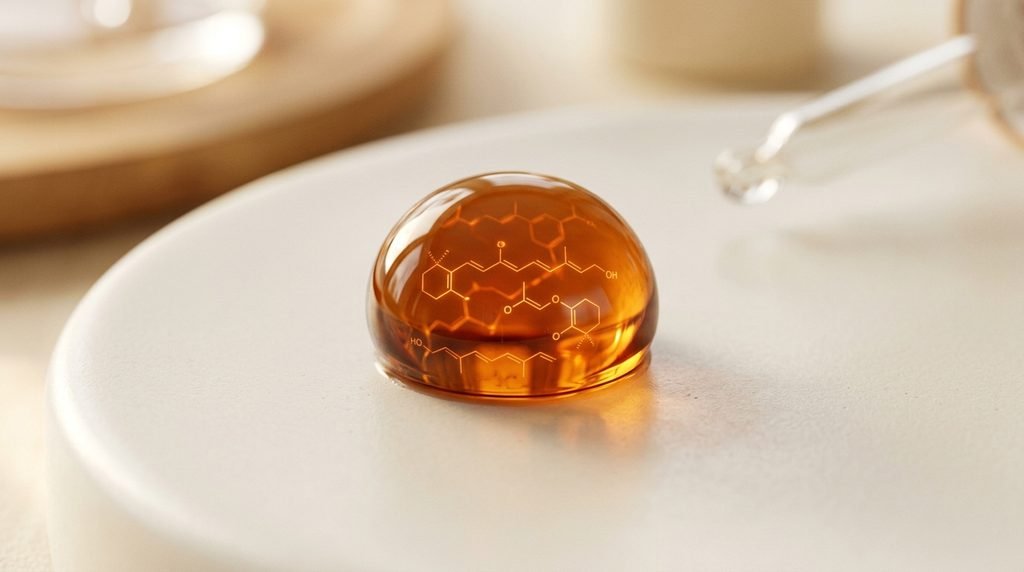
Retinol and its derivatives should generally be reserved for nighttime use for two primary reasons. First, raw retinol molecules are unstable under UV light; sunlight rapidly degrades the compound, rendering it inactive before it can penetrate the skin. Second, retinoids stimulate cell renewal, bringing fresh, thin epithelial cells to the surface. This temporarily increases skin sensitivity to sunlight, raising the risk of sunburn if applied before UV exposure.
Can You Use Vitamin C at Night?
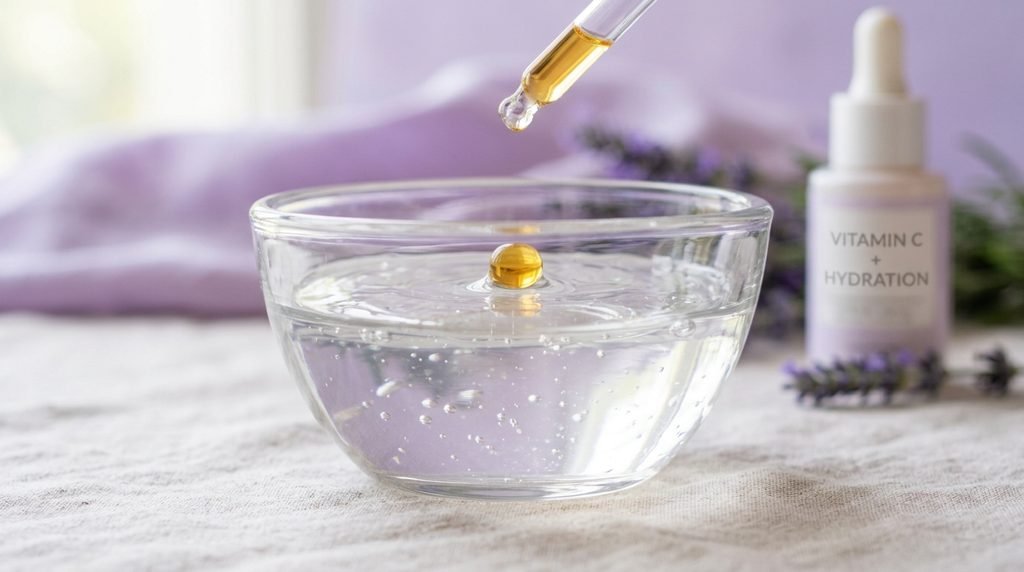
Yes. While L-Ascorbic Acid works exceptionally well in the morning alongside SPF, its antioxidant properties also help clean up leftover oxidative damage during sleep. However, if your night routine already features strong exfoliating acids or retinoids, layering Vitamin C at night may cause unnecessary irritation due to low pH levels.
Understanding these chemical behaviors makes it easier to establish a safe morning and night skincare routine order that minimizes redness and maximizes efficacy.
How to Layer Your AM and PM Serums Correctly
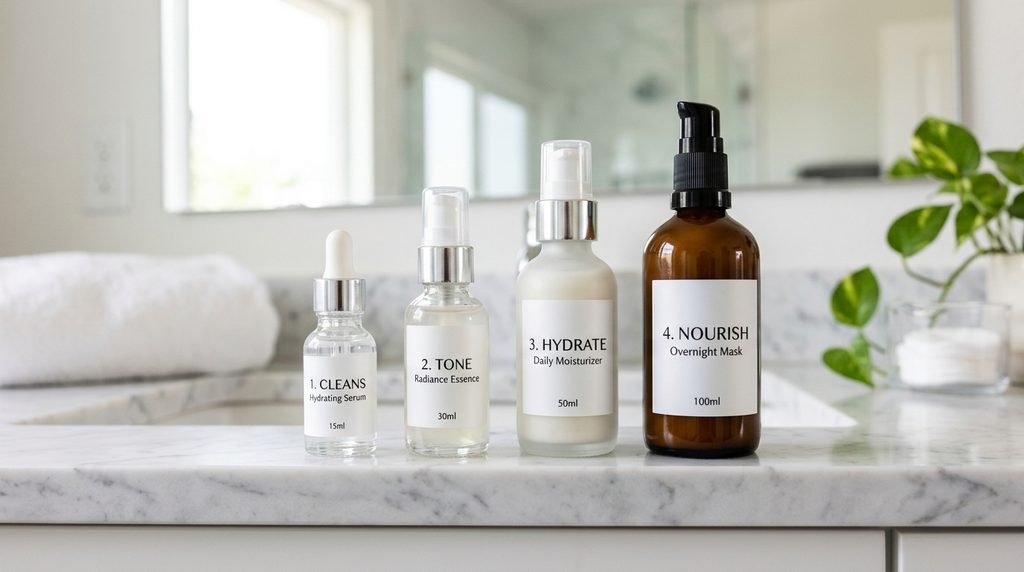
Applying serums in the wrong order can restrict ingredient absorption or cause product “pilling” on the skin’s surface. A reliable rule of thumb is to apply products in order of consistency, moving from the thinnest water-based fluids to the thickest oils or creams.
Morning Layering Sequence
- Gentle Cleanser: Wash away overnight oils and excess product.
- Water-Based Antioxidant Serum: Apply Vitamin C or Niacinamide directly to clean, dry skin.
- Hydrating Serum (Optional): Layer Hyaluronic Acid onto damp skin if extra moisture is needed.
- Lightweight Moisturizer: Seal in hydration with a gentle emulsion.
- Broad-Spectrum Sunscreen (SPF 30+): Non-negotiable final step to lock in defense.
Nighttime Layering Sequence
- Double Cleanse: Remove sunscreen, makeup, and daily pollutant buildup.
- Treatment / Repair Serum: Apply Retinol or Exfoliating Acids to completely dry skin to lower penetration sting.
- Barrier / Hydration Serum: Layer Peptides, Hyaluronic Acid, or Niacinamide to soothe the skin.
- Nourishing Night Cream: Apply a lipid-rich moisturizer to support overnight recovery.
To refine your application sequence further and avoid product pilling, consult our complete guide on How to Layer Skincare.
Conclusion
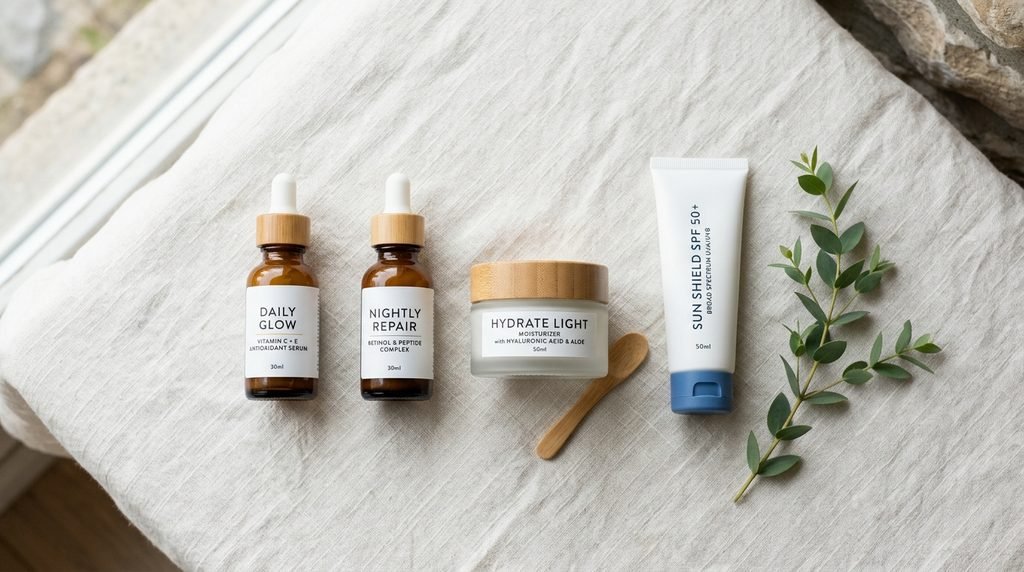
Structuring a thoughtful skincare routine isn’t about buying dozens of bottles—it’s about giving your skin the right support at the right time. Your morning serums should center on defense, shielding your skin from environmental stress with bright antioxidants like Vitamin C. Your nighttime serums should focus on repair, leveraging cell-renewing retinoids, peptides, and barrier lipids while your body rests. By respecting your skin’s natural circadian rhythm, you minimize irritation and create a sustainable path toward a healthy skin barrier. Review your current shelf today, adjust your AM and PM order, and give your skin the balanced care it needs.
FAQ Section
Q: Do I really need separate serums for morning and night?
A: Not strictly, but it is highly beneficial. Morning serums focus on shielding skin from environmental stress and UV exposure using antioxidants like Vitamin C. Nighttime serums focus on cell regeneration using actives like retinol or hydroxy acids, which work best during sleep and can degrade or cause sun sensitivity during daylight hours.
Q: Can you use Vitamin C serum at night?
A: Yes, Vitamin C can be used at night to repair cumulative oxidative stress from the day. However, it is most effective in the morning because it works synergistically with your sunscreen to neutralize free radicals caused by sunlight and pollution before they cause damage.
Q: Can you use retinol in the morning if you wear sunscreen?
A: It is generally not recommended. Retinol breaks down rapidly when exposed to ultraviolet light, making it significantly less effective. Additionally, retinoids increase photosensitivity, making your skin more susceptible to sun damage even if you wear sunscreen. It is safest and most effective when applied at night.
Q: What serums should not be used together in the same routine?
A: Avoid pairing strong retinoids with high-concentration alpha or beta hydroxy acids (AHAs/BHAs) in the same application, as this combination can disrupt your skin barrier. Likewise, combining pure L-Ascorbic Acid (Vitamin C) with strong exfoliants or retinoids simultaneously can trigger severe irritation and peeling.
Q: How long should I wait between applying different serums?
A: You usually only need to wait 30 to 60 seconds between serum layers, allowing each product to absorb until the skin feels tacky rather than wet. However, when applying retinoids or strong acids, waiting 3 to 5 minutes on completely dry skin helps reduce potential sting and irritation.
Q: Why does skincare order change between morning and night routines?
A: Skincare order shifts because daytime routines prioritize surface protection and light hydration beneath sunscreen, while nighttime routines prioritize deep penetration of corrective actives without environmental interference. Adjusting your application order ensures active ingredients perform optimally without causing friction, pilling, or barrier stress.