Executive Summary

Collagen serves as the fundamental structural protein responsible for keeping skin firm, smooth, and resilient. Around your mid-to-late 20s, natural collagen production begins a gradual decline, dropping by roughly 1% each year. This post breaks down the visible signs of collagen loss—including fine lines, loss of elasticity, and slower skin recovery—alongside a realistic age timeline. You will learn the primary environmental accelerators like UV exposure and sugar intake, how collagen differs from elastin, and what topical skincare can (and cannot) realistically achieve to support your skin’s structural integrity.
Hook-Up Paragraph
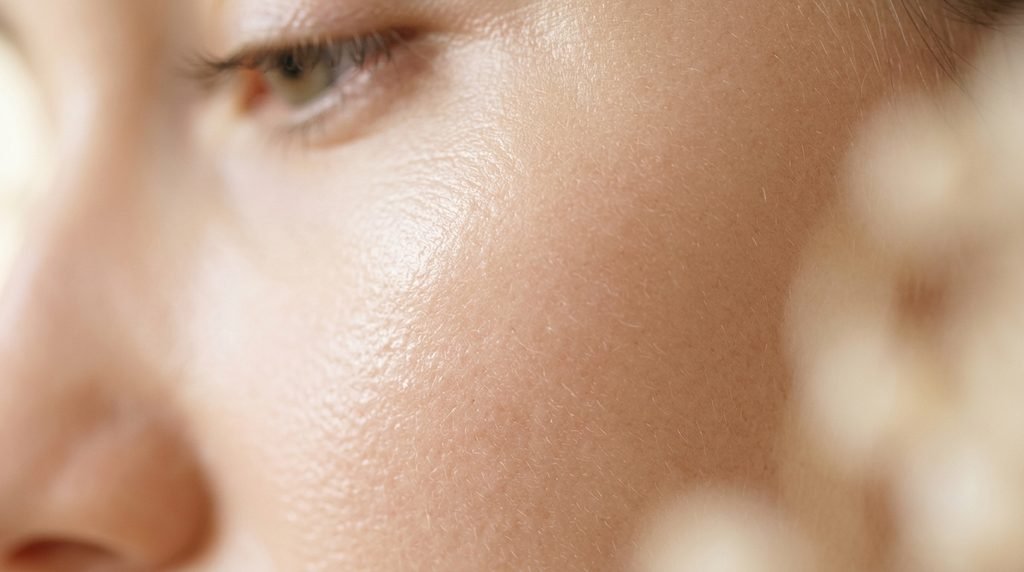
Have you noticed your skin taking just a little longer to bounce back after a long night, or spotted subtle lines forming around your eyes that seem to linger? You are not imagining it. Collagen acts as the internal scaffolding that keeps skin plump and springy, but its natural production quietly shifts into lower gear earlier than most people realize. Understanding what happens when collagen drops empowers you to make proactive, smart skincare decisions rather than falling for overpromised miracles. Here is the science-backed breakdown of how collagen loss unfolds, why it happens, and how to effectively support your skin for long-term health.
The Science of Collagen: What Happens as Levels Decline

Collagen makes up roughly 75% to 80% of your skin’s dry weight. It resides primarily in the dermis—the middle layer of skin—where it forms a dense network of fibers alongside micro-vessels, hyaluronic acid, and structural proteins. Think of collagen as the mattress springs that maintain structural volume, while hyaluronic acid fills the spaces like a hydrating sponge.
When collagen synthesis slows down, the structural integrity of the dermis weakens. The supportive mattress springs begin to loosen, causing the overlying skin surface to thin out. As a result, skin loses its ability to remain smooth under mechanical movement, making fine lines and creases gradually more persistent over time.
| Aspect | Healthy Collagen Matrix | Depleted Collagen Matrix |
| Dermal Density | Thick, tightly woven fiber network | Thin, fragmented structural matrix |
| Surface Bounce | Rapid bounce-back after pressure | Slower recovery and lingering indentations |
| Moisture Retention | Holds hydration effectively | Prone to transepidermal water loss |
| Texture | Smooth, firm, and resilient | Crepey appearance, visible fine lines |
Visible Signs of Collagen Loss to Watch For
Recognizing collagen loss early allows you to adapt your routine before deep structural changes occur. Because the degradation happens gradually beneath the surface, initial signs are often subtle.
- Loss of Firmness and Elasticity: Skin feels slightly looser, especially around the cheekbones and jawline, where gravity exerts constant pressure.
- Persistent Fine Lines: Expression lines around the eyes (crow’s feet) and mouth remain visible even when your face is completely relaxed.
- Crepey Skin Texture: Skin on the neck, delicate eye area, and back of the hands appears thinner and resembles tissue paper.
- Slower Wound and Blemish Recovery: Minor scratches, blemishes, or post-inflammatory marks take noticeably longer to heal completely.
- Increased Pore Visibility: As the dermal matrix surrounding pores loses firmness, pores appear larger and less supported.
Collagen Decline Timeline: What Happens by Age
Collagen loss is a natural biological progression, but the rate of loss changes significantly across different decades of life.
In Your 20s: The Subtle Shift
During your early to mid-20s, collagen production drops by approximately 1% per year. Cell turnover remains efficient, so skin typically stays radiant, but subtle dehydration or slight fatigue around the eyes may begin to show after stressful periods.
In Your 30s: Early Structural Changes
By your 30s, the cumulative 1% annual drop starts manifesting visibly. Dermal support weakens, leading to faint expression lines. Skin cell renewal slows down, making skin slightly less resilient to environmental stressors like pollution and sleep deprivation.
In Your 40s and Beyond: Accelerated Breakdown
In your 40s, collagen breakdown outpaces synthesis significantly. For women, the shift accelerates dramatically during perimenopause and menopause, with research showing skin loses up to 30% of its collagen during the first five years of menopause due to falling estrogen levels.
Key Factors That Accelerate Collagen Breakdown Beyond Aging

While age-related decline is inevitable, environmental and lifestyle factors account for a massive portion of premature collagen degradation.
       [ Lifestyle & Environmental Stressors ]
                          │
     ┌────────────────────┼────────────────────┐
     ▼                    ▼                    ▼
[ UV Radiation ]    [ High Sugar ]     [ Stress & Smoke ]
(Photoaging/MMPs)    (Advanced Glycation) (Free Radical Damage)
     │                    │                    │
     └────────────────────┼────────────────────┘
                          ▼
            [ Rapid Collagen Breakdown ]
- Unprotected UV Exposure (Photoaging): Sunlight triggers enzymes called matrix metalloproteinases (MMPs) that actively break down collagen fibers in the dermis. UV radiation remains the single largest cause of premature skin aging.
- Advanced Glycation End-Products (AGEs): High sugar diets lead to glycation, a process where sugar molecules attach to collagen fibers. This causes the once-flexible fibers to become stiff, brittle, and prone to breaking.
- Chronic Stress and High Cortisol: Elevated cortisol levels impair skin barrier function and disrupt natural collagen synthesis mechanisms.
- Smoking and Environmental Pollution: Tobacco smoke and airborne toxins generate free radicals that oxidatively damage skin cells and suppress new collagen formation.
Collagen vs. Elastin: Resolving the Common Confusion

It is easy to confuse collagen and elastin, as both are crucial structural proteins found within the dermis. However, they serve distinctly different functions in maintaining youthful skin architecture.
- Collagen Provides Tensile Strength: Think of collagen as the concrete foundation of a building. It provides structural volume, firmness, and resistance to stretching.
- Elastin Provides Elastic Recoil: Think of elastin as a rubber band. It allows skin to stretch when you smile or frown and snap right back into its original shape immediately.
While collagen loss leads to thinning and structural hollows, elastin degradation leads to saggy, drooping skin that lacks bounce. Both proteins require protection from oxidative stress to keep skin functioning at its best.
Can Skincare Actually Boost Collagen Production?

The short answer is yes, but with an important scientific caveat. Topical collagen molecules themselves are too large to penetrate the outer skin barrier (the stratum corneum). Applying a collagen cream hydrates the surface nicely, but it does not add new collagen directly into your dermis.
To truly support collagen synthesis, topical routines must rely on targeted active ingredients that signal dermal fibroblasts to create new fibers or protect existing ones:
- Retinoids (Vitamin A derivatives): The gold standard for stimulating fibroblast activity and increasing dermal collagen density over consistent use.
- Topical Peptides: Cell-communicating short-chain amino acids that act as messengers, telling skin cells to repair damaged structural networks. (Read more in our detailed guide on Peptides for Collagen Support).
- L-Ascorbic Acid (Vitamin C): A non-negotiable essential cofactor in collagen synthesis. Without adequate Vitamin C, enzymes cannot bind collagen molecules into stable fibers. (Explore our complete breakdown on Vitamin C Serum Benefits).
For authoritative scientific consensus on dermal fiber breakdown and photoprotection standards, consult the American Academy of Dermatology Association guidelines on skin aging.
Conclusion
Understanding what happens when collagen drops helps transform your approach to skincare from reactive damage control to intelligent, long-term support. While natural biological decline is a normal part of life, combining daily broad-spectrum sun protection with targeted topicals—like vitamin C, retinoids, and signaling peptides—allows you to safeguard your skin’s structural foundation effectively. Focus on consistent, science-backed habits rather than quick fixes to keep your skin feeling resilient and healthy. Start today by reviewing your sun care routine and evaluating where targeted active ingredients can best support your skin goals.
FAQ Section

Q: At what age does collagen production start to decrease?
A: Collagen production naturally starts to drop in your mid-to-late 20s at a rate of approximately 1% per year. External factors like unprotected sun exposure, high stress, and smoking can cause this decline to begin even earlier or progress more rapidly.
Q: Can you fully rebuild lost collagen in your skin?
A: You cannot fully reverse collagen loss to match the density of youthful skin, but you can significantly slow down breakdown and support new synthesis. Active topical ingredients, consistent sun protection, and a nutrient-rich diet help optimize natural production mechanisms.
Q: What is the difference between collagen and elastin?
A: Collagen provides skin with structure, firmness, and tensile strength, acting like an internal framework. Elastin allows the skin to stretch and bounce back to its original shape. Both proteins work together in the dermal layer to maintain firm, resilient skin.
Q: Does taking collagen supplements really improve skin firmness?
A: Oral hydrolyzed collagen peptides break down into amino acids during digestion, which the body can then use to support various connective tissues. Research suggests consistent use over 8 to 12 weeks may aid hydration and elasticity, though results vary individually.
Q: Do topical collagen creams work to replace lost collagen?
A: Topical collagen molecules are too large to penetrate the skin barrier and enter the dermis. While collagen creams offer excellent surface hydration and plumping benefits, they do not directly add collagen to the structural layers beneath your skin surface.
Q: Does Vitamin C help with collagen production?
A: Yes, Vitamin C is an essential chemical cofactor for the enzymes responsible for stabilizing collagen molecules. Without adequate Vitamin C, the body cannot effectively synthesize stable collagen fibers, making topical L-ascorbic acid a powerful addition to aging-well routines.