Executive Summary
Hyperpigmentation is a broad umbrella term describing any condition where skin produces excess melanin, resulting in dark spots or patches. Melasma is a specific, chronic subtype of hyperpigmentation driven primarily by hormonal fluctuations and UV exposure. While common hyperpigmentation (like sun spots or acne marks) affects localized areas and resides mainly in the upper skin layers, melasma typically appears as symmetrical, map-like patches across the face. Treating melasma requires a targeted approach, as harsh treatments can worsen the condition. This guide breaks down the core visual differences, root causes, effective ingredients like tranexamic acid, and essential sun protection strategies to help you manage your skin safely and effectively.
Decoding Dark Spots: Understanding the Core Difference
Seeing dark patches on your face can feel overwhelming, especially when every product promises a quick fix. To get real results, you first need to identify what you are dealing with. A common misconception is treating melasma and standard hyperpigmentation as the exact same issue. While all melasma is hyperpigmentation, not all hyperpigmentation is melasma.
Hyperpigmentation is an overarching umbrella term. It refers to any scenario where the skin overproduces melanin—the pigment responsible for skin color—leading to flat areas that appear darker than your natural skin tone. This category includes post-inflammatory hyperpigmentation (PIH) from old breakout spots, solar lentigines (sun spots), and age spots.
Melasma, on the other hand, is a very distinct, complex form of hyperpigmentation. It is a chronic pigment disorder heavily influenced by internal factors like hormones, as well as external triggers like ultraviolet (UV) radiation and visible heat. Recognizing this distinction is the single most critical step in choosing the right topical care and preventing stubborn discoloration from worsening over time.
Melasma vs. Regular Hyperpigmentation: Key Comparison
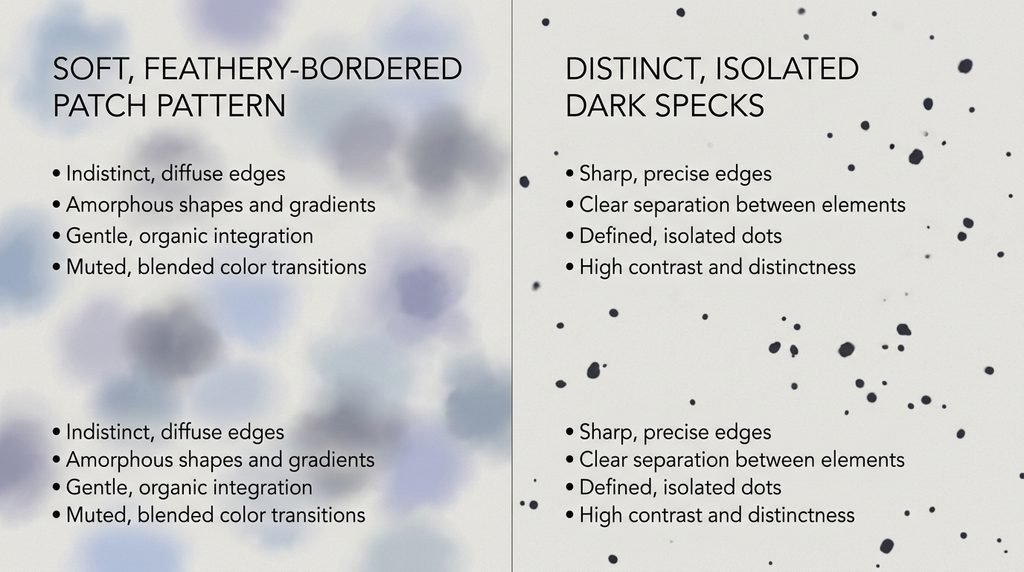
To simplify the diagnostic process, it helps to look at how these conditions present on the skin. Regular hyperpigmentation often shows up as scattered, isolated spots with distinct borders, usually located precisely where an injury or sun exposure occurred.
Melasma behaves differently. It forms larger, confluent patches with diffuse, feather-like borders. Crucially, melasma is almost always symmetrical, appearing evenly on both sides of the face—such as across both cheeks, the bridge of the nose, the forehead, or the upper lip.
| Feature | Melasma | Standard Hyperpigmentation (Sun Spots / PIH) |
| Primary Root Cause | Hormonal shifts (estrogen/progesterone) combined with UV/heat exposure | Localized trauma (acne, cuts) or cumulative UV damage |
| Pattern & Shape | Symmetrical, map-like patches with feathery borders | Isolated spots, freckles, or marks with defined edges |
| Common Locations | Forehead, cheeks, upper lip, bridge of nose (centrofacial pattern) | Anywhere on the face or body exposed to sun or previous injury |
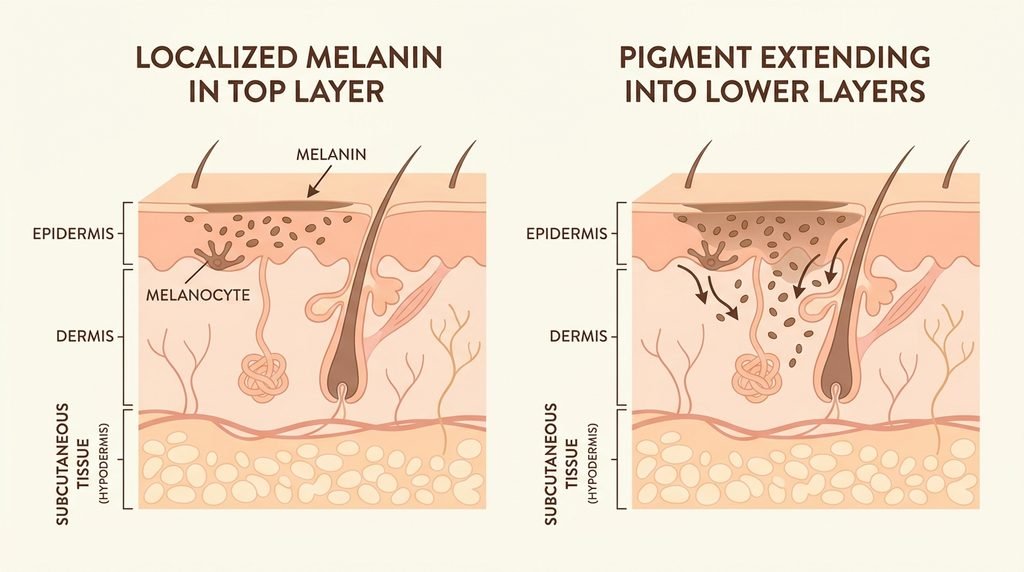
| Depth in Skin | Epidermal, dermal, or mixed (deeper and harder to target) | Primarily superficial epidermal pigment |
| Recurrence Risk | High; chronic condition triggered easily by sun or heat | Low to moderate once the underlying spot is faded |
(For a deeper look at general dark spot causes, explore our detailed guide on [Understanding Hyperpigmentation Basics]).
Why Is Melasma Called the “Mask of Pregnancy”?

The phrase “mask of pregnancy” (medically referred to as chloasma) comes from the characteristic way melasma wraps across the central features of the face during pregnancy. Up to 70% of pregnant individuals experience some degree of this pigmentation shift, making it one of the most recognized dermatological changes during gestation.
The biological driver behind this phenomenon is a sudden spike in systemic hormones—specifically estrogen and progesterone. These hormones stimulate melanocytes (the pigment-producing cells in the skin) to produce significantly more melanin when exposed to light.
Other hormonal triggers include:
- Starting or changing oral contraceptive pills
- Hormone replacement therapy (HRT)
- Underlying endocrine fluctuations (such as thyroid imbalances)
Because these internal signals keep melanocytes in a heightened state of reactivity, even brief exposure to daylight can cause significant pigment flare-ups.
How Melasma Behaves on Deeper Skin Tones

Melasma affects people of all background backgrounds, but it is substantially more prevalent in medium to deep skin tones (Fitzpatrick skin types III through VI). Individuals of Latino, Hispanic, Asian, Mediterranean, Middle Eastern, and African descent produce more active baseline melanin, making the pigment response faster and more intense.
In deeper skin tones, melasma can present unique challenges:
- Dermal Pigment Depth: Discoloration often sits deeper within the skin layer (dermal pigment), giving the patches a grayish, bluish, or deep brown hue that requires patient, long-term topical management.
- Higher Risk of Rebound Hyperpigmentation: Overly aggressive treatments—such as strong chemical peels or high-heat laser therapies—can backfire on melanin-rich skin. Instead of removing pigment, intense heat can cause thermal irritation, resulting in severe post-inflammatory hyperpigmentation on top of existing melasma.
Gentle, non-inflammatory brightening strategies are crucial for darker complexions to avoid triggering secondary pigment responses.
Is Melasma Permanent? What to Expect

A frequent question regarding melasma is whether it can be permanently cured. The realistic answer is that melasma is typically a chronic, recurring condition rather than a one-time issue you fix and forget. While individual patches can be faded significantly until the skin looks clear, the underlying tendency for melanocytes to overproduce pigment remains.
Understanding this helps establish an effective management mindset:
[Hormonal Signal / UV Exposure] ➔ [Melanocyte Activation] ➔ [Pigment Formation]
                                                                  │
                                      ┌───────────────────────────┴───────────────────────────┐
                                      ▼                                                       ▼
                       Topical Brighteners & Daily SPF                         Unprotected Sun / High Heat
                       (Pigment Fades / Controlled)                            (Melasma Recovers / Flares)
Because melasma is prone to seasonal flare-ups—often worsening during summer months and easing in winter—success comes from consistent, daily maintenance rather than chasing aggressive, high-risk quick fixes.
Effective Treatment Ingredients for Melasma
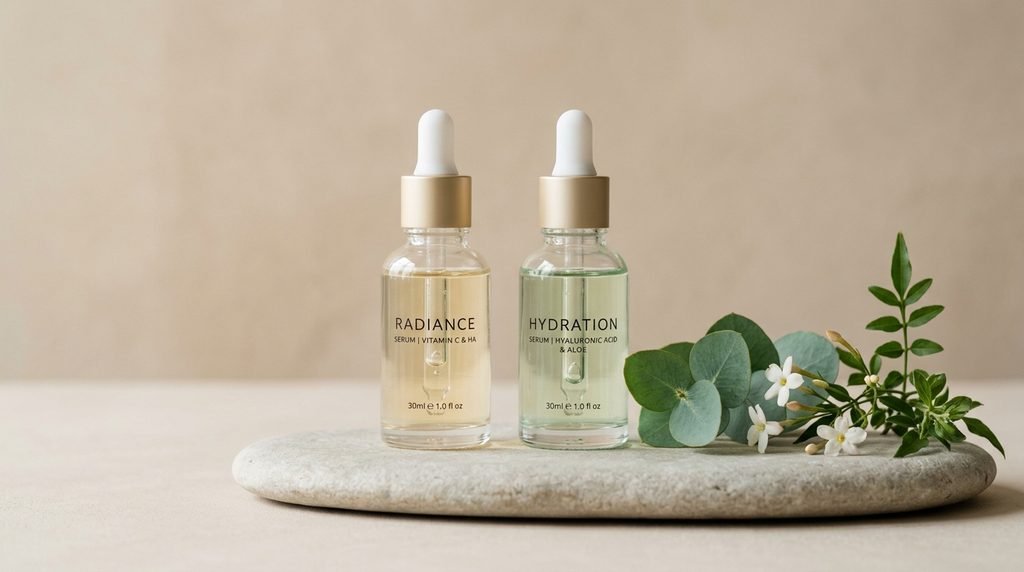
Formulating a routine for melasma requires ingredients that regulate melanin production without causing thermal or chemical irritation. Two ingredients stand out for their efficacy and gentle nature:
1. Tranexamic Acid
Originally used in medicine to help with blood clotting, topical tranexamic acid (typically at 2% to 5% concentrations) has become a gold-standard skincare ingredient for stubborn discoloration. It works by inhibiting the interaction between skin cells (keratinocytes) and melanocytes, effectively blocking the inflammatory cascade triggered by UV rays and hormones. (Read our full breakdown on [Tranexamic Acid vs. Vitamin C] to see how to layer them).
2. Azelaic Acid
Derived naturally from grains, azelaic acid (10% over-the-counter or 15–20% prescription strength) selectively targets hyperactive, abnormal melanocytes while leaving normal skin pigment alone. It also provides mild anti-inflammatory benefits, making it an excellent multi-tasking choice for individuals managing both breakouts and melasma simultaneously. (Learn more in our guide to [Azelaic Acid Explained]).
For persistent or deep dermal melasma, consulting a board-certified dermatologist for prescription-strength options (such as short-term hydroquinone therapy or low-dose oral tranexamic acid) is highly recommended. (Refer to the Journal of Clinical and Aesthetic Dermatology for clinical studies regarding topical pigmentation therapies).
Why Sunscreen Matters More for Melasma Than Other Pigmentation
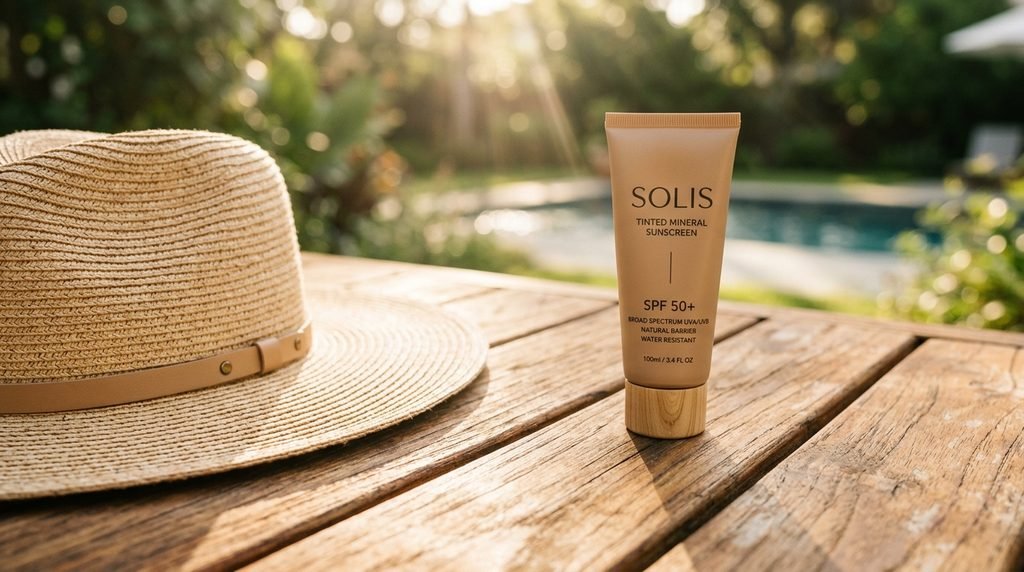
If you do not protect your skin from light exposure, active topical brighteners will yield minimal results. Standard hyperpigmentation from an old acne mark needs basic sun protection to keep the spot from darkening while it naturally fades. Melasma, however, requires extreme vigilance.
Here is why sun protection is non-negotiable for melasma management:
- Sensitivity to Visible Light: Research shows that melasma is triggered not only by ultraviolet rays (UVA and UVB) but also by High-Energy Visible (HEV) blue light emitted by the sun and digital screens.
- The Heat Trigger: Heat itself causes vasodilation (widening of blood vessels), which stimulates pigment formation. Spending time in hot environments—like saunas, hot yoga studios, or near hot stoves—can trigger a flare-up even without direct sunlight.
- The Tinted Mineral Advantage: Broad-spectrum mineral sunscreens containing zinc oxide and iron oxides (found in tinted sunscreens) provide physical barriers that block both UV rays and visible light, offering essential defense against recurring melasma.
Conclusion
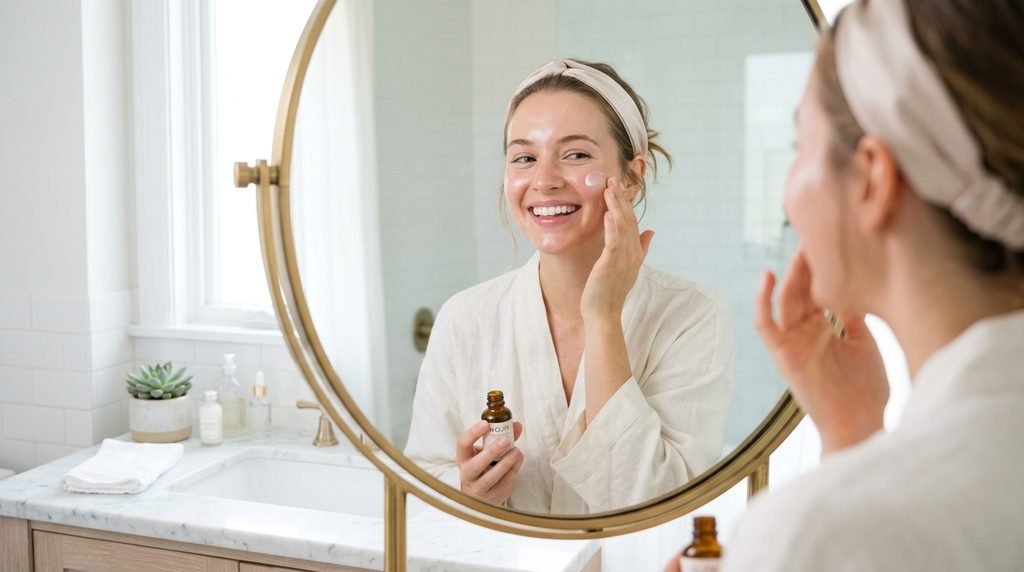
Distinguishing between general hyperpigmentation and melasma is essential for establishing an effective skincare approach. While post-acne marks and sun spots are localized issues that fade with standard brightening ingredients, melasma is a chronic, hormonally driven condition that requires a gentle, deliberate strategy focused on long-term management. By incorporating targeted ingredients like tranexamic acid and azelaic acid alongside daily, broad-spectrum tinted sunscreen, you can visibly fade existing discoloration and minimize future flare-ups.
Take a look at your current skincare routine today: are you protecting your skin with an iron-oxide-tinted mineral sunscreen, or using brighteners that might be causing hidden irritation? Adjusting your daily routine to focus on gentle barrier support and comprehensive light protection will set your skin up for long-term clarity.
FAQ Section

Q: Are melasma and hyperpigmentation the same thing?
A: No, they are not identical. Hyperpigmentation is an overarching term for any skin darkening, including sun spots and acne scars. Melasma is a specific, chronic subtype of hyperpigmentation driven primarily by hormonal shifts and light exposure, usually appearing as symmetrical patches across the face.
Q: Is melasma 100% curable?
A: Melasma cannot be permanently cured, but it can be managed effectively. Because it is a chronic condition tied to hormones and genetics, pigment can resurface with sun exposure or hormonal changes. However, consistency with gentle brightening ingredients and daily broad-spectrum sun protection can keep patches visibly clear.
Q: Can vitamin D reduce melasma?
A: Vitamin D does not directly clear melasma pigment. While maintaining healthy vitamin D levels supports overall skin immunity, taking supplements will not erase hormonal dark patches. Always rely on targeted topical brighteners and strict sun defense rather than relying solely on oral vitamins for pigment correction.
Q: At what age does melasma typically start?
A: Melasma most commonly begins between the ages of 20 and 40, coinciding with peak reproductive years when hormonal fluctuations from pregnancy, oral contraceptives, or natural cycles are most pronounced. It is significantly less common before puberty or after menopause.
Q: Can heat cause melasma even without sun exposure?
A: Yes, heat can trigger melasma. Thermal energy causes blood vessels in the skin to dilate, triggering inflammatory signals that prompt melanocytes to produce excess pigment. Activities like cooking over hot stoves, saunas, and hot yoga can worsen melasma even indoors.
Q: Does dark skin need a specific sunscreen for melasma?
A: Yes, medium to deep skin tones benefit greatly from tinted mineral sunscreens containing iron oxides. Iron oxides physically block visible blue light, which is known to trigger deep pigment production in melanin-rich skin, without leaving an ashy or white residue.