Executive Summary
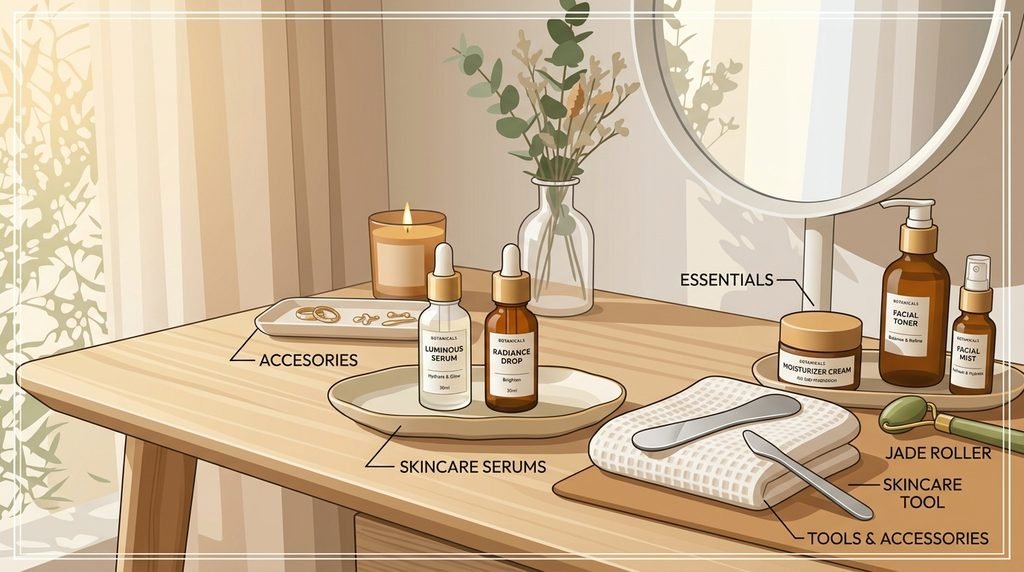
Using multiple serums in a single skincare routine can transform your skin’s texture, hydration, and glow—provided you layer them correctly. Most people can safely layer two serums at once, but doing so without a strategy risks irritation, product pilling, or reduced ingredient absorption. In this guide, you’ll discover the exact rules for layering multiple serums, including the essential thinnest-to-thickest rule, necessary wait times between layers, and which active ingredients work together versus those that clash. We’ve also included a quick-reference ingredient compatibility chart to help you build a safe, balanced routine tailored to your skin’s needs.
The Serum Stacking Secret: How to Layer Without Overwhelming Your Skin
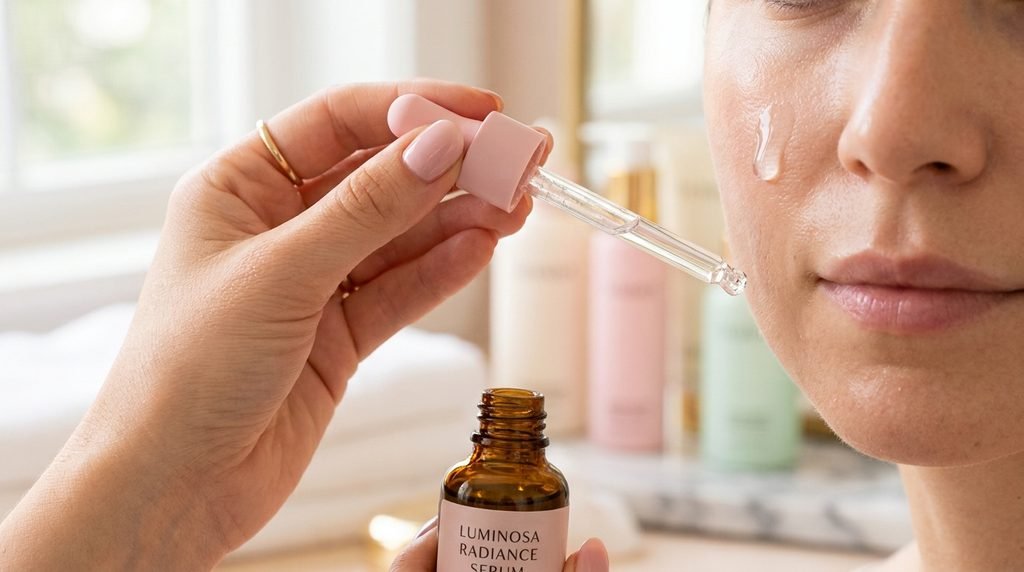
Ever found yourself staring at your bathroom counter, holding two different bottles, wondering: can you use two serums at once? You’re not alone. As target-driven skincare ingredients become everyday household names, stacking treatments has become the fastest way to customize a routine for multiple skin goals—like boosting hydration while fading dark spots.
The short answer is yes: you can generally layer two serums in one routine. However, more active ingredients don’t automatically equal better results. Layering requires a strategic approach; throwing random formulas together can cause uncomfortable redness, weaken your moisture barrier, or cause products to pill off in tiny roll-offs. Understanding product order, absorption timing, and ingredient compatibility ensures every drop of serum yields maximum benefits without compromising skin health.
The Core Rule: Ordering Multiple Serums by Texture
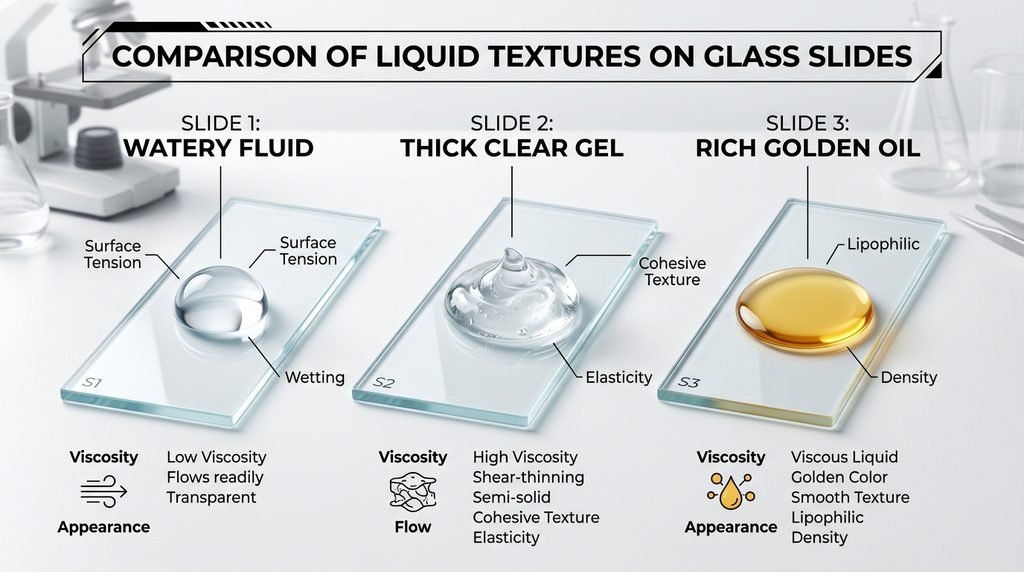
When sequencing your skincare, the gold standard rule is simple: apply products from thinnest to thickest consistency. Serums range from watery liquids to viscous gels and lightweight fluid oils.
Skin absorbs lightweight, water-based formulas far more efficiently when nothing stands between them and your stratum corneum. Applying a heavy, viscous serum first creates an invisible barrier, blocking lighter molecules from penetrating deeply.
┌─────────────────────────────────────────────────────────┐
│              RECOMMENDED LAYERING SEQUENCE              │
├─────────────────────────────────────────────────────────┤
│ 1. Cleanser & Toner/Essence                             │
│ 2. Thinnest Serum (Watery / Liquid Active)              │
│ 3. Thickest Serum (Viscous / Gel-Based Formula)          │
│ 4. Moisturizer (Locks in hydration and active ingredients)│
│ 5. SPF (AM Routine) OR Facial Oil (PM Routine)           │
└─────────────────────────────────────────────────────────┘
For a deeper look into the biological mechanisms behind active absorption, explore our detailed guide on [How Serums Penetrate Skin].
- Step 1: Water-Based Actives: Watery, highly fluid formulas (like simple hydrating fluids) go directly onto clean, slightly damp skin.
- Step 2: Viscous or Gel Formulas: Richer, thicker serums (like dense hyaluronic acid gels or emulsion-style formulas) follow right after.
- Step 3: Oil-Based Formulas: Any serum featuring an oil base belongs at the very end of your serum step, immediately before your moisturizer, as oil seals off skin absorption.
How Long to Wait Between Serum Layers

A common point of confusion in routine design is timing: how long should you wait between applying different serums?
While you don’t need a stopwatch, rushing through application can lead to product pilling—when formulas clump up instead of absorbing. Aim for a 1 to 2 minute wait time between serum applications. This brief interval gives the first layer time to absorb into the upper layers of the skin, preventing formulas from simply sloshing around and diluting each other on the surface.
[Apply Serum 1] ──> Wait 60–120 Secs ──> [Apply Serum 2] ──> Lock with Moisturizer
If your first formula contains a hydration binder like Hyaluronic Acid, applying it to damp skin and allowing it a quick 60-second window to pull in water creates an ideal base for your second serum.
High-Search Combinations: What You Can (and Should) Pair
Combining the right treatments lets you address different concerns simultaneously without triggering irritation. Here are three high-efficacy pairings:
Hyaluronic Acid and Vitamin C Together
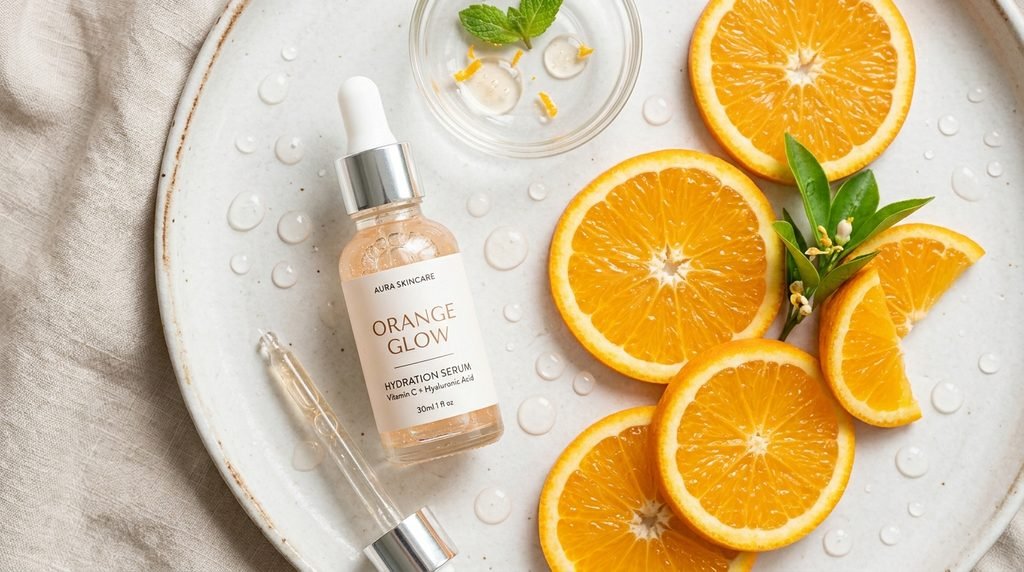
This classic combination works remarkably well for morning routines. Hyaluronic acid supplies surface moisture, while Vitamin C delivers critical antioxidant protection against environmental stressors. Because hyaluronic acid buffers the skin, it can also reduce the light tingling sensation associated with pure L-ascorbic acid.
Retinol and Niacinamide Together
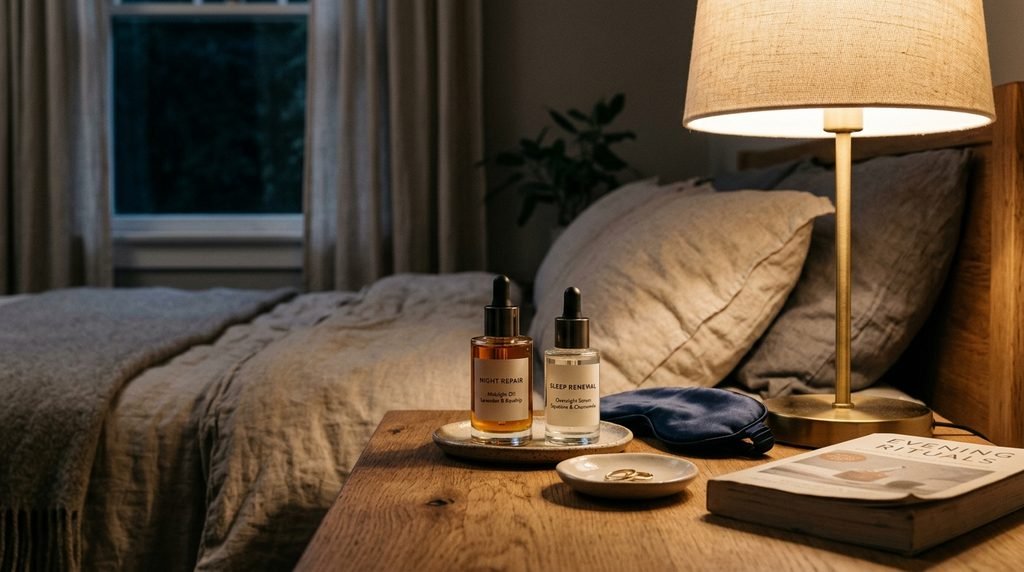
Niacinamide is a natural partner for retinoids. It strengthens the skin barrier, boosts ceramide production, and calms redness—directly offsetting the dryness and peeling often triggered by retinol. Applying niacinamide before or alongside retinol keeps the skin calm and hydrated.
Hyaluronic Acid and Niacinamide Together
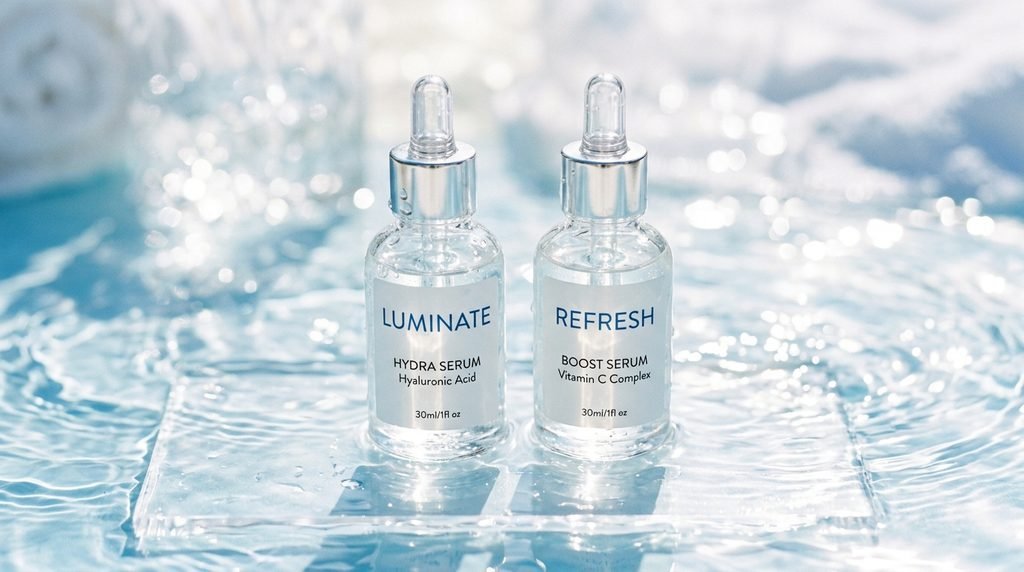
A gentle, universally compatible pair. Together, they soothe, hydrate, and support smooth texture across all skin types, including sensitive or acne-prone skin.
For authoritative safety guidelines and scientific assessments of common cosmetic ingredients, consult the independent database maintained by the Cosmetic Ingredient Review (CIR).
Unsafe Combinations: Serums That Shouldn’t Be Mixed
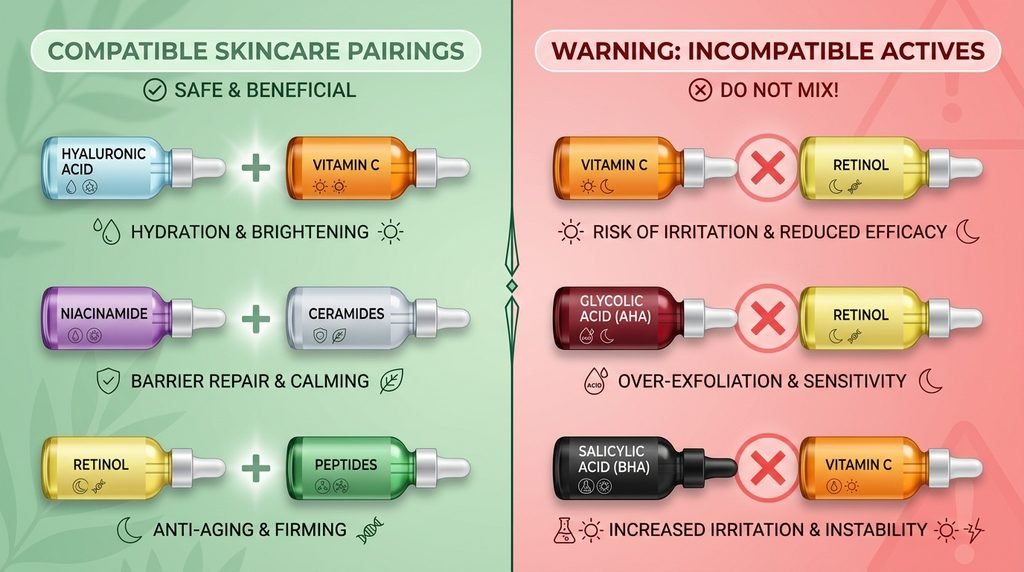
While layering opens up custom options, combining powerful actives recklessly can disrupt your skin barrier.
┌────────────────────────────────────────────────────────────────────────┐
│                        INGREDIENT COMPATIBILITY                        │
├──────────────────────────────┬─────────────────────────┬───────────────┤
│ Active Pair                  │ Status                  │ Best Practice │
├──────────────────────────────┼─────────────────────────┼───────────────┤
│ Vitamin C + Hyaluronic Acid  │ Safe & Effective        │ Layer in AM   │
│ Retinol + Niacinamide        │ Safe & Soothing         │ Layer in PM   │
│ Retinol + Strong Acids (AHAs)│ Caution (Avoid Stacking)│ Alternate Days│
│ Retinol + Benzoyl Peroxide   │ Avoid Direct Layering   │ Split AM/PM   │
└──────────────────────────────┴─────────────────────────┴───────────────┘
Important Safety Distinction: While stacking retinol with strong alpha-hydroxy acids (AHAs like glycolic or lactic acid) increases irritation risks and should generally be avoided in the same session, other combinations are often unfairly labeled as incompatible. For instance, the widely circulated myth that Vitamin C and Niacinamide cancel each other out has been thoroughly debunked by modern formulation standards. For the complete science on that specific pairing, read our dedicated breakdown: [Can You Mix Vitamin C and Niacinamide?].
To keep your skin barrier intact:
- Do not layer Retinol directly with Direct AHAs/BHAs: Stacking potent exfoliants alongside retinoids drastically increases peeling, burning, and compromised barrier function. Alternate them by using acids one evening and retinol the next.
- Avoid multi-acid stacking: Using a glycolic acid serum directly over a high-strength salicylic acid serum often strips natural lipids, leading to reactive breakouts and inflammation.
How Many Serums Is Too Many? (Avoiding “Too Many Actives” Syndrome)
Is there a hard cap on serum application? While applying two serums is usually manageable, hitting three or more often yields diminishing returns.
Applying too many active ingredients simultaneously overloads the skin barrier, increasing sensitization risks and diluting product efficiency. If you find yourself needing four different treatments, consider split-layering (using two specific serums in your AM routine and two different ones in your PM routine) or skin cycling (alternating active nights with recovery nights).
If you are building a routine from scratch, refer to our step-by-step guide on [How to Introduce a New Serum] to introduce actives safely without triggering purge responses.
FAQ Section
Q: Can you use two serums in one routine?
A: Yes, you can safely use two serums in a single routine. To ensure proper absorption, apply the formula with the thinnest, most watery texture first, followed by the thicker or more viscous serum. Always finish with moisturizer to seal both treatments into the skin.
Q: Which two serums cannot be used together?
A: Avoid layering strong exfoliation acids (like glycolic or lactic acid) directly with retinol in the same routine, as this combination significantly increases irritation risk. Instead, alternate using your acid serum on one evening and your retinol serum on the next.
Q: Which serum goes first, hyaluronic acid or niacinamide?
A: Apply whichever formula has the lighter, more fluid texture first. If both serums feature a similar water-gel consistency, apply hyaluronic acid first to damp skin for optimal hydration binding, followed immediately by your niacinamide serum.
Q: In what order should serums be layered?
A: Serums should always be layered from thinnest consistency to thickest consistency. Watery, liquid serums go on clean skin first, followed by gel-based formulas, and ending with oil-based serums before you apply your daily or night moisturizer.
Q: Should I apply moisturizer or serum first?
A: Always apply your serum before your moisturizer. Serums contain concentrated active ingredients formulated with smaller molecules designed to penetrate skin deeply. Moisturizers feature heavier emollients that seal the skin barrier, acting as a top layer that locks the serums in.
Q: How long should you wait between applying different serums?
A: Wait approximately 1 to 2 minutes between applying serum layers. This brief window allows the initial product to absorb into the skin’s surface, preventing formulas from pilling or sliding around when the second layer is applied.
Conclusion

Layering two serums at once is an effective strategy to address multiple skin goals—such as dryness, dullness, or uneven texture—in a single routine. By applying formulas from thinnest to thickest texture, giving each layer 1 to 2 minutes to settle, and pairing compatible active ingredients, you keep your skin barrier healthy while maximizing results. Remember that consistency beats complexity: stick to two well-chosen treatments rather than overloading your skin with too many actives at once.