Executive Summary
Skincare serums are formulated with high concentrations of active ingredients, but expecting overnight transformations usually leads to frustration. The time it takes for a serum to show visible results ranges from immediate hydration within minutes to structural skin improvements taking 12 weeks or longer. Your biological skin cell turnover cycle—which takes roughly 28 days in healthy adult skin—dictates this timeline. Active ingredients like hyaluronic acid deliver instant surface plumping, whereas active molecules targeting pigmentation, fine lines, or texture (like vitamin C, niacinamide, and retinol) require multiple cellular rotation cycles to produce lasting change. Understanding ingredient mechanisms helps set realistic expectations, prevent premature product swapping, and avoid skin barrier damage from overuse.
How Long Does Serum Take to Work? The Real Timeline
When you introduce a new facial serum to your routine, the desire for immediate visual payoff is natural. However, visible skin transformation relies on cellular biology rather than rapid topical magic. On average, most active serums require anywhere from 4 to 12 weeks of consistent daily application to produce noticeable, lasting changes in skin texture, tone, and clarity.
+——————————————————————————-+
| SERUM RESULTS TIMELINE BY INGREDIENT |
+————————–+———————–+—————————-+
| Ingredient | First Visible Effects | Full Peak Results |
+————————–+———————–+—————————-+
| Hyaluronic Acid | 5 to 15 minutes | Immediate surface hydration|
| Niacinamide (Vitamin B3) | 2 to 4 weeks | 8 to 12 weeks |
| Vitamin C (L-Ascorbic) | 4 to 6 weeks | 12 weeks |
| Retinol / Retinoids | 4 to 8 weeks | 12 to 24 weeks |
| Alpha Hydroxy Acids | Overnight to 1 week | 4 to 8 weeks |
+————————–+———————–+—————————-+
The exact rate of progress hinges on the specific active ingredient, its concentration, formulation stability, and how deeply it acts within the epidermal layers. Surface humectants hydrate within moments, whereas ingredients designed to modulate pigment production or stimulate collagen syntheses must wait on deeper skin mechanisms. Changing products every two weeks because “nothing is happening” resets this biological clock every single time.
Why Skincare Results Take Time: The Skin Cell Turnover Cycle
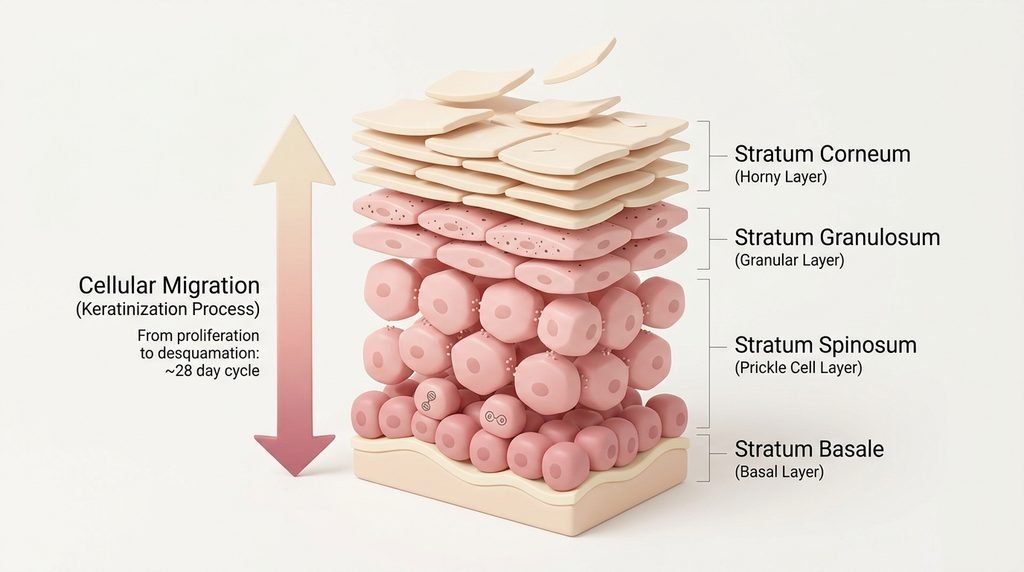
To understand why serums don’t transform skin overnight, you have to look at how your skin replaces itself. The epidermis continuously produces new skin cells (keratinocytes) at its deepest layer, the stratum basale. These cells gradually migrate upward through various layers, maturing and hardening, until they reach the outermost surface (stratum corneum) as dead skin cells that eventually shed off.
                 SURFACE (Stratum Corneum)
                /-------------------------\   <- Dead skin sheds
               /                           \
              /      UPWARD MIGRATION       \  <- Takes 28+ Days
             /      (Cellular Turnover)      \
            /                                 \
           /-----------------------------------\  <- New cells form
                 DEEP (Stratum Basale)
In young, healthy adult skin, this complete cell turnover cycle takes approximately 28 days. As we age, this natural renewal process slows down considerably:
In your 20s: ~21–28 days
In your 30s–40s: ~30–45 days
In your 50s and beyond: 60 to 90 days
When you apply an active ingredient meant to fade hyperpigmentation, smooth uneven texture, or clear congestion, you are conditioning cells that are currently forming deep within the epidermis. Those cells must mature and travel to the surface before you can see the true visual impact. A single 28-day turnover cycle is usually the minimum threshold needed to evaluate an active ingredient’s true baseline efficacy.
For authoritative information regarding epidermal structure and skin histology, refer to educational materials maintained by the American Academy of Dermatology.
Ingredient-by-Ingredient Breakdown: When to Expect Results
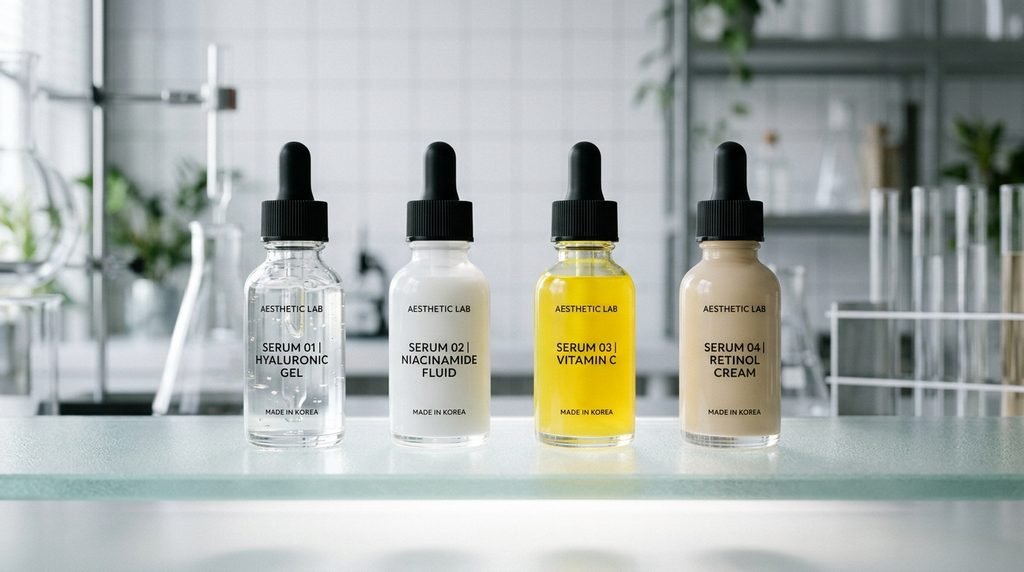
Different ingredients target different layers and biological structures in the skin. Here is what research and clinical observation show regarding real-world timing for common serum actives.
HYALURONIC ACID
├── Surface Hydration ──────────────► [5-15 Minutes]
└── Barrier Support ────────────────► [1-2 Weeks]
NIACINAMIDE
├── Redness & Oil Reduction ────────► [2-4 Weeks]
└── Pore Appearance & Pigment ──────► [8-12 Weeks]
VITAMIN C
├── Natural Surface Radiance ───────► [2-4 Weeks]
└── Fading Dark Spots ──────────────► [8-12 Weeks]
RETINOL
├── Acne & Surface Texture ─────────► [4-8 Weeks]
└── Fine Lines & Firmness ──────────► [12-24 Weeks]
Hyaluronic Acid & Humectants (Immediate to 1 Day)
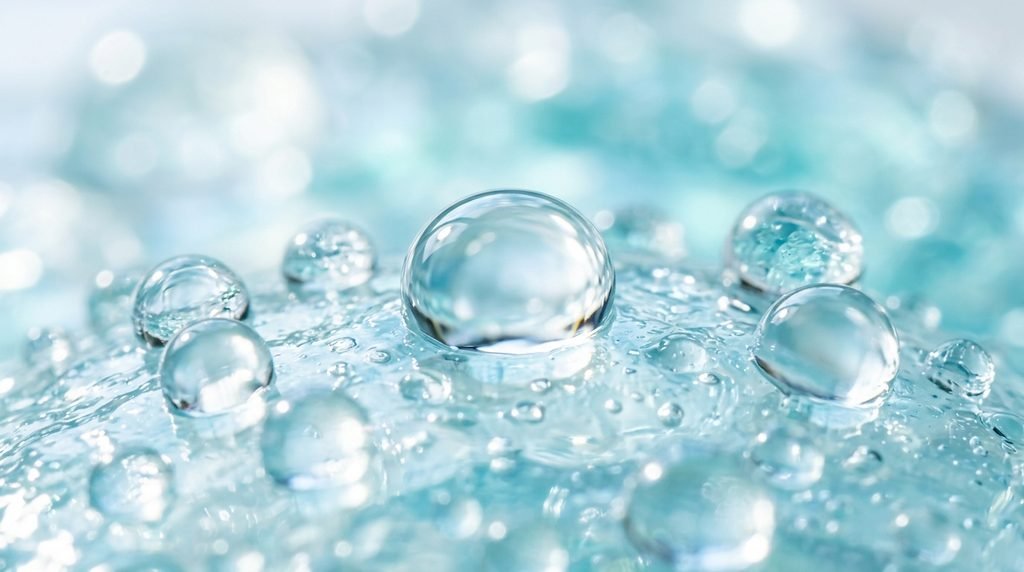
Humectants work by drawing atmospheric moisture into the stratum corneum. Because this mechanism is physical rather than cellular, hyaluronic acid, glycerin, and sodium PCA yield almost instantaneous results. Within minutes, fine dehydration lines appear plumped, and the skin feels softer.
Niacinamide (2 to 4 Weeks)
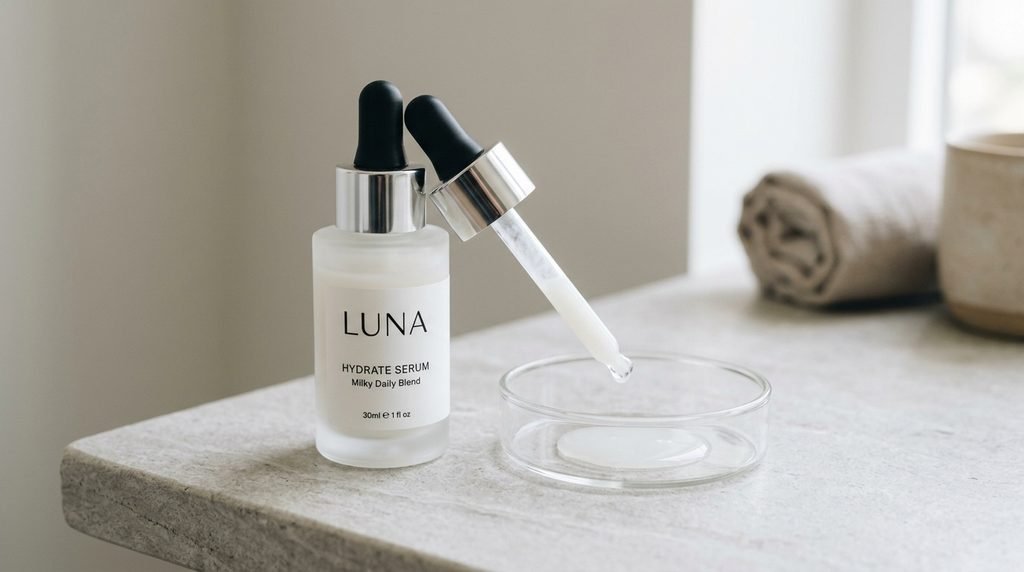
Niacinamide (Vitamin B3) works on multiple fronts: it strengthens the lipid barrier, reduces localized inflammation, and inhibits melanosome transfer to lessen dark spots. You can expect reduced redness and better oil balance within 2 to 4 weeks, while significant improvements in dark spots and overall pore appearance typically require 8 to 12 weeks of daily application.
Vitamin C / L-Ascorbic Acid (4 to 8 Weeks)
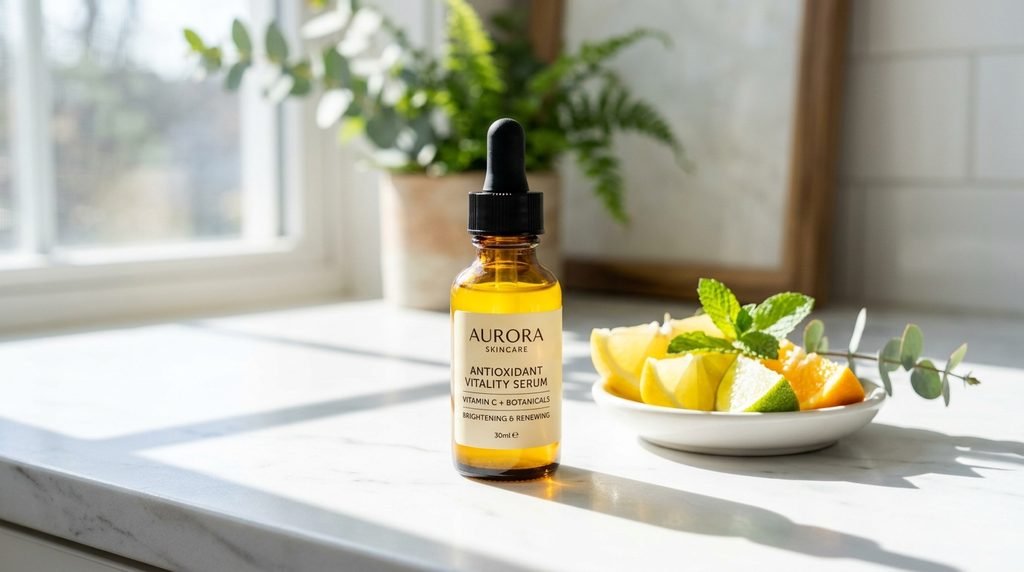
As an antioxidant, vitamin C neutralizes free radicals, brightens skin tone, and inhibits tyrosinase (the enzyme responsible for melanin production). While subtle luminosity might surface around week 3 or 4, significant fading of post-inflammatory hyperpigmentation and sun spots takes 8 to 12 weeks, coinciding with multiple cell turnover cycles.
Retinol and Retinoids (8 to 12+ Weeks)
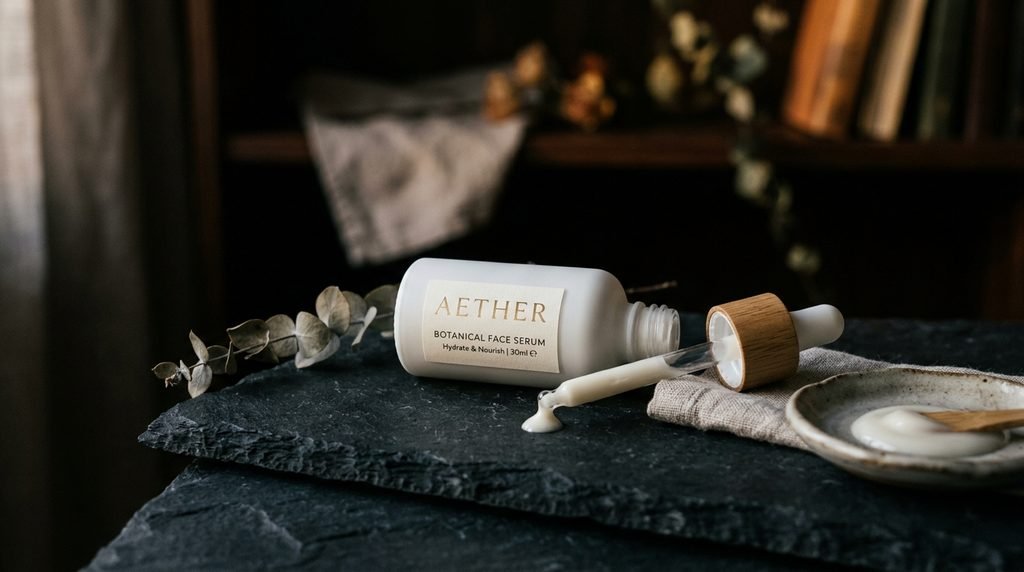
Retinoids accelerate cellular communication and boost collagen synthesis deep within the dermis. While surface exfoliation and purges might occur early on, true structural benefits take time. Initial texture refinement appears around weeks 4 to 8, but substantial softening of fine lines and firming of skin density require 12 to 24 weeks of consistent use.
If you’re building a routine around these actives, check out our internal guide on [How to Layer Skincare Actives Safely] to avoid ingredient conflicts and barrier irritation.
Immediate vs. Long-Term Skin Changes: What Is Happening?
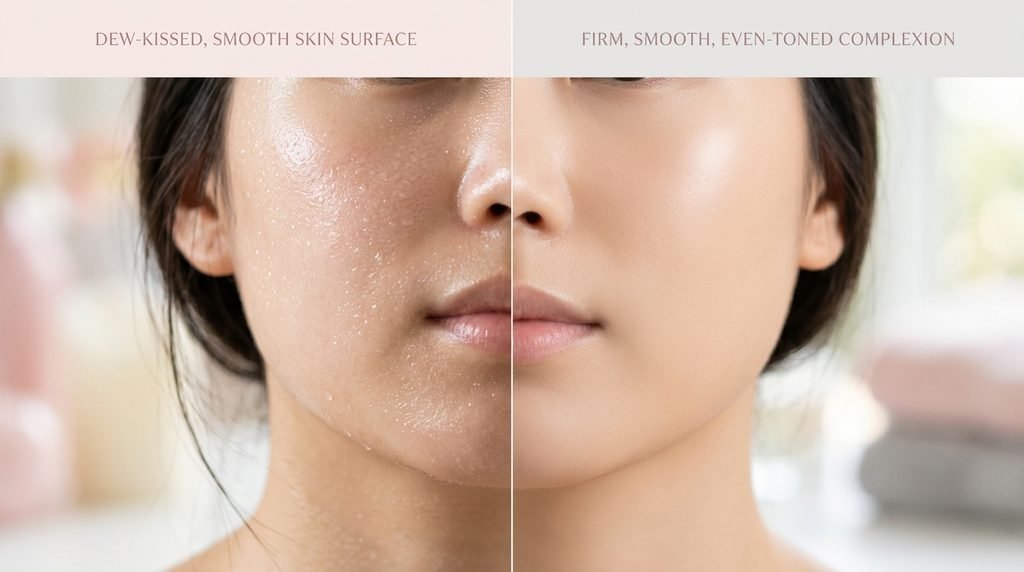
It helps to divide skincare outcomes into immediate surface effects and long-term structural changes. Conflating the two often leads to misleading claims or premature disappointment.
Immediate Effects (Minutes to Hours): Increased hydration, subtle surface radiance, temporary calming of mild redness, and optical smoothing from emollients or light-reflecting minerals.
Medium-Term Effects (2 to 4 Weeks): Smoother tactile texture, balanced sebum production, improved skin barrier resilience, and diminished mild flakiness.
Long-Term Effects (8 to 12+ Weeks): Fading of stubborn hyperpigmentation, visible reduction in breakout frequency, refined pore appearance, and softening of superficial fine lines.
True structural skin health is a marathon, not a sprint. Immediate “glows” are wonderful, but structural changes in collagen and melanin demand time and regular application.
Troubleshooting: Why Isn’t Your Serum Working?
If you have used a serum consistently for 8 to 12 weeks without seeing any visible change, several non-biological factors might be stalling your progress:
Inconsistent Application: Skipping days or applying an active once a week when daily use is required prevents the ingredient from reaching therapeutic levels in the skin.
Formulation Instability: Actives like L-ascorbic acid oxidize rapidly when exposed to light and air. An oxidized serum loses potency and can become irritating.
Low Active Concentration: Some products use “concept ingredients”—adding just enough of an active to list it on the front label, but not enough to yield clinical benefits.
Improper Layering or pH Mismatch: Applying thick, occlusive oils before water-based serums blocks absorption. Similarly, using acidic actives alongside incompatible pH products can deactivate certain molecules.
Unprotected Sun Exposure: If you are using brighteners or retinoids to clear dark spots, skipping daily broad-spectrum sunscreen will undo your progress every time you step outside.
For a deeper dive into identifying formulas that suit your specific skin concerns, read our post on [Understanding Serum Formulations and Active Percentages].
When to Stick with It vs. When to Stop
Patience is essential, but knowing when to discontinue a product is equally vital for skin barrier preservation.
   ARE YOU EXPERIENCING INGREDIENT SIDE EFFECTS?
                         │
        ┌────────────────┴────────────────┐
        ▼                                 ▼
[ Normal Purging ]               [ Barrier Damage ]
┌──────────────────────┐ ┌──────────────────────┐
│ • Small whiteheads │ │ • Persistent stinging│
│ • Pre-existing spots │ │ • Redness & burning │
│ • Resolves in 2-4 wks│ │ • Excessive peeling │
└──────────┬───────────┘ └──────────┬───────────┘
│ │
▼ ▼
( CONTINUE USE ) ( STOP IMMEDIATELY )
Stick with it if: You notice subtle, progressive improvements with no signs of irritation. When starting cell-turnover accelerants like retinoids or acids, mild, short-lived purging (small whiteheads in areas where you normally break out) can occur for 2 to 4 weeks as congestion is pushed to the surface.
Stop immediately if: You experience persistent stinging upon applying gentle products, localized swelling, hot-to-the-touch redness, severe peeling, or breakouts in areas where you normally have clear skin. These are signs of contact dermatitis or an impaired moisture barrier, not beneficial purging.
Conclusion
Understanding how long a serum takes to work comes down to respecting your skin’s biological timeline. While humectants like hyaluronic acid deliver near-instant plumping, true structural transformations—like clearing dark spots with vitamin C, balancing pores with niacinamide, or smoothing fine lines with retinol—require 4 to 12 weeks of steady daily application. Rather than rushing the process or constantly swapping products, prioritize consistent application, protect your results with daily broad-spectrum sunscreen, and give your skin cells the full 28-day turnover cycle they need to show genuine improvement.
Ready to build a streamlined, effective routine? Explore our comprehensive ingredient guides to choose the right serum active for your specific skin goals today.
FAQ Section
Q: Can a serum work overnight?
A: Certain serums provide instant visual improvements overnight, mainly through intense surface hydration or mild superficial exfoliation. Ingredients like hyaluronic acid or lactic acid can make skin look plumper and smoother by morning. However, structural changes like collagen production or pigment reduction require multiple cell turnover cycles lasting 4 to 12 weeks.
Q: How do I know if my serum is actually working?
A: Track progress by taking photos in consistent lighting every two weeks. Early signs include smoother texture, better hydration, and balanced oil production within 2 to 4 weeks. Major concerns like hyperpigmentation, deep congestion, and fine lines require 8 to 12 weeks of evaluation before determining true product efficacy.
Q: What should I do if my serum shows no results after a month?
A: Unless you are using pure hyaluronic acid, one month is often too early to judge results. Most cell turnover cycles require 28 to 45 days. Ensure you apply the product consistently, layer it under moisturizer, use daily broad-spectrum SPF, and give the active 8 to 12 weeks before switching.
Q: Is skin purging normal when starting a new serum?
A: Purging is normal only for serums containing ingredients that accelerate skin cell turnover, such as retinoids, AHAs, BHAs, or L-ascorbic acid. It appears as small breakouts in usual trouble spots and clears within 2 to 4 weeks. Soothing or hydrating serums should never cause purging.
Q: Why do dark spots take longer to fade than dehydration lines?
A: Dehydration affects only the water content of the dead outer skin layer, which can be corrected in minutes with surface humectants. Dark spots involve excess melanin produced deep within the basal layer of the epidermis, requiring full cell turnover cycles to push pigmented cells off the surface.
Q: Does using more serum accelerate results?
A: Applying extra serum does not speed up cell turnover or collagen production; it increases the likelihood of irritation, redness, and barrier breakdown. Skin can only absorb a finite amount of topical product at a time. A pea-to-dime-sized amount applied consistently yields optimal results safely.