Executive Summary
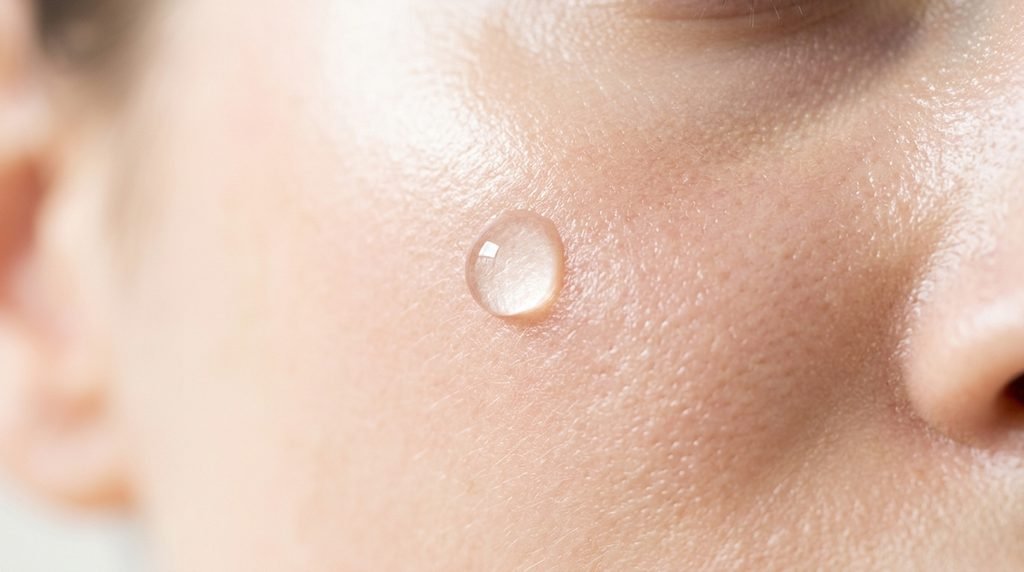
Skincare essences bridge the gap between clearing your skin and treating it. Originating in K-beauty routines, an essence is a lightweight, water-based product formulated to flood the skin with hydration, support skin barrier health, and maximize the absorption of subsequent products. If you have ever wondered where an essence fits into your regimen or if you even need one, this guide breaks down the science behind this hydrating step. We compare essences directly against toners, serums, and ampoules, map out exact layering order, and analyze whether an essence is a necessary step for your specific skin goals.
The Missing Link in Your Skincare Routine
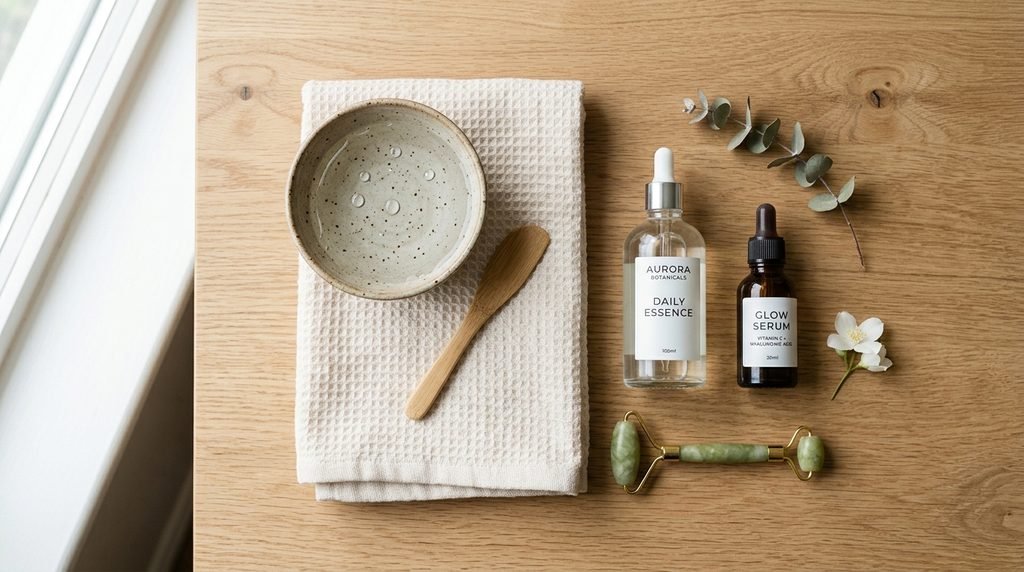
You have cleared your skin with a solid cleanser, and you have got a potent active serum ready to tackle your specific skin concerns. But when you apply that serum directly to dry skin, you might notice it takes a while to sink in, or worse, it causes mild irritation. This is where an essence comes into play.
Rooted in traditional Korean skincare philosophy, a skincare essence is a fluid, water-based step designed to saturate your skin with hydration immediately after cleansing. Rather than treating a single concern with heavy active ingredients, an essence focuses on prepping the skin matrix. Think of your skin like a dry sponge: when completely dry, it repels water and absorbs liquids slowly. When pre-drenched, it instantly drinks up whatever you pour onto it. Adding an essence transforms your routine from a series of isolated steps into an integrated, high-absorption regimen.
       ┌─────────────────────────────────────────────────────────┐
       │                  SKINCARE ESSENCE                       │
       │  (Lightweight, water-based, hydrating & absorption prep) │
       └────────────────────────────┬────────────────────────────┘
                                    │
         ┌──────────────────────────┴──────────────────────────┐
         ▼                                                     ▼
┌─────────────────────────────────┐           ┌─────────────────────────────────┐
│              TONER              │           │              SERUM              │
│  Balanced, watery liquid focused│           │  Targeted, viscous fluid with   │
│  on cleansing residue removal   │           │  high active ingredient density │
│  & restoring surface pH.        │           │  for specific skin concerns.    │
└─────────────────────────────────┘           └─────────────────────────────────┘
Essence vs. Toner vs. Serum: Understanding the Difference
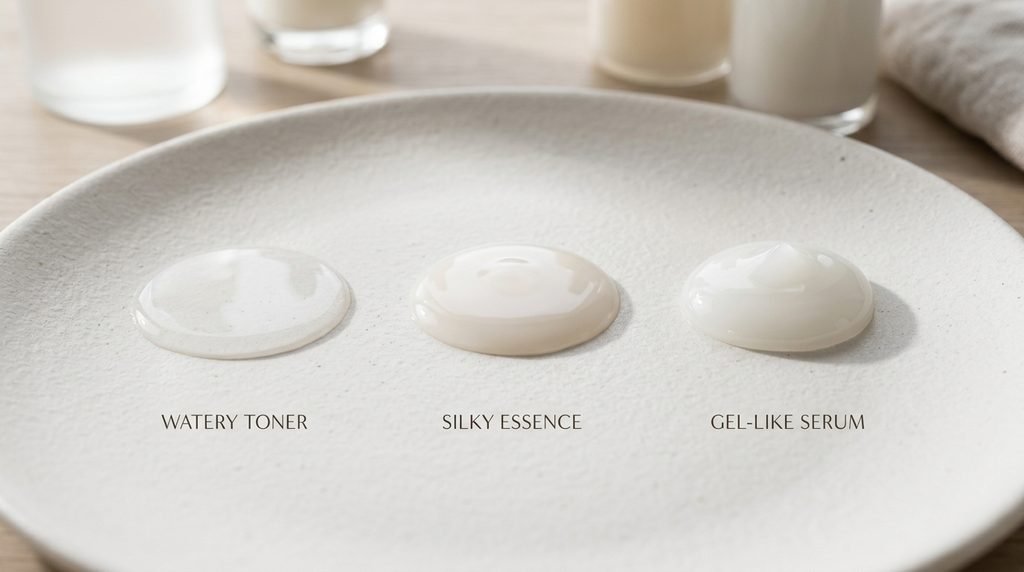
Navigating the cosmetic counter often feels like reading a foreign language. The line between toners, essences, and serums can seem blurry because all three share liquid or semi-liquid textures. However, their primary roles in your skincare routine are distinct.
| Feature | Toner | Essence | Serum |
| Primary Purpose | Cleanses residual debris, balances surface pH | Deeply hydrates, preps skin for absorption | Delivers concentrated actives to target specific concerns |
| Texture | Water-thin, astringent or liquid-light | Silky, slightly viscous liquid, ultra-light | Gel-like, fluid, or lightweight oil |
| Active Concentration | Low to Moderate | Low to Moderate (Focus on hydration) | High (Potent active ingredients) |
| Routine Order | Step 2 (Immediately post-cleanse) | Step 3 (After toner, before serum) | Step 4 (After essence, before moisturizer) |
Historically, Western toners were designed to balance skin pH and strip away leftover soap scum or oil after aggressive cleansing. Modern hydration toners are gentler, but their main job remains resetting the skin surface.
In contrast, an essence delivers watery hydration infused with fermented extracts, humectants (like hyaluronic acid or glycerin), and antioxidants. It works primarily in the upper layers of the epidermis to plump skin cells.
Serums carry a significantly higher concentration of targeted active ingredients—such as pure L-ascorbic acid, retinoids, or niacinamide. Serums address structural concerns like fine lines, hyperpigmentation, or elasticity loss, while essences create the hydrated environment required for those active ingredients to work efficiently. For a deeper look at active ingredients, explore our breakdown on How Serums Penetrate Skin.
What Does a Skincare Essence Actually Do for Your Skin?
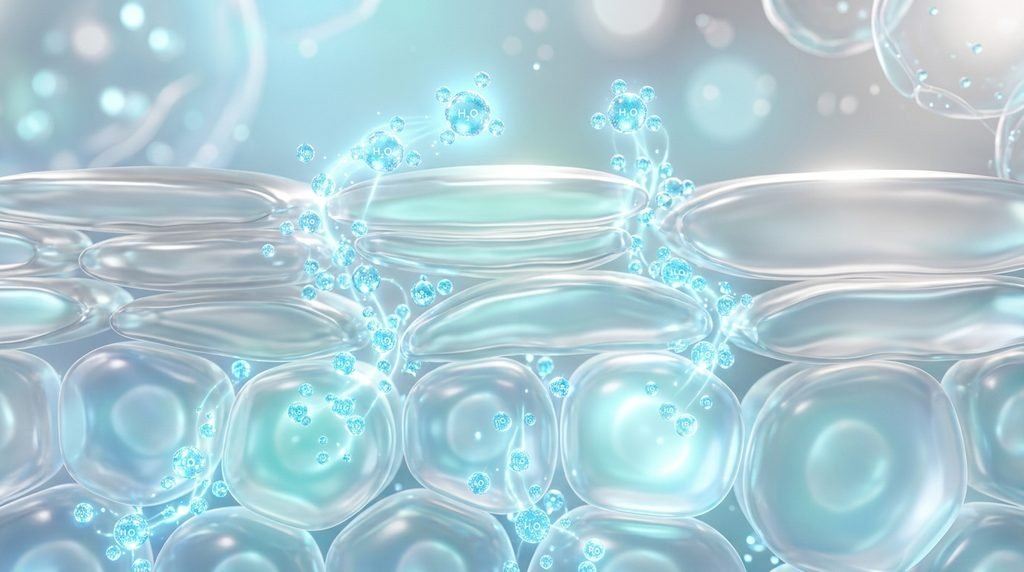
At its core, an essence is an intense hydration vehicle. It provides low-molecular-weight humectants directly to dry skin cells. The science behind this comes down to transepidermal water loss (TEWL) and enzymatic skin function.
When your skin is chronically dehydrated, its outer protective barrier weakens, leading to dullness, micro-flaking, and heightened sensitivity. Applying an essence supplies immediate moisture that binds to surface cells, smoothing out rough texture instantly.
┌─────────────────────────────────────────────────────────────────┐
│                      CORE BENEFITS OF ESSENCE                   │
├────────────────────────────────┬────────────────────────────────┤
│ Deep Surface Hydration         │ Plumps dry epidermal layers    │
├────────────────────────────────┼────────────────────────────────┤
│ Enhanced Barrier Support       │ Restores humectants post-wash  │
├────────────────────────────────┼────────────────────────────────┤
│ Optimized Product Absorption   │ Preps skin like a damp sponge  │
├────────────────────────────────┼────────────────────────────────┤
│ Soothing & Calming Effect      │ Reduces flush with botanicals  │
└────────────────────────────────┴────────────────────────────────┘
Beyond surface hydration, many essences contain bio-fermented ingredients (like Galactomyces or Bifida ferment filtrate). Fermentation breaks down active molecules into smaller sizes, making them easier for the skin to utilize. These ferments help support a healthy skin microbiome, promote gentle cellular renewal, and boost overall skin radiance without triggering irritation.
By keeping the skin surface consistently moist, an essence also reduces the friction caused by applying thicker gels or creams afterward, allowing your routine to glide on effortlessly.
Skincare Essence Order: How to Layer for Maximum Results
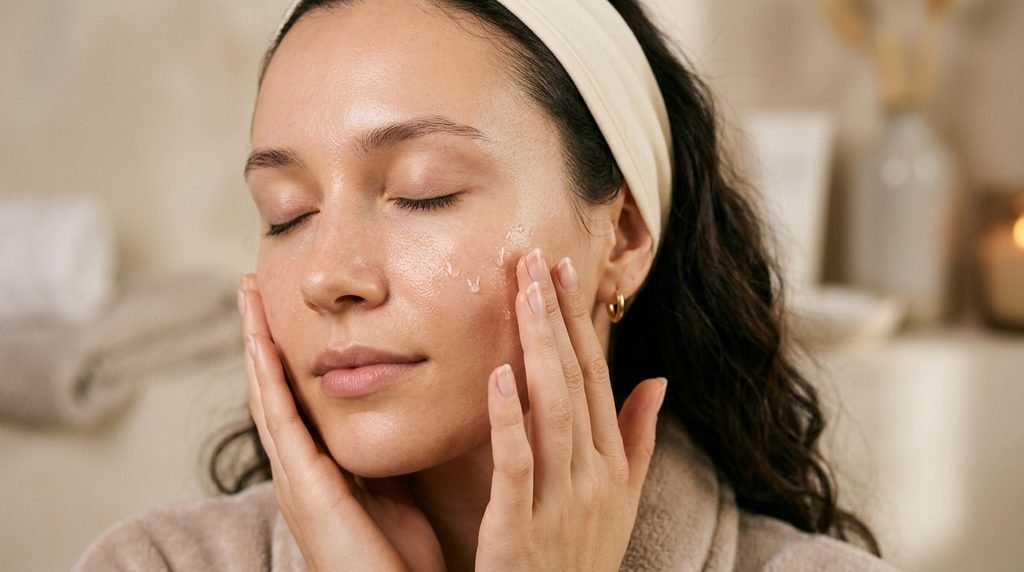
Applying products in the correct sequence ensures each formulation performs as intended without blocking the absorption of subsequent steps. The golden rule of skincare layering is simple: apply products in order of consistency, moving from the thinnest texture to the thickest.
┌──────────────────────────────────────────────────────────────────────┐
│                    CORRECT ROUTINE LAYER SEQUENCE                    │
├─────────┬──────────────┬───────────────┬──────────────┬──────────────┤
│ STEP 1  │    STEP 2    │    STEP 3     │    STEP 4    │    STEP 5    │
│ Cleanse │ Toner (Opt.) │    ESSENCE    │ Serum (Opt.) │ Moisturizer  │
└─────────┴──────────────┴───────────────┴──────────────┴──────────────┘
Step 1: Cleansing
Wash your face with a gentle, sulfate-free cleanser to clear away sweat, sebum, and environmental pollutants. Pat your face lightly with a clean towel, leaving the skin slightly damp.
Step 2: Toner (Optional)
If you use an exfoliating toner (containing AHAs/BHAs) or a balancing toner, sweep it across your face using a cotton pad.
Step 3: Essence
Dispense 3 to 5 drops of essence directly into the palms of your clean hands. Press your palms together and gently press—don’t rub—the liquid into your face, neck, and décolletage. The heat from your hands assists in even application.
Step 4: Serum
Once the essence has mostly absorbed and your skin feels tacky and damp, apply your targeted treatment serum. Applying serum to damp skin prepped with an essence enhances ingredient spreadability and absorption. To understand how serums contrast with thicker sealants, read our guide on Serum vs. Moisturizer.
Step 5: Moisturizer & Sunscreen
Seal in all that watery hydration with your favorite moisturizer to prevent evaporation. During the daytime, always finish with a broad-spectrum SPF 30 or higher. For comprehensive routine mapping, refer to our master guide on How to Layer Skincare.
Essence vs. Ampoule: What Is the Difference?
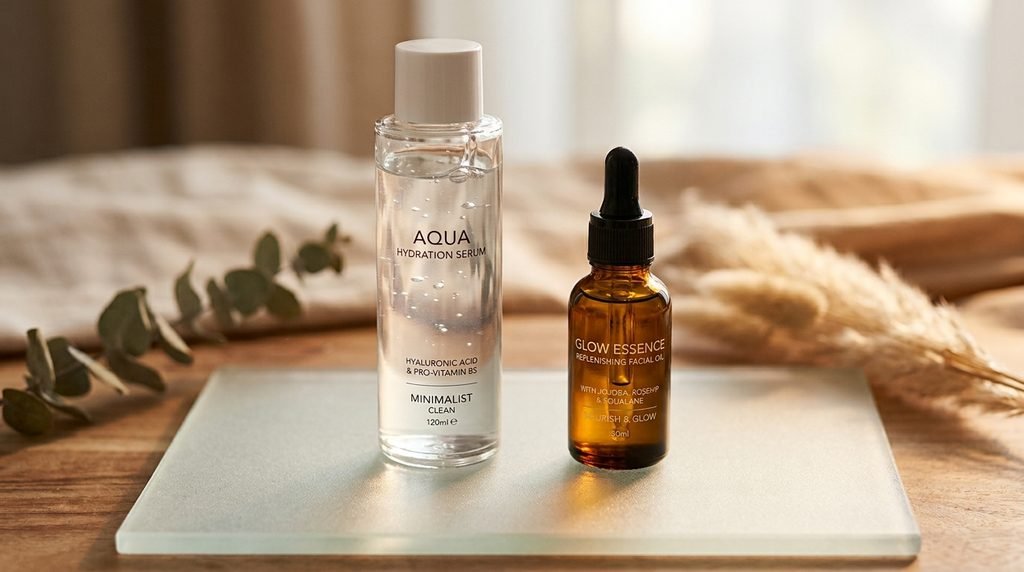
If you are exploring K-beauty routines, you will likely run into the term ampoule. How does an ampoule differ from an essence?
Think of an ampoule as a supercharged, high-potency version of a serum, designed for short-term, targeted use.
┌─────────────────────────────────────────────────────────────────┐
│                      ESSENCE vs. AMPOULE                        │
├────────────────────────────────┬────────────────────────────────┤
│ SKINCARE ESSENCE               │ AMPOULE                        │
├────────────────────────────────┼────────────────────────────────┤
│ Daily, continuous use          │ Target booster / short-term    │
│ Hydration & barrier prep       │ High active concentration      │
│ Thin, fluid consistency        │ Viscous, rich consistency      │
└────────────────────────────────┴────────────────────────────────┘
- Essence: Lightweight, fluid, and meant for daily, continuous morning-and-night use to maintain core hydration levels.
- Ampoule: Highly concentrated with specific active ingredients (such as pure Vitamin C or Centella Asiatica extract). Ampoules are typically packaged in small dropper bottles or ampoule vials and are intended for short-term use—such as a 2-week treatment cycle to calm a flare-up or brighten dark spots before an event.
In a routine containing both, apply the essence first to hydrate, followed by the ampoule, and then your standard moisturizer.
Is an Essence Necessary, or Just an Extra Step?
With the rise of “skinimalism”—a movement advocating for streamlined, non-cluttered routines—it is fair to ask: Do you actually need an essence?
The honest answer? An essence is a beneficial, secondary step—not an absolute medical necessity.
If your goal is basic skin health, a core three-step routine consisting of a gentle cleanser, a reliable moisturizer, and a broad-spectrum sunscreen is all you strictly require.
┌─────────────────────────────────────────────────────────────────┐
│                 IS AN ESSENCE RIGHT FOR YOU?                    │
├────────────────────────────────┬────────────────────────────────┤
│ REASONS TO ADD AN ESSENCE      │ REASONS TO SKIP AN ESSENCE     │
├────────────────────────────────┼────────────────────────────────┤
│ Chronic surface dehydration    │ Satisfied with basic hydration │
│ Irritation from direct serums  │ Minimalist routine preferences │
│ Love K-beauty layering rituals │ Extremely acne-prone to ferments│
└────────────────────────────────┴────────────────────────────────┘
However, adding an essence is particularly advantageous if you deal with specific skin conditions:
- Dehydrated or Tight Skin: If your skin feels tight after washing despite using a rich cream, your skin lacks water, not oil. An essence supplies that water weight.
- Sensitive Skin Reactivity: Applying concentrated serums to dry, compromised skin can trigger stinging. Pre-damping with a soothing, hydrating essence buffers the skin barrier.
- Maximized Active Efficacy: If you invest in high-end active serums, preparing your skin matrix with an essence ensures better product distribution.
According to research published in dermatological studies on epidermal hydration (such as those referenced in the National Center for Biotechnology Information), well-hydrated stratum corneum layers exhibit significantly higher permeability and structural resilience compared to dry skin layers.
If you prefer a quick, minimalist two-minute routine, you can safely skip an essence. But if you want to optimize hydration, improve skin bounce, and enjoy a luxurious ritual, an essence is a worthy upgrade.
Conclusion

A skincare essence acts as a hydrating bridge between cleansing and targeted treatment. By drenching dry epidermal cells with lightweight humectants and fermented bio-actives, an essence preps your skin matrix, balances moisture levels, and enhances the performance of your favorite serums.
While not mandatory for a basic minimalist routine, an essence is a game-changer for anyone struggling with surface dehydration, dullness, or uneven texture. Try adding a dedicated essence after your toner for two weeks, and pay attention to how much smoother your serum applies and how much plumper your skin looks throughout the day.
Want to build a balanced routine tailored to your skin type? Explore our full library of research-backed skincare guides and refine your daily regimen today!
Frequently Asked Questions
Q: Which is better for hydration, an essence or a serum?
A: Essences and serums serve complementary roles. An essence excels at delivering broad, watery surface hydration across the face, while a serum delivers concentrated active ingredients deeper into target areas. For maximum hydration, layering a hydrating serum on top of a damp, essence-prepped face works best.
Q: Do I need a serum if I am already using an essence?
A: Yes, if you want to target specific skin concerns such as hyperpigmentation, fine lines, or stubborn acne. Essences focus on hydrating and prepping the skin barrier, whereas serums contain higher active concentrations required to drive targeted structural changes in the skin over time.
Q: Which product should come first, essence or serum?
A: Always apply your essence before your serum. The essence has a thinner, more watery consistency designed to absorb quickly and hydrate dry surface layers. Applying the thinner essence first ensures it absorbs fully without being blocked by thicker, more viscous serum formulations applied afterward.
Q: Can you mix an essence and a serum together in your hands?
A: It is best to apply them separately in sequential layers. Premixing an essence and a serum in your palms can alter the intended pH balance, dilute active ingredient concentrations, or cause formulation instability that hampers how well the ingredients absorb into your skin.
Q: Can an essence replace a daily moisturizer?
A: No, an essence cannot replace a moisturizer. Essences supply water and humectants to hydrate the skin, but they lack the occlusive ingredients (like ceramides, plant oils, or petrolatum) present in moisturizers that seal in that hydration and prevent water from evaporating into the air.
Q: Is an essence safe for sensitive, acne-prone skin?
A: Generally, yes. Most essences feature lightweight, soothing, water-based formulas that do not clog pores. However, if you are prone to fungal acne or ferment sensitivities, check product labels carefully to avoid specific fermented yeast ingredients like Galactomyces filtrate.