Executive Summary
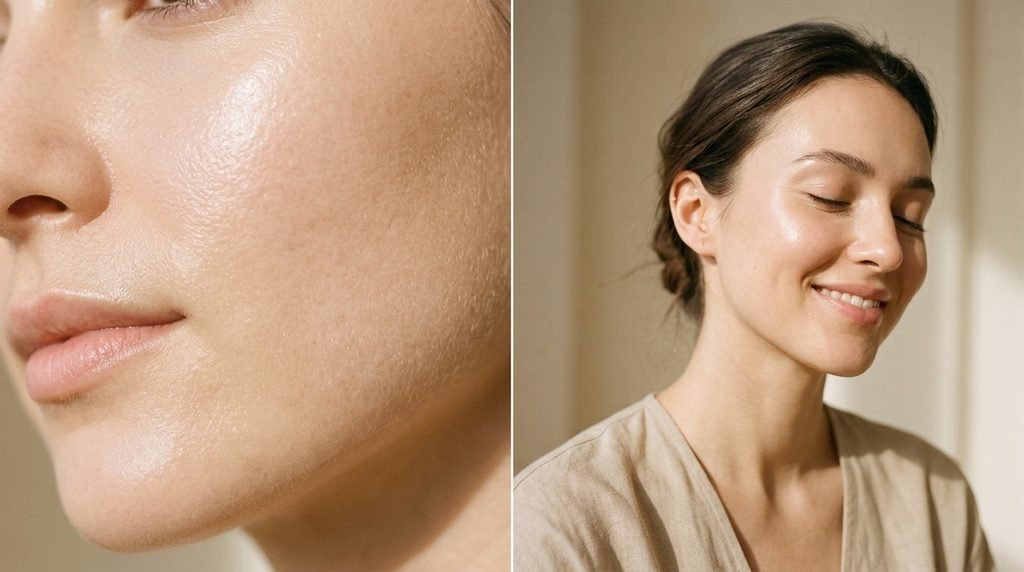
Addressing uneven skin tone requires a strategic, targeted approach rather than a random combination of products. “Uneven skin tone” serves as a broad descriptive term for various cosmetic pigment shifts rather than a single medical diagnosis. Achieving a luminous, balanced complexion relies on active ingredients that regulate pigment production, accelerate cellular renewal, and prevent sun-induced darkening. This guide details a complete morning and evening regimen, featuring proven topical actives like Vitamin C, Niacinamide, Azelaic Acid, and Tranexamic Acid. By combining antioxidant protection during the day with targeted cell renewal at night, you can build an effective regimen that delivers visible skin clarity over an 8 to 12-week timeframe.
The Foundation of an Evening Routine for Skin Clarity

Uneven skin tone is an umbrella description covering patchiness, dullness, lingering spots from past breakouts, and sun discoloration. Because these issues stem from different triggers, a single ingredient rarely resolves every concern. Real improvement comes from layering complimentary active ingredients across morning and evening routines.
A structured daily plan provides antioxidant defense against environmental stressors during daylight hours and supports natural surface renewal while you sleep. Understanding how active ingredients pair together keeps your skin barrier balanced, healthy, and resilient throughout the process.
Uneven Skin Tone vs. Hyperpigmentation: Understanding the Difference
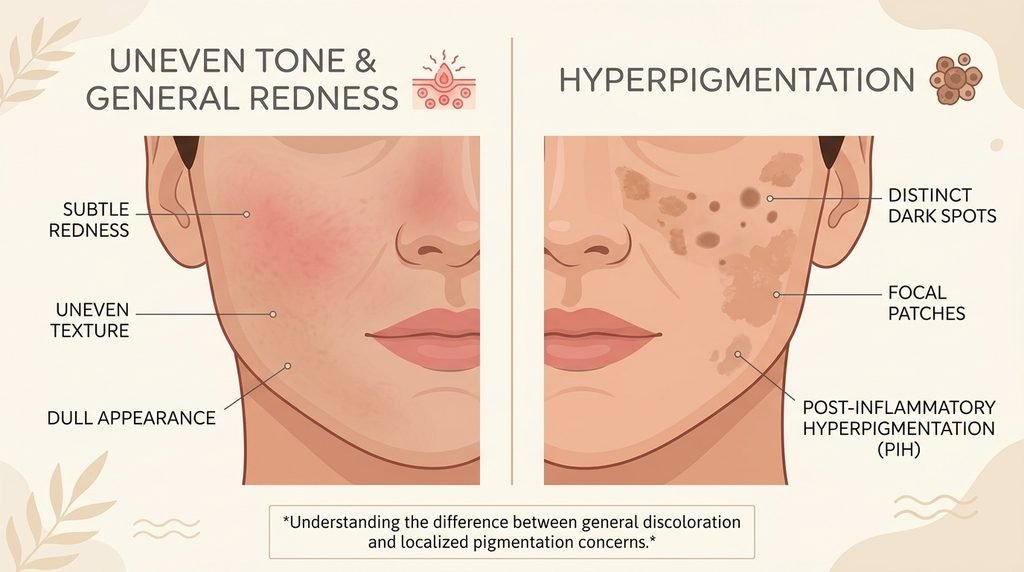
Many people use “uneven skin tone” and “hyperpigmentation” interchangeably, but clarifying the distinction helps in selecting the right topical solutions.
- Uneven Skin Tone: A general, non-medical visual description. It refers to overall patchiness, localized dullness, minor sun spots, or lingering redness across the face.
- Hyperpigmentation: An umbrella medical and dermatological term for overproduction of melanin in specific areas. Common forms include post-inflammatory hyperpigmentation (dark marks left after breakouts), melasma (hormonally induced symmetrical patches), and solar lentigines (age spots).
Understanding this difference allows you to treat both overall dullness and targeted spots simultaneously. For a deeper breakdown of specific pigment conditions, explore our guide on [Understanding Hyperpigmentation].
Key Ingredients That Target Discoloration

Regulating skin tone involves selecting actives that target pigment pathways from multiple angles: inhibition, transport blockade, and accelerated exfoliation.
- Vitamin C (L-Ascorbic Acid): A potent antioxidant that neutralizes free radicals while inhibiting tyrosinase, the enzyme responsible for melanin production. Learn more in [What Is Vitamin C Serum?].
- Niacinamide (Vitamin B3): Blocks the transfer of pigment from pigment-producing cells (melanocytes) to visible skin surface cells (keratinocytes), reducing blotchiness. Read our complete guide on [What Is Niacinamide].
- Azelaic Acid: Inhibits abnormal pigment-producing cells without affecting normal skin tone, making it ideal for post-breakout redness and dark spots. See [Azelaic Acid Explained] for detail.
- Tranexamic Acid: Slows pathways triggered by UV exposure and inflammation, helping fade stubborn discoloration. Check out our comparative post on [Tranexamic Acid vs. Vitamin C].
Expert Formulation Tip: Combining ingredients that target different steps in melanin production yields faster results than using high concentrations of a single ingredient.
The Complete AM & PM Brightening Routine Order
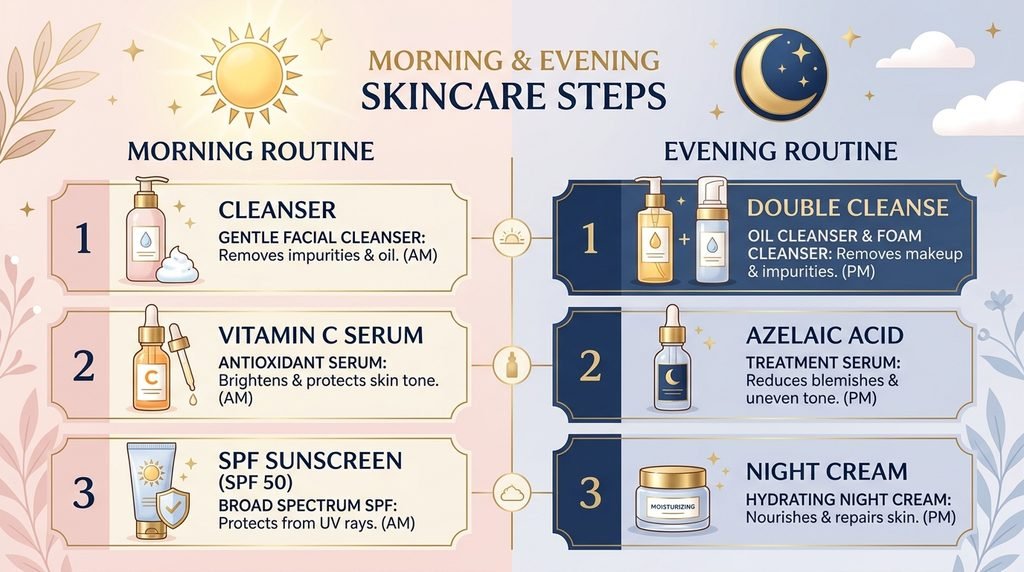
Consistency and correct product sequencing ensure maximum absorption and minimize potential irritation.
| Step | Time | Product Type | Primary Active Ingredient | Core Function |
| 1 | AM | Gentle Gel Cleanser | Hydrating base | Cleanses skin without stripping natural moisture |
| 2 | AM | Brightening Serum | Vitamin C (10–15%) | Protects against free radicals & inhibits pigment synthesis |
| 3 | AM | Lightweight Moisturizer | Hyaluronic Acid / Ceramides | Locks in hydration and maintains barrier function |
| 4 | AM | Broad-Spectrum Sunscreen | SPF 30 or higher | Prevents UV rays from darkening existing spots |
| 1 | PM | Oil or Micellar Cleanser | Gentle lipophilic base | Melts away makeup, mineral SPF, and daily pollution |
| 2 | PM | Water-Based Cleanser | Gentle surfactant | Cleanses pores thoroughly for maximum active absorption |
| 3 | PM | Targeted Treatment Serum | Niacinamide (5%) OR Azelaic Acid | Inhibits pigment transfer and reduces redness overnight |
| 4 | PM | Barrier Support Cream | Ceramides / Fatty Acids | Restores the protective moisture barrier while resting |
Why Sunscreen Is Non-Negotiable for Skin Clarity

Applying brightening serums without daily broad-spectrum sun protection yields minimal progress. Ultraviolet rays (UVB and UVA) stimulate melanocytes to produce melanin as a natural defense mechanism, darkening existing spots and creating new discoloration.
Using a broad-spectrum sunscreen with SPF 30 or higher every morning shields the skin from pigment-triggering rays, preserving the progress made by active treatments. According to the American Academy of Dermatology, daily sun protection remains the single most critical step in managing facial skin discoloration.
Realistic Timelines: When to Expect Visible Results
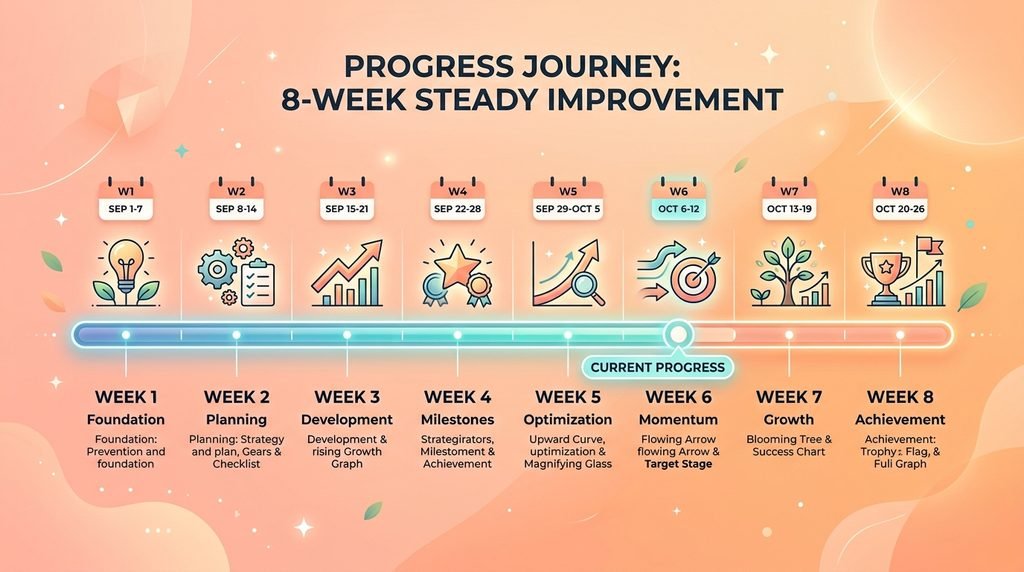
Skin cell turnover takes roughly 28 to 40 days, and deep-seated pigment takes time to migrate to the surface and naturally shed.
- Weeks 1–3: Improved overall skin hydration and subtle radiance.
- Weeks 4–6: Surface blotchiness begins to soften; skin texture feels smoother.
- Weeks 8–12: Significant fading of surface marks and a noticeably more uniform complexion.
Patience and consistency are essential. If you are tracking progress with specific serums, check our detailed guide on [How Long Before a Serum Shows Results].
Adjusting the Routine for Sensitive Skin Types
If your skin turns red or flushes easily, go slow with potent active ingredients to avoid post-inflammatory hyperpigmentation caused by irritation.
- Use buffered Vitamin C derivatives (such as Sodium Ascorbyl Phosphate or Magnesium Ascorbyl Phosphate) at lower concentrations.
- Introduce active serums every other night rather than daily.
- Layer Niacinamide before stronger actives to fortify the lipid barrier.
- For step-by-step guidance, refer to our resource on [Serum Layering for Sensitive Skin].
Conclusion

Building an effective skincare routine for uneven skin tone relies on smart ingredient synergy, daily barrier protection, and consistent sun defense. By pairing antioxidant protection like Vitamin C in the morning with restorative actives like Niacinamide or Azelaic Acid at night, you address surface discoloration at its root cause. Commit to this structured regimen, apply your SPF daily, and give your skin 8 to 12 weeks to reveal a clear, radiant, and balanced complexion.
Frequently Asked Questions
Q: What is a good skincare routine for uneven skin tone?
A: A solid routine combines morning antioxidant defense with nighttime pigment regulation. Use a Vitamin C serum followed by moisturizer and broad-spectrum SPF 30+ every morning. At night, apply Niacinamide or Azelaic Acid under a barrier-repairing cream to support gentle surface renewal.
Q: What causes an uneven skin tone on the face?
A: Uneven tone is primarily caused by cumulative sun exposure, post-acne inflammation, hormonal fluctuations, and natural aging. These factors trigger melanocytes to overproduce melanin irregularly across the skin, leading to persistent dark spots, red patches, and general surface dullness.
Q: How long does it take to even out skin tone?
A: Most people see noticeable improvements within 8 to 12 weeks of consistent daily care. Because epidermal cell renewal takes about a month, fading deeper discoloration requires sustained use of targeted brightening actives combined with diligent daily sun protection.
Q: Can you use Vitamin C and Niacinamide together?
A: Yes, modern well-formulated skincare products allow Vitamin C and Niacinamide to be safely used together. Alternatively, apply Vitamin C in the morning for antioxidant defense against UV stressors and Niacinamide at night to soothe skin and regulate pigment transfer.
Q: Does sunscreen help even out skin tone?
A: Sunscreen is foundational for tone correction. UV radiation activates melanin production, which darkens existing spots and creates new discoloration. Daily application of broad-spectrum SPF 30+ prevents further UV damage and protects the visible gains achieved from your brightening serums.
Q: Is an uneven skin tone routine different for sensitive skin?
A: Sensitive skin requires lower concentrations and gentler ingredient derivatives to avoid irritation, which can trigger additional pigmentation. Start by applying active serums 2–3 times per week, incorporate soothing ingredients like Niacinamide, and prioritize barrier-repairing ceramides.