Executive Summary
If you are trying to make your pores vanish, it helps to start with the truth: pore size is largely genetic, and pores do not physically shrink or stretch like rubber bands. However, you can significantly reduce their appearance by managing oil production, removing dead skin cells, and protecting the structural collagen around them. Understanding why pores look enlarged—whether due to excess sebum, aging, or congestion—is the key to targeting them effectively. By using proven ingredients like Niacinamide, Salicylic Acid, and Retinoids, along with daily SPF protection, you can achieve a noticeably smoother, refined skin texture without falling for common skincare myths.
Hook-Up Paragraph
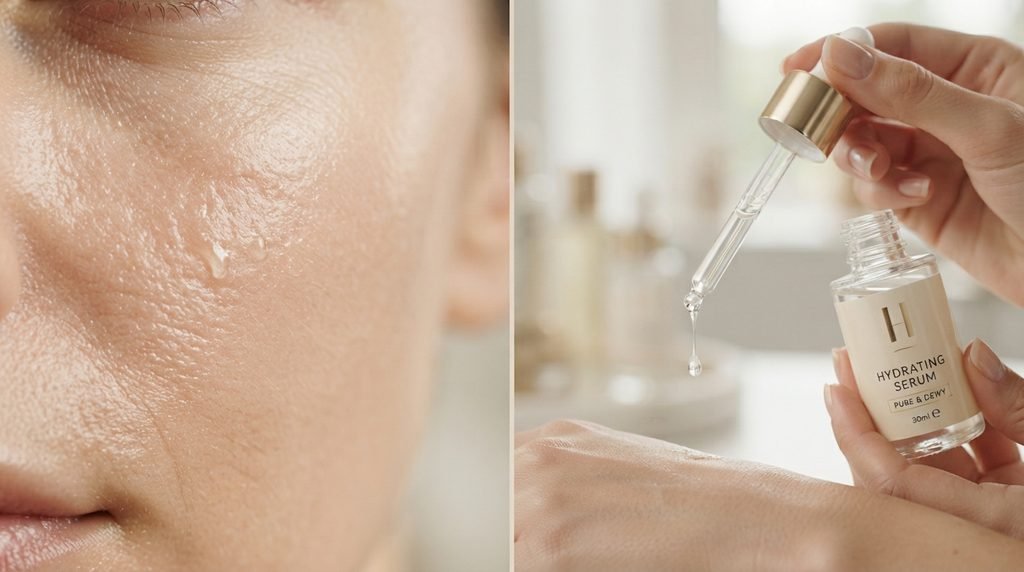
Few skincare concerns cause as much frustration as enlarged pores. We see poreless skin filters every day, leading many people to ask: can you actually shrink pores, or is that just marketing noise? The short answer is that while you cannot alter the natural architecture of your pore openings, you can dramatically change how visible they are to the naked eye. Pores look larger when they are stretched by trapped oil and debris, or when loss of collagen causes the skin matrix around them to slacken. Understanding the exact mechanisms that make pores stand out allows you to build a targeted, effective routine that restores clarity and texture.
The Science of Pore Size: Genetics, Sebum, and Aging
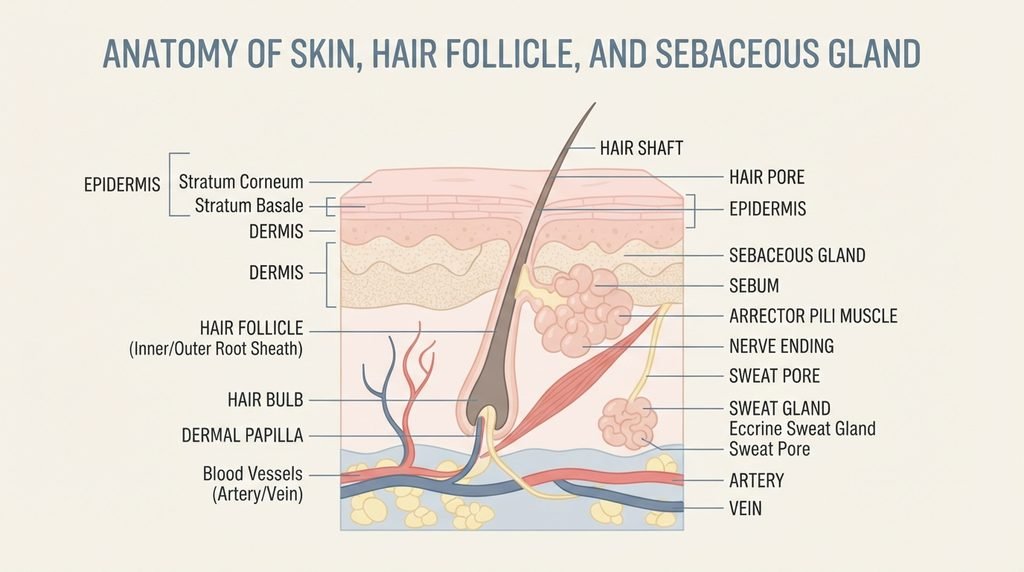
Pores are small openings in the skin that release sebum (oil) and sweat. They are connected to hair follicles and sebaceous glands, serving a crucial role in keeping skin hydrated and protected. The baseline size of your pores is determined primarily by genetics and skin type—individuals with oily skin naturally tend to have larger, more active pores than those with dry skin types.
Aside from genetics, two major factors cause pores to look larger over time:
- Excess Sebum Production: When sebaceous glands produce excess oil, that oil combines with dead skin cells inside the lining of the pore. This congestion forms a plug, stretching the pore opening outwards.
- Structural Support Loss: As we age, collagen and elastin breakdown diminishes skin firmness. Collagen provides the underlying support network that keeps pore walls tight and taut. Without it, pores lose their elasticity, sagging into an oval shape that makes them far more noticeable.
To understand how skin density impacts overall pore firmness and surface structure, explore our guide on [What Happens to Skin as Collagen Declines].
Clogged Pores vs. Enlarged Pores: Knowing the Difference
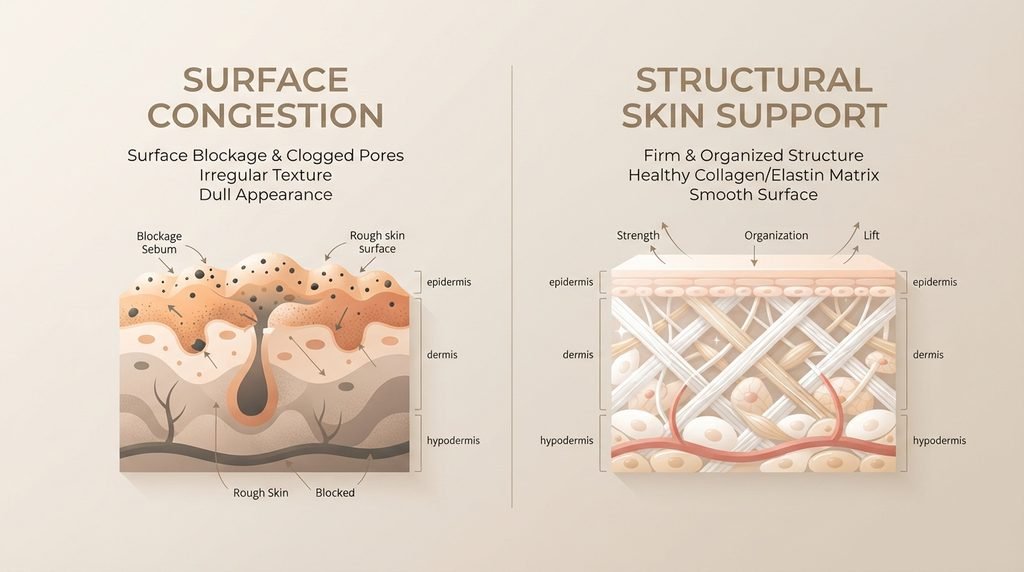
It is easy to confuse temporary congestion with permanent pore enlargement, but distinguishing between the two changes how you address them.
| Feature | Clogged Pores (Congestion) | Enlarged Pores (Structural) |
| Primary Cause | Trapped sebum, dead skin cells, makeup buildup | Genetics, chronic oiliness, collagen loss |
| Appearance | Dark spots (blackheads), white bumps, or rough texture | Open, stretched, or sagging surface indentations |
| Persistence | Temporary; improves quickly once cleared | Long-term; requires ongoing surface maintenance |
| Primary Fix | Exfoliating acids (BHA) and double cleansing | Oil-regulating actives, retinoids, and daily sun protection |
When pores are clogged, removing the plug allows the pore wall to snap back to its normal resting width. Structural enlargement, on the other hand, requires building up the skin’s surrounding matrix to improve firmness.
Best Ingredients for Large Pores: What Actually Works
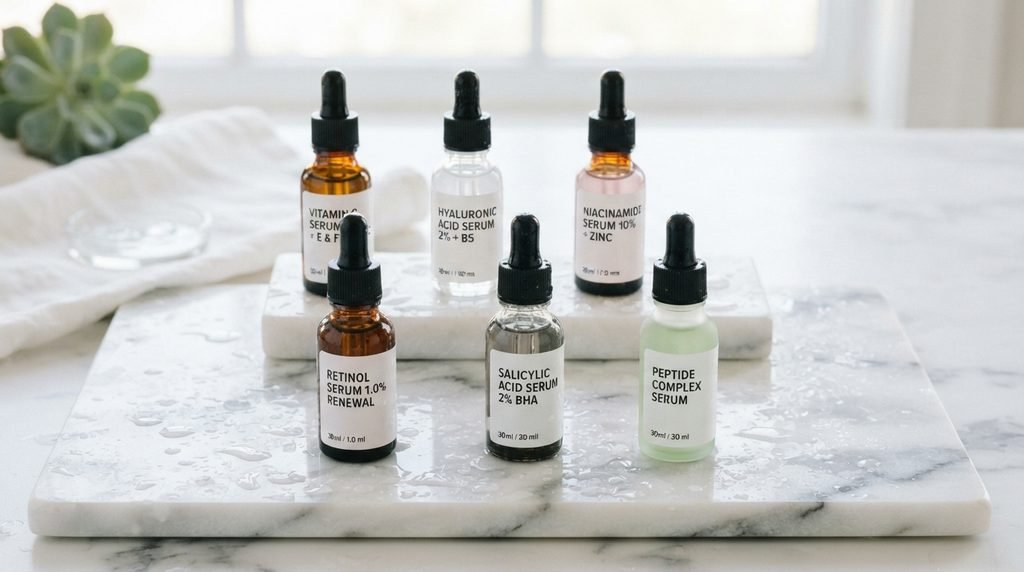
To refine how your pores look, focus on ingredients supported by dermatological research that target oil regulation, cellular turnover, and collagen synthesis.
| Ingredient | Mechanism of Action | Why It Helps Appearance (Not Size) |
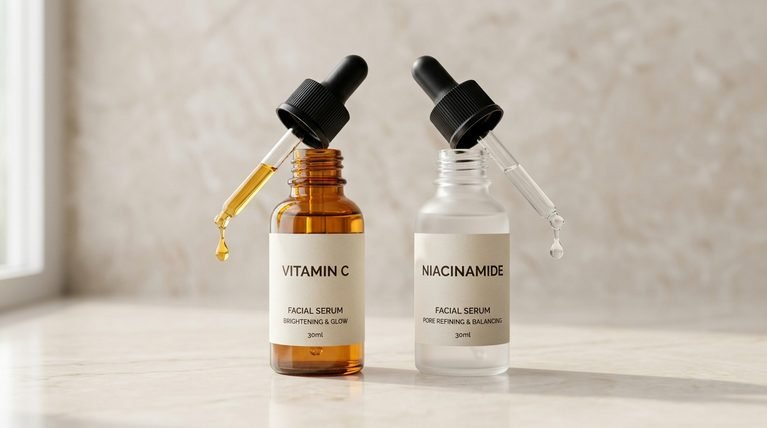
| Niacinamide (Vitamin B3) | Regulates sebum production and reinforces the lipid barrier | Prevents excess oil from pooling in pores and improves skin elasticity around pore openings |
| Salicylic Acid (BHA) | Oil-soluble exfoliant that dissolves debris inside pore walls | Flushes out trapped sebum and dead skin to keep pores clear and unstretched |
| Retinoid (Retinol / Tretinoin) | Accelerates cellular turnover and stimulates collagen production | Tightens the structural matrix around pores and prevents dead cell accumulation |
Integrating these active ingredients systematically yields better results than using harsh scrubs. For a deeper breakdown of Vitamin B3 and its benefits for oily skin types, check out [What Is Niacinamide]. If you want to compare different chemical exfoliants, read our complete guide on [AHA vs. BHA vs. PHA].
Do Pore Strips and Cold Water Work? Myth vs. Fact
The skincare industry is full of quick-fix claims regarding pore minimization. Examining what works versus what offers only temporary results clarifies where to focus your effort.
- Myth:Cold water closes pores; steam opens them.
- Fact: Pores do not have muscles, so they cannot open or close in response to temperature. Steam simply softens hardened sebum inside the pore, while cold water temporarily constricts superficial blood vessels, giving a fleeting appearance of tightness.
- Myth:Pore strips permanently remove large pores.
- Fact: Pore strips peel away surface plugs and top-layer debris. While satisfying, they do nothing to slow oil production or alter pore structure, and aggressive stripping can irritate the skin barrier.
- Myth:Certain serums shrink pores permanently.
- Fact: Topical treatments improve surface appearance through continuous use. Once you stop using ingredients like Niacinamide or Salicylic Acid, oil production returns to its baseline and pores can appear larger again.
For non-commercial safety evaluations and chemical profile data on common cosmetic actives, consult the [Cosmetic Ingredient Review (CIR) Database].
The Prevention Playbook: Sunscreen and Routine Essentials
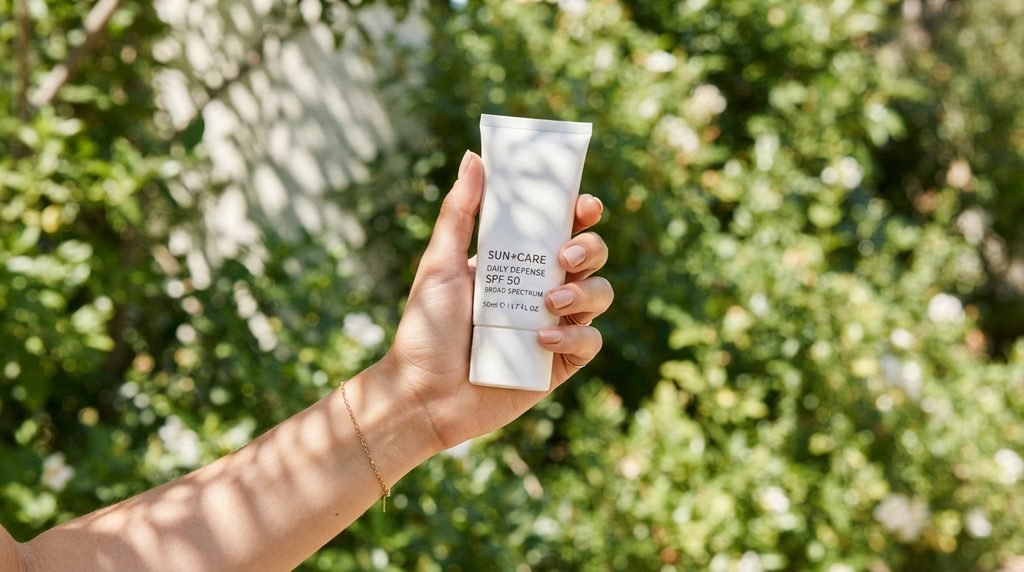
Preventing pores from looking larger as time goes on requires protecting your skin from environmental damage. Ultraviolet (UV) radiation damages collagen and elastin fibers in the dermis, weakening the structural support around pore openings.
A protective routine should focus on these core habits:
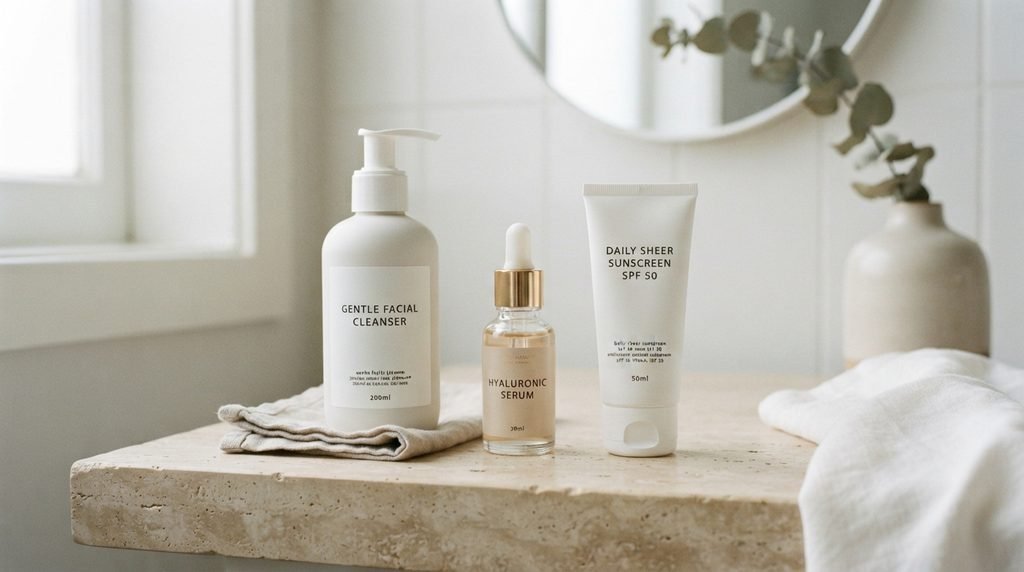
- Daily Broad-Spectrum SPF: Wear SPF 30 or higher every single day, regardless of weather. Protecting existing collagen prevents the sagging effect that turns round pores into elongated ovals.
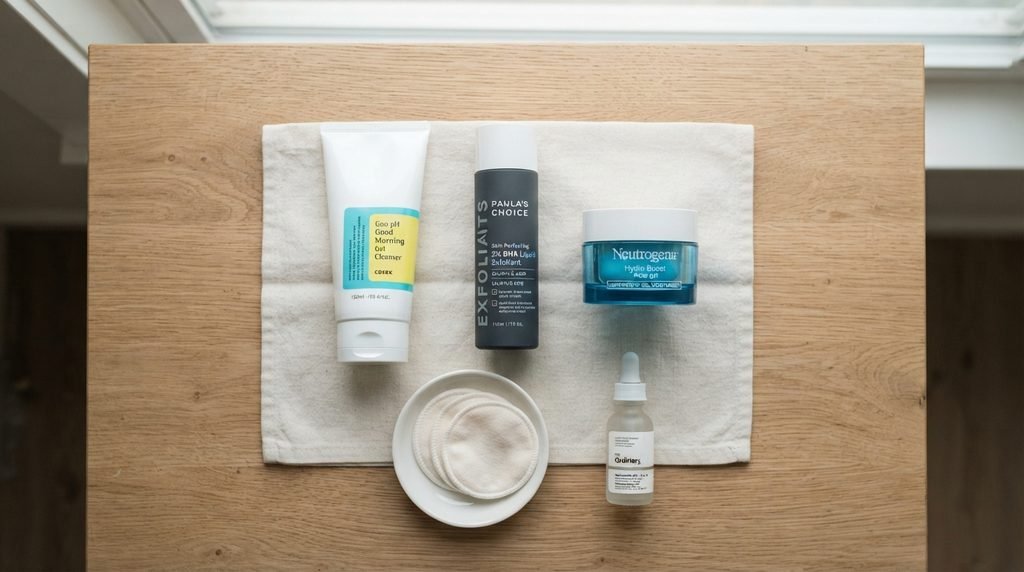
- Double Cleansing at Night: Use an oil-based cleanser followed by a gentle water-based cleanser to thoroughly break down sunscreen, makeup, and pollution without stripping the barrier.
- Non-Comedogenic Hydration: Avoid heavy, occlusive creams if you have oily or combination skin. Lightweight, gel-based moisturizers keep skin hydrated without clogging pores.
Conclusion
While you cannot physically change your genetic pore size, achieving a smoother, refined complexion is entirely possible. By clearing out trapped sebum with Salicylic Acid, balancing oil flow with Niacinamide, and preserving structural collagen using retinoids and daily SPF, you address every cause of visible pore enlargement. Ditch the temporary quick fixes and harsh pore strips in favor of a consistent, evidence-based routine. Focus on supporting your skin barrier, protecting its structure, and keeping congestion at bay for lasting results.
FAQ Section
Q: Can you actually shrink your pores permanently?
A: No, pore size is primarily genetic and cannot be permanently shrunk. However, you can significantly reduce their appearance by keeping them free of oil and debris with Salicylic Acid, regulating sebum with Niacinamide, and preserving surrounding collagen with daily sunscreen and retinoids.
Q: Why do my pores look bigger as I get older?
A: As skin ages, collagen and elastin production decreases. This structural decline weakens the firm support network surrounding pore walls, causing pores to sag into an oval shape and appear larger over time. Sun damage accelerates this collagen degradation process significantly.
Q: What is the difference between clogged pores and enlarged pores?
A: Clogged pores occur when dead skin and sebum trap inside the pore, causing temporary blackheads or texture. Enlarged pores reflect the structural size or slackness of the pore opening, caused by genetics, chronic oiliness, or aging. Clearing congestion helps enlarged pores look smaller.
Q: Do pore strips help shrink pores?
A: Pore strips do not shrink pores. They offer a temporary fix by pulling out surface plugs of dirt and sebum from the top of the pore. They do not alter pore size or oil production, and overuse can irritate your skin barrier.
Q: Does sunscreen help with pore size?
A: Yes, sunscreen indirectly keeps pores looking smaller. UV rays break down collagen and elastin, the proteins that keep skin firm and pore walls tight. By applying daily broad-spectrum SPF, you preserve structural support and prevent pores from stretching out over time.
Q: What ingredients work best for large pores?
A: Niacinamide, Salicylic Acid (BHA), and Retinoids are the most effective ingredients. Salicylic Acid clears deep inside the pore, Niacinamide balances excess oil production, and Retinoids promote cell turnover while boosting collagen to support firm pore walls.