Executive Summary
Bakuchiol and retinol are two of the most discussed ingredients in modern skincare, often compared for their ability to improve skin texture, tone, and fine lines. While retinol remains a well-researched form of vitamin A, it frequently causes temporary redness, dryness, or peeling. Bakuchiol, derived from the seeds of the Psoralea corylifolia (babchi) plant, has gained widespread interest as a gentler option. This comprehensive guide breaks down how both ingredients function, compares their performance based on published clinical research, and evaluates their suitability for sensitive skin or specific life stages like pregnancy. You will also learn how to integrate these active ingredients into a balanced daily skincare routine without compromising your skin barrier.
The Search for a Gentler Vitamin A Alternative
Maintaining a smooth, clear complexion often leads people to active ingredients that support natural skin renewal. For decades, topical retinoids have served as the standard recommendation for addressing uneven texture, loss of firmness, and persistent breakouts. However, the initial adjustment period associated with vitamin A can be challenging. Many individuals experience noticeable flaking, tightness, and heightened reactivity, particularly during the first few weeks of use.
This common hurdle has driven interest toward botanical compounds that offer similar aesthetic benefits without the harsh adjustment phase. Bakuchiol has emerged as a prominent candidate in this category. Derived from the babchi plant, it offers an appealing pathway for those who want to support collagen integrity and overall skin clarity, but whose skin cannot tolerate traditional retinoids. Understanding how these two compounds differ helps you make an informed choice for your specific skin needs.
| Comparison Feature | Retinol (Vitamin A derivative) | Bakuchiol (Botanical extract) |
| Primary Origin | Synthetic or animal-derived vitamin A | Plant-derived (Psoralea corylifolia seeds) |
| Mechanism of Action | Directly binds to RAR/RXR cellular receptors | Modulates similar gene expression pathways without direct receptor binding |
| Common Side Effects | Dryness, peeling, redness, photosensitivity | Minimal; rare mild localized irritation |
| Sun Sensitivity | Degrades in sunlight; increases UV sensitivity | Photostable; does not increase sun sensitivity |
| Typical Onset of Results | 4 to 8 weeks | 8 to 12 weeks |
| Daytime Compatibility | Recommended for nighttime use only | Suitable for both morning and evening routines |
How Retinol Works on the Cellular Level
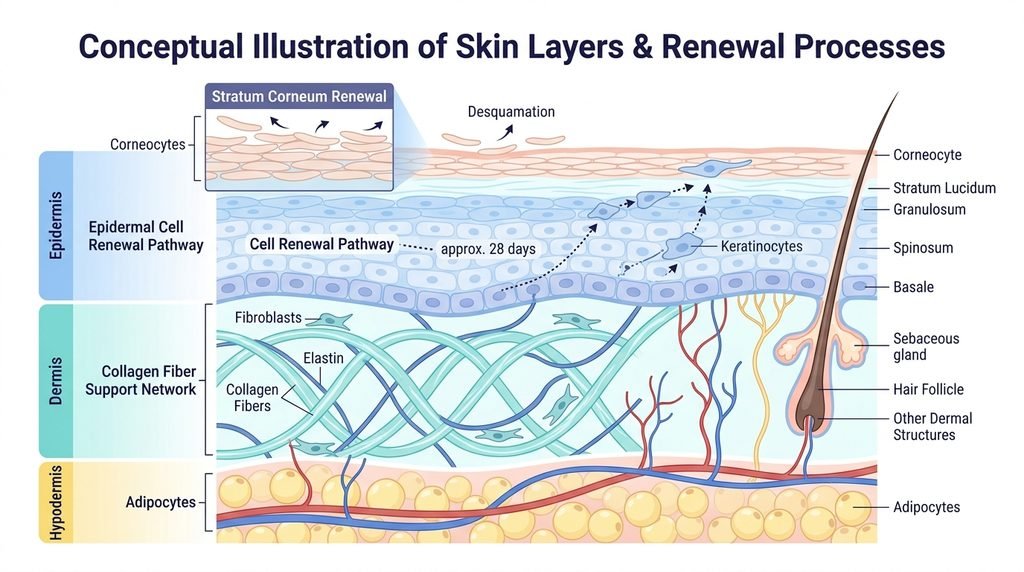
Retinol is a derivative of vitamin A that belongs to the retinoid family. When applied topically, it does not immediately affect the skin. Instead, enzymes within the skin must convert retinol into retinaldehyde, and ultimately into retinoic acid. Once retinoic acid is present, it binds directly to specific nuclear receptors—known as retinoic acid receptors (RARs) and retinoid X receptors (RXRs)—within skin cells.
Topical Retinol ──(Enzymatic Conversion)──> Retinaldehyde ──(Enzymatic Conversion)──> Retinoic Acid ──> Binds to RAR/RXR Receptors
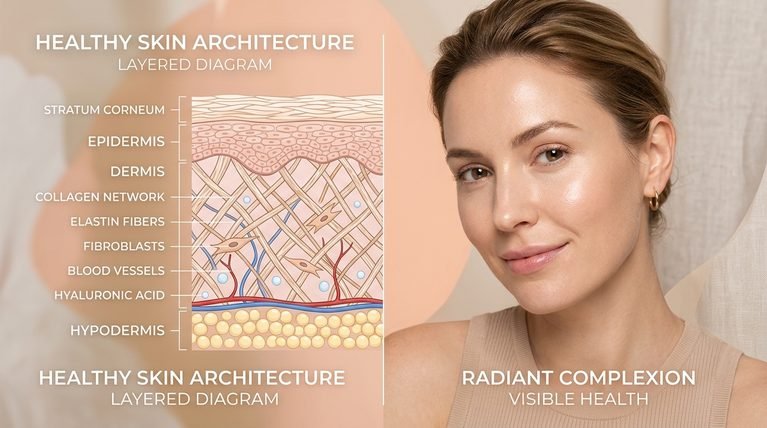
This receptor activation triggers a cascade of cellular activities. It accelerates epidermopoiesis, which is the process of cell division in the basal layer of the epidermis. By speeding up the movement of fresh cells to the surface, retinol helps shed dull, dead skin cells. Simultaneously, in the deeper dermal layer, retinoic acid stimulates fibroblasts to increase the production of structural proteins like collagen and elastin. It also helps inhibit matrix metalloproteinases (MMPs), which are enzymes that break down existing collagen when exposed to environmental stressors like UV radiation.
While this dual action makes retinol effective, the rapid acceleration of cell turnover often outpaces the skin’s ability to maintain its lipid barrier. This mismatch is what causes the classic symptoms of “retinization,” including localized inflammation, flaking, and a compromised moisture barrier.
The Science of Bakuchiol: A Botanical Approach
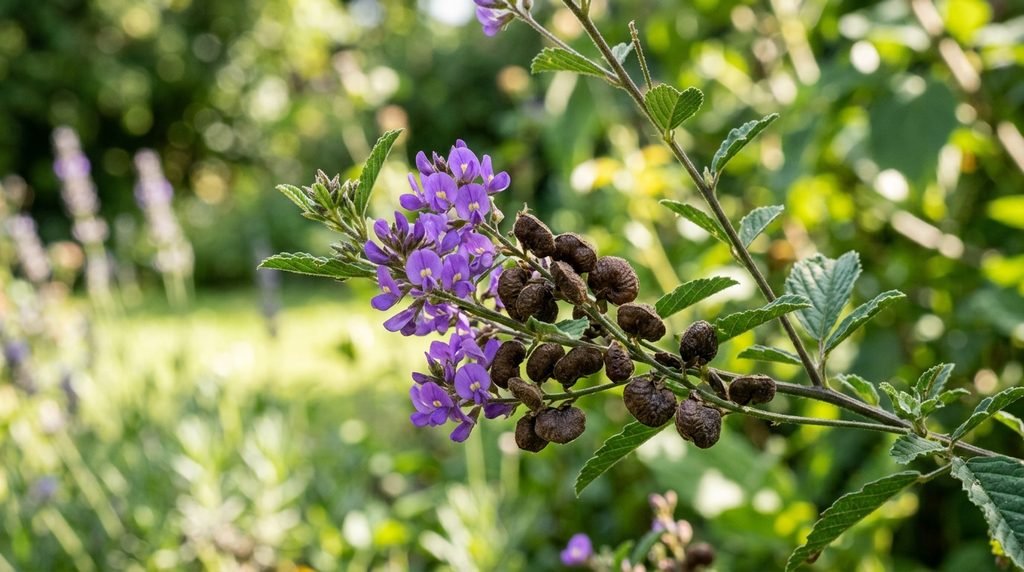
Bakuchiol is a meroterpene phenol abundantly found in the seeds and leaves of Psoralea corylifolia, an herb long utilized in traditional Ayurvedic and Chinese medicine. Unlike retinol, bakuchiol is not a vitamin A derivative, and its chemical structure is entirely distinct from retinoids.
Despite these structural differences, bakuchiol functions as a functional analog to retinol. Research into gene expression profiles shows that bakuchiol modulates many of the same cellular pathways that retinol targets. It helps upregulate genes responsible for collagen types I, III, and IV, while also supporting the expression of extracellular matrix components.
A critical distinction lies in how it interacts with skin cells. Bakuchiol does not rely on direct binding to RAR/RXR nuclear receptors in the same aggressive manner as retinoic acid. Consequently, it stimulates collagen production and cellular refresh without triggering the dramatic inflammatory cascade or rapid stratum corneum disruption associated with retinoids. Additionally, bakuchiol possesses intrinsic antioxidant properties that help neutralize free radicals and inhibit lipid peroxidation, providing protective benefits alongside its restorative action.
Efficacy and Clinical Comparisons
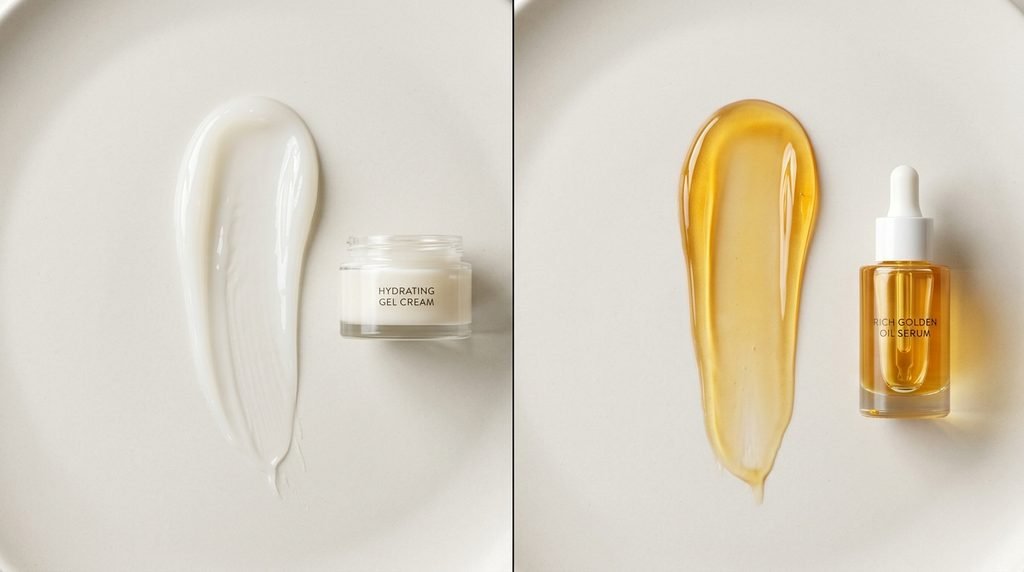
When evaluating whether bakuchiol is as effective as retinol, researchers turn to comparative clinical trials. A notable double-blind study published in the British Journal of Dermatology evaluated 0.5% bakuchiol cream against 0.5% retinol cream over a 12-week period with human participants.
The findings revealed that both groups experienced statistically significant improvements in the appearance of fine lines, wrinkles, and hyperpigmentation. Researchers noted no statistically significant difference between the two ingredients regarding their ability to reduce wrinkle surface area and even out skin tone.
The primary difference emerged in the tolerance profiles:
- Retinol Group: Participants reported significantly higher rates of skin scaling, stinging, dryness, and burning throughout the trial period.
- Bakuchiol Group: Participants reported far fewer adverse effects, demonstrating superior skin tolerance while achieving comparable cosmetic improvements.
While retinol generally displays a faster onset of action due to its direct cellular signalling, bakuchiol demonstrates a steadier, more gradual progression of results. For individuals who cannot use retinol consistently due to irritation, the ability to use bakuchiol daily without interruption often yields better long-term cosmetic outcomes.
Safety Profiles, Pregnancy, and Sensitive Skin

One of the most frequent questions regarding vitamin A alternatives centers on safety during pregnancy and nursing. High doses of systemic retinoid medications are known teratogens, and public health guidelines universally recommend avoiding all topical retinoids (including retinol, retinal, and prescription tretinoin) during pregnancy and breastfeeding as a precautionary measure.
Bakuchiol is frequently discussed as an alternative during these life stages because it operates through a non-retinoid chemical pathway and shows no structural overlap with vitamin A. However, because comprehensive safety data on pregnant human subjects remains naturally limited across all cosmetic ingredients, individuals should consult their primary healthcare provider or dermatologist before introducing any new active ingredient into their maternal routine.
For those with reactive skin conditions—such as rosacea, eczema, or a naturally compromised lipid barrier—bakuchiol presents a clear functional advantage. Retinol often exacerbates baseline redness and barrier damage. Bakuchiol’s anti-inflammatory profile allows individuals with sensitive skin to address concerns like uneven texture and fine lines without triggering prolonged flare-ups or surface discomfort.
How to Choose and Layer Actives in Your Routine
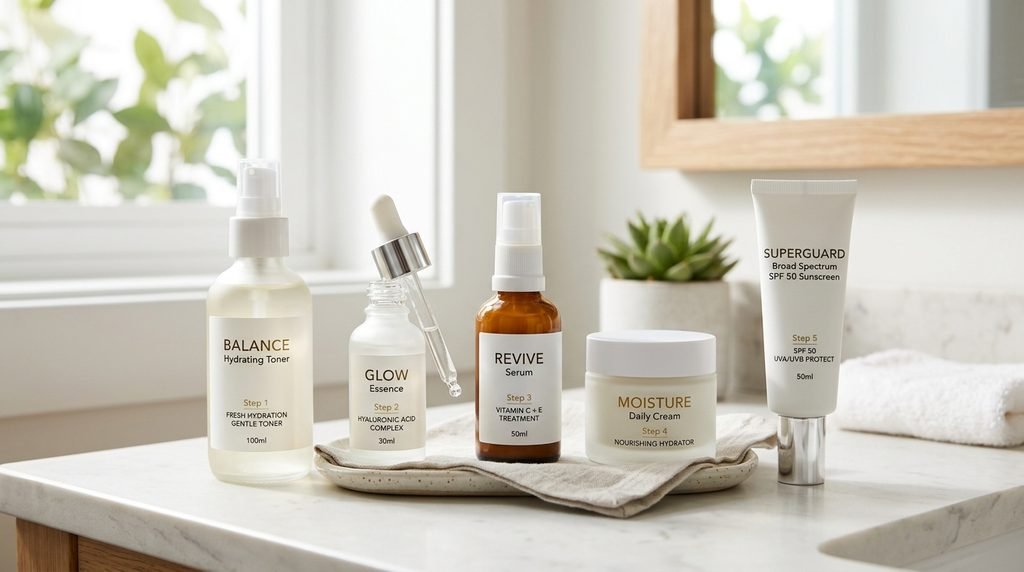
Deciding between bakuchiol and retinol comes down to your skin’s baseline sensitivity, your current routine, and your personal goals.
Is your skin barrier compromised, highly reactive, or prone to rosacea?
├── YES ──> Choose Bakuchiol (Morning or Evening, pairs well with Niacinamide)
└── NO  ──> Have you tolerated Retinol previously without flaking?
             ├── YES ──> Continue Retinol (Evening only, always wear daytime SPF)
             └── NO  ──> Start Bakuchiol twice daily OR introduce Retinol slowly (1-2x weekly)
If you select retinol, introduce it gradually—applying a pea-sized amount once or twice a week at night—and always follow with a barrier-repairing moisturizer. Retinol degrades in sunlight and increases UV sensitivity, making nighttime application and daily broad-spectrum sun protection non-negotiable.
If you choose bakuchiol, you benefit from greater operational flexibility. Bakuchiol is photostable, meaning it does not break down in sunlight or increase sensitivity to UV rays. You can safely apply it during both morning and evening routines. It pairs smoothly with hydrating ingredients like hyaluronic acid and barrier-supporting agents like niacinamide. While some wonder if bakuchiol can be combined with vitamin C, current formulation studies suggest they coexist well in balanced routines, with bakuchiol’s antioxidant properties supplementing stable ascorbic acid derivatives.
For authoritative scientific literature on botanical compounds and dermatological safety evaluations, readers can review open-access research databases via the National Center for Biotechnology Information (NCBI). For broader guidance on building a balanced regimen, explore our related guide on foundational serum layering techniques.
Conclusion
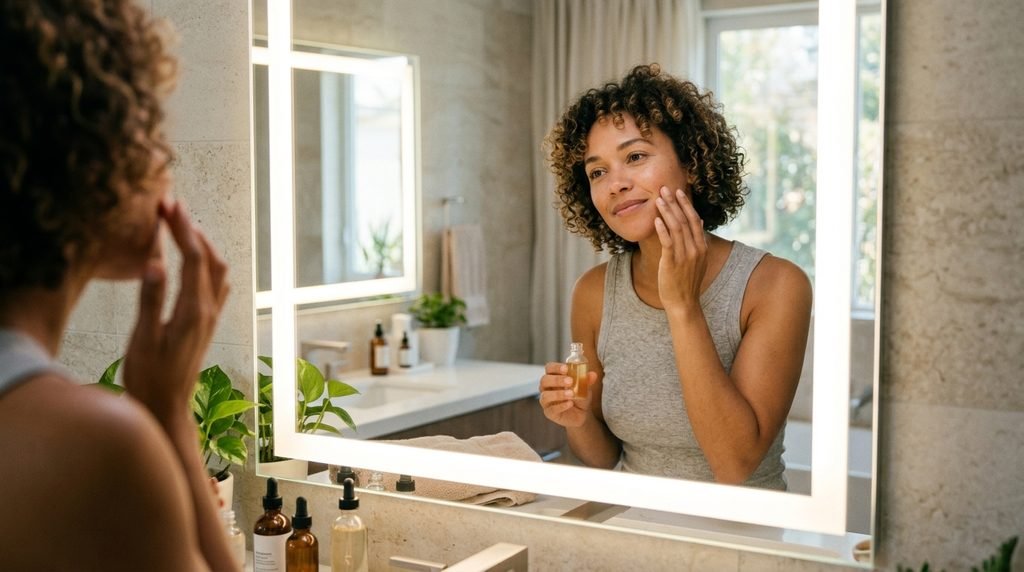
Both bakuchiol and retinol offer demonstrated paths toward smoother, more radiant, and balanced skin. Retinol remains a time-tested pillar in dermatological science, prized for its rapid cell-turnover capabilities, yet its potential for barrier disruption limits its use for many. Bakuchiol stands out as a scientifically validated alternative that delivers comparable improvements in texture, tone, and firmness while maintaining an exceptional safety and tolerance profile. By evaluating your skin’s current barrier health, lifestyle requirements, and sensitivity levels, you can confidently select the compound that best supports your skin’s long-term vitality.
Ready to refine your daily care plan? Assess your current skin barrier condition today and choose the active ingredient that meets your skin where it is.
Frequently Asked Questions
Q: Is bakuchiol as effective as retinol for reducing fine lines?
A: Clinical studies indicate that 0.5% bakuchiol can achieve comparable improvements in the appearance of fine lines, wrinkles, and hyperpigmentation when compared to 0.5% retinol over a 12-week period, but with significantly fewer reports of scaling, dryness, and surface stinging.
Q: Does bakuchiol cause skin purging like retinol?
A: Purging occurs when accelerated cell turnover rapidly brings underlying microcomedones to the surface. Because bakuchiol does not force rapid epidermal turnover via direct retinoid receptor activation, true skin purging is rare. Most users experience smoother skin without an initial breakout phase.
Q: Can I use bakuchiol during pregnancy or while breastfeeding?
A: Topical retinoids must be avoided during pregnancy. Bakuchiol is structurally unrelated to vitamin A and does not bind to retinoid receptors, making it a popular option for expectant mothers. However, you should always review new skincare ingredients with your obstetrician before use.
Q: Can you use bakuchiol and vitamin C together?
A: Yes. Bakuchiol is photostable and non-irritating, allowing it to complement vitamin C in morning routines. Combining bakuchiol with antioxidants like vitamin C or barrier builders like niacinamide helps protect against environmental stressors while enhancing overall skin radiance.
Q: How long does it take to see results from bakuchiol?
A: While skin hydrators offer immediate plumping, structural benefits from bakuchiol typically become visible after 8 to 12 weeks of consistent, twice-daily application. Improvements include smoother surface texture, enhanced firmness, and a more even distribution of skin tone.
Q: Is bakuchiol suitable for daily use on sensitive skin?
A: Yes. Unlike retinol, which often requires a slow ramp-up period to avoid irritation, bakuchiol is well-tolerated by sensitive skin types from the start. It can generally be applied once or twice daily without causing barrier redness or flaking.