Executive Summary

Facial redness can stem from various triggers, including a compromised moisture barrier, environmental stress, over-exfoliation, or underlying skin sensitivity. Managing persistent flush requires a structured, gentle approach rather than aggressive active ingredients. This guide outlines a gentle four-step daily skincare routine designed to soothe surface irritation, reinforce the skin barrier, and restore balance. You will learn how key ingredients like niacinamide, azelaic acid, ceramides, and centella asiatica work together to calm visible redness. Additionally, we highlight common cosmetic triggers to avoid, clarify the distinction between temporary flushing and rosacea, and provide actionable tips to keep your complexion balanced and comfortable.
How to Calm Red, Irritated Skin with a Simple Skincare Routine
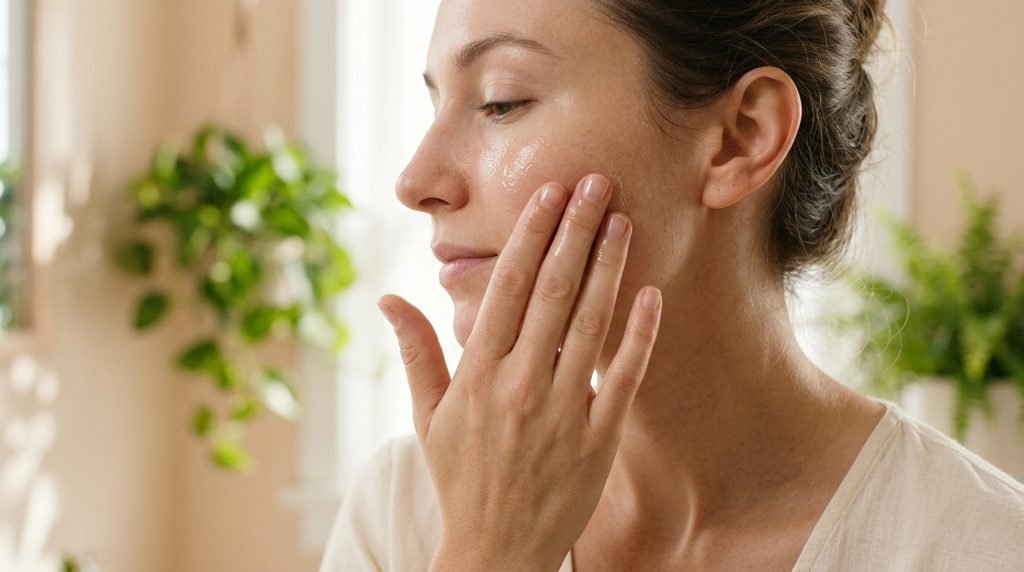
Waking up to blotchy patches, warm flushing, or sudden reactivity can make finding the right skincare products feel like a guessing game. Facial redness is a common symptom indicating that your skin’s protective barrier is under stress or reacting to an external trigger. Whether the irritation stems from harsh weather, over-using strong exfoliants, or natural skin sensitivity, applying heavy, complex formulas often worsens the problem.
To calm red, irritated skin effectively, the most successful strategy involves stripping your daily regimen down to soothing, supportive basics. By focusing on gentle cleansing, barrier restoration, and targeted anti-inflammatory support, you can reduce visible flushing and help your skin rebuild its natural resilience over time.
1. Understanding What Causes Facial Redness
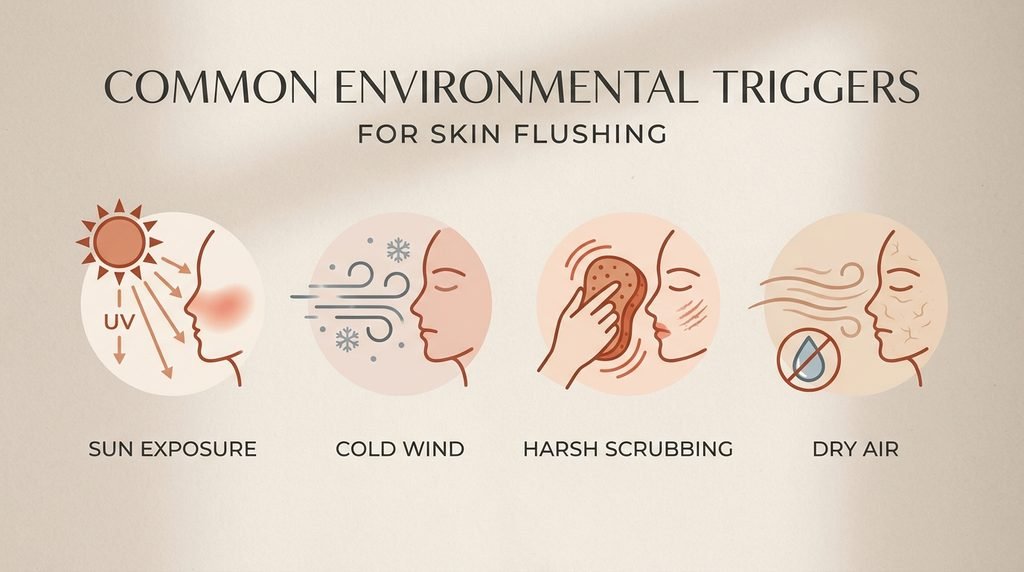
Before attempting to fix facial flushing, it helps to identify why your skin is reacting. Redness is an inflammatory signal, not an isolated skin type. When the skin barrier becomes compromised, microscopic cracks allow moisture to evaporate while letting irritants penetrate deeper into the dermis.
| Common Redness Cause | Key Characteristics & Symptoms |
|---|---|
| Barrier Damage | Tightness, stinging when applying basic creams, dry patchiness |
| Over-Exfoliation | Shiny or plastic-like texture, burning, widespread pinkness |
| Post-Acne Inflammation | Flat pink or purple marks remaining after blemishes heal |
| Environmental Triggers | Sudden flushing from wind, extreme cold, or hot water |
| Chronic Sensitivity | Persistent redness, warmth, or reactive vessel expansion |
Recognizing these subtle differences prevents missteps like applying harsh treatments to a skin surface that simply needs hydration and recovery time.
2. Core Ingredients That Help Reduce Redness
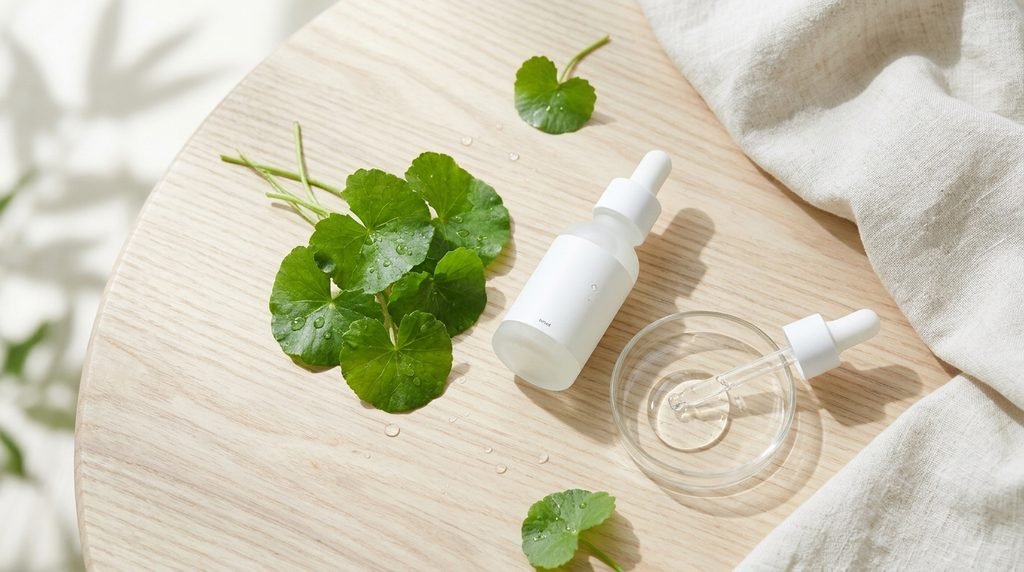
Choosing the right ingredients makes a significant difference when calming visible skin reactivity. Look for gentle, non-stripping actives that support repair without causing further friction:
- Azelaic Acid: Helps smooth skin texture and reduces the look of blotchiness by calming surface inflammation.
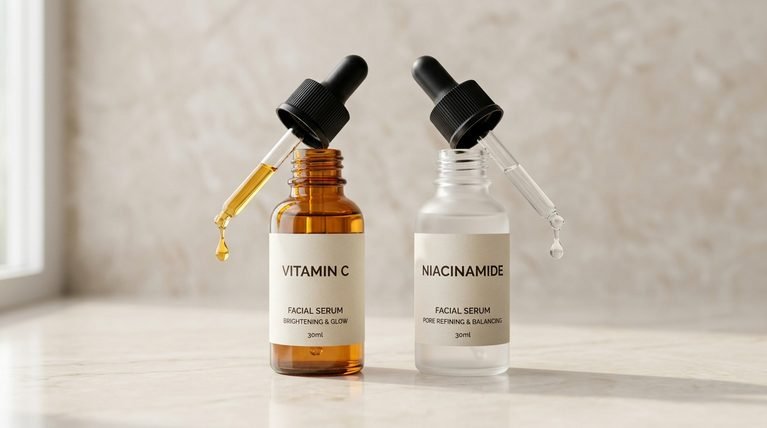
- Niacinamide (Vitamin B3): Strengthens the lipid barrier and evens out overall skin tone when used at moderate concentrations (2–5%).
- Ceramides: Essential lipids that fill the gaps between surface skin cells, locking in hydration and sealing out physical irritants.
- Centella Asiatica (Cica) & Panthenol: Botanical and vitamin extracts widely recognized for their soothing, comfort-instilling properties.
To explore how active concentrations impact sensitive complexions in detail, review our dedicated guide on Azelaic Acid Explained for step-by-step usage tips.
3. A Soothing 4-Step Skincare Routine for Redness
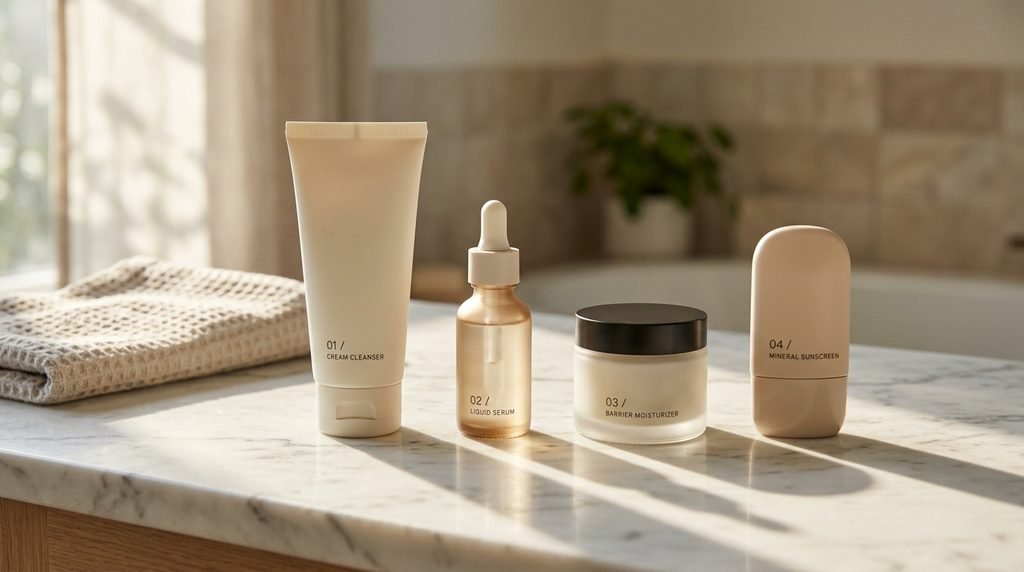
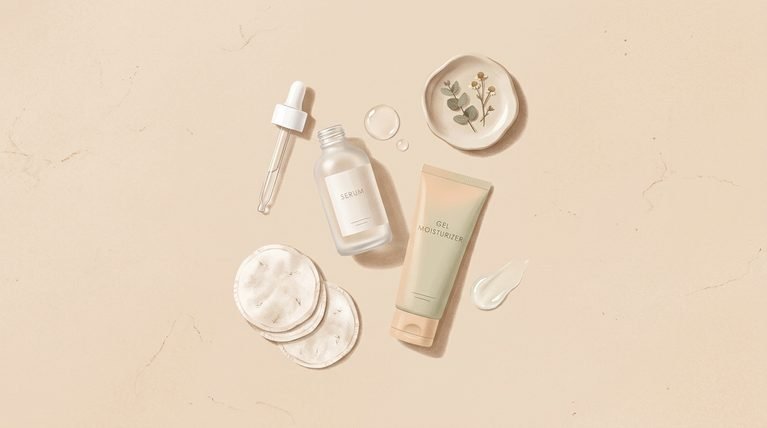
A successful routine for redness-prone skin prioritizes simplicity and gentle application techniques. Here is a balanced morning and evening framework to restore comfort:
| Step | Product Type | Key Recommended Ingredients | Primary Purpose |
|---|---|---|---|
| 1 | Gentle Cleanser | Glycerin, Panthenol, Oat Extract | Cleanses without stripping lipid layer |
| 2 | Calming Serum | Centella, Niacinamide, Hyaluronic | Hydrates deeply and soothes warmth |
| 3 | Barrier Cream | Ceramides, Squalane, Fatty Acids | Seals in moisture and repairs barrier |
| 4 | Mineral Sunscreen | Zinc Oxide, Titanium Dioxide | Defends against UV-induced flushing |
Daily Steps Breakdown:
- Cleanse gently: Wash with lukewarm water and a non-foaming, sulfate-free cleanser. Avoid vigorous rubbing or harsh washcloths.
- Apply a calming serum: Press a lightweight hydration serum containing centella asiatica or panthenol into damp skin to ease immediate tightness.
- Moisturize to protect: Layer a rich ceramide cream over the face to reinforce structural lipid levels.
- Apply mineral SPF daily: Use a broad-spectrum zinc oxide sunscreen every morning. Mineral filters sit on top of the skin, reflecting UV rays without generating heat.
For additional insight into selecting hydrating formulas for easily aggravated complexions, see our guide on Skincare for Sensitive Skin: A Simple Routine.
4. Cosmetic Triggers and Ingredients to Avoid

When managing skin prone to reactivity, eliminating irritants is just as vital as applying beneficial ingredients. Common formulation culprits can spark immediate flushing or aggravate hidden inflammation:
- Denatured Alcohol & Ethanol: Frequently added for a quick-drying feel, but known to strip natural protective oils.
- Synthetic Fragrances & Essential Oils: Highly aromatic compounds (such as citrus or lavender oils) are leading causes of contact irritation.
- Physical Scrubs & Rough Exfoliators: Nut shells, sugar grains, or harsh facial brushes create micro-tears on delicate skin surfaces.
- High-Concentration Strong Acids: Glycolic acid or strong retinoids should be paused while the moisture barrier is actively recovering.
If you suspect your skin issues stem from harsh exfoliation or over-processing, visit our complete overview on What Causes a Damaged Skin Barrier to guide your recovery process.
5. Distinguishing Facial Redness from Rosacea
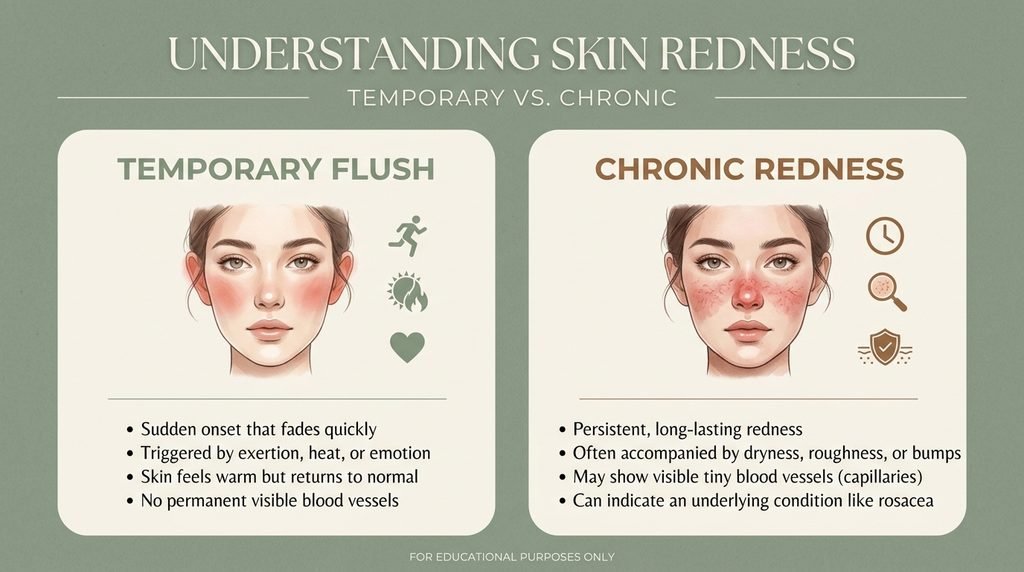
While occasional facial redness responds well to barrier repair creams and cosmetic adjustments, persistent, chronic flushing may indicate an underlying skin condition such as rosacea.
Understanding the distinction is key for setting realistic expectations:
- Temporary Redness: Triggered by environmental factors, temporary skin barrier disruption, or product sensitivity. It typically resolves within days or weeks once triggers are removed and hydration is restored.
- Rosacea: A chronic dermatological condition characterized by persistent central face flushing, visible blood vessels (telangiectasia), burning sensations, or papules and pustules.
According to dermatological guidelines published by the American Academy of Dermatology, individuals experiencing ongoing facial burning, swelling, or persistent redness that does not improve with gentle skincare should consult a board-certified dermatologist for a formal diagnosis and tailored medical evaluation.
If you have already received a medical evaluation for chronic flushing, read our complementary discussion on Rosacea and Serums for non-irritating hydration strategies.
Conclusion

Managing a redness-prone complexion comes down to patience, gentle handling, and ingredient awareness. By replacing harsh exfoliants and heavily fragranced products with barrier-supporting ceramides, niacinamide, and physical UV protection, you provide your skin with the environment it needs to recover. Keep your routine simple, monitor how your skin responds to each step, and prioritize barrier strength over quick cosmetic fixes. If persistent redness, warmth, or irritation continues despite a simplified routine, schedule a consultation with a dermatologist for personalized professional care.
Frequently Asked Questions

Q: How long does it take to reduce facial redness?
A: Irritation caused by temporary barrier damage or product reactivity often begins to calm within 3 to 7 days after stopping harsh triggers. Complete barrier recovery and noticeable reduction in surface blotchiness typically takes 2 to 4 weeks of consistent, gentle care.
Q: Is niacinamide good for redness-prone skin?
A: Yes, niacinamide helps strengthen the skin barrier and reduces surface inflammation. However, stick to lower concentrations between 2% and 5%. High-strength 10% formulas can sometimes induce temporary flushing or stinging on compromised, reactive skin types.
Q: Can green-tinted concealers help treat skin redness?
A: Green-tinted concealers and color-correcting creams neutralize the appearance of redness visually using color theory, but they do not treat the underlying cause. They are helpful cosmetic options for disguising surface flushing while your gentle skincare routine works to calm the skin.
Q: What is the best way to wash face skin prone to flushing?
A: Wash your face using lukewarm water and a gentle, fragrance-free, non-foaming cream cleanser. Use your fingertips to massage gently in circular motions, avoiding washcloths, cleansing brushes, or hot water, all of which can expand capillaries and trigger flushing.
Q: Should I avoid all exfoliation if my face is red?
A: It is best to pause all physical scrubs and chemical exfoliants (like glycolic or salicylic acid) while your skin is actively red, tight, or stinging. Once your barrier has fully recovered, you may reintroduce gentle exfoliants slowly, starting once per week.
Q: When should I see a doctor or dermatologist for facial redness?
A: You should consult a medical professional if your facial redness is persistent, worsening, accompanied by burning, itching, or swelling, or if you notice bumps and visible blood vessels. A dermatologist can provide an accurate diagnosis and appropriate clinical guidance.