Executive Summary
Uneven skin texture—marked by tiny bumps, rough patches, enlarged pores, or post-acne indentation—can make skin feel coarse and look dull under direct lighting. Unlike uneven skin tone, which centers on pigmentation and discoloration, skin texture is an physical surface issue driven by trapped sebum, slow cell turnover, collagen breakdown, or environmental damage. Restoring a smoother feeling requires identifying the exact root cause rather than aggressively scrubbing the face. This comprehensive guide outlines the differences between texture and tone, details how targeted ingredients like salicylic acid, glycolic acid, and retinoids work, and provides a clear routine designed to smooth surface irregularities safely without compromising your skin barrier.
Understanding Surface Roughness: What Is Uneven Skin Texture?
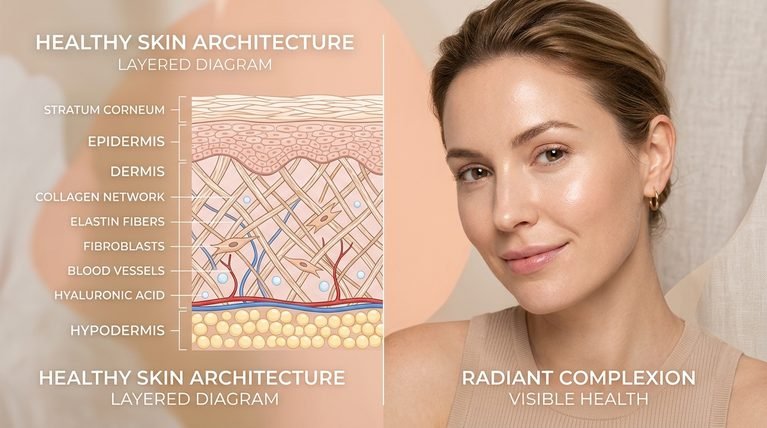
Running your fingers across your face and feeling tiny bumps, sand-paper patches, or subtle dips can be frustrating. Uneven skin texture occurs when the outer layer of the skin—the stratum corneum—loses its natural smoothness. Healthy skin naturally sheds dead skin cells every 28 to 40 days, revealing fresh cells underneath. When this cell turnover process slows down or becomes disrupted, dead cells stick together, mix with natural oils, and create tactile roughness.
It is critical to distinguish skin texture from uneven skin tone. While skin tone refers to hyperpigmentation, redness, or dark spots, texture refers strictly to the physical contour and feel of your skin’s surface. You can have completely clear, even-toned skin that still feels rough or bumpy to the touch. Conversely, skin can feel velvety soft while exhibiting widespread hyperpigmentation. Understanding this distinction ensures you choose ingredients that refine the surface rather than solely targeting pigment pathways.
What Causes Uneven Skin Texture?
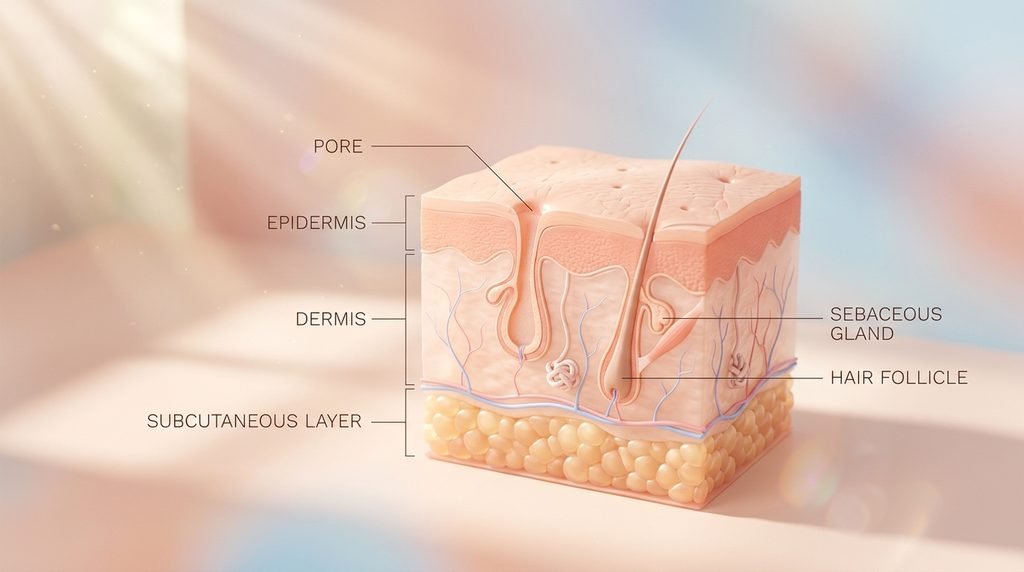
Surface roughness does not happen overnight. It is usually the cumulative result of physiological changes, cellular buildup, or improper skincare habits. Knowing what triggers your texture helps you select the right remedies.
Dead Cell Buildup and Slow Turnover
As we age, cellular replacement slows down. Dead skin cells linger on the skin’s surface longer, creating a dull, rough, or flaky texture that prevents light from reflecting evenly.
Clogged Pores and Closed Comedones
When excess sebum combines with shedding cells inside the pore lining, non-inflammatory congestion forms. These frequently manifest as closed comedones—small, skin-colored bumps often found across the forehead, chin, and cheeks that do not turn into red pimples.
Collagen Loss and Sun Damage
Chronic ultraviolet (UV) exposure degrades collagen and elastin fibers within the dermis. Over time, the skin loses its structural firmness, causing pores to appear larger and slackened, resulting in an uneven, orange-peel visual texture.
Textural Acne Scars
Past inflammatory breakouts can leave behind structural changes. Icepick, boxcar, or rolling scars represent localized areas where tissue was lost during the healing process, creating uneven depths across the cheek or temple area.
| Texture Type | Primary Cause | Key Characteristics | Best Ingredient Strategy |
| Small Forehead Bumps | Trapped sebum & cells (Closed Comedones) | Flesh-colored, hard bumps | Salicylic Acid (BHA) |
| Rough, Flaky Patches | Dehydrated skin & dead cell buildup | Dry feel, dull reflection | Glycolic or Lactic Acid (AHA) |
| Enlarged, Slack Pores | Sun damage & sagging collagen | Visible pore openings | Retinoids & Niacinamide |
| Acne Scars / Indentations | Loss of dermal tissue post-inflammation | Small pits or rolling depressions | Professional treatments & Retinoids |
Essential Ingredients to Smooth Rough and Bumpy Skin
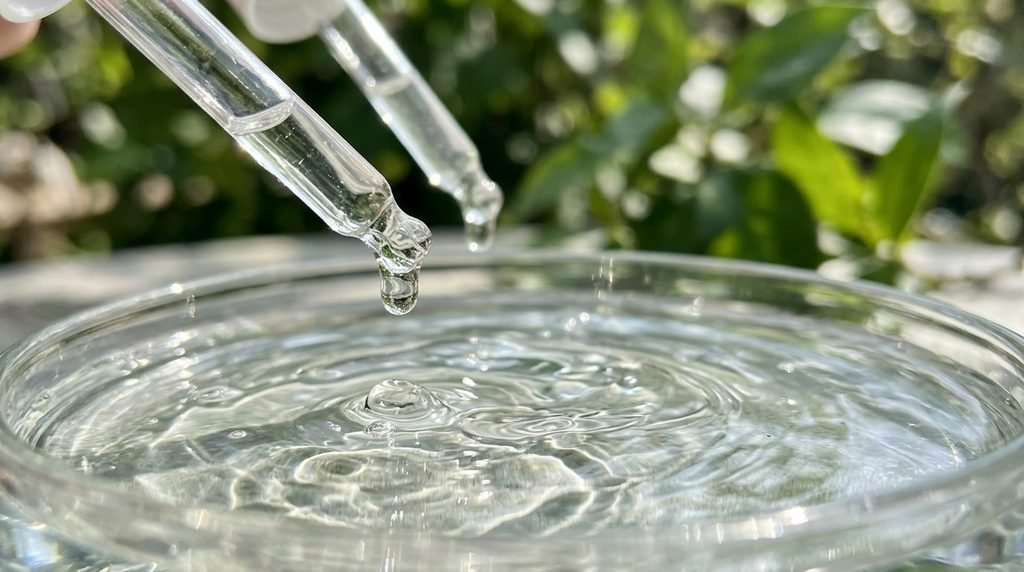
Smoothing out rough texture requires active ingredients that encourage exfoliation, unclog pores, and stimulate collagen synthesis. Incorporating these proven actives thoughtfully is key to avoiding irritation.
       ┌─────────────────────────────────────────────────────────┐
       │             TARGETED TEXTURE INGREDIENTS                │
       └────────────────────────────┬────────────────────────────┘
                                    │
         ┌──────────────────────────┼──────────────────────────┐
         ▼                          ▼                          ▼
 ┌───────────────┐          ┌───────────────┐          ┌───────────────┐
 │ Beta Hydroxy  │          │ Alpha Hydroxy │          │   Retinoids   │
 │  Acid (BHA)   │          │  Acids (AHA)  │          │  (Vitamin A)  │
 ├───────────────┤          ├───────────────┤          ├───────────────┤
 │ • Oil-soluble │          │ • Water-soluble│         │ • Cell turn-  │
 │ • Unclogs     │          │ • Dissolves   │          │   over boost  │
 │   pores       │          │   surface glue│          │ • Collagen    │
 │ • Smooths     │          │ • Hydrates    │          │   support     │
 │   bumps       │          │   surface     │          │ • Refines     │
 └───────────────┘          └───────────────┘          └───────────────┘
Salicylic Acid (BHA) for Pore Congestion
Salicylic acid is oil-soluble, meaning it penetrates deep into sebum-filled pores to break apart the debris holding closed comedones together. For an in-depth breakdown of chemical exfoliants, check out our guide on [AHA vs. BHA vs. PHA Exfoliants].
Glycolic & Lactic Acid (AHA) for Surface Polish
Alpha Hydroxy Acids are water-soluble and work on the outermost layer of skin. They dissolve the chemical bonds connecting dead skin cells, allowing them to shed effortlessly to reveal softer skin beneath.
Retinoids for Long-Term Cellular Renewal
Retinoids increase the rate of epidermal cell turnover and signal collagen production in deeper layers. Consistent use over several months smooths fine lines and firms tissue surrounding open pores. Learn how to introduce this ingredient properly in [Retinol Basics Explained].
Niacinamide for Barrier Support and Pore Elasticity
Niacinamide (Vitamin B3) regulates sebum output and strengthens the lipid barrier, preventing moisture loss while keeping pore walls elastic and tight.
How to Build a Daily Routine for Uneven Skin Texture
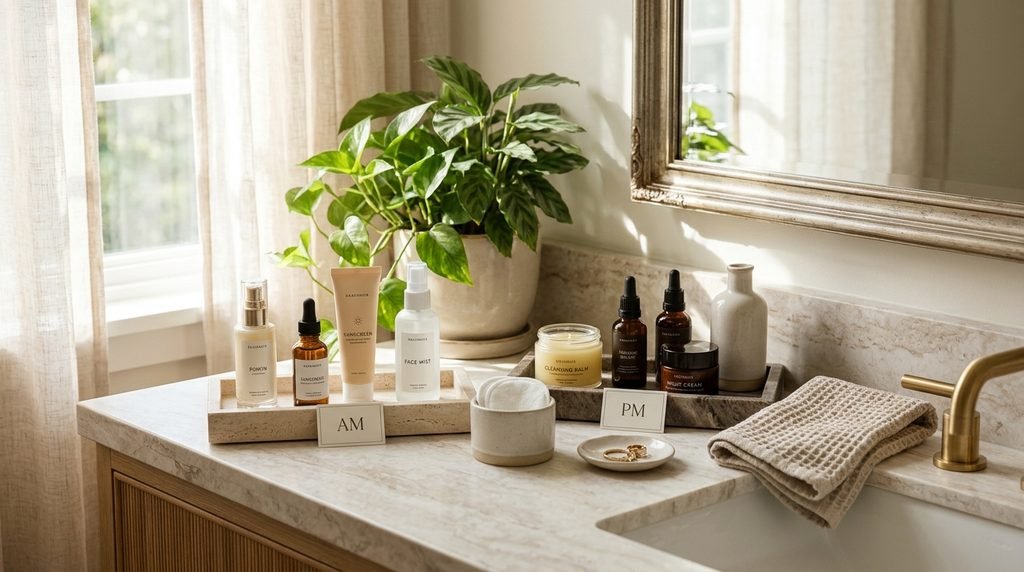
To fix surface bumps without stripping your protective moisture barrier, implement a balanced daily framework. Over-exfoliating can damage the skin barrier, leading to increased redness and worsening texture.
Morning Routine: Protect and Refine
- Gentle Cleanser: Wash with a mild, non-stripping gel cleanser to clean off night-time oils.
- Hydrating Toner or Serum: Apply a lightweight serum containing niacinamide or hyaluronic acid to plump outer surface layers.
- Lightweight Moisturizer: Use a non-comedogenic lotion that locks in hydration without clogging pores.
- Broad-Spectrum SPF 30+: UV protection prevents collagen breakdown and stops post-acne texture from darkening.
Evening Routine: Treat and Repair
- Double Cleanse: Use an oil-based cleanser followed by a gentle water-based wash to completely clear sunscreen and debris.
- Targeted Active (Alternate Nights): Apply a BHA or AHA liquid exfoliant 2–3 nights a week. On non-exfoliating nights, apply your retinoid treatment. Avoid layering acids and retinoids together at the same time to prevent irritation.
- Barrier Moisturizer: Finish with a ceramides-rich moisturizer to reinforce lipid integrity while you sleep.
If you suspect your skin barrier is already compromised from over-scrubbing, review our steps on [How to Repair a Damaged Skin Barrier] before starting any active treatments.
When to Seek Professional Dermatological Treatments
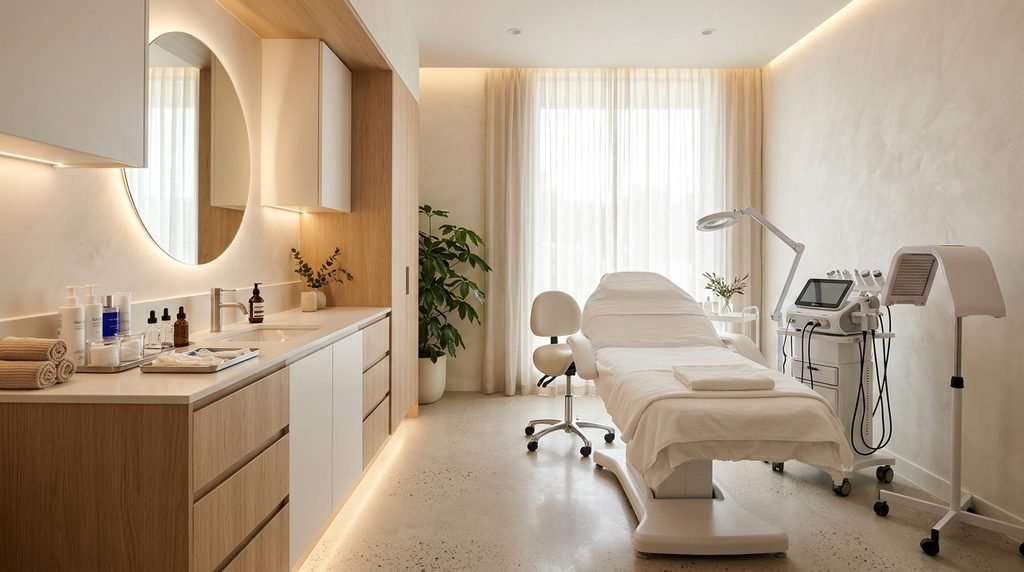
Over-the-counter topical products work exceptionally well for surface roughness, dead cell buildup, and mild pore congestion. However, structural changes like deep acne scarring or significant elastosis require higher-concentration clinical procedures.
Professional options include:
- Chemical Peels: High-strength glycolic, trichloroacetic (TCA), or salicylic acid peels applied by a specialist to accelerate deep exfoliation.
- Microneedling: Controlled micro-injuries created on the skin trigger a natural wound-healing cascade, inducing fresh collagen production to plump up indented scars.
- Fractional Laser Resurfacing: Targeted light energy removes microscopic columns of damaged skin, rebuilding smoother texture from deep within.
Note: Consult a board-certified dermatologist if you notice sudden texture changes accompanied by itching, burning, or spreading rash-like bumps, as these may indicate conditions such as fungal acne or contact dermatitis.
For more guidance on managing stubborn structural irregularities, read our comprehensive overview on [How to Reduce the Appearance of Acne Scars]. To learn about discoloration, explore our guide on building a [Skincare Routine for Uneven Skin Tone].
Conclusion

Smoothing uneven skin texture requires a targeted, steady approach rather than harsh physical scrubs. By identifying whether your roughness stems from clogged pores, dry cell accumulation, or collagen degradation, you can choose the right combination of BHA, AHA, or retinoids to gently restore surface clarity. Remember that consistency beats intensity—gradual cellular turnover yields long-lasting softness without compromising your barrier. Assess your current routine today, incorporate one active treatment at a time, and protect your progress with daily broad-spectrum sunscreen.
FAQ Section

Open notebook and skincare products on a brightly lit wooden desk.
Q: What is the difference between uneven skin texture and uneven skin tone?
A: Uneven skin texture refers to physical surface irregularities you can feel, such as small bumps, rough patches, enlarged pores, or indented scars. Uneven skin tone refers to pigment variations you can see, including hyperpigmentation, dark spots, or redness on an otherwise smooth surface.
Q: How long does it take to improve uneven skin texture?
A: Surface softness from chemical exfoliants like AHAs or BHAs can often be felt within 1 to 2 weeks. However, deeper textural improvement driven by cellular turnover and collagen support—such as smoothing closed comedones or refined pores using retinoids—typically takes 8 to 12 weeks of consistent use.
Q: What causes small bumps on the forehead that won’t pop?
A: These tiny, skin-colored bumps are usually closed comedones—pores clogged beneath the skin surface by a mixture of dead skin cells and hardened sebum. Because there is no open pore surface exposed to air, they do not develop into dark blackheads or inflammatory pimples.
Q: Can over-exfoliating make skin texture worse?
A: Yes, over-exfoliating strips the protective lipid barrier, leading to dehydration, inflammation, and micro-flaking. When dehydrated, the skin often overproduces oil to compensate, creating a combination of tight, dry patches alongside new surface bumps and enlarged-looking pores.
Q: Does salicylic acid help with bumpy skin texture?
A: Salicylic acid (a BHA) is particularly effective for bumpy skin because it is oil-soluble. It penetrates deep into pores to dissolve trapped sebum and cellular debris responsible for rough surface bumps, closed comedones, and congested pores.
Q: Will skincare products completely fix deep acne scars?
A: Topical skincare products can refine mild texture and soften the edges of light superficial scarring over time. However, deep indented acne scars (such as icepick or boxcar scars) usually require professional clinical treatments like microneedling, laser resurfacing, or chemical peels for substantial correction.