Executive Summary
Ceramides are natural lipids that make up over 50% of your skin’s outermost layer, acting as the protective “mortar” that holds your skin cells together. When ceramide levels drop due to harsh cleansers, over-exfoliation, or environmental stress, the skin barrier becomes compromised—leading to dryness, redness, irritation, and heightened sensitivity. This guide breaks down the precise biological function of ceramides in skincare, how to identify the warning signs of a damaged barrier, and how these essential lipids differ from hydration heavyweights like hyaluronic acid. You will also learn how to select the right ceramide complex (including Ceramides NP, AP, and EOP) and integrate them into a daily routine designed to restore moisture retention and long-term resilience.
Hook-Up Paragraph
If your skin constantly feels tight, looks visibly flushed, or stings when you apply even basic moisturizer, your natural protective shield is likely crying out for help. Understanding what ceramides do for your skin barrier is the single most effective step toward restoring a calm, balanced complexion. Ceramides are not just another trendy skincare ingredient cycling through social media; they are fundamental structural lipids your skin requires to function correctly. Without adequate ceramides, your skin loses water rapidly while letting environmental irritants slip through the cracks. In this complete guide, we will unpack how ceramides work at a microscopic level, how to repair a disrupted barrier, and how to layer these restorative molecules with your existing routine for lasting comfort.
What Are Ceramides and How Do They Function?
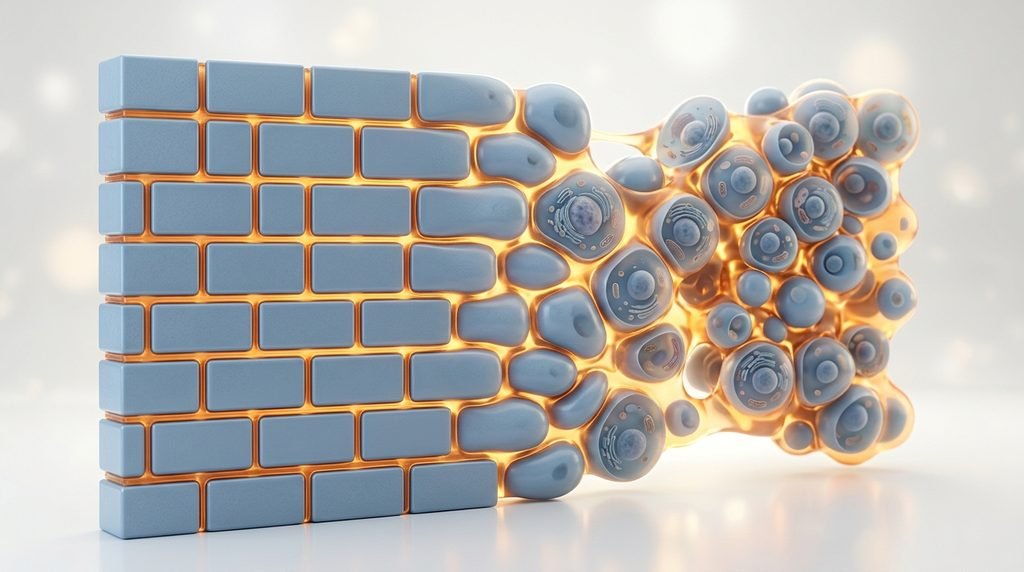
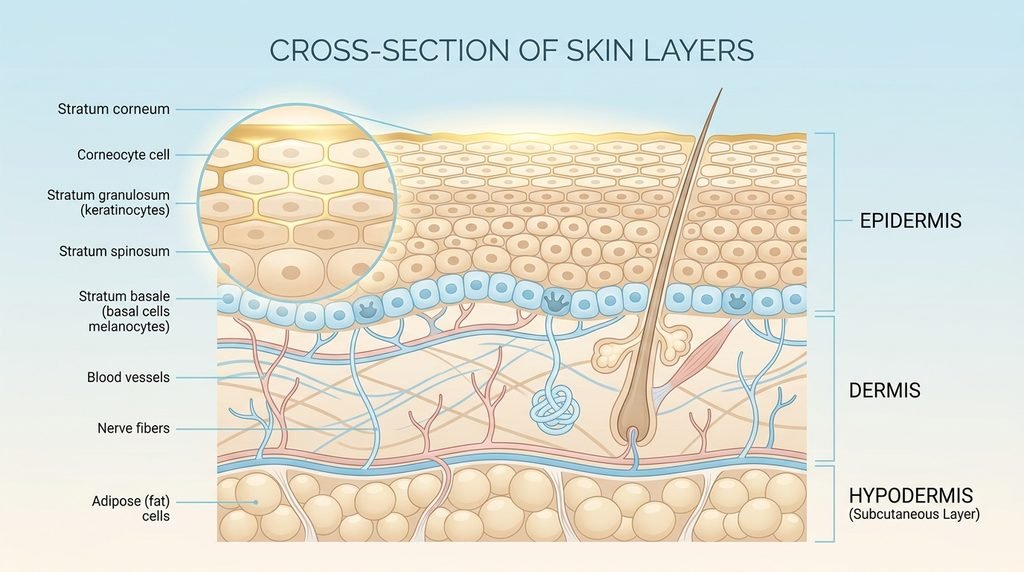
To understand ceramides, picture your stratum corneum—the outermost layer of your skin—as a sturdy brick wall. Your skin cells (corneocytes) act as the bricks, while intercellular lipids serve as the mortar holding everything together. Ceramides represent over 50% of that lipid mortar, alongside cholesterol and free fatty acids.
+-------------------------------------------------------+
|                 STRATUM CORNEUM                       |
|                                                       |
|  [ Cell ]   [ Cell ]   [ Cell ]   <-- Skin "Bricks"   |
|  ==============================                       |
|  :: CERAMIDES / CHOLESTEROL ::   <-- Lipid "Mortar"   |
|  ==============================                       |
|  [ Cell ]   [ Cell ]   [ Cell ]                       |
+-------------------------------------------------------+
When your lipid mortar is complete and dense, it creates an impermeable seal. This seal performs two vital tasks: keeping essential moisture locked inside your tissue and blocking external pollutants, microbes, and allergens from penetrating deep into the dermis. As we age, our natural production of ceramides slows down. By the time you reach your 30s, you have lost a noticeable portion of your natural ceramide reserves, making topically applied ceramide formulas vital for maintaining skin structural integrity.
When topical formulas deliver identical or synthetic versions of these natural lipids, they merge with your existing extracellular matrix. Rather than sitting on top of the skin like heavy petrolatum occlusives, ceramides integrate directly into the lipid bilayer, reinforcing the physical structure of your outer shield.
Signs Your Skin Barrier Is Damaged
How do you know if your natural lipid balance has been compromised? A healthy barrier remains soft, supple, and hydrated. When your ceramide reserves drop, water evaporates out through a process known as Transepidermal Water Loss (TEWL). At the same time, irritating molecules migrate inward, causing localized inflammatory responses.
Here are the primary signs that your lipid shield needs support:
- Persistent Tightness: Your skin feels uncomfortable or stretched, especially right after cleansing, even when using mild water-based formulas.
- Dehydration Flakiness: You notice tiny, fine lines and patchy texture that appear worse when applying makeup or tinted sunscreens.
- Stinging or Burning: Applying gentle products that usually cause no reaction suddenly produces a sharp, uncomfortable sensation.
- Unexplained Redness and Reactivity: The skin stays flushed or develops sudden rough patches in response to mild weather shifts or mild products.
- Increased Breakouts: Counterintuitively, a damaged barrier allows surface bacteria to enter microscopic micro-tears, leading to inflammation and congestion alongside dry patches.
Recognizing these symptoms early allows you to pause active treatments—like strong acids or retinoids—and switch to targeted barrier care before severe irritation develops.
Ceramides vs. Hyaluronic Acid: Understanding the Difference
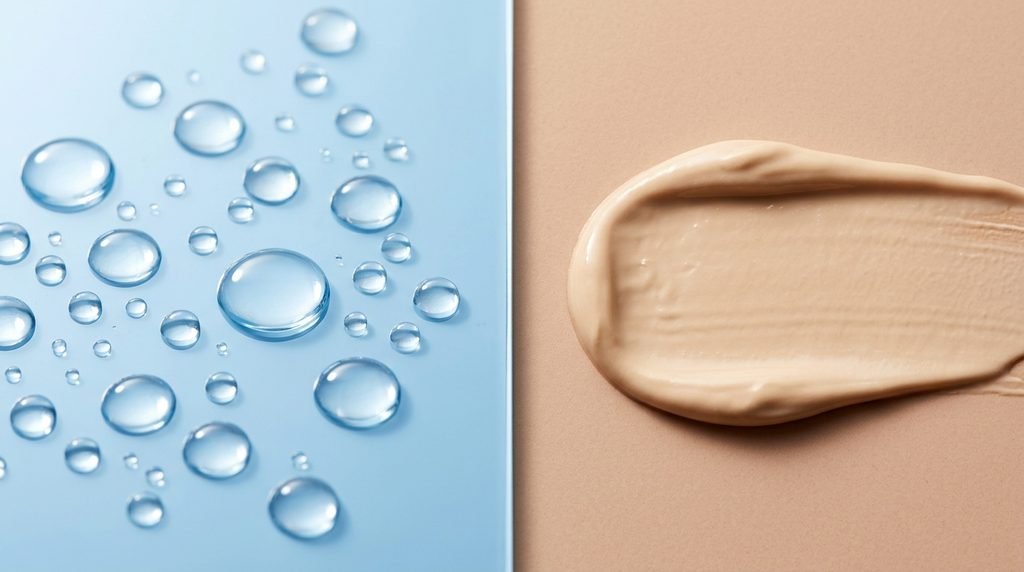
A frequent point of confusion in skincare is the difference between ceramides and hyaluronic acid. While both are heavily praised for treating dry or dehydrated complexions, they belong to completely different chemical families and serve distinct functional roles.
| Feature / Aspect | Ceramides | Hyaluronic Acid |
| Molecule Class | Structural Lipids (Fats) | Humectant (Glycosaminoglycan) |
| Primary Mechanism | Seals skin matrix, stops water loss | Draws water from air/dermis into skin |
| Key Function | Barrier repair and lipid replenishment | Surface hydration and plumpness |
| Best Used For | Dry, flaky, sensitive, or damaged skin | Dehydrated, dull, or fine-lined skin |
| Analogy | The mortar holding bricks together | A sponge soaking up moisture |
Hyaluronic acid works like a microscopic sponge, pulling water molecules into the upper skin layers to instantly plump up fine lines. However, hyaluronic acid cannot hold that moisture in place by itself. If your lipid barrier is damaged, the water drawn in by hyaluronic acid simply evaporates back out into the air.
Ceramides, on the other hand, build the actual protective seal. They do not hold water bound to their structure; instead, they build the waterproof barrier that keeps moisture trapped inside. For optimal results, pairing a humectant like hyaluronic acid with a lipid-rich ceramide moisturizer provides both deep water hydration and the seal required to prevent water loss.
For a deeper look into selecting hydration boosters, check our guide on [Understanding Hyaluronic Acid and Hydration Mechanisms] to build a balanced multi-layered routine.
The Chemistry of Ceramides: Decoding Product Labels

When scanning the ingredient list (INCI) on your moisturizer or serum, you rarely see the single word “ceramide.” Instead, manufacturers list specific ceramide subtypes, often followed by letter abbreviations. Understanding these terms helps you choose formulas with well-rounded barrier support.
- Ceramide NP (Ceramide 3): One of the most prevalent types in human skin. It excels at improving long-term moisture retention and reinforcing structural stability.
- Ceramide AP (Ceramide 6-II): Works closely with natural skin enzymes to support outer cell turnover while smoothing the appearance of rough surface texture.
- Ceramide EOP (Ceramide 1): Known for its unique long-chain structure, this type plays a pivotal role in linking the lipid layers together to reinforce overall matrix cohesion.
- Phytosphingosine and Sphingosine: Natural precursor molecules that encourage skin to produce its own endogenous ceramides while offering mild anti-inflammatory benefits.
Formulations that combine multiple ceramide classes along with cholesterol and fatty acids—often in a specific 3:1:1 ratio—mimic the natural architecture of human skin, providing faster, more complete barrier recovery.
How to Integrate Ceramides into Your Daily Routine
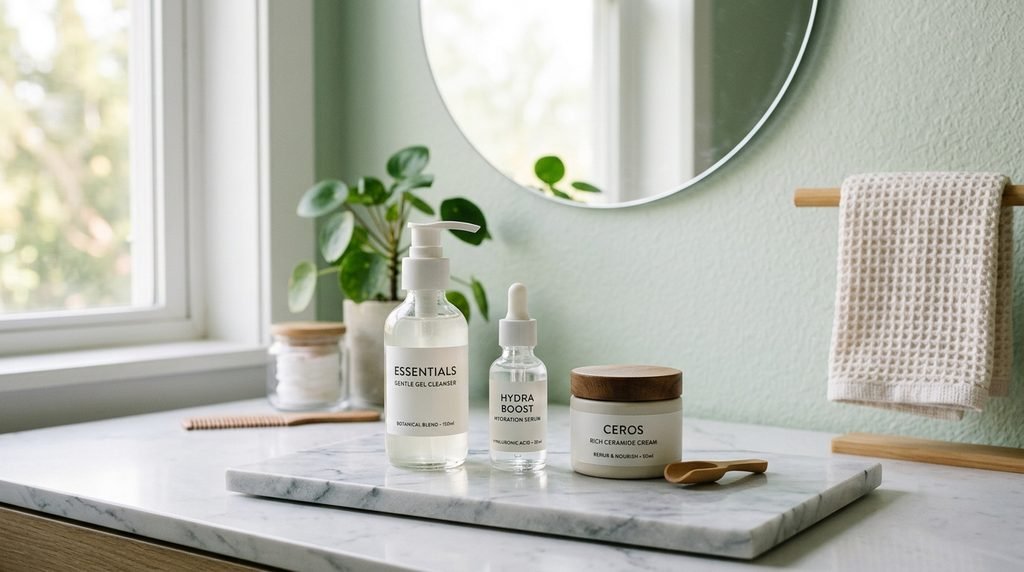
Ceramides are versatile, non-irritating ingredients that fit into almost any skincare regimen. Because they mirror lipids already present in your body, they rarely trigger sensitivity and pair smoothly with most active ingredients.
+-------------------------------------------------------+
|            BARRIER RECOVERY ROUTINE                   |
|                                                       |
|  [Morning]                                            |
|   1. Gentle Cleanser (Sulfate-Free)                   |
|   2. Hydrating Serum (e.g., Hyaluronic Acid)          |
|   3. Ceramide Moisturizer                             |
|   4. Broad-Spectrum SPF 30+                           |
|                                                       |
|  [Evening]                                            |
|   1. Oil/Micellar Cleanser + Gentle Water Cleanser     |
|   2. Soothing Essence                                 |
|   3. Ceramide Serum or Barrier Cream                  |
+-------------------------------------------------------+
To maximize your results, keep these application guidelines in mind:
- Apply to Damp Skin: Apply your ceramide serum or cream immediately after cleansing or misting while your skin retains surface moisture. This helps trap water beneath the newly applied lipid layer.
- Pair with Exfoliating Acids Carefully: While ceramides help offset the drying effects of alpha-hydroxy acids (AHAs) or beta-hydroxy acids (BHAs), avoid over-exfoliating when your barrier feels actively compromised.
- Buffer Potent Actives: If you use prescription retinoids or strong retinol, layer a light ceramide lotion beforehand. This buffering step reduces redness and peeling without rendering the active ingredient ineffective.
- Consistency Over Quantity: Consistent daily application yields better results than heavy occasional applications. The skin takes several weeks to fully rebuild its damaged structural layers.
For authoritative scientific insight on lipid barrier maintenance and dermatological research on ceramide efficacy, review the [National Center for Biotechnology Information (NCBI) Skin Barrier Studies] to explore clinical assessments of topically applied barrier repair complexes.
Conclusion
Ceramides serve as the essential lipid foundation that protects your skin from environmental stressors, dryness, and unnecessary sensitivity. By holding your skin cells firmly together, these vital fats form the protective seal necessary to maintain deep hydration, smooth texture, and long-term resilience. Whether you are addressing overt signs of barrier damage like redness and stinging, or simply looking to protect your complexion against changing seasonal weather, adding a multi-ceramide formula to your regimen delivers proven structural support. Evaluate your current lineup, identify where your lipid layer needs reinforcement, and give your skin the essential components it requires to remain balanced, healthy, and protected.
FAQ Section
Q: What is ceramide barrier repair and how does it work?
A: Ceramide barrier repair involves applying topical formulations containing skin-identical lipids to replace missing fats in the stratum corneum. These ceramides integrate into the skin’s natural intercellular matrix, restoring the protective seal that prevents excess moisture loss and shields underlying tissue from external irritants, pollution, and microbes.
Q: Which is better for daily skin health, niacinamide or ceramide?
A: Neither is inherently better; they perform complementary roles. Ceramides directly replenish the physical lipid matrix to seal in hydration. Niacinamide (Vitamin B3) supports natural ceramide synthesis and reduces surface inflammation. Using both ingredients together provides both immediate lipid replenishment and ongoing barrier reinforcement.
Q: What common daily habits destroy ceramides in the skin?
A: Over-exfoliating with harsh physical scrubs, overusing strong chemical exfoliants, cleansing with hot water, and using aggressive sulfate surfactants strip away natural surface lipids. Environmental factors like cold dry winds, excessive sun exposure, and low indoor humidity also deplete natural ceramide levels over time.
Q: What is a ceramide barrier serum and when should I use it?
A: A ceramide barrier serum is a concentrated fluid lotion engineered to deliver lipids, fatty acids, and soothing nutrients deep into the surface layers of the skin. Apply it after cleansing and humectant serums, but before heavy creams, twice daily during times of dryness, seasonal changes, or active barrier disruption.
Q: How long does it take to repair a damaged skin barrier with ceramides?
A: While immediate relief from tightness can occur within a few applications, fully rebuilding a compromised skin barrier typically takes 2 to 4 weeks. This timeline aligns with your skin’s natural cell turnover cycle, provided you eliminate harsh cleansers and active irritants during the recovery phase.
Q: Can I safely use ceramides alongside retinol or glycolic acid?
A: Yes, ceramides pair exceptionally well with potent active ingredients like retinol and glycolic acid. Applying ceramides alongside strong active treatments buffers against common side effects like flaking, dry patches, and localized redness without diminishing the active ingredient’s overall efficacy.