Executive Summary
Azelaic acid is a naturally occurring dicarboxylic acid celebrated for its gentle, multi-tasking approach to complex skin concerns. Unlike harsher active ingredients, it simultaneously targets persistent acne breakouts, diffused rosacea redness, and stubborn hyperpigmentation without causing widespread irritation. This comprehensive guide details the precise mechanisms behind azelaic acid benefits, outlining how it inhibits melanin production, calms inflammatory pathways, and clears pore congestion. You will learn how to choose between 10% over-the-counter options and 15–20% prescription strengths, alongside practical strategies for layering this versatile molecule with actives like retinol or niacinamide to achieve a balanced, luminous complexion.
Hook-Up Paragraph

Finding a single active ingredient that manages active breakouts, lingering dark spots, and chronic facial redness often feels impossible. Many aggressive treatments calm one issue only to aggravate another, leaving sensitive skin compromised. That is where azelaic acid benefits truly stand apart. Derived from grains or produced synthetically for stability, this multi-functional dicarboxylic acid manages three distinct skin challenges at once. Whether you are navigating adult acne, persistent post-inflammatory dark marks, or the flushing associated with rosacea, understanding what azelaic acid does for your skin barrier can completely transform your daily routine. Here is a clear, evidence-based breakdown of how this gentle powerhouse works and how to use it safely.
What Is Azelaic Acid and How Does It Work?
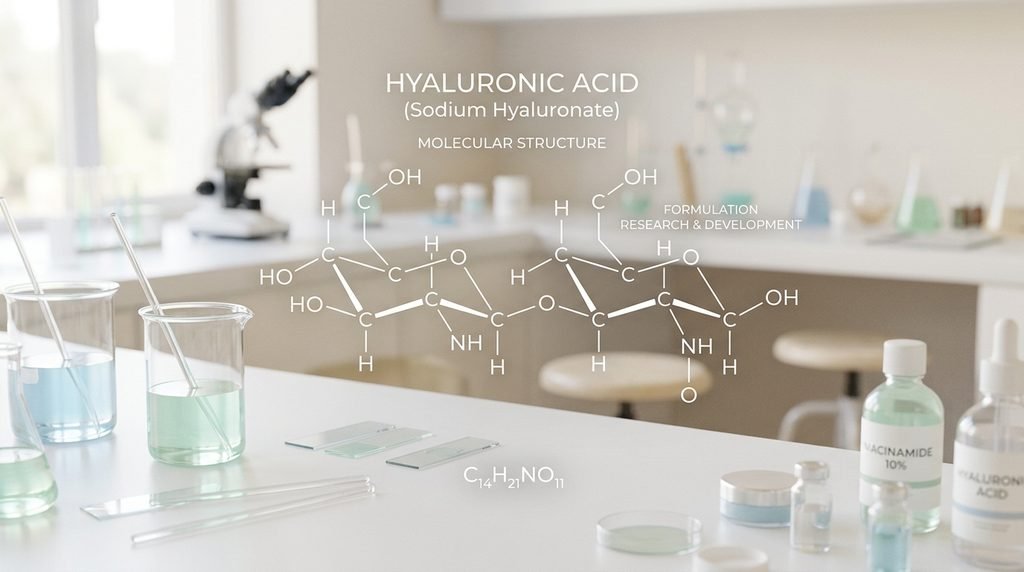
Azelaic acid belongs to a class of compounds known as dicarboxylic acids. Naturally synthesized by yeasts living on normal skin, commercial skincare formulations utilize lab-created versions to ensure stability, purity, and optimal efficacy.
Unlike alpha hydroxy acids (AHAs) or beta hydroxy acids (BHAs), azelaic acid is not primarily an micro-exfoliant. While it does promote mild cellular turnover, its primary strength lies in its selective therapeutic action. It targets malfunctioning or overactive cells—such as hyperactive melanocytes or inflammatory bacteria—while leaving healthy skin structures intact.
       ┌─────────────────────────────────────────────────────────┐
       │                   AZELAIC ACID MOLECULE                 │
       └────────────────────────────┬────────────────────────────┘
                                    │
         ┌──────────────────────────┼──────────────────────────┐
         ▼                          ▼                          ▼
┌─────────────────┐        ┌─────────────────┐        ┌─────────────────┐
│  ANTI-BACTERIAL │        │ ANTI-INFLAMMATORY│        │ TYROSINASE INHIB│
├─────────────────┤        ├─────────────────┤        ├─────────────────┤
│ Normalizes keratin│       │ Neutralizes ROS │        │ Targets abnormal│
│ Clears pores    │        │ Reduces flushing│        │ melanocytes only│
└─────────────────┘        └─────────────────┘        └─────────────────┘
Its selective mechanism explains why it works so well across diverse skin types. It delivers targeted repair without thinning the epidermis or stripping the natural moisture barrier, making it a reliable choice for long-term daily management.
1. Azelaic Acid for Acne: Clearing Pores and Reducing Bacteria
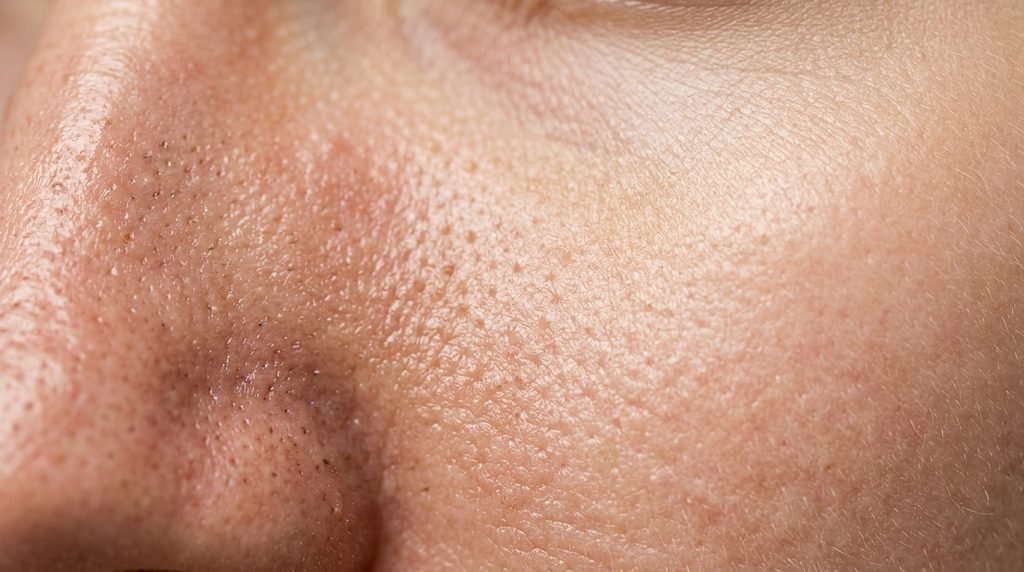
Acne formation involves three primary factors: excess sebum production, irregular shedding of dead skin cells (hyperkeratinization), and overgrowth of Cutibacterium acnes bacteria. Azelaic acid directly intervenes in two of these critical steps.
First, it functions as a mild keratolytic agent. It normalizes the way skin sheds dead cells inside the follicular pore lining, preventing the formation of micro-comedones—the microscopic precursors to blackheads and whiteheads. Second, it exerts significant antibacterial effects against C. acnes.
Key Takeaway: Unlike topical antibiotics, bacteria do not develop resistance to azelaic acid over time. This makes it a sustainable, long-term choice for inflammatory breakout prevention.
By reducing bacterial colonization and preventing cellular debris from clogging pores, it calms painful, swollen bumps while keeping skin smooth.
2. Azelaic Acid for Rosacea: Calming Redness and Inflammation
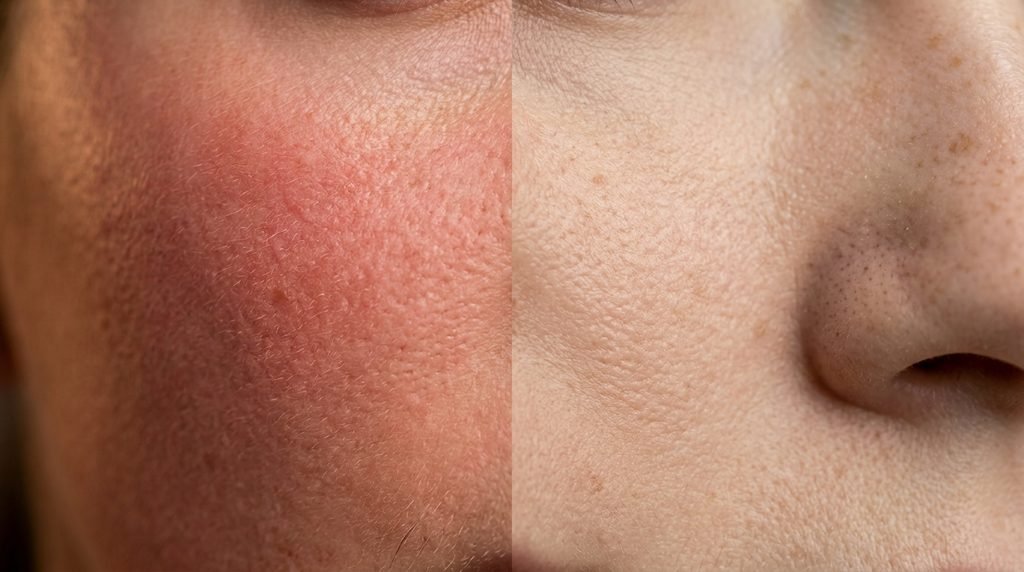
Rosacea is characterized by a hyper-reactive cutaneous vascular system and heightened baseline inflammation. People experiencing type 1 (erythematotelangiectatic) or type 2 (papulopustular) rosacea often struggle to find active ingredients that do not trigger severe flushing.
[Inflammatory Signals] ──► [Reactive Oxygen Species (ROS)] ──► [Skin Flushing & Papules]
                                     │
                             (Azelaic Acid Blocks)
                                     │
                                     ▼
                      [Calmed Barrier & Equalized Tone]
Azelaic acid addresses rosacea by inhibiting the production of inflammatory cytokines and neutralizing reactive oxygen species (ROS)—unstable molecules that damage healthy skin cells and worsen redness. By suppressing these inflammatory cascades, it visibly diminishes general facial redness and minimizes the small, acne-like bumps common in papulopustular rosacea. For those navigating reactive skin, reviewing our detailed guide on managing Common Skin Concerns offers additional strategies for building a calm, supportive baseline.
3. Azelaic Acid for Hyperpigmentation: Fading Dark Spots and Melasma
Post-inflammatory hyperpigmentation (PIH) and melasma occur when melanocytes—the pigment-producing cells in the lower layers of the epidermis—produce excessive melanin in response to injury, acne inflammation, or hormonal fluctuations.
+-------------------------------------------------------------------------+
|                    TYROSINASE INHIBITION MECHANISM                      |
+-------------------------------------------------------------------------+
| Normal Skin Cell  --> Unaffected (Azelaic acid leaves baseline intact)  |
|                                                                         |
| Hyperactive Cell  --> Inhibited (Selectively targets excess melanin)   |
+-------------------------------------------------------------------------+
Azelaic acid targets hyperpigmentation by functioning as a reversible inhibitor of tyrosinase, the key enzyme required for melanin synthesis.
Crucially, azelaic acid exhibits a unique affinity for hyperactive or abnormal melanocytes, leaving surrounding, normally pigmented skin unaffected. This precise action prevents the boundary halo effect often seen with aggressive bleaching agents, allowing post-acne marks, sun spots, and melasma patches to gradually fade into an even, balanced skin tone.
Over-the-Counter vs. Prescription Strength: Which Is Right for You?
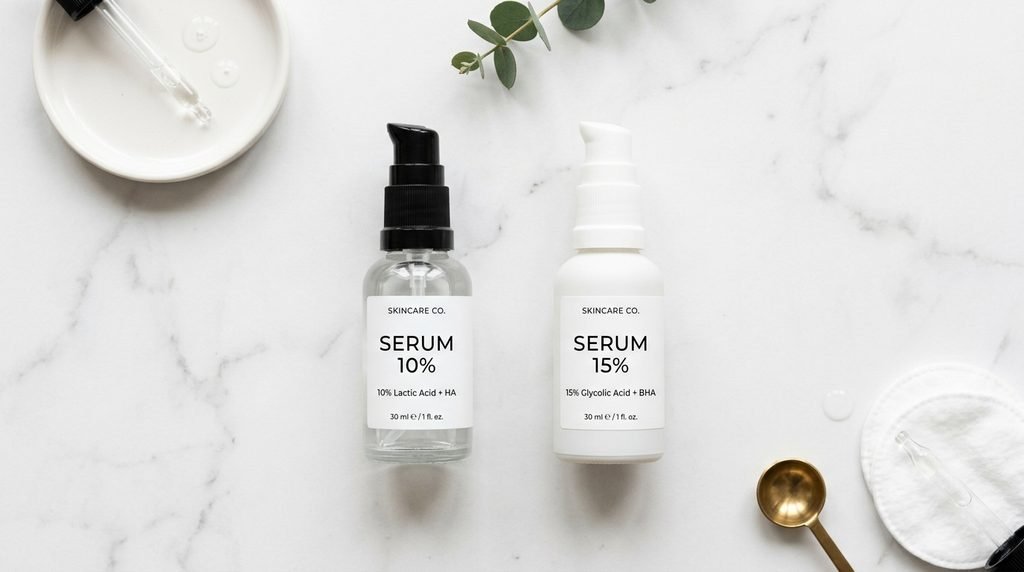
Selecting the proper concentration depends on the severity of your concerns, your skin’s baseline sensitivity, and your access to professional care.
| Concentration | Formulation Type | Primary Benefits | Typical Use Case |
| 10% Concentration | Over-the-Counter (Serum, Cream, Gel) | Mild exfoliation, gradual tone evening, preventative care | Sensitive skin, mild post-acne marks, general maintenance |
| 15% Concentration | Prescription (Gel, Foam) | High bioavailability, significant anti-inflammatory effect | Mild-to-moderate papulopustular rosacea, active acne |
| 20% Concentration | Prescription (Cream) | Maximum tyrosinase inhibition, dense lipid base | Stubborn melasma, deep post-inflammatory hyperpigmentation |
Over-the-counter 10% formulations offer a accessible starting point with minimal potential for irritation. Prescription strengths (15% to 20%) deliver higher active concentrations directly to target tissues, making them suitable for severe hyperpigmentation or clinical rosacea.
Layering and Compatibility: Can You Use Azelaic Acid with Other Actives?
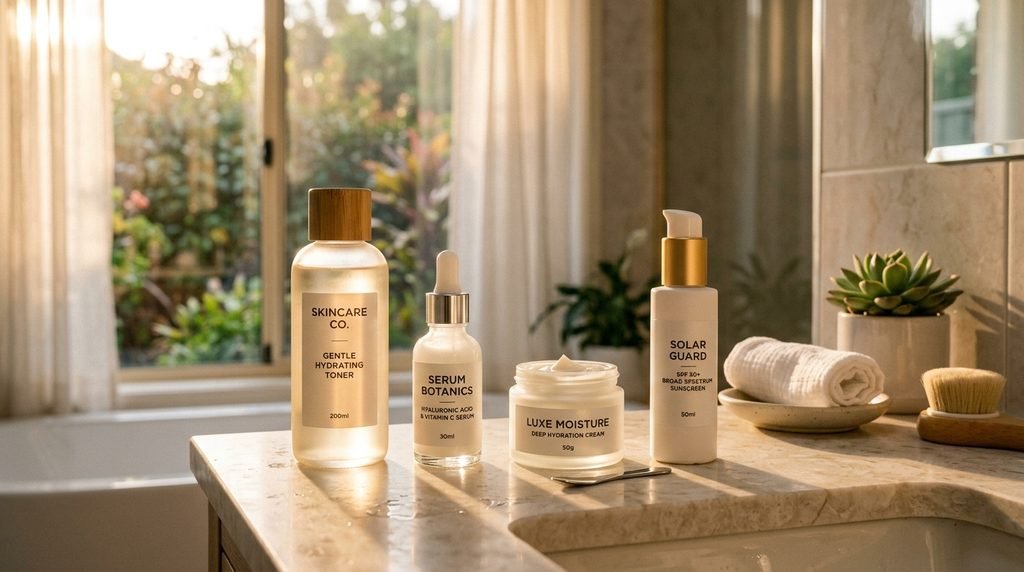
Because azelaic acid works gently without disrupting skin pH, it layers exceptionally well with most common skincare actives.
- Azelaic Acid and Niacinamide: An exceptional combination for flushing, enlarged pores, and post-acne marks. Niacinamide strengthens barrier lipids while azelaic acid calms active inflammation.
- Azelaic Acid and Retinoids: Using azelaic acid in the morning and a retinoid at night targets both acne and cellular renewal safely.
- Azelaic Acid and Vitamin C: Both ingredients target hyperpigmentation through distinct pathways. For sensitive skin types, consider using Vitamin C in the morning and azelaic acid in the evening to minimize potential stinging. For deeper insight into antioxidant choices, explore our comparison on Tranexamic Acid vs. Vitamin C to optimize your pigment-fading routine.
A Safe Daily Layering Sequence
- Cleanse: Wash with a gentle, non-foaming hydrating cleanser.
- Treat: Apply your azelaic acid product thin layer to dry skin.
- Moisturize: Follow with a ceramide-rich moisturizer to lock in hydration.
- Protect: Finish with a broad-spectrum mineral or chemical SPF 30+ every morning.
+-----------------+      +-----------------+      +-----------------+      +-----------------+
| 1. CLEANSE      | ---> | 2. TREAT        | ---> | 3. MOISTURIZE   | ---> | 4. PROTECT      |
| Gentle, Hydrating|      | Azelaic Acid    |      | Ceramide Cream  |      | Broad-Spectrum  |
+-----------------+      +-----------------+      +-----------------+      +-----------------+
Safety During Pregnancy and Sensitive Skin Guidelines

Finding effective active treatments during pregnancy can be challenging due to ingredient restrictions. Azelaic acid is classified as a FDA Pregnancy Category B ingredient, meaning clinical animal studies have shown no risk to the fetus, and human data supports its general safety profile. Dermatologists frequently recommend it as an alternative to retinoids and high-dose salicylic acid during pregnancy and lactation.
Despite its gentle profile, initial application can cause mild side effects including temporary tingling, itching, or minor dryness during the first two weeks of use. To build tolerance:
- Perform a patch test behind the ear or inner forearm for 48 hours before full-face application.
- Start by applying the product every other day for two weeks before moving to daily application.
- Apply your cream or moisturizer before your azelaic acid treatment (the “sandwich technique”) to slow absorption and reduce tingling.
Expected Timeline for Results
Patience is essential when introducing azelaic acid into your daily routine. Unlike rapid chemical exfoliants, its therapeutic mechanisms rely on cellular modulation over time.
Timeline Expectation
├─ Weeks 1–2: Reduced active surface inflammation and calmer redness
├─ Weeks 4–6: Visible decrease in acne breakouts and smoother skin texture
└─ Weeks 8–12: Significant fading of stubborn hyperpigmentation and melasma
Consistent daily use yields progressive, cumulative improvements that maintain barrier integrity long-term.
Conclusion

Azelaic acid remains one of the most versatile, gentle active ingredients available in modern skincare. By simultaneously addressing acne-causing bacteria, suppressing rosacea-induced inflammatory cascades, and selectively inhibiting excess melanin production, it offers a safe solution for multi-concern skin. Whether you start with an over-the-counter 10% cream or seek a higher-strength prescription from your dermatologist, introducing this dicarboxylic acid into your routine can lead to a calmer, clearer, and more balanced complexion.
Frequently Asked Questions
Q: What is azelaic acid used for in daily skincare?
A: Azelaic acid is a multi-tasking active used to treat acne breakouts, calm facial redness caused by rosacea, and fade dark spots or melasma. It works by normalizing cell shedding, targeting inflammatory cascades, and inhibiting the enzyme responsible for excess pigment production.
Q: Does azelaic acid help with rosacea redness?
A: Yes. Azelaic acid calms rosacea by reducing reactive oxygen species and suppressing inflammatory signals in the skin. This anti-inflammatory action diminishes persistent facial flushing, calms visible irritation, and minimizes the small, pustular bumps characteristic of papulopustular rosacea.
Q: Is azelaic acid good for active acne and breakouts?
A: Azelaic acid effectively targets acne by clearing follicular pores and reducing Cutibacterium acnes bacteria. It prevents dead skin cells from clogging pore linings without causing bacterial resistance, making it an ideal treatment for long-term breakout prevention.
Q: Does azelaic acid lighten dark spots and melasma?
A: Yes. Azelaic acid selectively inhibits tyrosinase, the enzyme required for melanin creation, specifically targeting abnormal or hyperactive pigment-producing cells. This helps fade post-acne marks, sun spots, and melasma without lightening surrounding normal skin tone.
Q: What percentage of azelaic acid is most effective?
A: Over-the-counter 10% concentrations work well for mild breakouts, subtle dark spots, and maintenance care with minimal irritation. Prescription strengths of 15% to 20% deliver faster, clinically verified results for moderate rosacea, inflammatory acne, or stubborn melasma.
Q: Is azelaic acid safe to use during pregnancy?
A: Azelaic acid is widely regarded as safe for use during pregnancy and lactation. Classified as Category B, dermatologists frequently recommend it as an effective alternative to retinoids and high-dose salicylic acid for treating pregnancy-related acne and melasma.