Executive Summary
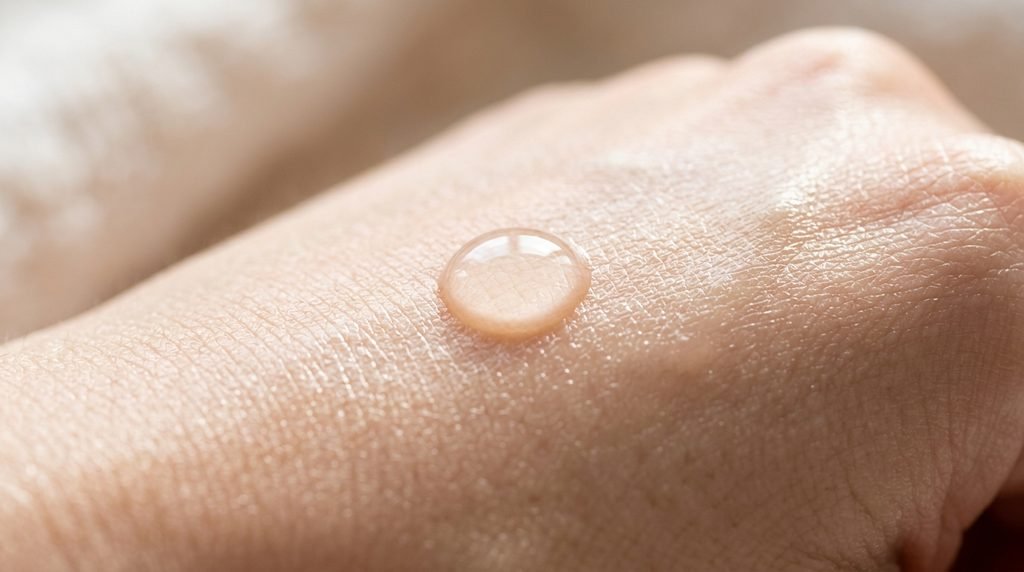
PDRN (Polydeoxyribonucleotide) is an emerging biotech ingredient derived from salmon DNA that has transitioned from medical wound-healing treatments into topical skincare. Known for supporting skin repair, improving hydration, and refining skin texture, PDRN acts as a cellular building block to encourage natural renewal processes. While originally popularized through K-beauty injectable “skin boosters,” topical PDRN serums offer a non-invasive way to support the skin barrier and target early signs of aging. This article breaks down what PDRN actually is, how it compares to ingredients like growth factors and EGF, its safety profile, and what realistic results you can expect from daily topical application.
The Salmon DNA Skincare Trend Explained
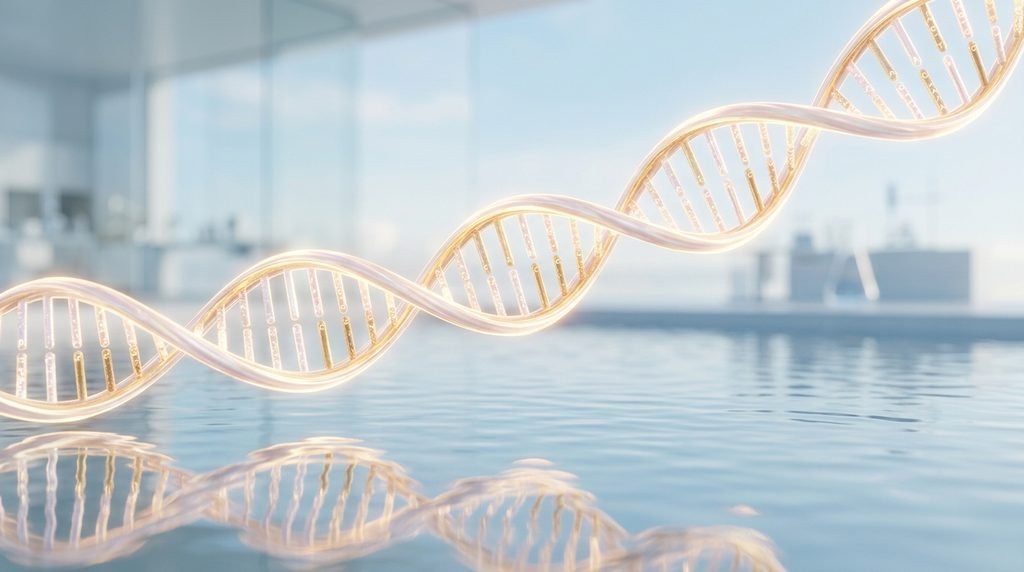
If you have browsed K-beauty trends or skincare forums recently, you have likely come across references to “salmon DNA skincare.” It sounds like science fiction—or perhaps a bizarre marketing stunt—but PDRN is rapidly becoming one of the most talked-about longevity ingredients in modern cosmetic science.
Despite the dramatic name, you are not applying raw fish tissue to your face. PDRN stands for polydeoxyribonucleotide, a highly purified DNA fragment extracted from salmon reproductive cells. Originally developed for medical tissue repair and wound healing, PDRN has crossed over into clinical aesthetics and high-performance topical serums. But does a fragment of marine DNA actually do anything for your skin barrier, or is it just another passing biotech trend? Here is a clear, evidence-based look at how PDRN works, how it compares to other cellular ingredients, and whether it deserves a spot in your routine.
What Is PDRN (Polydeoxyribonucleotide)?
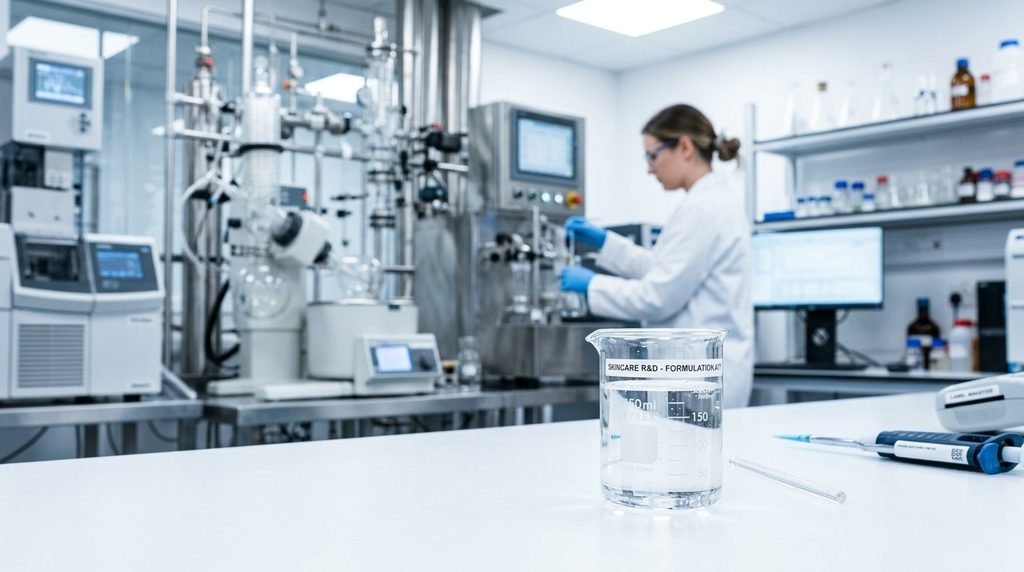
PDRN is a low-molecular-weight DNA polymer harvested primarily from the sperm or roe of salmonids (typically Chum salmon). Researchers chose salmon DNA for a specific reason: its base structure closely mirrors human DNA, making it exceptionally biocompatible with human tissue.
In clinical medicine, PDRN has been used for years to accelerate tissue regeneration, repair damaged tendons, and treat chronic diabetic ulcers. When applied to skin health, PDRN works primarily as a nucleotide source. Nucleotides are the basic structural units of DNA and RNA. By supplying these fundamental building blocks directly to the skin, PDRN helps support normal cellular turnover, collagen synthesis pathways, and tissue recovery.
+--------------------------------------------------------------------+
|                      PDRN MOLECULAR ORIGIN                         |
|                                                                    |
|  [ Salmon Reproductive Cells ]  -->  [ Purification & Filtration ] |
|                                                    |               |
|                                                    v               |
|  [ Skin Barrier & Texture Support ] <-- [ Purified DNA Fragments ] |
+--------------------------------------------------------------------+
Rather than forcing the skin to synthesize nucleotides from scratch during periods of stress or damage, PDRN provides ready-to-use fragments that support the skin’s natural recovery mechanisms.
How Does PDRN Work on the Skin?
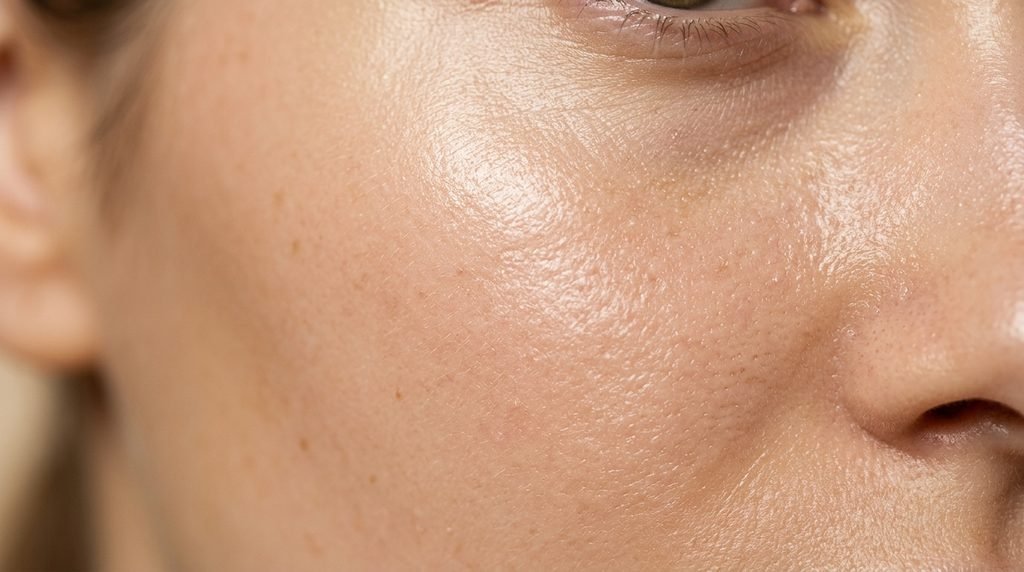
To understand PDRN, it helps to distinguish between active ingredients that stimulate skin cells versus those that feed cellular recovery processes.
PDRN works primarily through two distinct pathways:
- Adenosine A2A Receptor Activation: PDRN fragments bind to specific adenosine receptors on the surface of skin cells. This binding helps downregulate inflammatory signaling, soothing stressed skin and encouraging an optimal environment for tissue repair.
- Salvage Pathway Support: Skin cells constantly repair and replicate their own structure. By offering pre-formed purine and pyrimidine bases (the building blocks of nucleic acids), PDRN assists the cell’s “salvage pathway,” saving cellular energy and aiding natural turnover.
Through these pathways, topical PDRN helps improve overall skin texture, support barrier resilience, smooth the appearance of fine lines, and reduce temporary redness caused by environmental stressors.
Topical PDRN Serums vs. Injectable Skin Boosters

One major point of confusion online is the difference between professional PDRN treatments and at-home cosmetic serums.
In clinical aesthetic settings, PDRN is often administered as an injectable “skin booster” (frequently referred to in Asia as Rejuran Healer). These medical procedures deliver high concentrations of PDRN directly into the dermis via micro-injections to stimulate intense structural repair and collagen production.
| Feature | Topical PDRN Serums | Injectable PDRN Skin Boosters |
| Administration | Non-invasive cosmetic serum / cream | In-office medical micro-injections |
| Depth of Action | Epidermis & upper stratum corneum | Mid-to-deep dermis |
| Primary Goal | Surface hydration, barrier support, fine lines | Deep structural repair, heavy volume renewal |
| Downtime | Zero downtime | 1–3 days of mild redness or swelling |
| Access | Over-the-counter daily skincare | Requires a licensed medical professional |
While topical serums cannot penetrate to the deep dermal layers in the same manner as micro-injections, high-quality cosmetic formulations help strengthen the outer skin barrier, lock in moisture, and refine surface roughness without any discomfort or recovery time.
PDRN vs. Growth Factors vs. EGF: What Is the Difference?
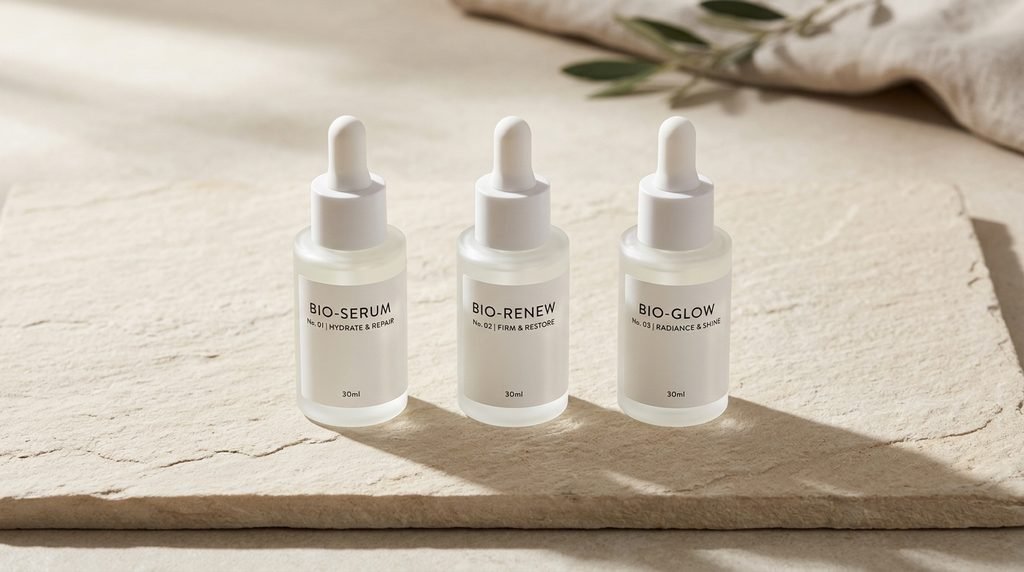
As biotech ingredients become more common, PDRN is frequently grouped together with epidermal growth factors (EGF) and peptide complexes. While all three belong to the “cellular longevity” category, their chemical structures and biological actions differ significantly.
- PDRN (Polydeoxyribonucleotide): Purified nucleic acid fragments that supply raw biological building blocks and support tissue recovery through adenosine signaling.
- EGF (Epidermal Growth Factor): Specific proteins that bind to cell surface receptors to signal skin cells to divide and proliferate.
- Peptides: Short chains of amino acids that act as signal messengers (e.g., instructing skin to produce collagen) or structural support agents.
+-------------------------------------------------------------------+
|               BIOTECH INGREDIENT COMPARISON                       |
+-------------------+----------------------+------------------------+
| Ingredient        | Primary Structure    | Core Mechanism         |
+-------------------+----------------------+------------------------+
| PDRN              | DNA Fragments        | Building block supply  |
| Growth Factors    | Complex Proteins     | Cell signaling         |
| Peptides          | Amino Acid Chains    | Specific messaging     |
+-------------------+----------------------+------------------------+
For a detailed breakdown of signal proteins, explore our guide on [Understanding Peptides in Modern Skincare Routine design]. For external clinical context on nucleotide applications in dermatological recovery, refer to resources like the National Center for Biotechnology Information (NCBI) PubMed Database.
Is PDRN Safe for Skin? Safety, Side Effects, and Sensitivities

PDRN has a strong safety profile due to its high biocompatibility with human tissue. Because the extraction process thoroughly purifies the DNA fragments, removing proteins and cellular debris, allergic reactions to topical PDRN are extremely rare.
- Fish Allergies: Even though PDRN originates from salmon, the purification process isolates nucleic acids and eliminates protein allergens. However, individuals with severe fish allergies should perform a patch test prior to full-face application.
- Skin Compatibility: PDRN is generally non-comedogenic and well-tolerated by sensitive, post-procedure, or compromised skin types.
- Current Research Scope: It is worth noting that while injectable PDRN has extensive clinical documentation for wound healing, research on topical cosmetic PDRN is still evolving. Current studies show promising surface-repair benefits, but topical formulas should be viewed as supportive care rather than a medical cure for skin conditions.
How to Layer PDRN in Your Daily Skincare Routine

Topical PDRN integrates smoothly into most existing skincare regimens because it does not clash with standard active ingredients.
- Cleanse: Wash with a gentle, balanced cleanser.
- Tone / Hydrate: Apply a light hydrating toner or essence.
- Apply PDRN Serum: Massage a few drops of PDRN serum into slightly damp skin, allowing it to absorb fully.
- Target Actives (Optional): PDRN pairs well with niacinamide, hyaluronic acid, and mild peptides. If using strong exfoliants (like glycolic acid) or prescription retinoids, apply PDRN afterward to help soothe potential irritation.
- Moisturize & Protect: Seal in moisture with a barrier cream, and apply broad-spectrum SPF during the daytime.
Conclusion: Is PDRN Worth Adding to Your Routine?

PDRN represents an exciting shift toward biotech-driven, barrier-focused skincare. By supplying essential nucleotide fragments to help support skin recovery, it offers a gentle, non-irritating option for improving skin clarity, hydration, and fine lines. While topical PDRN will not replicate the dramatic results of in-office medical procedures, it serves as a valuable daily serum for anyone looking to bolster barrier health and explore modern longevity ingredients.
If you want to strengthen your skin barrier, pair a PDRN serum with consistent sun protection and proven hydrating actives to maintain a resilient, glowing complexion.
Frequently Asked Questions

Q: What does salmon DNA PDRN do for your skin?
A: Topical PDRN provides nucleotide fragments that support natural skin recovery, enhance moisture retention, refine skin texture, and soothe mild irritation. It helps strengthen the skin barrier, giving the skin a smooth, hydrated, and healthy appearance without causing peeling or sensitivity.
Q: Do PDRN creams and serums actually work?
A: Yes, topical PDRN creams and serums work effectively to hydrate, calm redness, and improve surface texture. While they do not penetrate as deeply as medical PDRN injections, regular topical application helps support outer skin barrier function and overall skin smoothness.
Q: Is PDRN skincare made from salmon sperm or eggs?
A: Commercial PDRN is typically extracted and purified from salmon sperm or roe cells. The raw material undergoes rigorous filtration and purification processes to isolate clean nucleic acid polymers, ensuring the final cosmetic ingredient contains no raw animal tissue or proteins.
Q: Can I use PDRN with retinol or vitamin C?
A: Yes, PDRN layers well alongside vitamin C, niacinamide, and retinoids. Because PDRN has strong soothing and barrier-support properties, applying a PDRN serum can actually help mitigate the dry or irritating side effects often associated with strong active ingredients like retinol.
Q: Is PDRN safe for sensitive or acne-prone skin?
A: PDRN is generally very safe and suitable for sensitive or acne-prone skin. It is non-comedogenic and inherently calming, making it an excellent choice for soothing irritated skin, supporting post-breakout recovery, and maintaining hydration without clogging pores.
Q: What is the main difference between PDRN and peptides?
A: PDRN consists of purified DNA fragments (nucleotides) that act as raw structural material for cellular repair processes. Peptides are short chains of amino acids that function primarily as cellular messengers, instructing skin cells to produce proteins like collagen and elastin.