Executive Summary
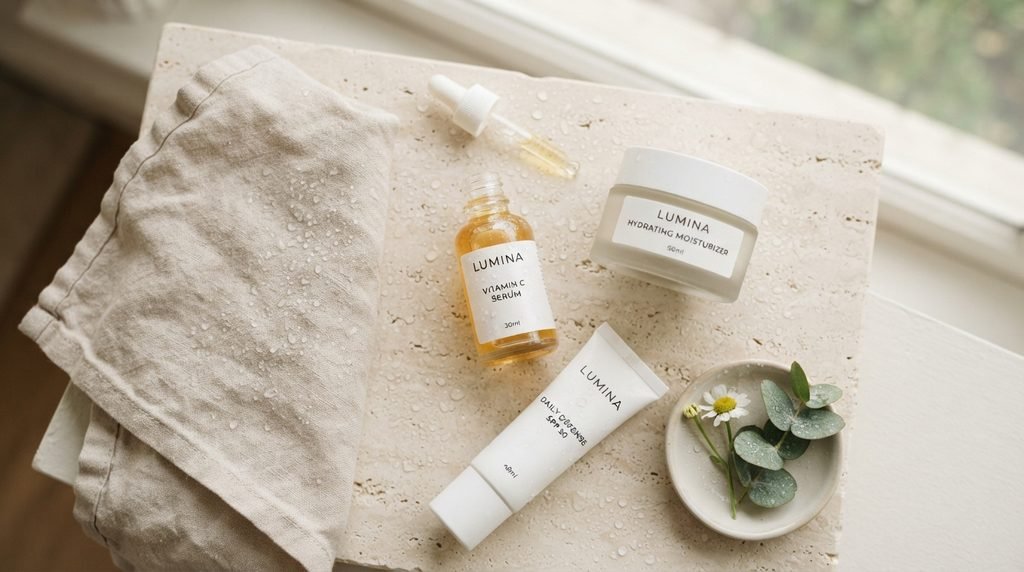
Dull, tired-looking skin is one of the most common skincare frustrations, yet it is rarely permanent. Skin dullness occurs when the stratum corneum loses its smooth, light-reflective surface, often caused by accumulated dead skin cells, transepidermal water loss, microvascular changes from sleep deprivation, or cumulative UV exposure. Unlike deep structural pigmentation concerns, surface dullness is highly responsive to targeted topicals and lifestyle tweaks. By understanding the key biological drivers—from cellular desquamation to cutaneous blood flow—you can transform a lackluster complexion into a healthy, radiant surface. This guide breaks down the root causes of dullness, clarifies how it differs from true dehydration, outlines a streamlined 3-step skinimalist routine, and establishes realistic timelines for visible skin revival.
Why Is My Skin Dull? 5 Common Causes

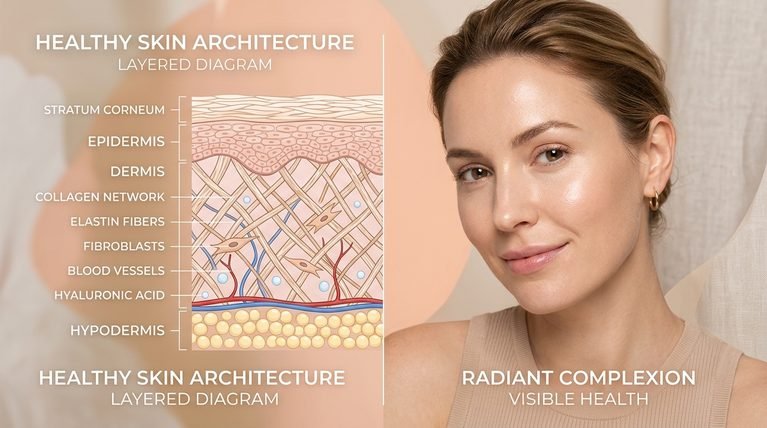
When skin lacks luminescence, it usually means light is scattering unevenly off a rough, irregular surface rather than bouncing off a smooth, well-hydrated stratum corneum. Identifying the precise trigger is the essential first step toward fixing it:
- Accumulation of Dead Skin Cells: As natural cellular turnover slows down, old keratinocytes cling to the surface. This creates a microscopic textural roughness that diffuses light, making skin appear flat and grey.
- Transepidermal Water Loss (TEWL): Dehydrated skin cells deflate and shrink, creating micro-fissures on the skin surface. Without adequate bound water, the skin loses its natural plumpness and transparency.
- Sleep Deprivation & Reduced Circulation: Inadequate sleep triggers systemic vasoconstriction and elevates cortisol levels. Lower microvascular blood flow to the facial dermis reduces oxygen supply, resulting in a sallow, tired complexion.
- Cumulative UV & Environmental Exposure: Daily exposure to solar radiation and airborne particulate matter generates reactive oxygen species (ROS). Free radicals degrade structural proteins and cause subtle lipid peroxidation, compromising surface clarity.
- Sluggish Microcirculation: Chronic stress, sedentary lifestyle habits, or poor facial circulation restrict nutrient delivery to epidermal layers, leaving the skin looking washed out rather than vibrant.
Dull Skin vs. Dehydrated Skin: What’s the Difference?
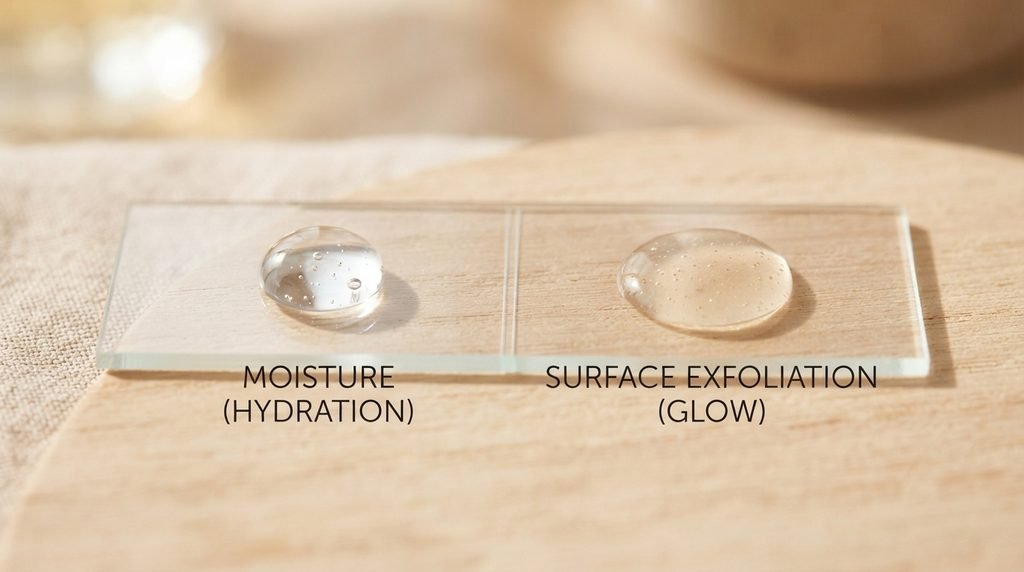
It is easy to mix up dull skin with dehydrated skin, but they represent distinct dermatological concepts:
| Skin Concern | Primary Mechanism | Characteristic Features | Primary Target Solution |
| Dull Skin | Light diffusion caused by dead cell accumulation, poor microcirculation, or photo-damage. | Lack of radiance, sallow undertones, uneven surface reflection, rough texture. | Gentle chemical exfoliants, Vitamin C antioxidants, circulatory support. |
| Dehydrated Skin | Temporary lack of water content in the epidermal layer (low NMFs/hyaluronic acid). | Tight tightness, fine surface crinkling, exaggeration of fine lines, oiliness alongside dryness. | Humectants (Glycerin, Hyaluronic Acid), barrier-repairing lipids. |
Dullness is a broad visual outcome driven by multiple lifestyle and structural factors, while dehydration is a specific moisture deficit. However, dehydration is a major contributor to skin dullness; a dry surface simply cannot reflect light smoothly. For a deep dive into oil vs. water deficits, review our comprehensive breakdown on Dehydrated vs. Dry Skin.
How Lack of Sleep Directly Impacts Your Skin’s Natural Glow

During deep sleep stages (NREM), systemic growth hormone spikes, initiating cellular repair mechanisms and stimulating microvascular perfusion within the skin. When sleep is cut short, nocturnal vasodilation drops significantly, limiting microvascular blood supply to the facial tissue.
Simultaneously, sleep deprivation keeps systemic cortisol levels elevated. Increased cortisol impairs epidermal barrier function and accelerates transepidermal water loss. The combination of diminished cutaneous blood flow and heightened fluid loss produces the classic “tired skin” appearance—sallow undertones, sunken features, and a noticeable loss of radiance. Address fatigue at the cellular level by combining quality sleep hygiene with topical barrier support.
The 3-Step Skinimalist Routine to Revive Dull Skin
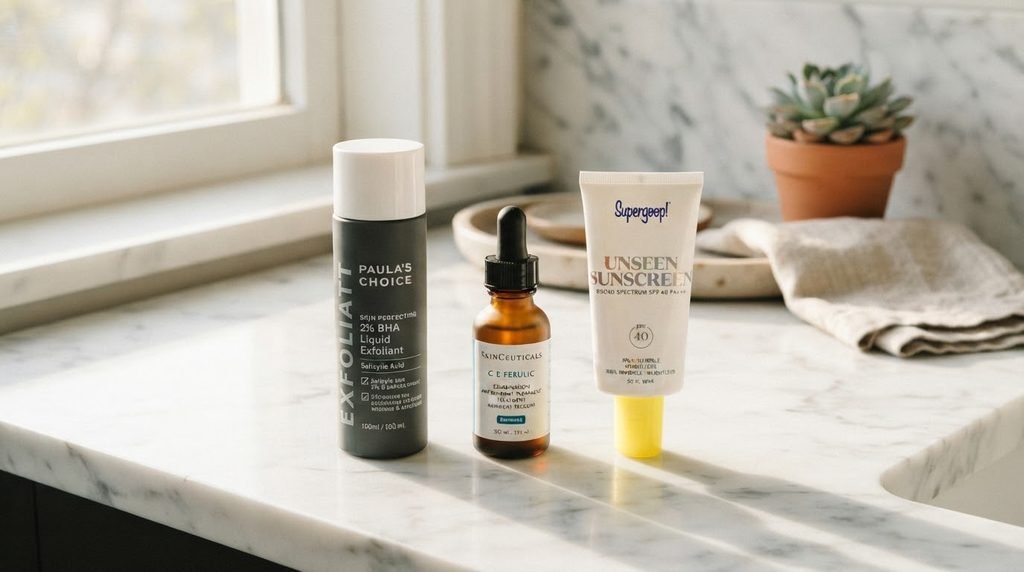
You do not need a complex 10-step routine to bring back your glow. In line with modern skinimalism principles, focusing on three targeted, high-impact steps delivers visible improvements without overloading your skin barrier:
- Gentle Chemical Exfoliation (1–3x Weekly): Skip harsh physical scrubs, which cause micro-tears and worsen dullness through inflammation. Instead, introduce mild Alpha Hydroxy Acids (AHAs) like Lactic Acid or Glycolic Acid to break down desmosomal bonds holding dead cells together. Learn how to select the right acid in our guide to AHA vs. BHA vs. PHA.
- Morning Antioxidant Protection: Apply a Vitamin C serum (L-Ascorbic Acid or stable derivatives) every morning. Antioxidants neutralize free radical stress, suppress excess melanin stimulation, and impart an immediate surface glow. Discover formulation essentials in our post on What Is Vitamin C Serum?.
- Hydration & Daily SPF Defense: Seal in moisture with a humectant-rich moisturizer containing Glycerin or Hyaluronic Acid, followed by a broad-spectrum sunscreen. UV protection prevents subtle photo-aging and guards freshly exfoliated skin cells from sun-induced oxidative stress.
Realistic Timelines: How Quickly Can You Fix Dull Skin?

Unlike deep dermal hyperpigmentation or structural collagen loss—which can take three to six months to show transformation—surface dullness responds rapidly to proper skincare intervention:
- 1 to 3 Days: Improved surface hydration from humectants and emollients yields an immediate plumpness and initial light-reflective sheen.
- 1 to 2 Weeks: Consistent chemical exfoliation removes accumulated stratum corneum debris, revealing smoother texture and noticeably brighter tone.
- 4 to 6 Weeks: Sustained antioxidant protection, barrier support, and healthier sleep habits optimize complete cellular turn-over cycles, securing a long-term, resilient glow.
External evidence published in dermatological studies, such as research archived in the Journal of Clinical and Aesthetic Dermatology, consistently validates that chemical exfoliation paired with daily broad-spectrum sun protection yields measurable improvements in stratum corneum smoothness within fourteen days.
Conclusion

Fixing dull skin does not require aggressive peeling or shelf-fuls of mystery products. By identifying the root causes—whether built-up dead cells, dehydration, sleep loss, or environmental stress—you can restore your skin’s natural luminescence with simple, targeted steps. A focused routine combining gentle AHA exfoliation, morning Vitamin C, rich hydration, and daily broad-spectrum sunscreen works alongside healthy sleep habits to transform a sallow complexion. Stick to your streamlined steps, respect your skin barrier, and enjoy the lasting radiance of healthy, glowing skin. Ready to elevate your regimen? Explore our dedicated ingredient guides to build your ultimate custom glow routine today.
FAQ Section

Q: What causes dull and tired-looking skin?
A: Dull skin is primarily caused by an accumulation of dead surface skin cells, dehydration, elevated stress, sun damage, and reduced microcirculation from poor sleep. These factors prevent light from reflecting evenly off the skin, resulting in a sallow, flat appearance.
Q: How do I brighten my dull skin fast?
A: To brighten dull skin quickly, introduce gentle chemical exfoliation (such as Lactic or Glycolic acid) 2–3 times weekly, apply a hydrating serum containing Hyaluronic Acid, and use a morning Vitamin C serum followed by daily SPF protection.
Q: Is dull skin the same as dehydrated skin?
A: No, dull skin is an overall visual state caused by factors like cell buildup, fatigue, or sun exposure. Dehydrated skin specifically lacks water content. However, dehydration is a primary cause of dull skin because deflated cells scatter light irregularly.
Q: Does exfoliating help fix dull skin?
A: Yes, gentle chemical exfoliation is one of the most effective ways to treat dullness. It dissolves the intercellular bonds keeping dead cells attached to the skin, surfacing fresh, smooth cells that reflect light evenly.
Q: Can lack of sleep make your skin look dull?
A: Absolutely. Sleep deprivation reduces cutaneous blood flow and increases cortisol levels. Lower blood flow deprives epidermal tissues of oxygen and nutrients, while high cortisol weakens barrier function, causing a sallow, dehydrated appearance.
Q: How long does it take to see results when treating dull skin?
A: Surface hydration improvements are visible immediately, while texture and brightness typically improve within 1 to 2 weeks of consistent chemical exfoliation and antioxidant application. Complete epidermal turnover benefits materialize over 4 to 6 weeks.