Executive Summary
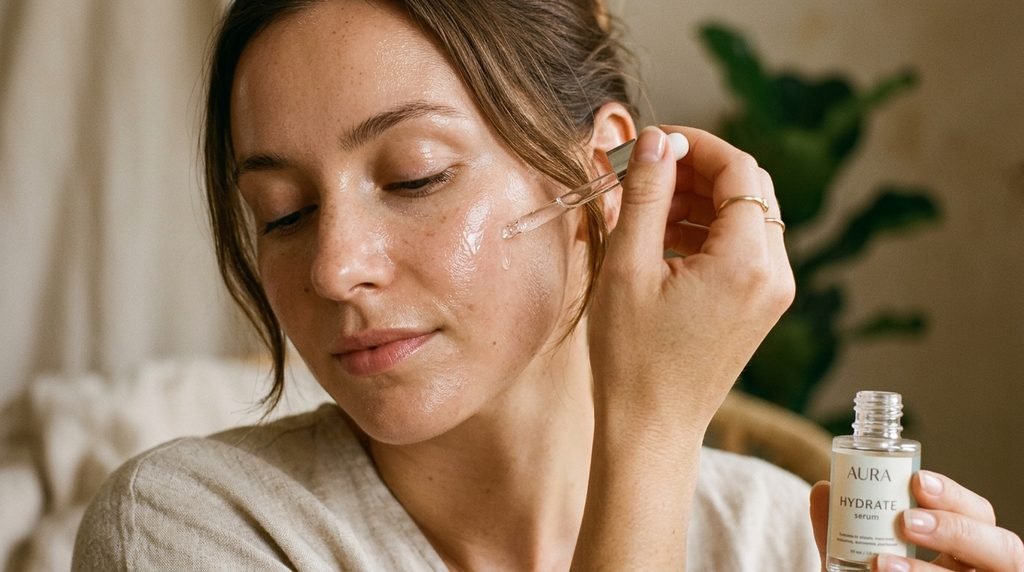
If you want the skin-renewing benefits of retinol without the dreaded peeling, redness, or dryness, bakuchiol has likely caught your attention. Derived from the seeds of the Psoralea corylifolia (babchi) plant, this botanical compound has exploded in popularity as a gentle, plant-based retinol alternative. While retinol is famous for boosting collagen and smoothing fine lines, its harsh side effects make it difficult for sensitive skin types to tolerate. Bakuchiol offers a similar path to smoother, firmer skin by supporting skin renewal through distinct cellular pathways—minus the typical adjustment period. This guide breaks down the science, compares their real-world performance, and helps you decide which ingredient belongs in your daily skincare routine.
The Quest for Smooth Skin Without the Scourge of Retinol Burn
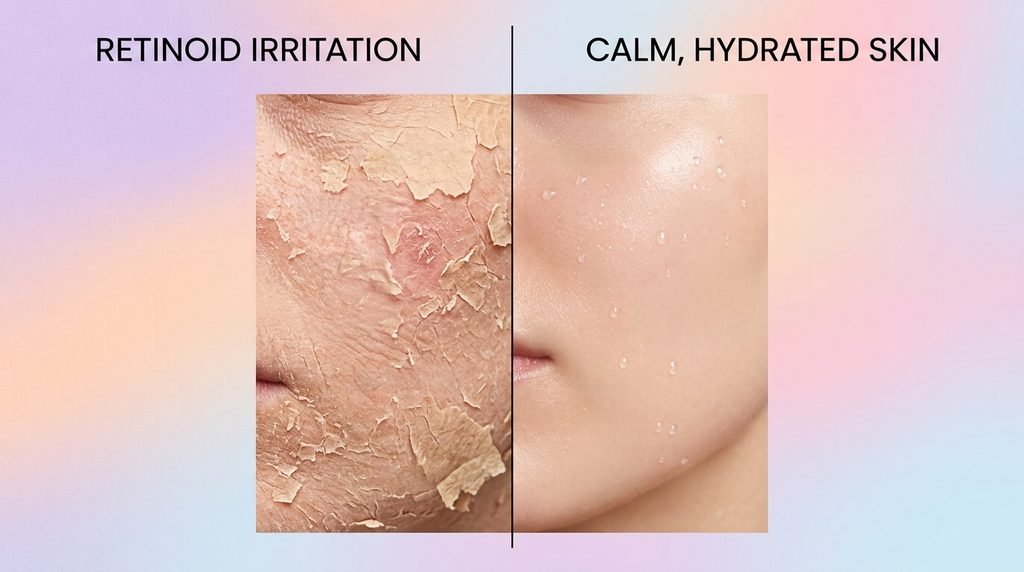
Retinol has long held the crown in skincare for tackling fine lines, uneven texture, and loss of firmness. But for many, that crown comes with a heavy price: flaky skin, persistent redness, and a compromised moisture barrier during the initial weeks of use. The “retinol uglies” are a real barrier for anyone with sensitive or reactive skin.
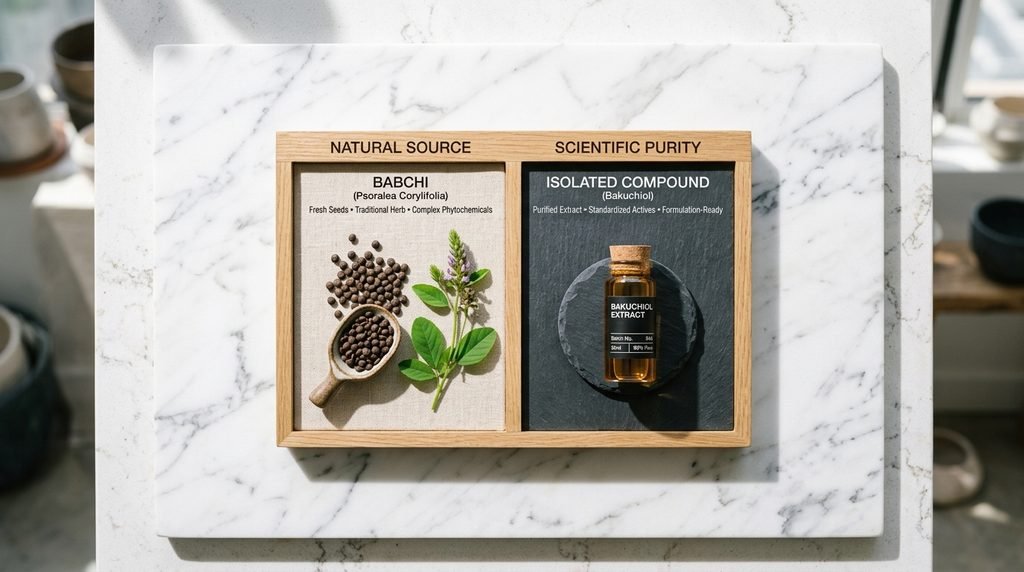
Enter bakuchiol, a natural phenol isolated from the babchi plant long used in traditional Ayurvedic and Chinese practice. It promises the visible skin-refining perks of traditional retinoids without the stinging recovery phase. But does a gentle botanical actually hold a candle to dermatological heavyweights? Let’s take a clear look at how these two compounds compare, how they work on a molecular level, and what you can realistically expect for your skin.
Decoding the Science: How Bakuchiol and Retinol Interact with Your Skin
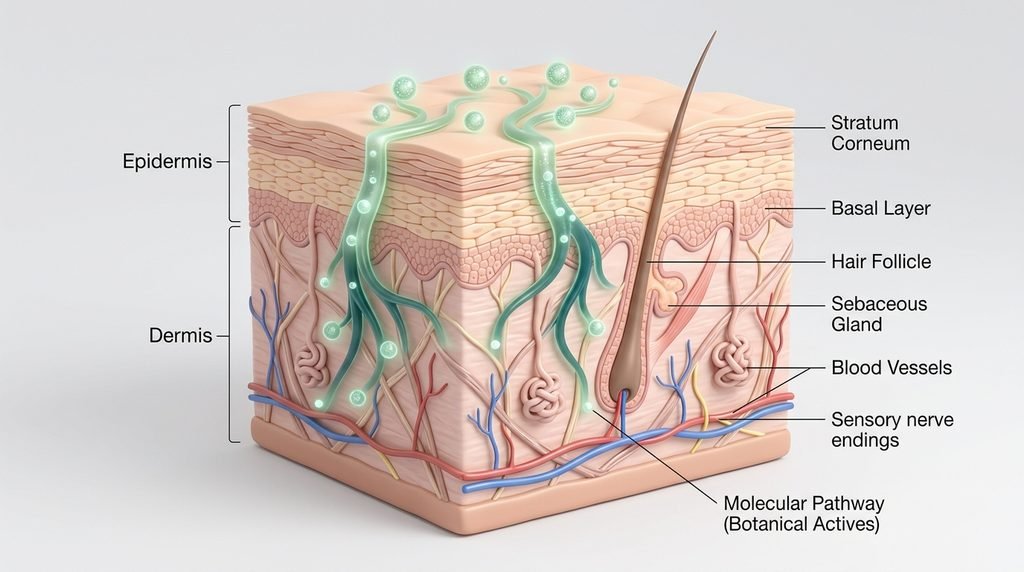
To understand why these two ingredients get compared so often, it helps to look under the hood. Retinol is a vitamin A derivative that converts into retinoic acid inside the skin. Once converted, it directly binds to retinoic acid receptors, signaling skin cells to speed up turnover and ramp up collagen production. This direct approach is powerful, but it also triggers inflammation and disrupts barrier function, which is why peeling and irritation occur.
Bakuchiol, on the other hand, is structurally completely different from vitamin A. It doesn’t bind to retinoid receptors in the exact same direct manner. Instead, it acts through alternate gene expression pathways that ultimate direct skin cells toward similar outcomes—stimulating type I and type IV collagen while inhibiting collagen-degrading enzymes. Because it achieves these target benefits through a milder biochemical route, it delivers visible improvements in skin firmness and texture without setting off the inflammatory alarms that retinol typically triggers.
Bakuchiol vs Retinol: A Direct Head-to-Head Comparison
Choosing between these two active ingredients comes down to tolerance, goals, and lifestyle considerations. Clinical evaluations published in dermatology journals indicate that while both compounds yield significant improvements in fine lines and hyperpigmentation, their user experience differs dramatically.
| Feature | Retinol (Vitamin A Derivative) | Bakuchiol (Plant-Derived Phenol) |
| Primary Mechanism | Converts to retinoic acid; binds retinoid receptors directly | Regulates similar collagen-boosting pathways via alternate gene expression |
| Irritation Potential | High (frequent redness, peeling, dryness) | Very Low (generally well-tolerated by sensitive skin) |
| Sun Sensitivity | Increases photosensitivity; strictly evening use | Non-photosensitizing; safe for morning and evening use |
| Time to Visible Results | 4 to 8 weeks | 8 to 12 weeks |
| Skin Barrier Impact | Can temporarily disrupt the lipid barrier | Supports barrier stability and provides antioxidant defense |
While retinol acts faster due to its direct conversion pathway, bakuchiol offers a steady, sustainable slope of improvement without forcing your skin barrier through a crisis.
Who Should Choose Bakuchiol?
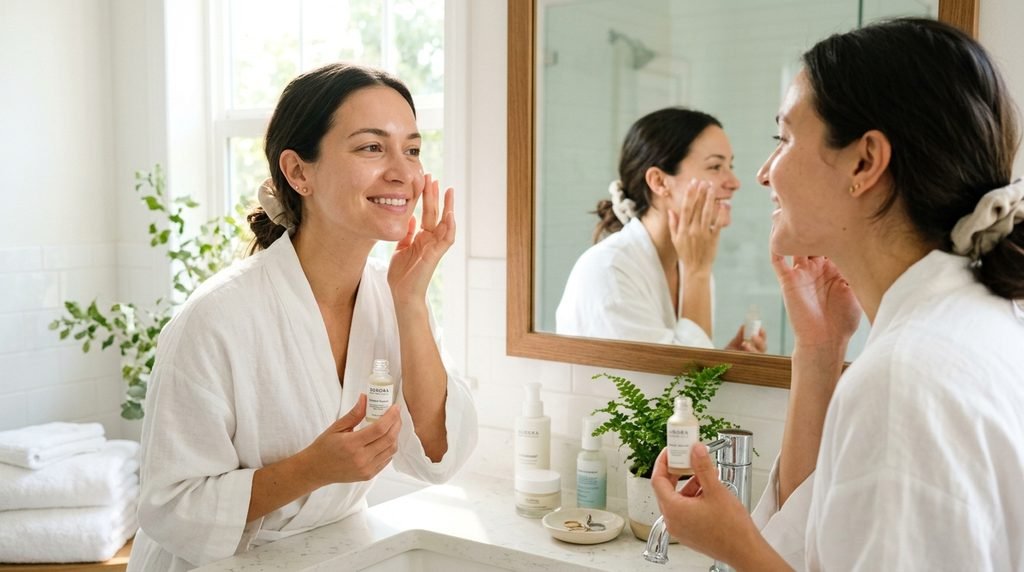
Bakuchiol isn’t just a backup option for people who can’t handle retinoids; it’s a solid standalone active with unique advantages. You might find bakuchiol to be the ideal fit for your routine if:
- You have reactive or sensitive skin: If traditional actives leave your face tight, flushed, or compromised, bakuchiol provides a soothing way to support healthy skin renewal.
- You want a morning-safe active: Unlike retinol, which breaks down in sunlight and increases sun sensitivity, bakuchiol is photostable and rich in antioxidants, making it an excellent addition to your morning routine under sunscreen.
- You deal with dryness or rosacea: Because bakuchiol boasts inherent anti-inflammatory properties, it hydrates while it works, making it far kinder to easily irritated complexions.
For those curious about building a complete daily regimen around targeted actives, exploring how to properly layer serums can prevent accidental barrier damage.
How to Safely Introduce Bakuchiol Into Your Routine
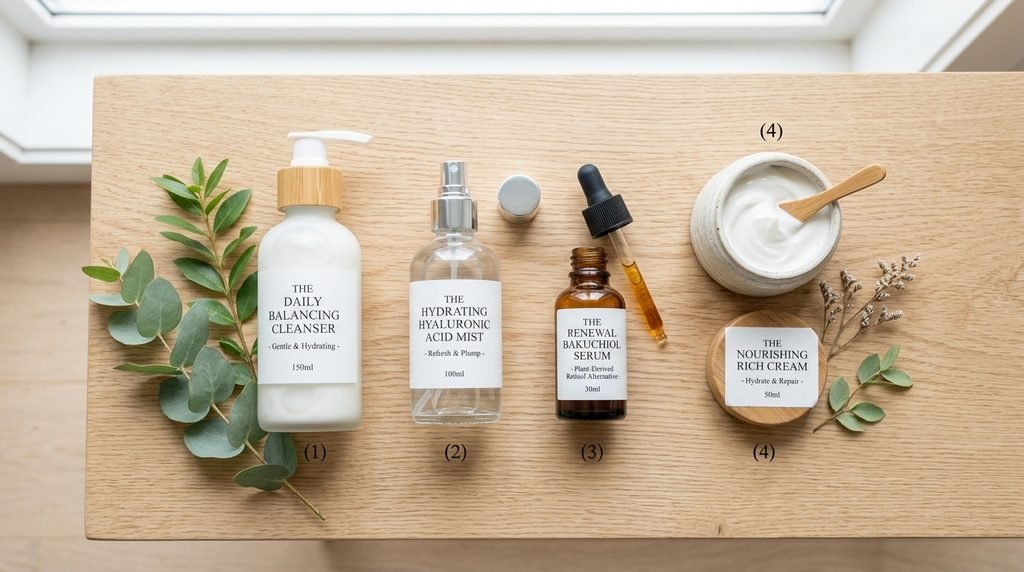
Even though bakuchiol is far gentler than traditional vitamin A derivatives, introducing any new active requires a thoughtful approach.
- Perform a Patch Test: Apply a small amount to your inner forearm or jawline for 24 to 48 hours to rule out any botanical allergies.
- Start Gradually: Use your bakuchiol serum or cream 3 nights a week before building up to daily or twice-daily application.
- Layer Correctly: Apply water-based bakuchiol serums after cleansing and hydrating tones, but before heavier oils or occlusive moisturizers.
- Combine Thoughtfully: Bakuchiol pairs exceptionally well with hydrating ingredients like hyaluronic acid, niacinamide, and squalane. It can also be safely paired with vitamin C, unlike traditional retinol which often causes irritation when mixed with L-ascorbic acid.
For broader context on structuring an effective anti-aging routine with minimal irritation, consult resources like the National Center for Biotechnology Information (NCBI) for peer-reviewed studies on botanical antioxidants in dermatology.
Real-World Expectations: Timelines and Skin Purging

A common question among new users is whether bakuchiol causes the dreaded “purging” period associated with retinoids. Because retinoids rapidly accelerate cell turnover, they bring underlying microcomedones to the surface quickly, leading to temporary breakouts.
Bakuchiol does not accelerate cellular turnover at the same aggressive pace, meaning true skin purging is rare. If you experience sudden breakouts after starting a bakuchiol product, it is more likely a reaction to an heavy carrier oil or emulsifier in the formula rather than the bakuchiol itself.
In terms of visible outcomes, patience is key. While retinol users often notice surface changes within a month (alongside some flaking), bakuchiol works steadily behind the scenes. Expect to evaluate your progress at the 8- to 12-week mark, where improvements in elasticity, tone uniformity, and fine line depth become noticeable.
Conclusion
Choosing between bakuchiol and retinol doesn’t have to be an all-or-nothing decision. Retinol remains a gold standard in clinical dermatology for rapid skin turnover, but its potential for irritation makes it a tough sell for delicate or reactive skin barriers. Bakuchiol stands on its own merits as a scientifically backed, plant-derived powerhouse that delivers comparable improvements in texture, tone, and firmness without the dryness or peeling. By understanding your skin’s unique tolerance and pacing your routine, you can enjoy a smoother, radiant complexion on your own terms.
Interested in tailoring your daily routine? Leave a comment below with your current skin goals or share your experience transitioning to plant-based actives!
Frequently Asked Questions

Q: Is bakuchiol safe to use during pregnancy and breastfeeding?
A: While bakuchiol is a plant-derived compound and lacks the reproductive toxicity risks associated with synthetic vitamin A derivatives like retinol, clinical safety data in pregnant individuals remains limited. Always consult your obstetrician or dermatologist before adding new active ingredients to your prenatal skincare routine.
Q: Can I use bakuchiol and vitamin C together in the same routine?
A: Yes. Unlike retinol, which can cause significant redness or instability when combined with acidic L-ascorbic acid, bakuchiol pairs safely with vitamin C. This combination provides a strong antioxidant defense against environmental stressors while supporting natural collagen production.
Q: Does bakuchiol cause skin purging like retinol does?
A: Skin purging is uncommon with bakuchiol because it does not drastically speed up cell turnover in the aggressive manner that prescription or over-the-counter retinoids do. Any new breakout is likely a response to other ingredients in the formula rather than a true purge.
Q: How long does it take to see visible results from bakuchiol?
A: Most clinical observations show visible improvements in skin texture, firmness, and fine line appearance after 8 to 12 weeks of consistent daily use. While slower than retinol’s initial timeline, the results occur without the typical peeling or dryness.
Q: Can I use bakuchiol every day?
A: Yes, bakuchiol is gentle enough for daily use, and many people tolerate applying it both morning and night. However, if you have extremely sensitive skin, begin with 3 to 4 applications per week to monitor how your skin responds before increasing frequency.
Q: Is bakuchiol a natural or synthetic ingredient?
A: Natural bakuchiol is extracted directly from the seeds and leaves of the Psoralea corylifolia (babchi) plant. However, modern commercial formulations utilize purified isolates to ensure high concentration, stability, and safety, avoiding raw plant extracts that might cause contact allergies.