SECTION A — TOPIC + MAIN BODY
Peptide Skincare Benefits: How They Work and What They Can’t Do
Executive Summary
Peptides are among the most searched active ingredients in modern skincare, often touted as gentle alternatives to stronger anti-aging treatments. Composed of short chains of amino acids, these molecules function primarily as chemical messengers within the skin, signaling cells to perform vital maintenance functions like building collagen and repairing proteins. However, marketing claims frequently exaggerate what topically applied formulations can achieve. This comprehensive guide clarifies the exact science behind peptide technology, breaking down the main functional types, explaining their physical limitations regarding skin barrier penetration, and detailing how to layer them effectively alongside other actives. Readers will gain a clear, evidence-based understanding of realistic timeline expectations and learn how to evaluate product formulations for maximum routine efficiency.
Hook-Up Paragraph
Walk down any beauty aisle today, and you will find bottle after bottle promising to transform your skin with advanced peptide technology. Marketers frame these short amino acid chains as liquid miracles capable of erasing deep wrinkles overnight. But do peptides skincare benefits actually match the massive industry hype, or are you paying premium prices for clever branding? The reality sits comfortably in the middle. Peptides are genuine workhorses for skin health, but they operate through subtle signaling rather than dramatic overnight overhauls. Understanding how these cell-signaling molecules function—and recognizing their physical limitations—is the secret to building a routine that yields visible, lasting improvements in skin firmness and texture without wasting your money on unproven claims.
Decoding Peptides: What Are These Amino Acid Chains?
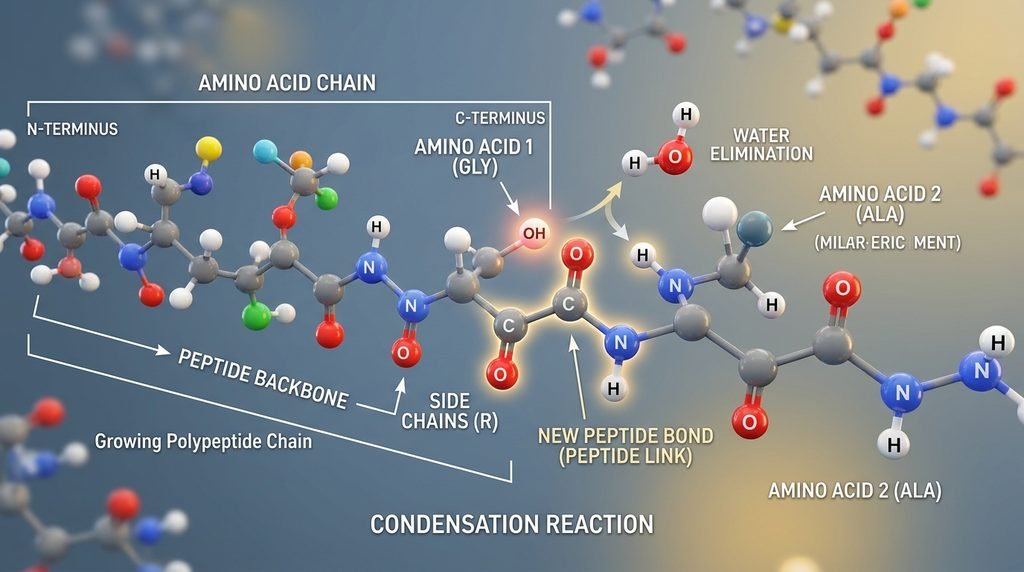
To understand how peptides operate, it helps to look at the basic building blocks of human tissue. Peptides are short chains of amino acids linked together by peptide bonds. Amino acids themselves are the essential building blocks required to form complex proteins, including collagen, elastin, and keratin. These structural proteins form the foundational matrix that keeps skin firm, resilient, and springy.
When native collagen breaks down due to environmental exposure or natural physiological aging, it fragments into tiny amino acid fragments. The skin recognizes these leftover fragments as signals that damage has occurred, triggering a localized response to generate fresh proteins. Topically applied skincare peptides are engineered to mimic these natural biological fragments. When placed on the surface of the skin, they act as cellular messengers, tricking the tissue into thinking its matrix has degraded and prompting cells to initiate repair processes.
Unlike full protein molecules, which are far too large to pass through the top layers of the epidermis, peptides feature significantly smaller molecular structures. This structural difference makes them uniquely suited for topical formulas aimed at supporting natural repair functions without causing the surface irritation frequently associated with prescription-strength active ingredients.
The Four Main Types of Peptides in Skincare
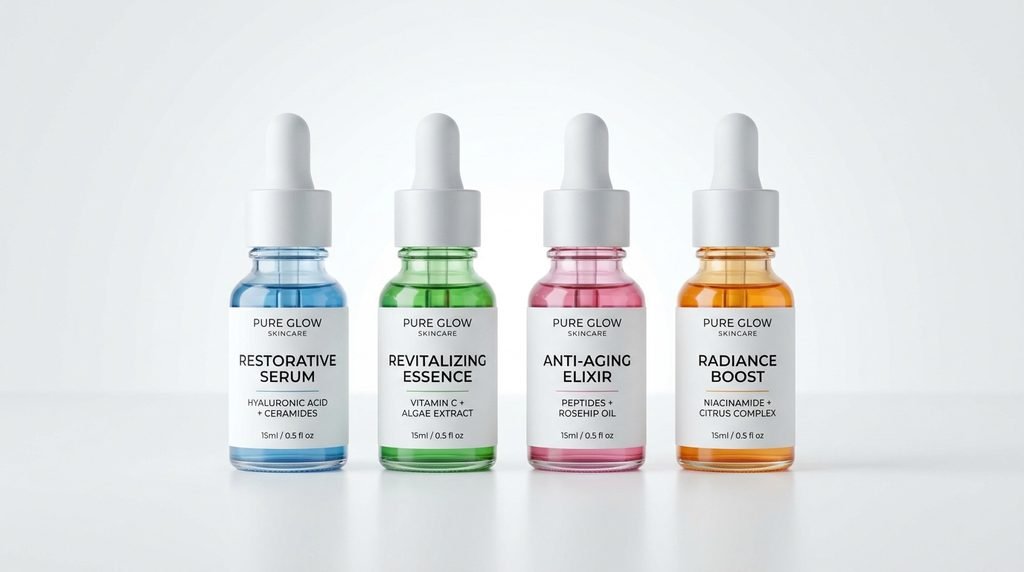
Not all peptides perform the same task. In cosmetic chemistry, these ingredients are categorized based on their specific mechanism of action within the cutaneous environment. Recognizing these four distinct classes helps you evaluate product labels with much greater clarity.
- Signal Peptides: These are the most common peptides found in firmness-focused serums. They send messages directly to fibroblasts to boost the production of collagen, elastin, and other structural proteins. Common examples on ingredient lists include Palmitoyl Tripeptide-1 and Palmitoyl Tetrapeptide-7 (often combined as Matrixyl).
- Carrier Peptides: Designed to transport trace minerals directly to cellular targets, carrier peptides deliver elements like copper and manganese. Copper peptides, for instance, deliver copper directly to enzymes responsible for collagen synthesis and wound healing, making them popular for post-procedure recovery support.
- Neurotransmitter-Inhibitor Peptides: Often referred to informally as “botox in a bottle”—a term that drastically overstates their actual physical reach—these compounds work by subtly dampening the release of chemicals that cause subtle muscle micro-contractions. Acetyl Hexapeptide-8 (Argireline) belongs to this class, offering mild surface-smoothing effects around expression lines.
- Enzyme-Inhibitor Peptides: These ingredients work by blocking the enzymes (like matrix metalloproteinases) responsible for breaking down existing structural proteins. By slowing down the degradation of your natural matrix, they help preserve existing firmness over time.
| Peptide Type | Primary Function | Common Label Name | Target Skincare Benefit |
| Signal | Prompts collagen synthesis | Palmitoyl Pentapeptide-4 | Improved firmness and density |
| Carrier | Delivers essential trace minerals | Copper Tripeptide-1 | Enhanced repair and wound support |
| Neurotransmitter-Inhibitor | Softens superficial muscle tension | Acetyl Hexapeptide-8 | Temporary softening of fine expression lines |
| Enzyme-Inhibitor | Inhibits protein degradation | Rice or Soy Peptides | Preservation of existing structural matrix |
Realistic Limits: What Peptides Can and Cannot Do
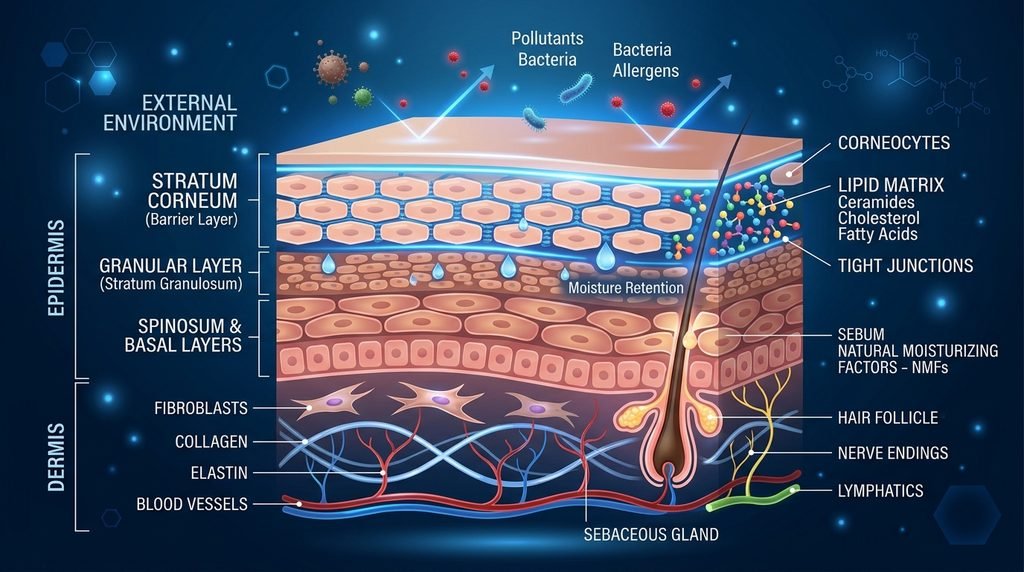
While the biological mechanics sound impressive, consumer expectations must align with physical realities. A major hurdle for any topical peptide is the stratum corneum—the skin’s outermost protective barrier. This barrier is specifically designed to keep external substances out. Because peptides are hydrophilic (water-soluble) and relatively large compared to simple molecules, penetrating deep into the dermal layer where native collagen synthesis occurs remains a significant technical challenge.
Furthermore, topical peptides cannot replace lost structural volume in the same way dermal fillers do, nor can they match the rapid cellular turnover rates induced by prescription retinoids. They do not instantly repair deep structural folds or sagging tissue caused by fat pad displacement. Marketing claims asserting that a cream can duplicate clinical procedures are simply false.
Where these formulations excel is in supporting overall skin quality over time. Consistent application helps improve surface hydration levels, strengthens barrier resilience, and gradually improves the appearance of fine surface lines. When evaluating your progress, think of peptides as a steady, long-term dietary supplement for your tissue matrix rather than an immediate corrective procedure. To understand how complementary barrier-building ingredients function alongside these signal molecules, explore our detailed breakdown on Ceramides Explained for comprehensive barrier care.
Peptides vs Retinol: Key Differences and Synergies
It is common to wonder how peptides compare to established heavyweights like retinoids. While both ingredient classes target fine lines and firmness, their mechanisms, speeds, and skin-tolerance profiles differ completely.
Retinoids work by binding directly to retinoic acid receptors in the skin, drastically accelerating cellular turnover and encouraging deep structural renewal. This process is highly effective but frequently brings side effects, including redness, peeling, and transient barrier disruption. Peptides, by contrast, act via signaling cascades without altering cell turnover rates, making them exceptionally gentle and suitable for sensitive skin types or compromised barriers.
+-----------------------------------------------------------------------+
|                         RETINOL VS PEPTIDES                           |
+-----------------------------------------------------------------------+
|  RETINOL                                                              |
|  - Accelerates cell turnover rate                                     |
|  - High potency / potential for redness and flaking                   |
|  - Best applied during evening routine                                |
+-----------------------------------------------------------------------+
|  PEPTIDES                                                             |
|  - Signals cells to support structural proteins                       |
|  - High tolerance / virtually zero surface irritation                 |
|  - Suitable for twice-daily application (AM/PM)                       |
+-----------------------------------------------------------------------+
Rather than choosing one over the other, many well-designed routines utilize both ingredients strategically. Retinoids handle heavy cellular renewal, while peptides provide gentle, soothing messaging to support underlying protein production. For those new to vitamin A derivatives, review our foundational guide on Retinol Basics Explained before structuring your night routine.
Formulation and Layering: Avoiding Invalidation
Getting results from your peptide products depends heavily on how you layer them within your routine. Certain environmental conditions—specifically low pH levels—can destabilize these delicate chains, breaking the peptide bonds before the formula can absorb into the upper epidermal layers.
Exfoliating acids like glycolic, lactic, and salicylic acid operate at low pH ranges (typically between 3.0 and 4.0). Applying a high-pH peptide serum directly over a strong LHA or AHA formula can cause the peptide structures to denature, effectively rendering them inactive. Similarly, unstable direct L-ascorbic acid (pure Vitamin C) serums can disrupt peptide integrity if layered simultaneously.
To maximize stability, consider these practical layering guidelines:
- Separate by Time of Day: Apply direct Vitamin C or exfoliating acids during your morning routine or on alternate evenings, saving your peptide serums for nighttime application.
- Wait Windows: If you choose to use acids and peptides in the same session, wait 10 to 15 minutes after applying your acid to allow your skin’s surface pH to balance before applying your peptide serum.
- Pairing Wisely: Combine peptides with neutral, hydrating ingredients like hyaluronic acid, niacinamide, and squalane. These compounds stabilize the formulation and support overall barrier hydration.
Independent research archived in public safety resources, such as the Cosmetic Ingredient Review (CIR) Safety Assessments, consistently confirms that modern cosmetic peptides demonstrate exceptional safety profiles and skin compatibility when formulated at appropriate pH levels.
Conclusion

Navigating the world of active ingredients requires sifting through heavy marketing claims to find functional truths. Peptides are not magical erasers for deep wrinkles, nor do they replace clinical treatments. Instead, they offer an elegant, highly tolerable mechanism for encouraging long-term structural maintenance and barrier health. By selecting formulas with well-studied signal or carrier peptides, respecting formulation pH sensitivities, and maintaining realistic timeframes, you can effectively harness these cellular messengers for smoother, healthier-looking skin.
Start evaluating your current regimen today: identify if your routine lacks targeted cell-signaling support, ensure your pH-sensitive products are properly spaced, and integrate a balanced peptide serum to support your long-term skin health goals.
FAQ Section
Q: How long does it take to see visible results from peptides?
A: Because peptides work by supporting gradual natural protein synthesis rather than stripping or rapidly exfoliating the surface, visible changes take time. Most users notice improvements in skin hydration and fine surface texture within 4 to 6 weeks, while firming benefits typically require 8 to 12 weeks of consistent twice-daily application.
Q: Can you use peptides and retinol together in the same routine?
A: Yes, peptides and retinol complement each other well. Retinol accelerates cellular turnover while peptides send messaging signals to support structural support proteins. To avoid irritation, apply your peptide serum first, allow it to absorb, and follow with your retinol, or use peptides in the morning and retinol at night.
Q: Are peptides safe for sensitive or acne-prone skin?
A: Generally, yes. Peptides are non-irritating and rarely trigger sensitivity responses because they mimic amino acid sequences naturally present in the human body. They do not cause flaking or photosensitivity, making them an excellent choice for reactive skin types. Always check the overall vehicle cream for pore-clogging heavy oils if you are prone to breakouts.
Q: What is the difference between copper peptides and regular peptides?
A: Regular signal peptides primarily prompt cells to generate fresh collagen. Copper peptides attach a copper molecule to a tripeptide chain, functioning as a carrier. This allows copper to enter tissue layers directly, supporting wound repair, enzyme health, and antioxidant activity alongside basic structural protein support.
Q: Do peptides cause skin purging when first introduced?
A: No, peptides do not cause skin purging. Purging occurs when an active ingredient accelerates cellular turnover, bringing underlying microcomedones to the surface faster (as seen with retinoids or exfoliating acids). Peptides do not speed up cell turn-over, so any breakout following a new peptide product is likely a reaction to the base vehicle formula.
Q: Can I use vitamin C with peptide serums?
A: It depends on the form of Vitamin C. Unstable, low-pH L-ascorbic acid can denature certain peptides if applied simultaneously. However, derivative forms of Vitamin C (such as Sodium Ascorbyl Phosphate or Tetrahexyldecyl Ascorbate) operating at neutral pH ranges pair safely with peptides without risk of destabilization.