Struggling with stubborn dark spots, sun damage, or persistent melasma often leads to a tricky decision between two top-tier ingredients: tranexamic acid and vitamin C. While both target hyperpigmentation, they operate through completely different pathways in the skin. Vitamin C acts as a broad-spectrum antioxidant that inhibits tyrosinase to brighten overall tone and protect against environmental stress. Tranexamic acid, on the other hand, interferes with plasmin activity to calm the inflammatory signals that trigger stubborn pigment—making it particularly effective for stubborn patches and melasma. This guide breaks down their mechanisms, side-by-side performance, compatibility, and application order to help you choose the ideal approach for your skin goals.
Executive Summary

Finding an effective strategy for hyperpigmentation can feel like an endless trial-and-error process. With so many brightening actives filling the beauty aisles, comparing tranexamic acid vs vitamin C is one of the most critical steps you can take for your daily routine. Do you need a daily antioxidant shield, a targeted pigment interruptor, or a strategic combination of both? You aren’t alone if you’re confused by how these popular ingredients actually perform on real skin. Let’s look closely at how each active functions, where they excel, and how to use them safely for a visibly clearer, more even complexion.
How Tranexamic Acid and Vitamin C Target Hyperpigmentation Differently
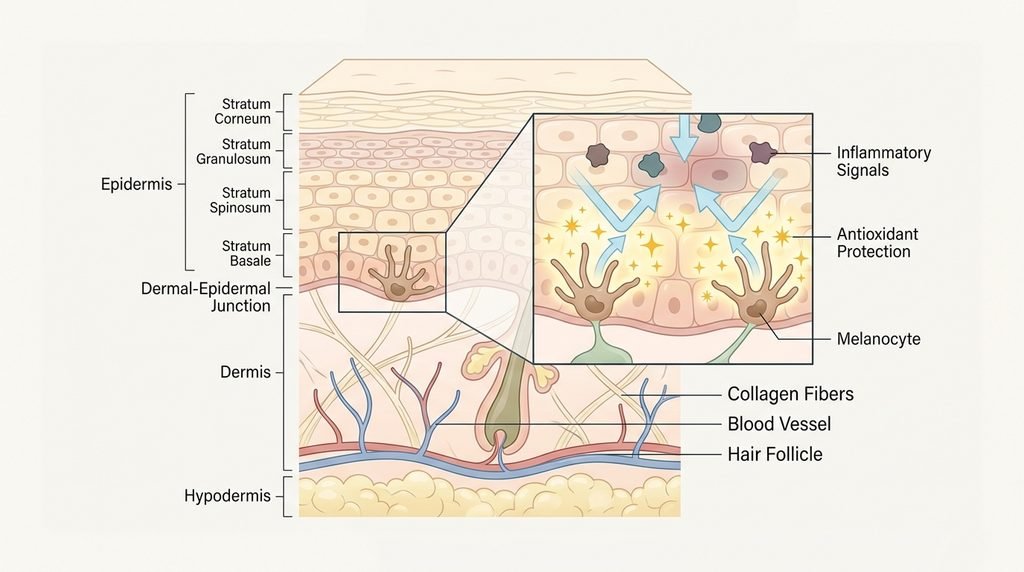
To understand which ingredient suits your needs, it helps to look at their biological mechanisms. Pigment production (melanogenesis) is a multi-step process triggered by UV exposure, hormonal shifts, and inflammation.
Vitamin C (L-ascorbic acid and its derivatives) works primarily as an antioxidant and a tyrosinase inhibitor. Tyrosinase is the essential enzyme responsible for converting the amino acid tyrosine into melanin. By suppressing this enzyme and neutralizing free radicals caused by sunlight and pollution, vitamin C prevents excess pigment from forming while fading existing surface dullness.
Tranexamic acid takes an entirely different route. Originally used as a systemic medication to control bleeding, topically applied tranexamic acid functions as a synthetic derivative of the amino acid lysine. It inhibits plasminogen activation in epidermal cells (keratinocytes). By preventing plasmin from binding, it interrupts the inflammatory cascade that tells melanocytes to overproduce pigment. This indirect, inflammation-focused pathway makes it uniquely equipped to handle chronic, vascular, or hormonally driven discoloration.
Head-to-Head Comparison: Tranexamic Acid vs. Vitamin C
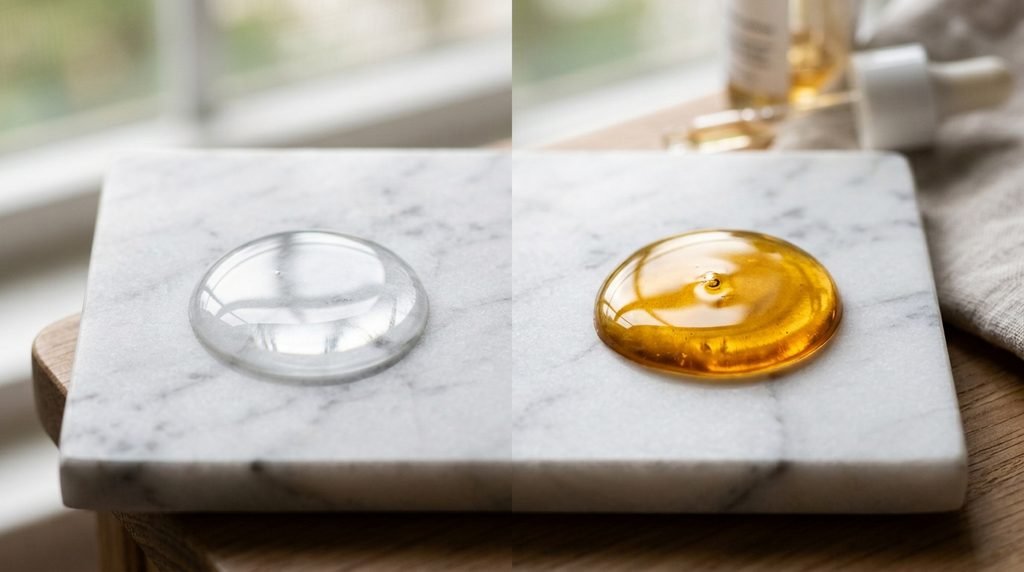
While both actives aim to create a more luminous, uniform skin tone, their performance varies across different skin concerns, timelines, and tolerance levels.
| Feature | Tranexamic Acid | Vitamin C (L-Ascorbic Acid) |
| Primary Mechanism | Inhibits plasmin activity; interrupts inflammatory pigment signaling | Inhibits tyrosinase enzyme; neutralizes free radicals |
| Best Used For | Melasma, post-inflammatory erythema (PIE), stubborn patches | Overall brightening, sun damage, dark spots (PIH), collagen support |
| Typical Time to Results | 8 to 12 weeks of consistent daily application | 6 to 8 weeks for brightness; 12+ weeks for dark spots |
| Stability Level | Highly stable in water-based formulations | L-ascorbic acid oxidizes easily; derivatives offer moderate stability |
| Irritation Potential | Very low; generally well-tolerated by sensitive skin | Moderate to high (pure L-ascorbic acid requires low pH ~3.5) |
| Pregnancy Considerations | Topical forms require physician clearance; oral is prescription-only | Widely considered safe topically during pregnancy/breastfeeding |
When to Choose Tranexamic Acid for Stubborn Discoloration

If your primary concern is melasma—symmetrical, shadow-like patches that often appear on the cheeks, forehead, or upper lip—tranexamic acid is often the stronger candidate. Melasma is notoriously sensitive to heat, UV exposure, and vascular activity. Because tranexamic acid calms the micro-inflammatory communications between surface skin cells and deeper pigment producers, it addresses the root cause of these recurrent patches.
It is also an excellent option for those who find traditional active ingredients too harsh. Pure L-ascorbic acid requires a low, acidic pH to penetrate the skin effectively, which can lead to stinging, redness, or barrier disruption in reactive skin types. Topical tranexamic acid typically formulates comfortably at a skin-neutral pH (between 5.0 and 7.0), making it exceptionally gentle even for those prone to redness.
It’s worth noting a common point of confusion: topical tranexamic acid serums differ significantly from oral tranexamic acid. Oral forms are prescription medications used under strict medical supervision for severe melasma. Topical formulations work locally within the upper layers of the epidermis without systemic absorption, offering a safe, non-prescription option for everyday skincare routines.
When Vitamin C Remains the Gold Standard
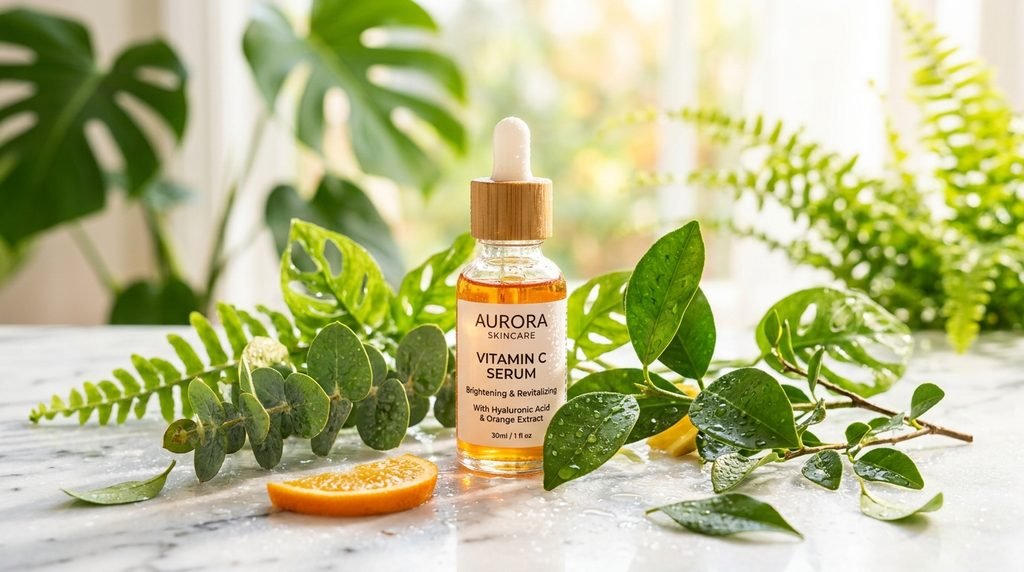
Vitamin C remains an essential fixture in modern dermatology for good reason. If your main goals extend beyond dark spots to include general radiance, fine line support, and environmental defense, vitamin C is unmatched.
As a primary antioxidant, applying vitamin C every morning neutralizes the reactive oxygen species (ROS) generated by daily UV exposure and urban pollution. It also serves as a necessary co-factor in collagen synthesis, helping to improve skin firmness and smooth out uneven texture over time. For general post-inflammatory hyperpigmentation (PIH)—such as the flat brown marks left behind after an acne breakout—vitamin C’s ability to slow tyrosinase activity helps these spots fade evenly.
For maximum benefit, look for formulations containing L-ascorbic acid paired with supporting antioxidants like vitamin E and ferulic acid, which help stabilize the compound and boost its efficacy on the skin surface.
For a deeper dive into choosing the right ascorbic acid derivative for your barrier, check out our complete breakdown in our [Guide to Understanding Vitamin C Serums].
Can You Use Tranexamic Acid and Vitamin C Together?
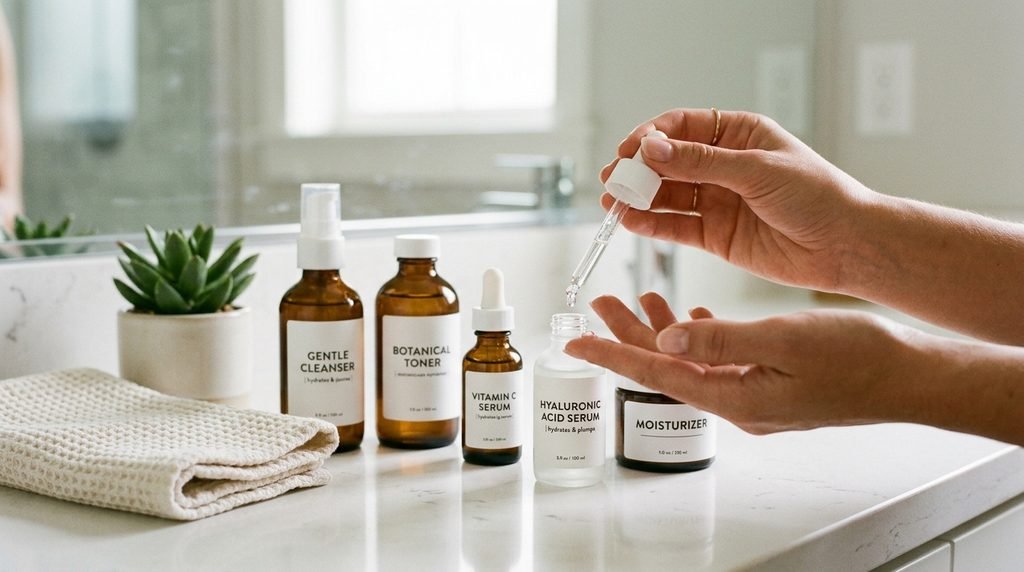
The short answer is yes. Because these two ingredients target hyperpigmentation through complementary, non-competing biological pathways, combining them often produces superior results compared to using either alone.
While vitamin C suppresses the key enzyme that creates pigment, tranexamic acid quiets the inflammatory signals that trigger pigment synthesis in the first place. This dual-action approach attacks discoloration from both directions.
Layering Guidelines for Daily Use
To layer these ingredients safely without overloading your skin barrier:
- Morning Application: Apply your vitamin C serum to clean, dry skin first. Allow it a minute or two to absorb completely. Vitamin C works best in the morning where its antioxidant properties neutralize daily environmental stressors.
- Follow with Tranexamic Acid: Apply your tranexamic acid serum directly after vitamin C, or reserve it for your evening routine if you prefer a simpler morning regimen.
- Moisturize and Protect: Finish with a hydrating moisturizer and a broad-spectrum SPF 30 or higher. No brightening ingredient can succeed without diligent, daily sun protection.
If you already use other barrier-supportive or brightening actives, such as those discussed in our analysis on [Azelaic Acid for Skin Brightening], tranexamic acid can generally be integrated smoothly alongside them due to its low irritation profile.
To verify ingredient safety and clinical trial literature on topical formulations, you can consult authoritative databases like the National Center for Biotechnology Information (NCBI).
Realistic Expectations: Timelines and Application Tips
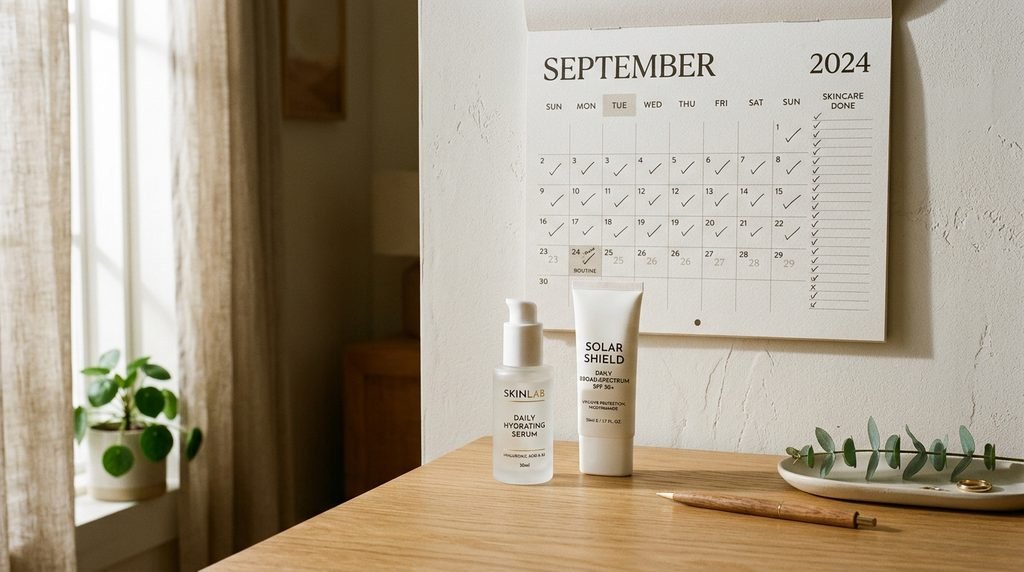
Patience and consistency are vital when treating any form of hyperpigmentation. Skin cell turnover naturally takes roughly 28 to 40 days, and established pigment stored in deeper layers requires multiple cycles to migrate upward and shed off.
When using topical tranexamic acid, initial improvements in overall redness and patch sharpness generally appear around the 6 to 8-week mark, with significant fading occurring after 12 weeks of daily application. Vitamin C provides an almost immediate boost to skin radiance due to surface hydration and antioxidant action, but dark spot reduction similarly requires 8 to 12 weeks of continuous morning use.
Always perform a patch test when introducing new active products, and maintain a simple, supportive routine focused on barrier repair alongside your chosen treatments.
Conclusion

Choosing between tranexamic acid and vitamin C ultimately comes down to your specific skin needs. If you are dealing with chronic melasma, heat-sensitive patches, or reactive skin that flares up under acidic products, tranexamic acid offers a targeted, gentle solution that interrupts pigment at the inflammatory source. If your primary goals are daily environmental defense, collagen support, and general radiance, vitamin C remains the classic multi-tasking choice.
For many, combining both ingredients provides the most complete approach to fading stubborn dark spots safely. Take time to evaluate your skin’s current barrier health, select the active that aligns best with your main concern, and remember that consistent daily sun protection is your most powerful tool in maintaining an even, luminous complexion.
FAQ Section

Q: Which is better for dark spots, tranexamic acid or vitamin C?
A: Neither is strictly “better”—they serve different pigment types. Tranexamic acid works exceptionally well for stubborn patches and melasma caused by inflammation. Vitamin C excels at overall brightening, fading acne marks (PIH), and defending against daily environmental sun damage.
Q: Which is better for me, vitamin C or tranexamic acid?
A: Choose vitamin C if you want daily antioxidant protection, collagen support, and general radiance alongside spot fading. Choose tranexamic acid if you have sensitive skin, rosacea, or persistent melasma patches that react poorly to acidic serums.
Q: Should I apply vitamin C or tranexamic acid first?
A: Apply vitamin C first after cleansing, as L-ascorbic acid requires a lower pH to penetrate effectively. Once absorbed, layer your tranexamic acid serum on top, followed by a moisturizer and broad-spectrum sunscreen.
Q: Does tranexamic acid really work on dark spots?
A: Yes, topical tranexamic acid effectively reduces discoloration by inhibiting plasmin activation. This prevents keratinocytes from signaling melanocytes to produce excess melanin, making it a proven option for fading sun spots and post-inflammatory discoloration.
Q: How long does it take for tranexamic acid to fade dark spots?
A: Most people begin noticing subtle improvements in skin tone within 4 to 6 weeks. However, significant fading of deep-seated discoloration or melasma typically takes 8 to 12 weeks of consistent, daily morning and evening application.
Q: Is topical tranexamic acid safe for all skin tones?
A: Yes, topical tranexamic acid is safe and effective across all Fitzpatrick skin types. Unlike aggressive chemical peels or lasers, it does not carry a high risk of triggering post-inflammatory hyperpigmentation in deeper skin tones.