Executive Summary
Targeting hyperpigmentation requires choosing active ingredients matched directly to the underlying cause—whether sun damage, hormonal melasma, or post-acne marks. This definitive guide ranks the five most effective topical ingredients: Vitamin C, Azelaic Acid, Tranexamic Acid, Niacinamide, and Alpha Arbutin. You will learn how each compound acts on pigment production pathways, which primary concern each serves best, and how to safely layer them for optimal skin clarity. Included is a target routing chart, essential guidance for melanin-rich skin tones, and answers to high-intent questions regarding routine timing and daily sun protection.
Understanding Hyperpigmentation: How Actives Stop Excess Pigment
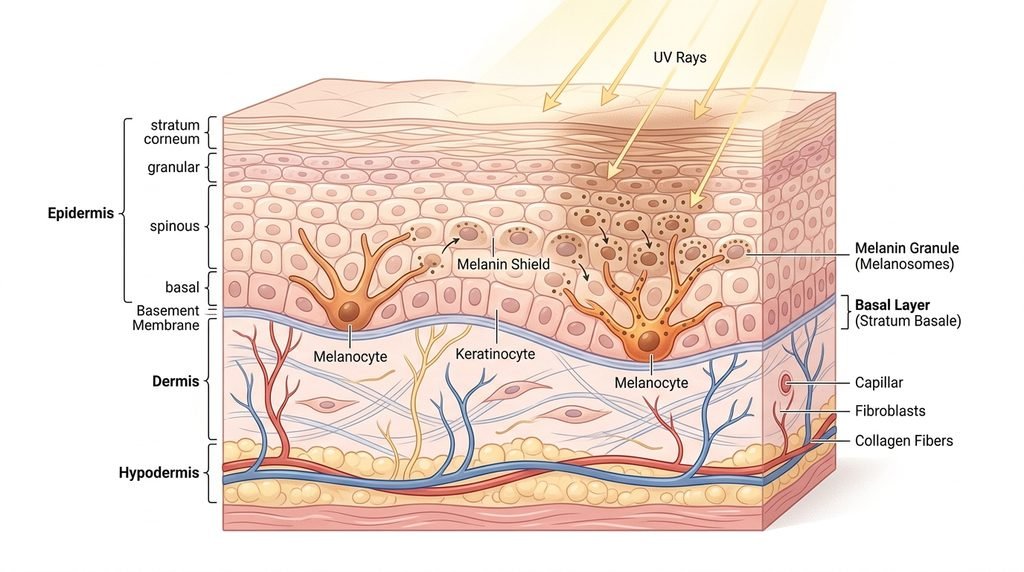
Dark spots form when skin cells called melanocytes overproduce melanin. This trigger can be UV exposure, inflammatory acne, or hormonal fluctuations. Most targeted treatments work by interfering with tyrosinase—the primary enzyme responsible for converting tyrosine into melanin pigment.
[UV / Acne / Hormones] ──> Melanocyte Activation ──> Tyrosinase Enzyme ──> Melanin Output ──> Visible Dark Spot
                                                             │
                         Active Ingredients Block Here ──────┘
Different ingredients intervene at distinct points in this pathway. Inhibiting the enzyme directly, blocking pigment transfer between cells, or calming vascular triggers offer unique paths to fading discoloration. Combining compatible mechanisms accelerates overall skin tone evening.
5 Best Ingredients for Dark Spots, Ranked by Mechanism
1. Vitamin C (L-Ascorbic Acid)
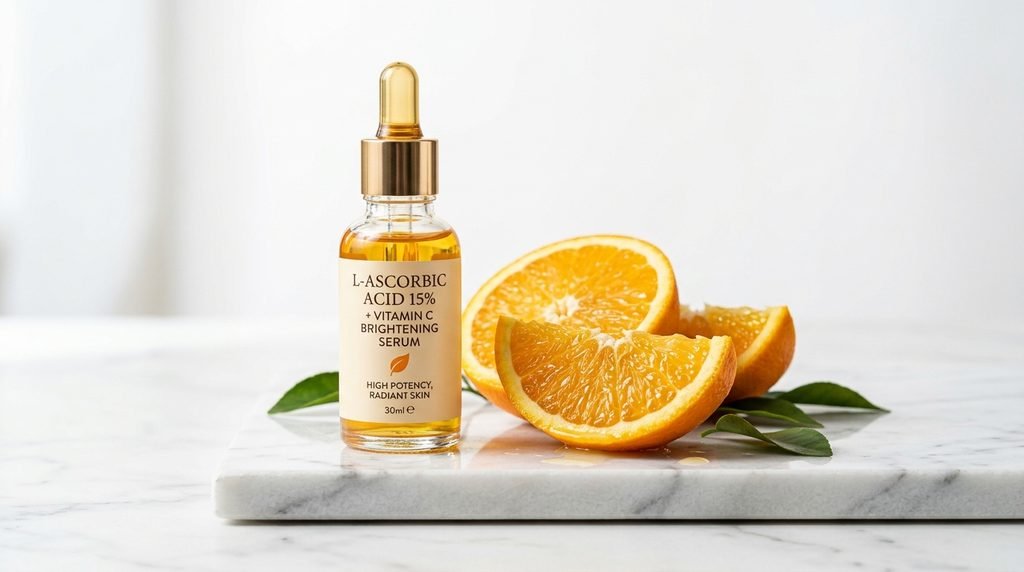
- Best For: Sun spots, broad dullness, and environmental damage.
- Mechanism: Direct tyrosinase inhibitor and potent antioxidant.
Vitamin C neutralizes free radicals caused by daily UV rays and pollution while suppressing enzyme activity. Regular morning application brightens overall tone and prevents new discoloration from settling.Placeholder: Internal Link to “What Is Vitamin C Serum?”
2. Azelaic Acid
- Best For: Post-inflammatory hyperpigmentation (PIH) and red/brown acne marks.
- Mechanism: Selective tyrosinase inhibitor that targets hyperactive melanocytes while soothing inflammation.
Azelaic acid offers dual benefits by calming active breakouts while simultaneously breaking down residual discoloration. Because it acts selectively on abnormal pigment-producing cells, it remains exceptionally gentle on surrounding normal skin.Placeholder: Internal Link to “Azelaic Acid Explained”
3. Tranexamic Acid

- Best For: Stubborn melasma, hormonal patches, and persistent discoloration.
- Mechanism: Plasmin inhibitor that slows melanocyte-stimulating pathways and reduces vascular-driven pigmentation.
Originally used as a coagulation agent, topical tranexamic acid interrupts the communication signals between surface keratinocytes and deeper melanocytes. It works particularly well on stubborn pigment altered by UV or heat exposure.Placeholder: Internal Link to “Tranexamic Acid vs. Vitamin C”
4. Niacinamide (Vitamin B3)
- Best For: General uneven tone, barrier support, and enlarged pores.
- Mechanism: Blocks melanosome transfer from pigment cells to surface skin cells.
While ingredients like Vitamin C stop pigment production, Niacinamide prevents produced pigment from moving into visible upper skin layers. It also reinforces the lipid barrier, reducing sensitivity to other active treatments.Placeholder: Internal Link to “What Is Niacinamide”
5. Alpha Arbutin
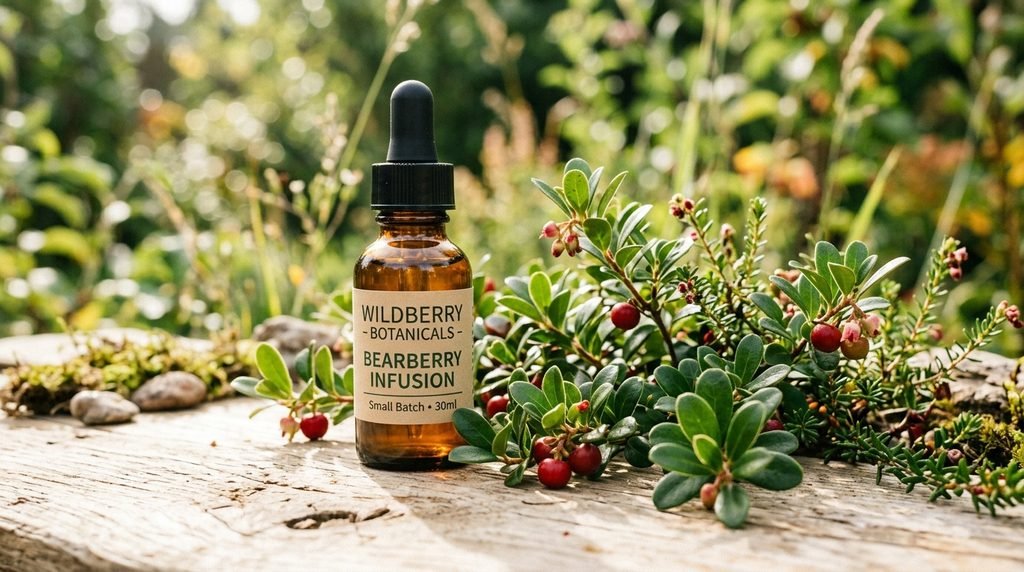
- Best For: Sensitive skin types needing gentle, steady spot fading.
- Mechanism: Slow-release hydroquinone derivative that steadily inhibits tyrosinase without aggressive irritation.
Derived naturally from plants like bearberry, Alpha Arbutin breaks down slowly on the skin. This sustained release delivers effective pigment correction while maintaining low irritation risks.
Ingredient Routing Matrix: Matching Concern to Active
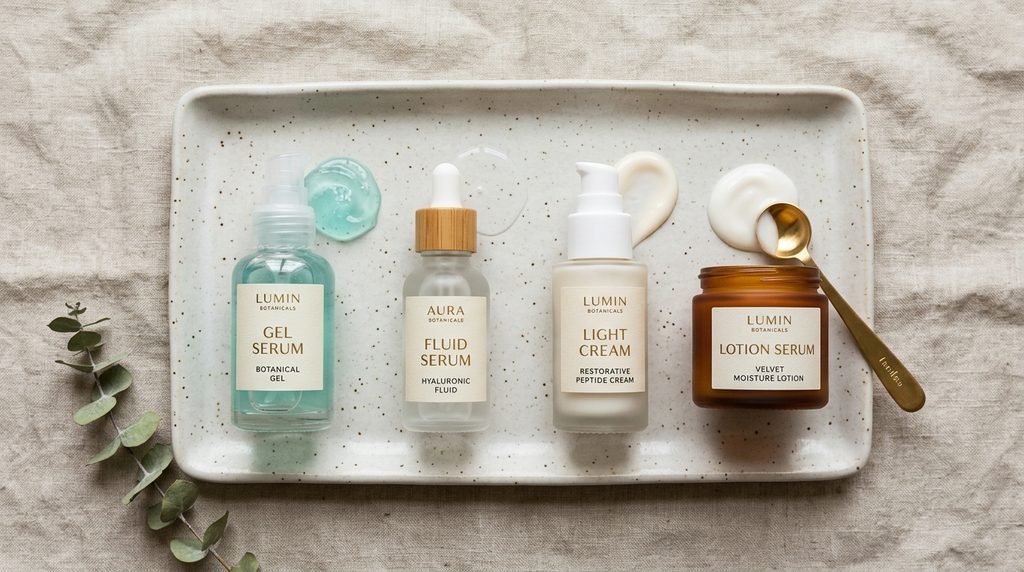
Choosing the correct active ingredient depends entirely on how the discoloration formed. The matrix below matches skin concerns to primary ingredients, supporting mechanisms, and expected response windows.
| Primary Skin Concern | Ideal Primary Active | Supporting Active | Key Mechanism | Expected Timeline |
| Post-Acne Marks (PIH) | Azelaic Acid | Niacinamide | Calms inflammation & selective tyrosinase inhibition | 4–8 Weeks |
| Sun Damage & Freckles | Vitamin C | Alpha Arbutin | Antioxidant defense & direct tyrosinase suppression | 8–12 Weeks |
| Hormonal Melasma | Tranexamic Acid | Azelaic Acid | Interrupts vascular-melanocyte signaling pathways | 8–16 Weeks |
| Diffused Dullness | Niacinamide | Vitamin C | Inhibits melanosome transfer to surface keratinocytes | 4–6 Weeks |
Placeholder: External Link to Journal of Clinical and Aesthetic DermatologyPlaceholder: Internal Link to “Understanding Hyperpigmentation”
Formulating for Deeper Skin Tones (Fitzpatrick Types IV–VI)

Melanin-rich skin possesses highly active melanocytes that react rapidly to trauma, friction, or harsh skincare ingredients. Overly aggressive exfoliation or high-strength acids can trigger secondary post-inflammatory hyperpigmentation, making original dark spots worse.
Harsh Exfoliants / High % Acids ──> Micro-Inflammation ──> Reactive Melanocytes ──> Secondary PIH
- Focus on non-irritating actives: Prioritize gentle inhibitors like Azelaic Acid (10%), Niacinamide (2–5%), and Alpha Arbutin (2%).
- Introduce strong antioxidants gradually: Introduce L-Ascorbic acid slowly, or opt for stable, buffered derivatives like Ascorbyl Glucoside.
- Avoid aggressive physical scrubs: Avoid abrasive physical scrubs and high-percentage unbuffered glycolic acid peels that provoke inflammatory responses.
How to Safely Combine and Layer Actives
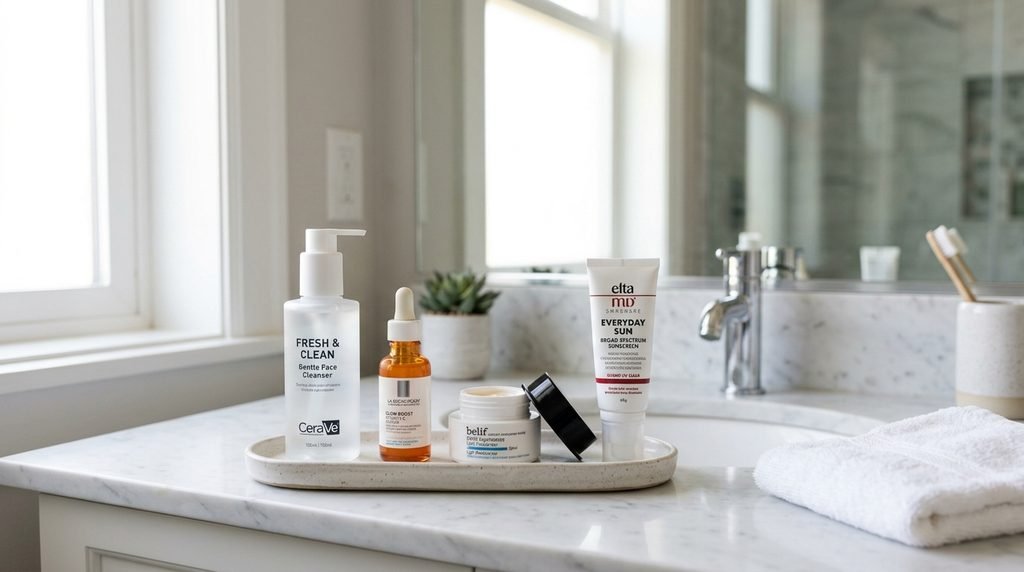
Layering ingredients with complementary mechanisms targets dark spots faster than relying on a single compound alone. A structured day/night routine prevents barrier disruption while maximizing ingredient efficacy.
Morning (AM) Routine:
[Cleanse] ──> [Vitamin C or Niacinamide Serum] ──> [Moisturizer] ──> [Broad-Spectrum SPF 50]

Evening (PM) Routine:
[Cleanse] ──> [Azelaic Acid or Tranexamic Acid] ──> [Barrier Cream / Moisturizer]
- Morning Defense: Apply antioxidant-rich ingredients like Vitamin C or Niacinamide in the morning. These protect against daytime UV and environmental stressors that stimulate pigment cells.
- Evening Correction: Reserve targeted treatment actives—such as Azelaic Acid,Tranexamic Acid, or gentle retinoids—for nighttime recovery.
- Patch Test and Scale: Introduce one new active ingredient at a time, allowing 10–14 days between additions to monitor skin tolerance.
Why Sunscreen Is Non-Negotiable in Pigment Treatment
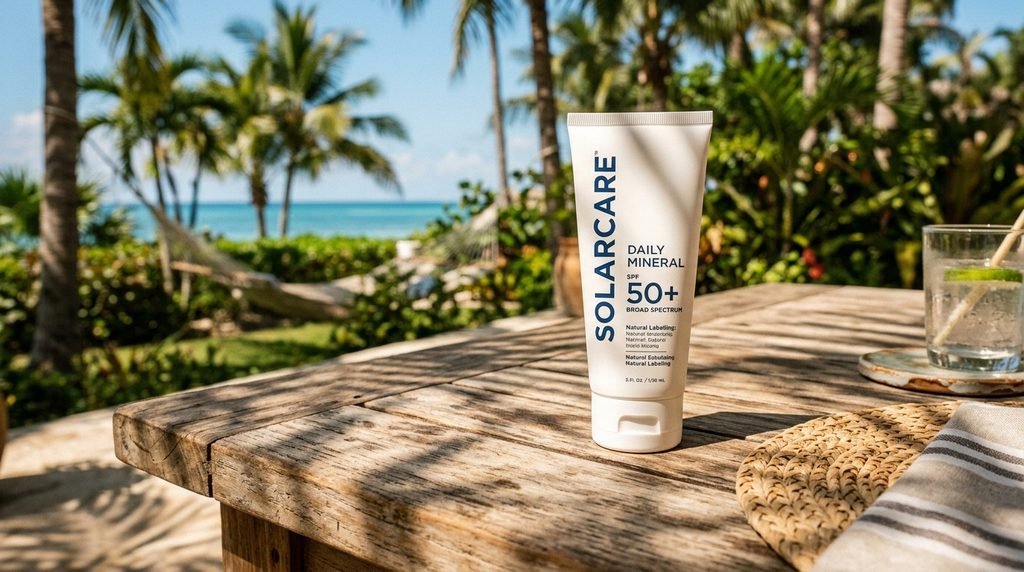
No dark spot ingredient can succeed without consistent daily UV protection. Ultraviolet radiation directly activates melanocytes, signaling them to produce fresh melanin even while active ingredients attempt to shut production down.
Unprotected UV exposure reverses weekly progress in a single afternoon. Broad-spectrum sunscreen rated SPF 30 or higher stabilizes pigment-fading results, shielding healing skin from sun-induced re-darkening.
Conclusion

Fading hyperpigmentation requires matching targeted ingredients to specific pigment triggers. Vitamin C defends against daily UV damage, Azelaic Acid clears post-acne marks, Tranexamic Acid treats stubborn melasma, Niacinamide halts pigment transfer, and Alpha Arbutin provides steady brightening. By combining compatible actives into a structured morning and evening routine—anchored by diligent daily sun protection—you build an effective path toward an even, radiant complexion.
Frequently Asked Questions

Q: What type of serum is best for dark spots?
A: The best serum depends on the root cause. Vitamin C serums work best for sun spots and dullness, while Azelaic Acid or Tranexamic Acid serums target post-acne marks and melasma. Look for formulas that combine multiple gentle brighteners like Niacinamide with Alpha Arbutin.
Q: Is Vitamin C or Azelaic Acid better for post-acne marks?
A: Azelaic Acid is generally more effective for post-inflammatory hyperpigmentation (PIH) caused by acne. It simultaneously calms lingering inflammation and reduces excess melanin production. Vitamin C is better suited for broad environmental brightening and sun-induced dark spots.
Q: Can I use Tranexamic Acid and Vitamin C together?
A: Yes, they complement each other exceptionally well. Apply Vitamin C during your morning routine to protect against environmental damage, and use Tranexamic Acid in the evening to target deep, stubborn pigment pathways.
Q: How long does it take to see results from dark spot ingredients?
A: Most topical ingredients require 4 to 12 weeks of consistent daily use to produce visible fading. Skin turnover takes roughly 28 days, so surface pigment fades gradually as new, unpigmented cells rise to the surface.
Q: Are dark spot ingredients safe for deeper skin tones?
A: Yes, but selection matters. Melanin-rich skin responds best to non-irritating brighteners like Azelaic Acid, Niacinamide, and Alpha Arbutin. Avoid harsh physical scrubs or unbuffered high-strength acids that could trigger secondary hyperpigmentation.
Q: Do you really need sunscreen if you use dark spot serums?
A: Absolutely. UV light activates pigment-producing cells instantly. Without daily broad-spectrum SPF 30+, solar exposure will generate new melanin, undoing any brightening progress achieved by your active serums.