Executive Summary
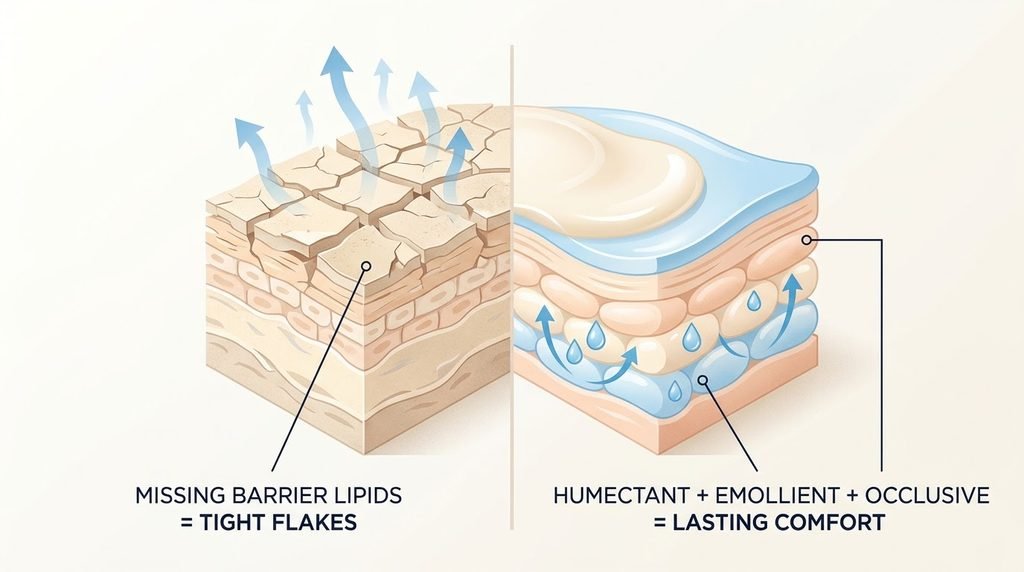
Finding what is the best moisturizer for dry skin comes down to matching formula ingredients and textures to your moisture barrier rather than chasing a single trendy jar. Look for a cream that combines three distinct hydration jobs: humectants (like glycerin and hyaluronic acid) to draw water in, emollients (like ceramides and fatty acids) to smooth rough flakes, and occlusives (like squalane or petrolatum) to lock moisture inside. In this criteria-based guide, you’ll learn how each ingredient group supports dry facial skin, how lotions, creams, and ointments differ in oil-to-water ratio, why skin sometimes still feels tight after moisturizing, and how to layer your cream over hydrating serums for lasting comfort.
Slathering on a thick scoop of face cream only to feel tight, papery patches return around your mouth two hours later is one of the most common skincare frustrations. When dry skin refuses to stay comfortable, the problem usually isn’t that you need to apply more product—it’s that your current jar is missing one of the key building blocks your outer skin barrier relies on.
If you’re searching for what is the best moisturizer for dry skin, the answer lies on the ingredient list rather than the price tag. While our Best Skincare Routine for Dry Skin covers every step from cleanser to sunscreen, this guide focuses specifically on choosing the right moisturizer formula and layering it effectively over serums. Below, we’ll break down the three ingredient types every dry-skin cream needs, compare lotions, creams, and ointments, and troubleshoot why skin sometimes stays thirsty even after you moisturize.
The Three Ingredient Types Every Dry Skin Moisturizer Needs
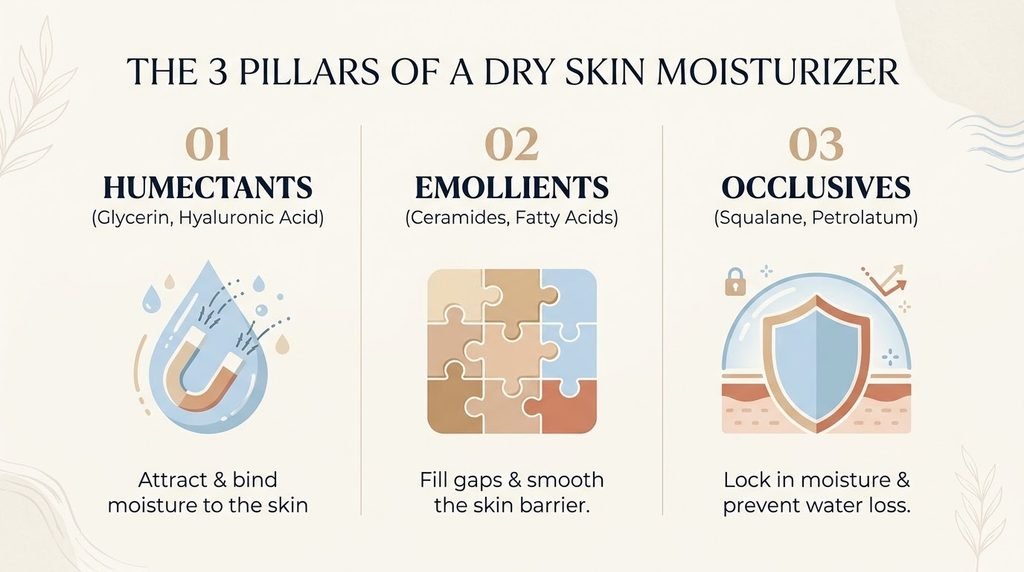
Effective moisturizers for dry facial skin don’t rely on a single star ingredient. Instead, they pair three complementary mechanisms that hydrate, soften, and seal your outer skin layer (the stratum corneum).
| Ingredient Type | Common Label Examples | What It Actually Does on Dry Skin |
| Humectants | Glycerin, hyaluronic acid, panthenol, urea, beta-glucan | Acts like a water magnet, pulling moisture from deeper skin layers and humid air into dry surface cells |
| Emollients & Barrier Lipids | Ceramides, cholesterol, fatty acids, shea butter, squalane | Fills microscopic cracks between flaking skin cells, softening rough texture and reinforcing barrier strength |
| Occlusives | Petrolatum, dimethicone, mineral oil, lanolin, beeswax | Forms a breathable surface seal that slows down overnight water evaporation (transepidermal water loss) |
When a formula leaves out occlusives or barrier lipids—for example, a pure water-gel packed only with hyaluronic acid—water evaporates right back out into dry indoor air, leaving your face feeling tight again within an hour. According to dry-skin guidance from the American Academy of Dermatology, choosing fragrance-free creams or ointments rich in ceramides, glycerin, and dimethicone or petrolatum helps trap moisture and calm dryness far more reliably than thin, watery lotions.
To see how ceramides and humectants work on a cellular level, read Ceramides Explained and Understanding Hyaluronic Acid.
Cream vs. Lotion vs. Ointment: Picking the Right Texture
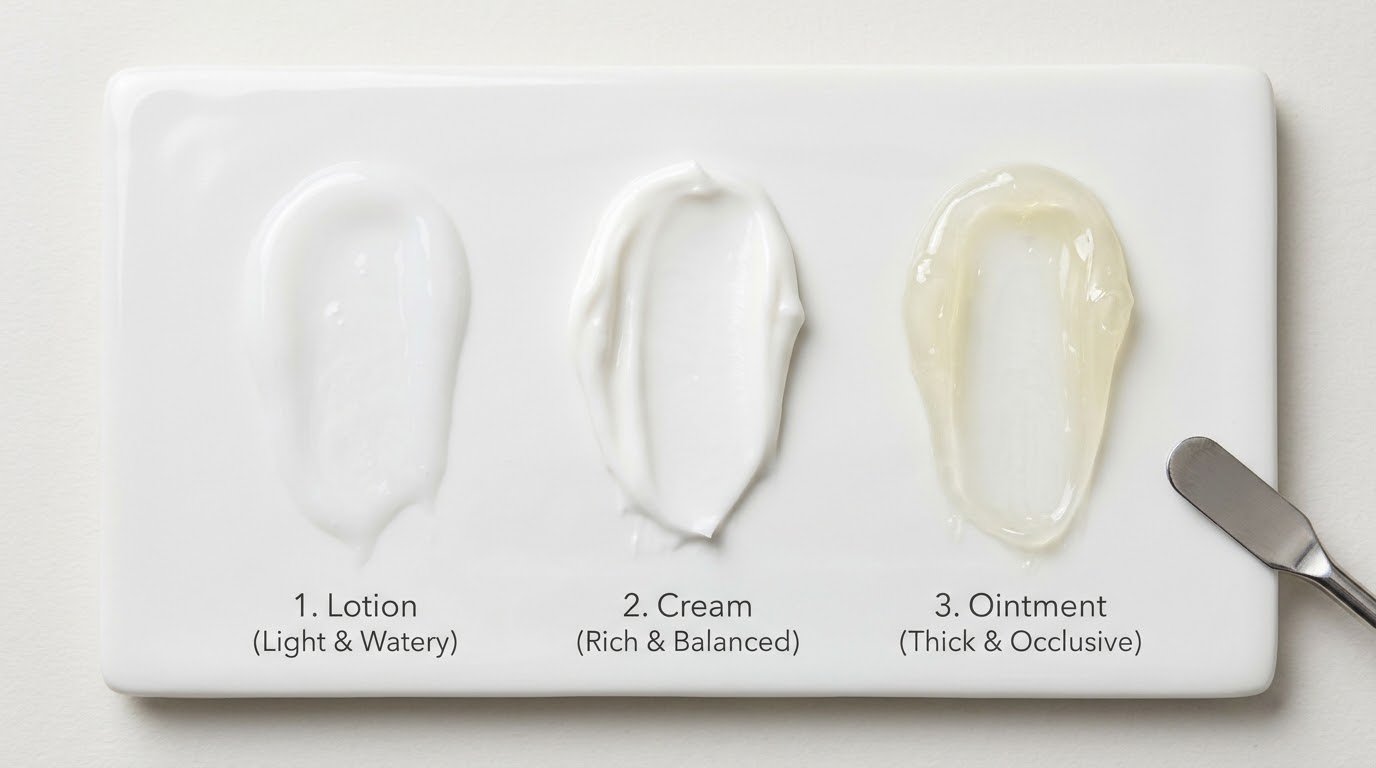
Walking down the skincare aisle, you’ll see moisturizers labeled as lotions, creams, balms, and ointments. Those terms aren’t just marketing—they tell you the formula’s oil-to-water ratio, which directly affects how rich it feels and how well it prevents moisture loss.
- Lotions (Highest Water Content): Lightweight, pourable fluids that absorb quickly with minimal shine. Lotions feel comfortable on normal or combination skin, or during humid summer months, yet often lack enough occlusive weight for genuinely dry or winter-chapped cheeks.
- Creams (Balanced Oil and Water): Thicker, scoopable formulas that deliver steady emollients and barrier lipids without feeling overly greasy. For most people with dry facial skin, a well-formulated ceramide cream is the daily sweet spot—especially before makeup or daytime sunscreen.
- Ointments and Balms (Highest Oil / Occlusive Content): Semi-solid, translucent formulas made primarily of petrolatum, mineral oil, or heavy waxes with little to no water. Ointments trap moisture better than any other texture, making them ideal for overnight spot-sealing on severely flaky patches, cracked lips, or windburned areas, though applying them all over oily-prone zones can feel heavy.
How to Layer Moisturizer Over a Hydrating Serum
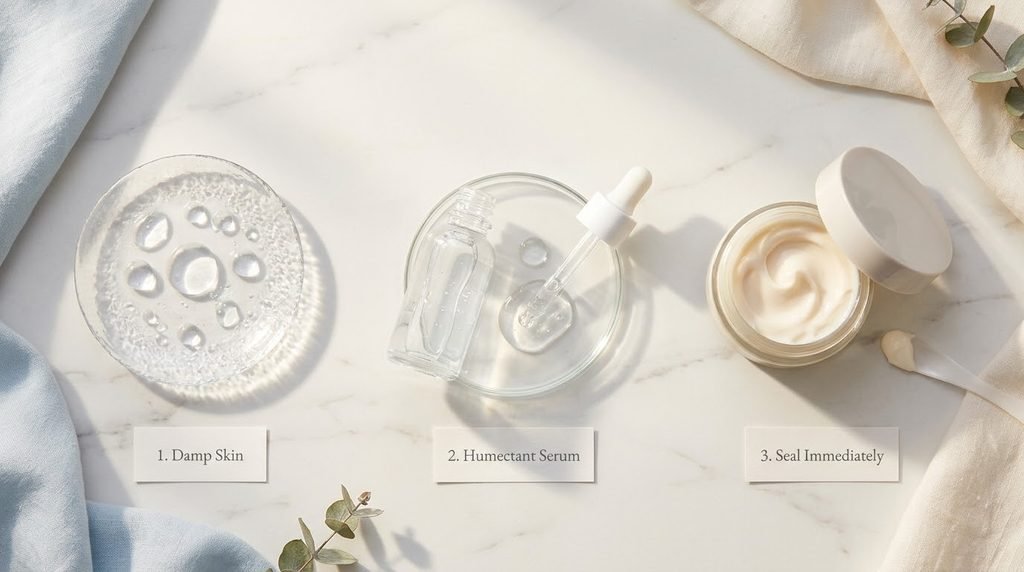
Many people wonder whether they still need a moisturizer if they already use a hydrating serum. The short answer is yes—serums deliver concentrated humectants and soothing actives into the upper epidermis, while moisturizers supply the emollients and occlusives needed to keep that hydration from escaping. Compare their distinct roles in Serum vs. Moisturizer.
Getting the pairing order right maximizes both bottles:
- Start with clean, slightly damp skin: After washing with a gentle, non-foaming cream cleanser, pat your face lightly so skin still feels dewy rather than bone-dry.
- Apply your hydrating serum first: Smooth two to three drops of a hyaluronic acid, glycerin, or panthenol serum across your face and neck.
- Seal immediately with your moisturizer: Within 15 to 30 seconds—before the serum dries completely—apply your barrier cream on top to trap that surface water inside. Check Serum Before or After Moisturizer? for full layering details and exceptions.
(A quick note on daytime SPF: If you use a morning moisturizer that includes SPF, remember that most people apply moisturizer far more thinly than the generous two-finger amount required to reach the stated sun protection rating. Layering a dedicated broad-spectrum SPF 30+ over your regular moisturizer offers much more reliable daytime defense.)
Why Does My Face Still Feel Dry After Moisturizing?
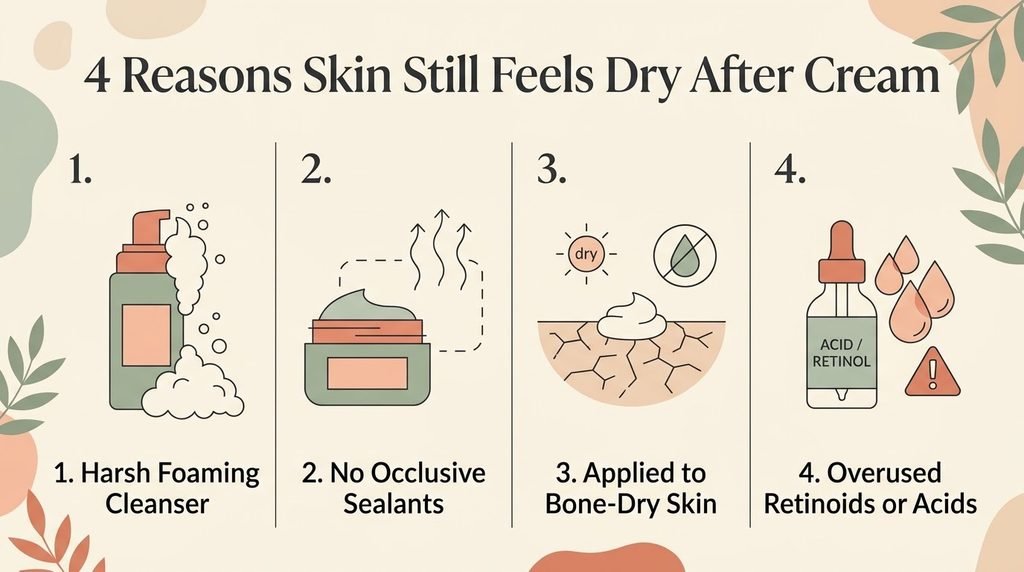
If you’re applying cream twice a day and still dealing with tightness, dullness, or flaking, one of four everyday culprits is usually behind it:
- Your cleanser is stripping your barrier: Foaming washes with harsh sulfates or hot shower water rinse away your skin’s natural lipids before your cream ever touches your face. Switch to lukewarm water and a gentle, soap-free milk or cream cleanser.
- Your moisturizer lacks occlusives: If your cream relies heavily on lightweight humectants without ceramides, shea butter, squalane, or dimethicone, moisture evaporates quickly in heated winter rooms or air-conditioned offices.
- You’re applying cream to bone-dry skin: Moisturizers work best when they have surface water to trap. Applying cream right after cleansing while skin is still slightly damp boosts hydration noticeably.
- Unbuffered active ingredients are causing irritation: Daily use of strong retinoids, exfoliating acids, or alcohol-heavy toners can outpace your barrier’s ability to repair itself, creating chronic dryness that no cream can mask until you scale back.
How Often Should You Moisturize Dry Skin?
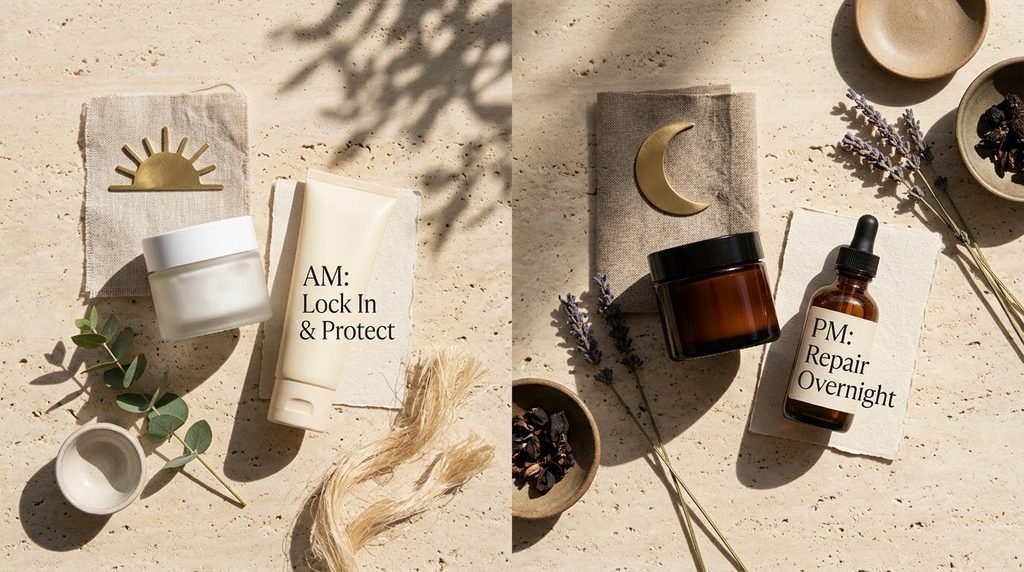
For dry facial skin, applying moisturizer at least twice daily—once in the morning before sunscreen and once at night before bed—is a solid baseline. Anytime you wash your face, step out of the shower, or come inside from cold, windy weather, reapplying a light layer of cream helps prevent tightness before flaking starts.
If your skin feels parched mid-afternoon, you don’t need to wash your face again. Pressing a small amount of ceramide cream—or a drop of plain squalane oil—gently over dry patches refreshes comfort right away.
FAQ Section
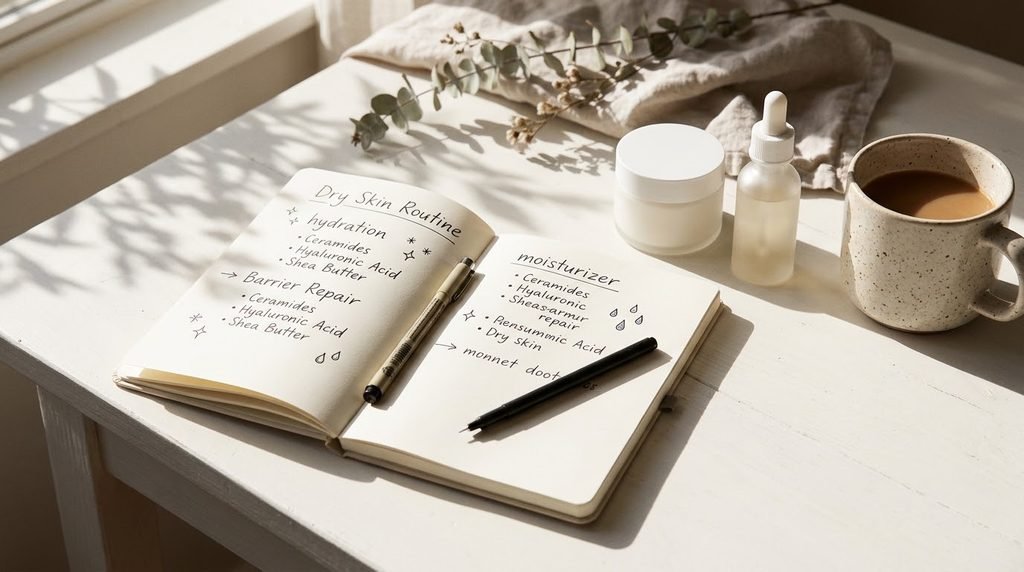
Q: What is the best moisturizer for dry skin on the face?
A: The best moisturizer for dry facial skin is a fragrance-free cream that combines humectants (such as glycerin or hyaluronic acid), barrier lipids (like ceramides and fatty acids), and gentle occlusives (such as squalane, dimethicone, or shea butter). Applying it twice daily onto slightly damp skin helps relieve tightness and flaking.
Q: What is the difference between a cream, lotion, and ointment?
A: The main difference is their oil-to-water ratio. Lotions have the highest water content and feel lightest, creams offer a balanced blend of oils and water ideal for daily facial dryness, and ointments contain mostly occlusive oils or petrolatum with little water, making them richest for severely dry patches.
Q: Do I still need a moisturizer if I use a hydrating serum?
A: Yes, you still need a moisturizer even when using a hydrating serum. Serums deliver lightweight humectants like hyaluronic acid into the upper skin layers, while moisturizers supply the emollients and occlusives needed to seal that hydration in and protect your outer skin barrier from water loss.
Q: Why does my face still feel dry right after moisturizing?
A: Persistent tightness after moisturizing usually happens when your cream lacks occlusive ingredients to trap water, when you apply moisturizer to bone-dry skin instead of damp skin, or when a harsh foaming cleanser or strong exfoliating active is stripping your moisture barrier faster than your cream can replenish it.
Q: How often should you moisturize dry skin?
A: Most people with dry skin benefit from moisturizing at least twice a day—every morning before sunscreen and every evening after cleansing. You can also apply an extra thin layer whenever your skin feels tight after showering, swimming, or spending time in cold, windy, or heated indoor air.
Q: Can dry skin use a moisturizer with SPF instead of regular sunscreen?
A: While a moisturizer with SPF offers convenient extra coverage, most people apply it too thinly to achieve the full sun protection printed on the label. For reliable daily UV defense on dry skin, apply your regular barrier cream first and layer a dedicated broad-spectrum SPF 30 or higher on top.
Conclusion
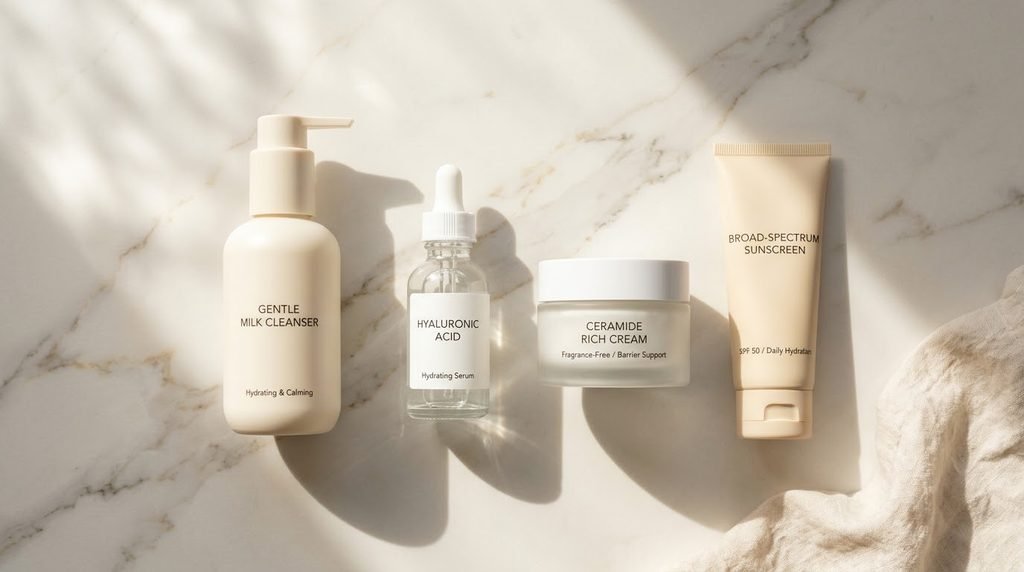
Knowing what is the best moisturizer for dry skin takes the trial-and-error out of shopping: skip heavily fragranced, thin lotions and choose a fragrance-free cream that unites humectants, barrier-supporting emollients like ceramides, and gentle occlusives. Apply it twice daily onto slightly damp skin right over your hydrating serum so moisture stays locked in all day and night.
Tonight, check the ingredient label on your current moisturizer for glycerin, ceramides, and an occlusive sealant—and if one is missing, upgrade to a balanced barrier cream for calmer, softer skin.