Executive Summary
Finding what is the best face wash for acne starts with looking at gentle, non-stripping formula traits rather than chasing a single trendy bottle. A good acne cleanser uses mild surfactants to clear excess sebum, sweat, and dead skin cells without leaving your face tight, optionally paired with a targeted active like salicylic acid or benzoyl peroxide. Because a wash only stays on your skin for thirty to sixty seconds, it supports your routine rather than clearing breakouts on its own. In this criteria-based guide, you’ll learn which label features matter most, compare salicylic acid and benzoyl peroxide cleansers, spot four warning signs that your current wash is too harsh, and pace your cleansing routine to protect your moisture barrier.
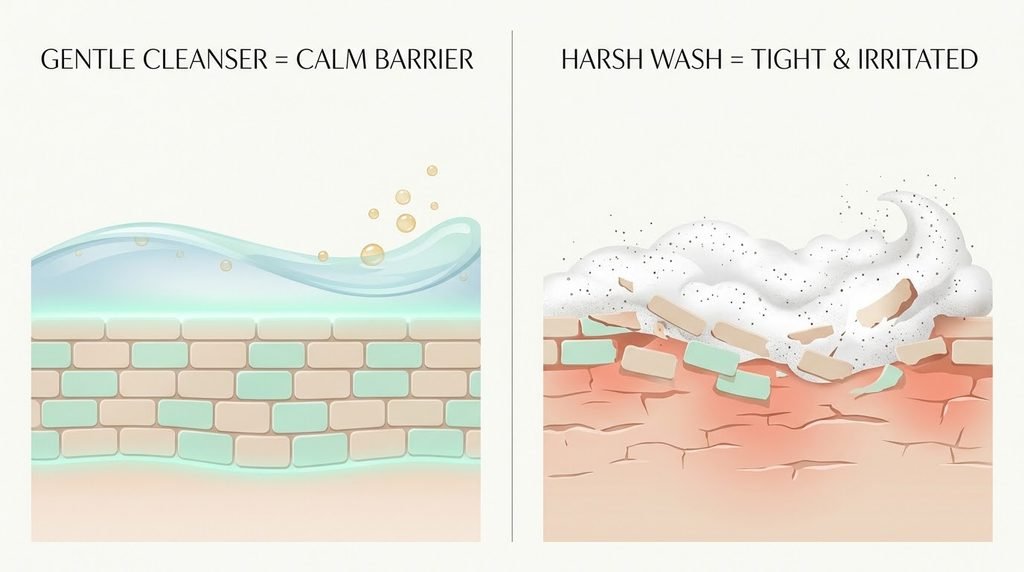
Scrubbing your face with a squeaky-clean, minty foaming wash feels like the right move when breakouts show up—until your cheeks turn tight, flaky, and even more congested two days later. Harsh cleansers trick you into thinking they’re “deep cleaning” pores, when they’re actually stripping the protective lipids your skin relies on to stay calm.
If you’re searching for what is the best face wash for acne, the answer isn’t one magic brand—it’s picking a gentle, pH-balanced cleanser that clears surface oil while supporting your leave-on treatments. (While our How to Build a Skincare Routine for Acne-Prone Skin covers every step from cleanser to sunscreen, this guide focuses strictly on choosing and pacing the right face wash.) Below, we’ll break down what a cleanser can realistically do, compare key acne-fighting wash ingredients, and show you how to avoid over-drying your skin.
What a Face Wash Can (and Can’t) Do for Acne
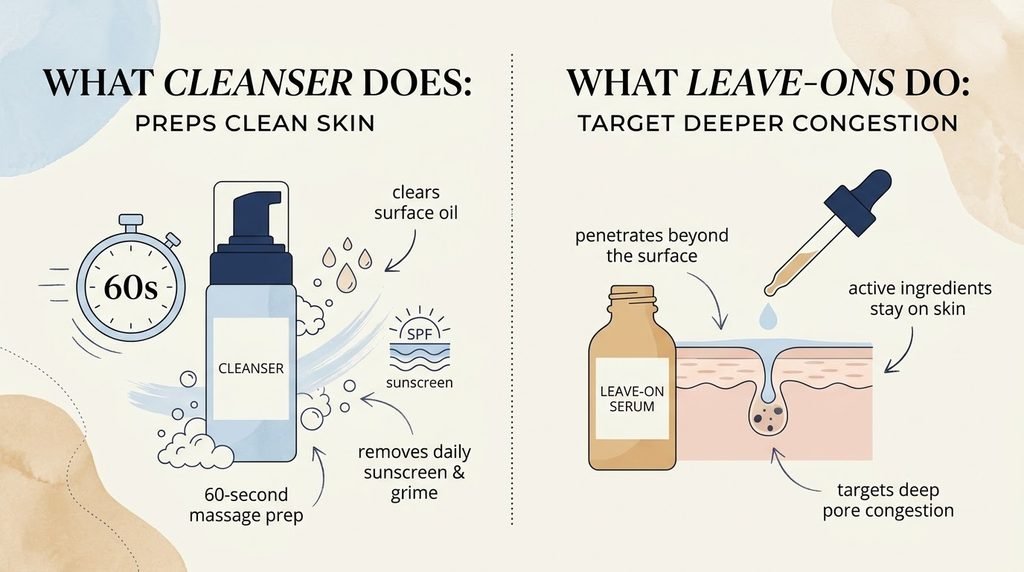
Before shopping for a new bottle, set a realistic expectation for what a rinse-off product actually accomplishes. A face wash stays on your skin for less than a minute before going down the drain.
Because contact time is so short, a face wash cannot clear persistent acne on its own. Instead, its real job is preparation and maintenance: removing excess sebum, sunscreen, sweat, and environmental debris so your leave-on serums and moisturizers can work evenly without piling up over clogged pores.
Think of your cleanser as the foundation of your routine rather than the entire house. When your wash cleans gently without causing dryness, your leave-on actives—like retinoids, azelaic acid, or niacinamide—cause far less stinging and peeling.
Four Label Traits to Look For in an Acne Face Wash
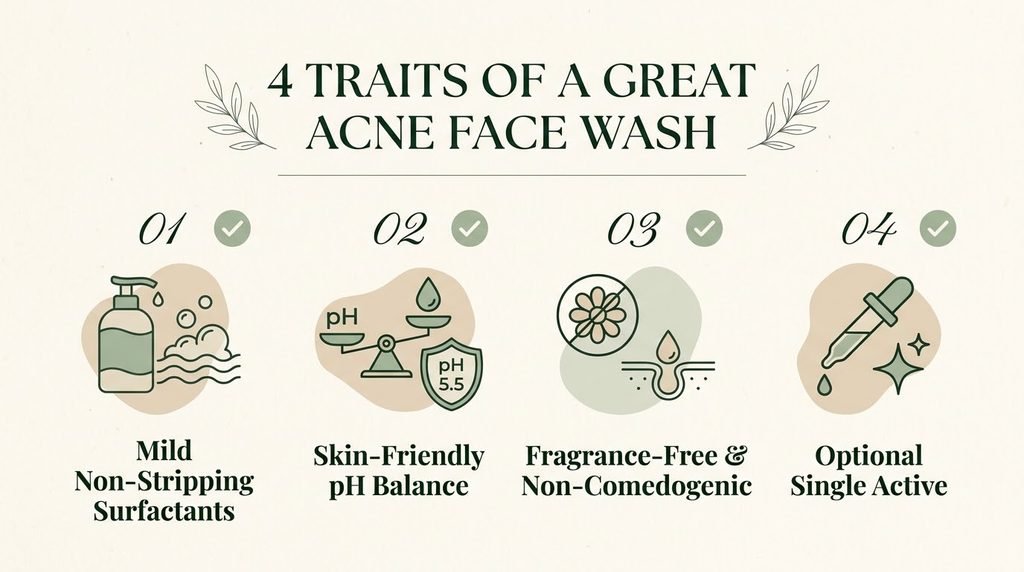
Whether you have oily, combination, dry, or sensitive blemish-prone skin, scanning the label for four simple criteria prevents most bad purchases.
- Mild, non-stripping surfactants: Look for gentle cleansing agents like cocamidopropyl betaine, coco-glucoside, or sodium cocoyl glycinate rather than harsh sulfates that leave skin feeling papery.
- Skin-friendly pH balance: Healthy skin sits near a slightly acidic pH of 4.7 to 5.5. Low-pH gel or cream cleansers clean effectively without disrupting your outer moisture barrier.
- Non-comedogenic and fragrance-free: Added perfumes and heavy essential oils offer zero benefit to blemish-prone skin and frequently trigger low-grade redness.
- One targeted active (or none at all): If you already use strong leave-on acne treatments, a plain, gentle hydrating cleanser is often smarter than doubling up on medicated washes.
Key Ingredients in Acne Face Washes Compared
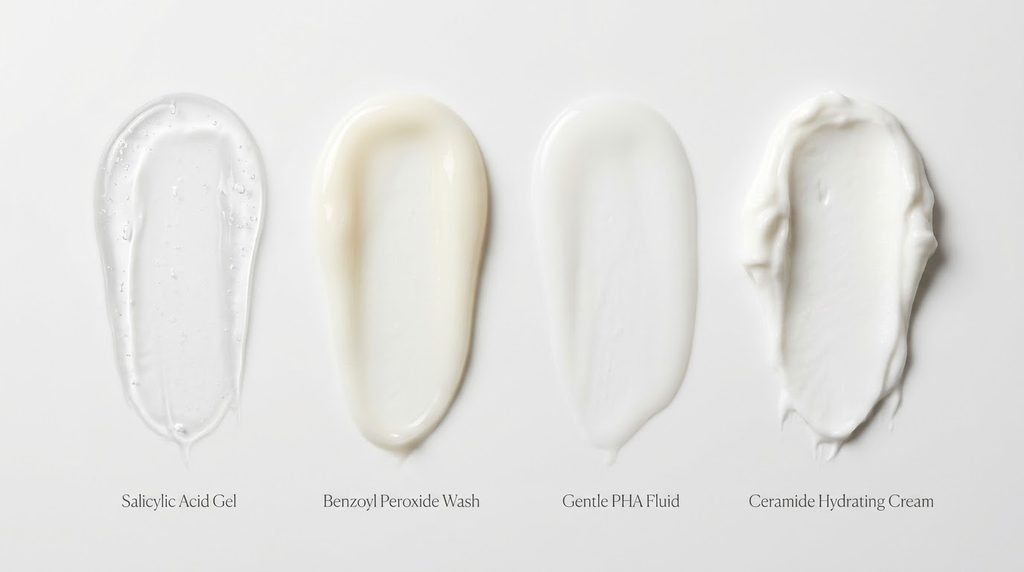
If you want your cleanser to offer mild active support alongside daily washing, four ingredients show up most often in dermatology-backed formulas.
| Cleanser Ingredient | How It Works on Skin | Best Suited For | Key Caution |
| Salicylic Acid (BHA, 0.5%–2%) | Oil-soluble acid that loosens dead skin cells and excess sebum inside pores | Oily skin, blackheads, whiteheads, congested T-zone | Daily use can dry out cheeks if you also use leave-on acids or retinoids |
| Benzoyl Peroxide (2.5%–5%) | Reduces surface acne-causing bacteria and helps clear inflamed bumps | Red, tender inflammatory blemishes and body breakouts | Can cause dryness or irritation, and will bleach towels and pillowcases |
| Polyhydroxy Acids (PHA) / Gentle Lactic Acid | Mild surface exfoliation that smooths rough texture while holding water | Sensitive or dry blemish-prone skin that stings with BHA | Avoid pairing directly with strong leave-on exfoliants |
| Glycerin / Ceramides / Niacinamide | Replenishes water and supports barrier lipids during washing | Anyone using prescription acne care, retinoids, or dry skin types | Best paired with a separate leave-on active if targeting stubborn congestion |
Salicylic Acid vs. Benzoyl Peroxide Face Wash
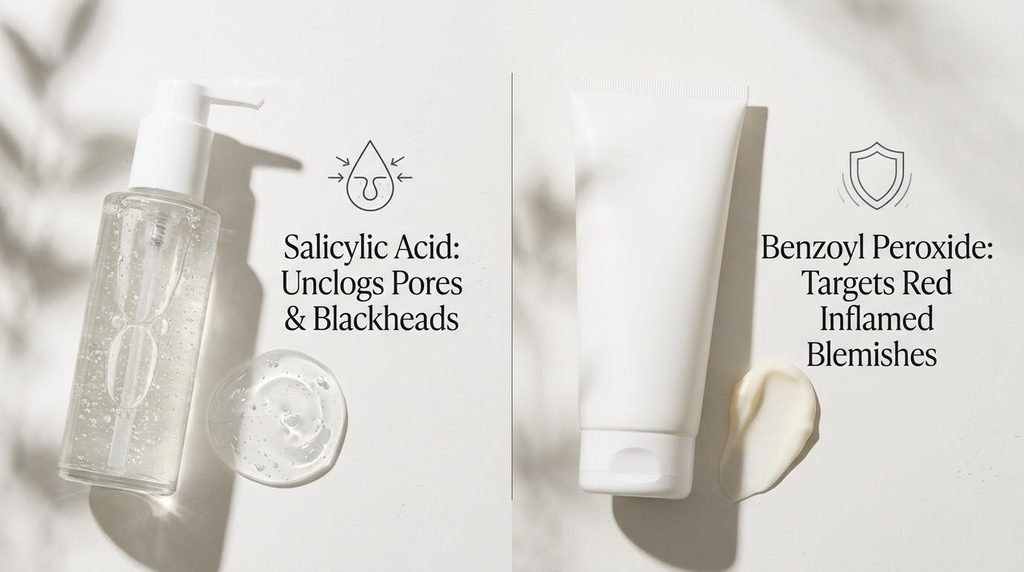
Choosing between salicylic acid and benzoyl peroxide comes down to the type of blemishes you see most often. Salicylic acid excels at dissolving oily buildup inside clogged pores, making it ideal for blackheads and shiny T-zones—learn more in AHA vs. BHA vs. PHA. Benzoyl peroxide targets surface bacteria behind red, swollen spots, and using it as a short-contact wash gives much of the benefit with less irritation than leave-on gels—just rinse thoroughly and use white towels so fabric doesn’t bleach.
(Note: If your breakouts consist of uniform, itchy tiny bumps along your forehead or hairline that don’t respond to standard acne washes, you may be dealing with yeast-related congestion rather than classic acne—read Acne vs. Fungal Acne to spot the difference.)
Is Your Face Wash Too Harsh? 4 Signs of Over-Cleansing
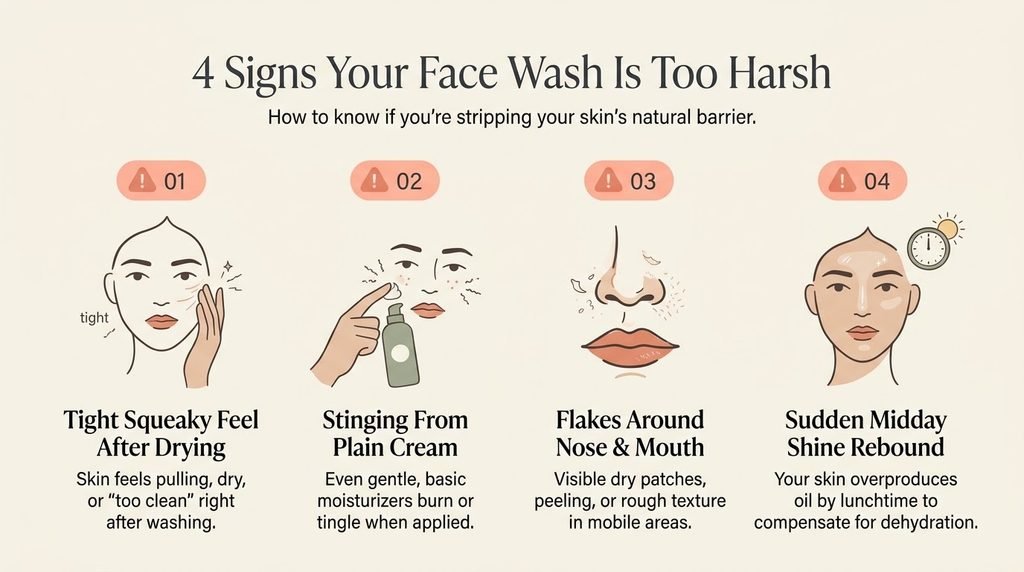
Trying to wash away breakouts three or four times a day—or using gritty physical scrubs—almost always backfires. Stripping your outer lipid barrier triggers tightness, flaking, and reactive oiliness that makes pores look worse.
Watch for four clear signs your current cleanser is too aggressive:
- Tight, “squeaky” skin right after drying off: Clean skin should feel calm and comfortable, never stretched like plastic wrap.
- Stinging when you apply plain moisturizer: If a basic, fragrance-free cream burns after washing, your moisture barrier is irritated.
- Flaky patches around your nostrils and mouth: Localized peeling often points to an over-drying medicated wash.
- Sudden shiny oiliness an hour after washing: Dehydrated skin often compensates for stripped surface lipids by feeling greasier by midday.
If these signs sound familiar, switch to a plain, non-medicated gentle cleanser for two weeks while your barrier settles—learn more in What Causes a Damaged Skin Barrier.
How Often Should You Wash Your Face If You Have Acne?
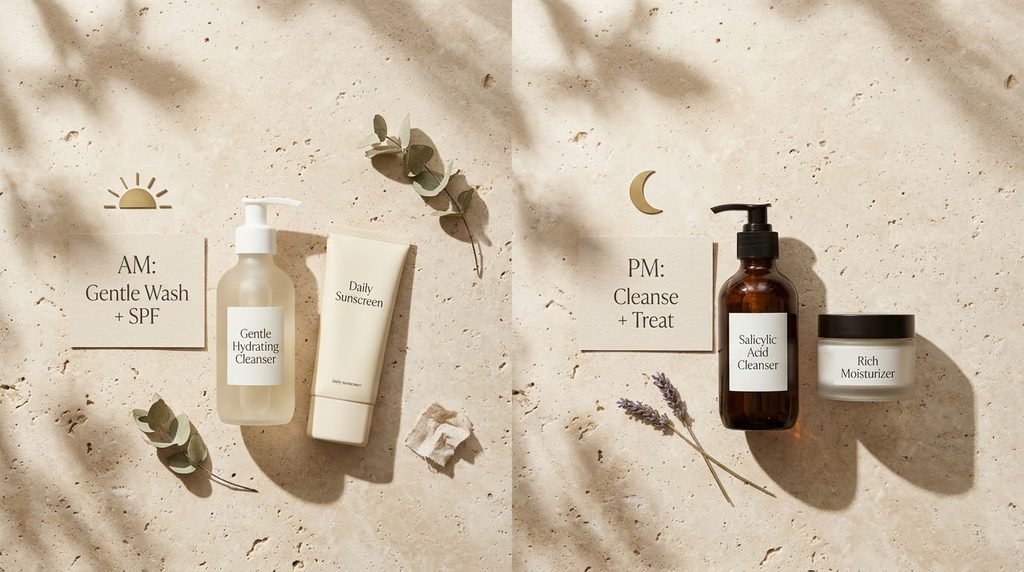
For most blemish-prone skin types, washing twice daily—once in the morning and once at night—plus rinsing gently after heavy workouts is plenty.
According to general acne-care guidance from the American Academy of Dermatology, washing twice a day and after sweating with lukewarm water and your fingertips (skipping rough washcloths or scrubbing brushes) keeps skin clean without aggravating breakouts. If you use a medicated salicylic acid or benzoyl peroxide wash, start once daily—such as in the evening—and use a plain, gentle cleanser in the morning so your skin stays balanced. For full daytime and nighttime pacing, check Best Skincare Routine for Oily Skin.
FAQ Section
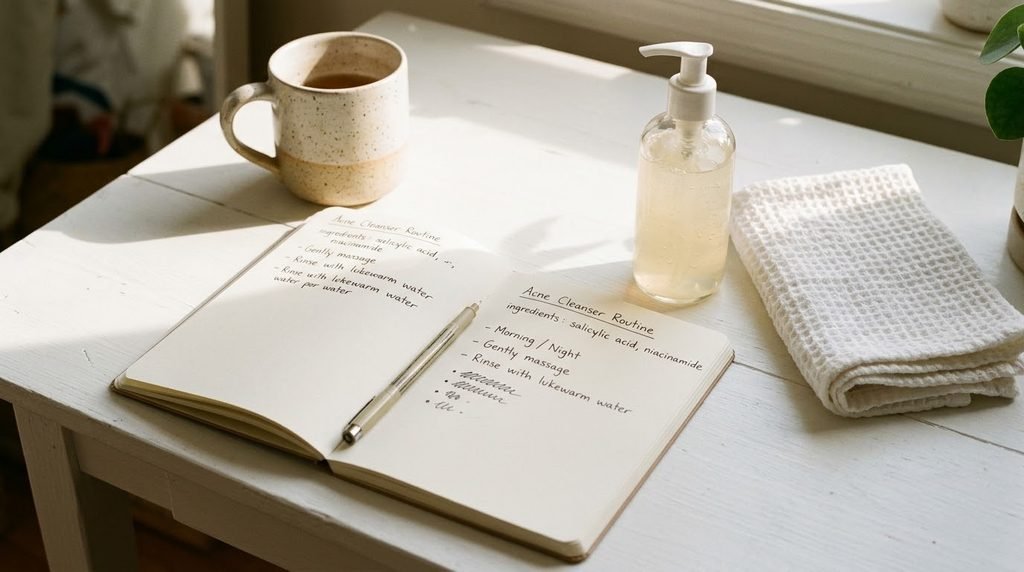
Q: What is the best face wash for acne-prone skin?
A: The best face wash for acne-prone skin is a gentle, fragrance-free, non-comedogenic cleanser that removes excess oil and debris without stripping your moisture barrier. Depending on your skin’s tolerance, you can choose either a plain hydrating gel cleanser or a mild medicated wash containing 0.5% to 2% salicylic acid.
Q: Can a face wash clear acne on its own?
A: No, a face wash alone rarely clears persistent acne because it stays on your skin for less than a minute before being rinsed away. A good cleanser prepares your skin by removing oil, sweat, and sunscreen, allowing targeted leave-on treatments like retinoids, azelaic acid, or benzoyl peroxide to work effectively.
Q: How often should you wash your face if you have acne?
A: Most dermatologists suggest washing your face twice a day—once in the morning and once before bed—plus a gentle rinse after heavy sweating or workouts. Washing more than twice daily or using harsh scrubs strips protective surface lipids and can trigger redness, dryness, and worse breakouts.
Q: Should you use a salicylic acid cleanser every day?
A: Some people with oily skin tolerate a gentle salicylic acid cleanser once or twice daily, while dry or sensitive skin types do better using it three to four times a week. If you also apply leave-on retinoids or exfoliating acids, alternate with a plain, non-medicated cleanser to avoid over-drying.
Q: Is benzoyl peroxide or salicylic acid better in a face wash?
A: Both help blemish-prone skin in different ways. Salicylic acid is oil-soluble and works best for unclogging pores, blackheads, and excess shine, while benzoyl peroxide targets surface bacteria behind red, inflamed pimples. Choose based on your main blemish type and skin sensitivity, and remember benzoyl peroxide can bleach fabrics.
Q: Does regular acne face wash work for fungal acne?
A: Standard acne cleansers containing salicylic acid or benzoyl peroxide often don’t resolve fungal acne (Malassezia folliculitis) because those tiny, uniform bumps stem from yeast overgrowth inside hair follicles rather than clogged pores. A board-certified dermatologist can distinguish between the two and recommend targeted care.
Conclusion
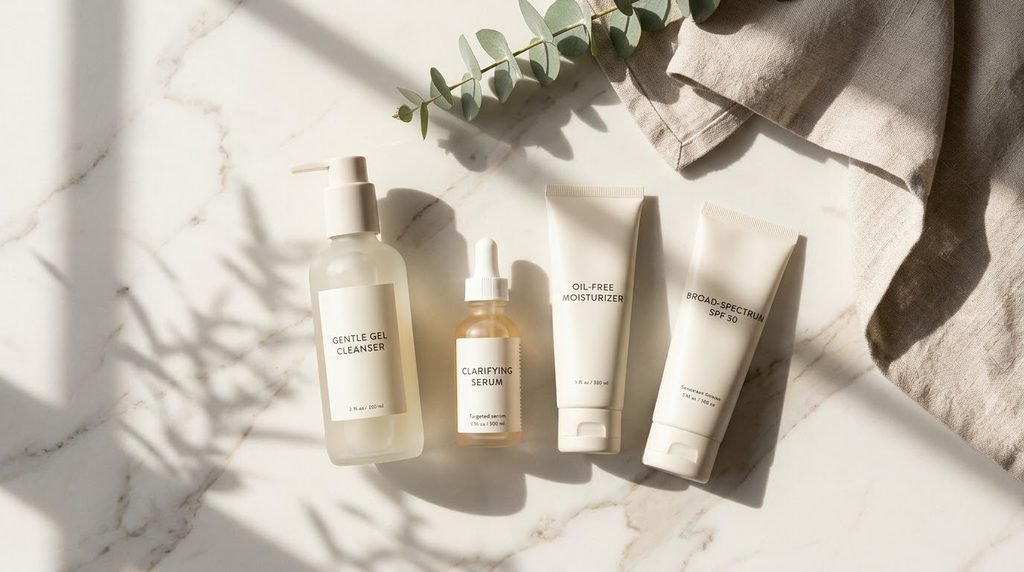
Knowing what is the best face wash for acne comes down to choosing a gentle, fragrance-free cleanser that respects your moisture barrier while clearing daily oil and debris. Whether you pick a plain hydrating gel to support leave-on retinoids or a low-strength salicylic acid wash for clogged pores, consistency and gentle fingertips always beat harsh scrubbing.
Tonight, check your current cleanser for that tight, squeaky feeling after rinsing—if it leaves your skin dry, swap in a mild, pH-balanced wash and let your leave-on treatments do the real work.