Executive Summary
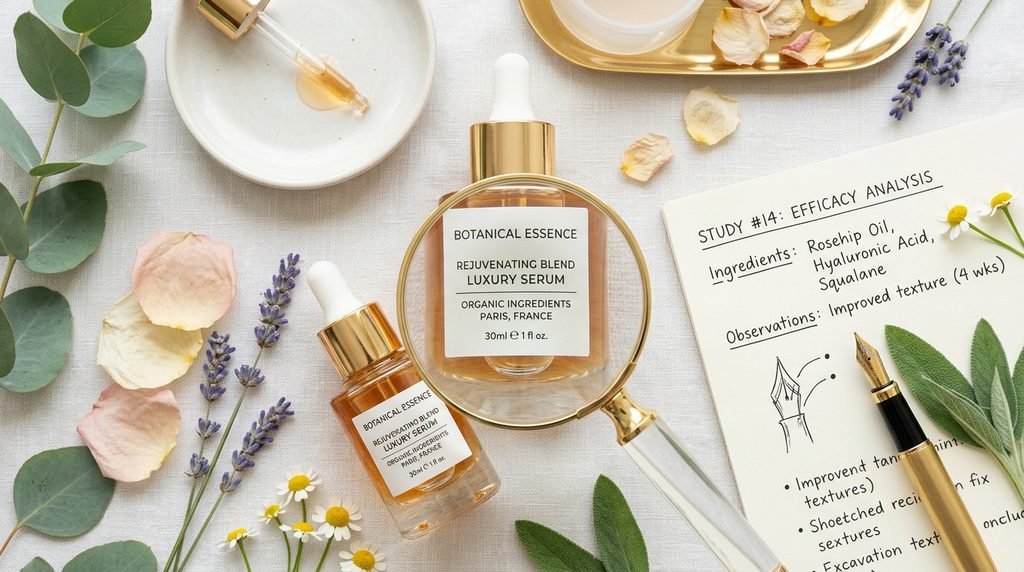
Navigating cosmetic labels feels like deciphering a secret language. When a serum claims to be “clinically proven,” it sounds like an ironclad guarantee of visible results. However, in the cosmetic industry, “clinically proven” is not a standardized or federally regulated legal term. The phrase covers a massive spectrum of evidence—ranging from robust double-blind studies to tiny 10-person questionnaire panels. This guide cuts through the marketing noise to explain how cosmetic testing actually works, how to evaluate sample sizes and research methods, and how to spot genuine scientific rigor behind your favorite formulas.
Hook-Up Paragraph
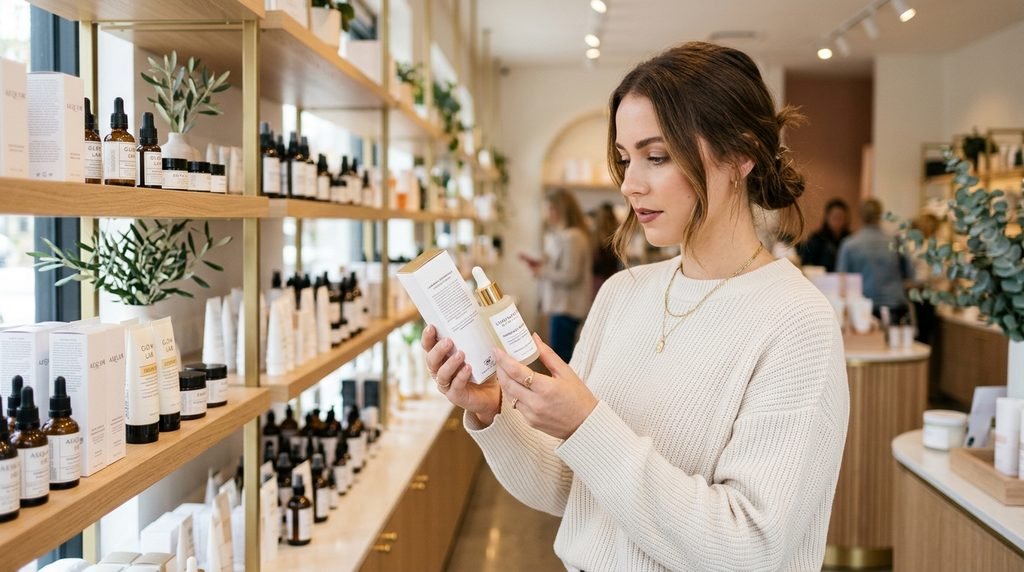
You’re holding a $90 serum in the beauty aisle, staring at a bottle bolding the words clinically proven skincare meaning miraculous transformations in four weeks. It feels authoritative, trustworthy, and scientific. But what does that label actually mean when you strip away the sleek packaging? Unlike pharmaceutical drugs that require rigorous multi-phase trials to clear regulatory hurdles, cosmetic claims operate under entirely different rules. Understanding what “clinically proven” truly signifies—and what it conceals—is the ultimate way to protect your wallet and skin health.
The Reality Behind “Clinically Proven” Skincare Claims
The single most important fact to understand is that “clinically proven” is not legally defined or standardized by government bodies like the FDA or FTC. While regulatory agencies mandate that brands must not make blatantly false or deceptive statements, they do not prescribe a universal standard for what constitutes “proof” in cosmetics.
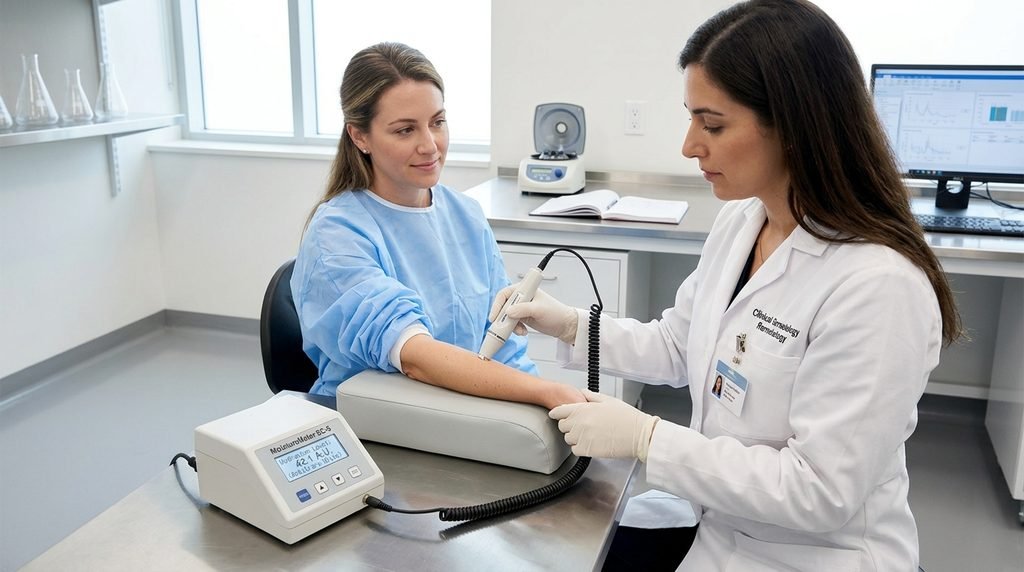
When a brand states a product is clinically proven, it simply means the formula or its individual ingredients were evaluated in a setting involving humans or isolated skin cells. That testing can take many forms:
- Instrumental Measurements: Using specialized tools like corneometers (to measure hydration) or cutometers (to measure elasticity).
- Expert Clinical Grading: A trained investigator or dermatologist visually assessing skin changes over 4 to 12 weeks.
- Consumer Perception Studies: Questionnaire surveys where participants report whether their skin “felt smoother” or “looked brighter.”
Because consumer surveys are often lumped into clinical marketing, a claim of “clinically proven to improve brightness” might just mean 85% of 20 participants agreed with a survey statement after a month.
Decoding the Labels: Clinically Proven vs. Dermatologist Tested vs. FDA Approved
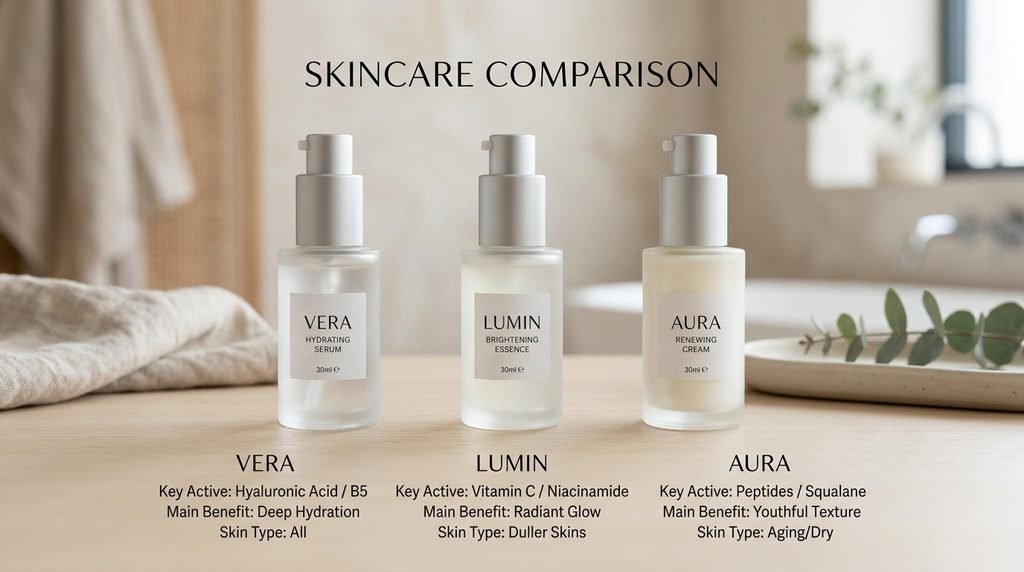
Marketing departments rely on subtle terminology differences to build credibility. Decoupling these terms helps clarify what you are actually buying:
| Term | What It Actually Means | What It DOES NOT Mean |
| Clinically Proven | The product or ingredient underwent some form of trial, panel evaluation, or instrumental test. | Does not mean government verified, peer-reviewed, or guaranteed to work for everyone. |
| Dermatologist Tested | At least one dermatologist observed or reviewed a patch test or trial involving the product. | Does not mean dermatologists formulate, endorse, or recommend the product over others. |
| FDA Approved | Approved by the U.S. FDA for safety and efficacy (applies to prescription drugs and over-the-counter drug actives like sunscreen filters). | Cosmetics do not receive FDA approval; the FDA regulates cosmetic safety post-market, not pre-market efficacy claims. |
Understanding these distinctions prevents misinterpreting basic safety checks (like a simple patch test for irritation) as proof that a product reverses aging or erases dark spots. For deeper context on ingredient safety guidelines, refer to authoritative consumer resources such as the Cosmetic Ingredient Review (CIR) Safety Database.
How to Read Skincare Research: The Diagnostic Evaluation Checklist
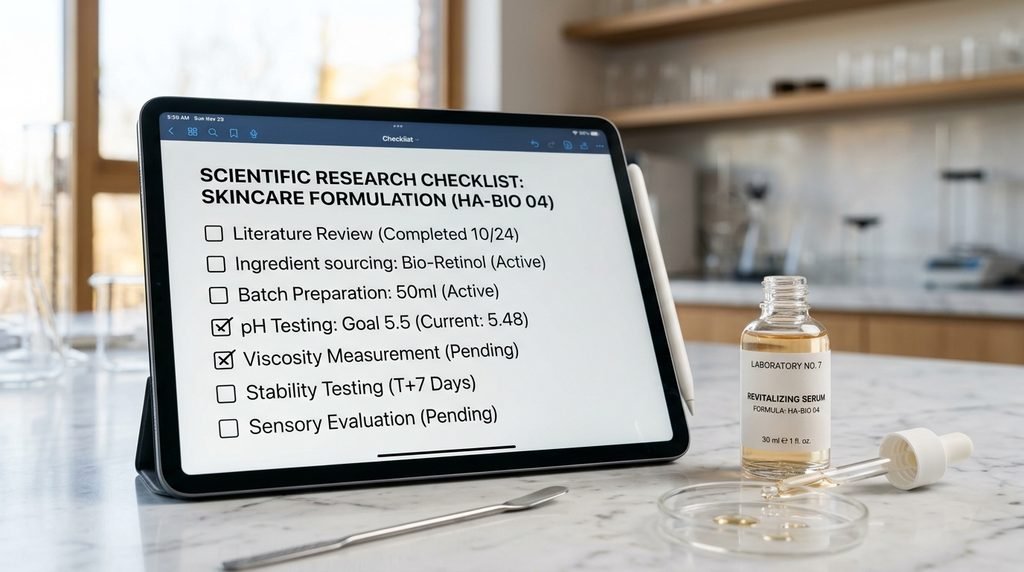
To separate genuine cosmetic innovation from clever copy, evaluate brand-funded research using these critical criteria:
- Sample Size: Look for studies involving at least 30 to 50 participants. Small panels of 10 to 15 people lack statistical significance.
- Control Groups: Did the trial compare the active product against a basic vehicle (a simple moisturizer without the active ingredient)? Without a control, improvements might stem from simple hydration rather than a proprietary active ingredient.
- In-House vs. Independent Testing: Was the study performed by an independent third-party clinical research organization (CRO), or was it conducted in-house by the brand’s internal team?
- Peer Review & Publication: Is the data published in an established medical journal (such as the Journal of the American Academy of Dermatology or International Journal of Cosmetic Science), or does it only exist on a brand’s promotional landing page?
- Tested Active vs. Finished Formula: Did the brand test the exact finished formula in the bottle, or are they quoting a supplier’s study on a single raw ingredient tested in a petri dish at high concentrations?
Asking these five questions gives you an objective lens to evaluate any impressive claim printed on an outer box.
Why Brands Use Vague Research Claims (And How to Spot Red Flags)
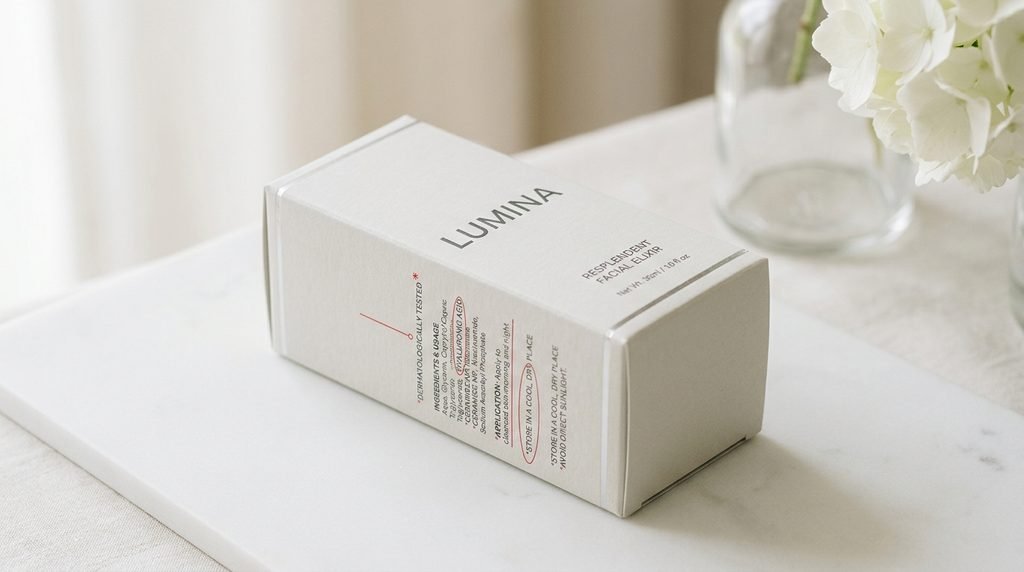
Clinical trials are expensive. A full-scale, double-blind, vehicle-controlled clinical trial involving dozens of subjects over several months can cost tens of thousands of dollars. For smaller brands—or larger legacy companies launching dozens of SKUs yearly—funding exhaustive research for every single item isn’t economically viable.
As a result, brands often opt for shorter 14-day panel studies or rely on raw ingredient data supplied by chemical manufacturers. Watch out for these common red flags:
- Asterisks with tiny fine print: Statements like “90% saw fewer wrinkles*” followed by fine print stating “*Based on a consumer study of 12 subjects.”
- Exaggerated visual comparisons: Before-and-after photos featuring dramatic shifts in studio lighting, camera angles, or skin warmness.
- Vague timeframes: Claims of “instant results” that fail to distinguish temporary surface hydration from long-term cellular texture changes.
Recognizing these patterns helps shift your buying habits toward companies that invest in transparent, high-integrity testing.
Building a Science-Backed Routine Without the Hype
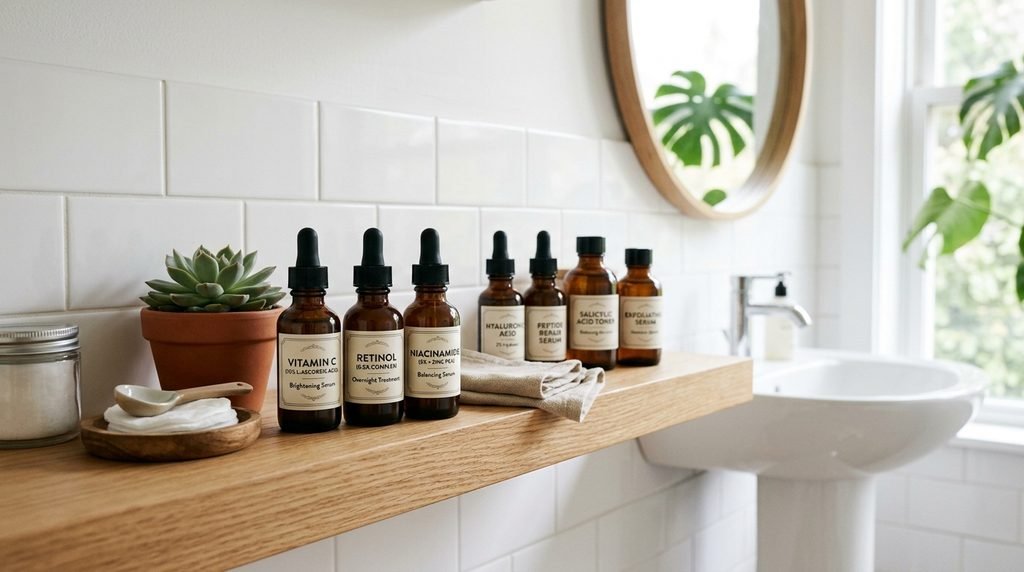
Focusing purely on proven, well-researched active ingredients yields better skin outcomes than chasing catchy packaging claims. Ingredients like L-ascorbic acid, retinoids, niacinamide, and broad-spectrum sunscreen filters carry decades of independent academic research validating their performance.
When evaluating new additions to your routine:
- Look for brands that publish complete clinical study details on their websites.
- Prioritize finished-product testing over raw ingredient supplier quotes.
- Track individual ingredient concentrations and pH levels when working with actives like direct acids.
To learn more about our rigorous research process and commitment to unbiased ingredient breakdowns, visit our SkinDepilex About Page.
Conclusion

The phrase “clinically proven” sounds definitive, but in cosmetic marketing, it functions as a broad umbrella rather than a strict legal seal. By recognizing that cosmetic claims lack standardized regulation, learning to evaluate sample sizes, and looking for independent peer-reviewed data, you become a far more empowered consumer. Don’t let sleek terminology guide your skincare decisions; look for transparent brands that share full testing protocols and rely on well-studied actives.
FAQ Section

Q: Is “clinically proven” a legally regulated term in skincare?
A: No, “clinically proven” is not legally defined or standardized by regulatory bodies like the FDA. While brands must avoid false advertising, the term covers a wide range of evaluations, from advanced instrumental testing to subjective 10-person survey questionnaires.
Q: What is the difference between “clinically proven” and “dermatologist tested”?
A: “Clinically proven” implies a product or ingredient underwent an efficacy test or clinical panel. “Dermatologist tested” simply means a board-certified dermatologist oversaw or reviewed a trial (often a basic patch test checking for skin irritation), not that they endorsed or formulated the product.
Q: Does a “clinically proven” product mean it is FDA approved?
A: No. The FDA does not approve cosmetics or skincare products for efficacy before they hit the market. FDA approval applies to pharmaceutical drugs and specific over-the-counter drug monograph actives, such as sunscreens or acne treatments with active drug ingredients like benzoyl peroxide.
Q: How many people should be in a skincare study for it to be credible?
A: Credible skincare studies typically feature at least 30 to 50 subjects evaluated over 4 to 12 weeks. Small studies with 10 to 15 participants lack statistical power and often yield skewed or unreliable results.
Q: Are most skincare brand clinical studies peer-reviewed?
A: No, the vast majority of brand-funded clinical studies are proprietary and not published in peer-reviewed scientific journals. Peer-reviewed research requires rigorous independent verification by outside scientific experts before publication.
Q: How can I tell if a brand tested their actual formula or just an ingredient?
A: Check the fine print on packaging or the brand’s website. If the claim references the “finished product,” they tested the bottle’s exact formula. If it notes “based on key ingredient data,” they are quoting research conducted by a raw supplier on a isolated active ingredient.