Executive Summary
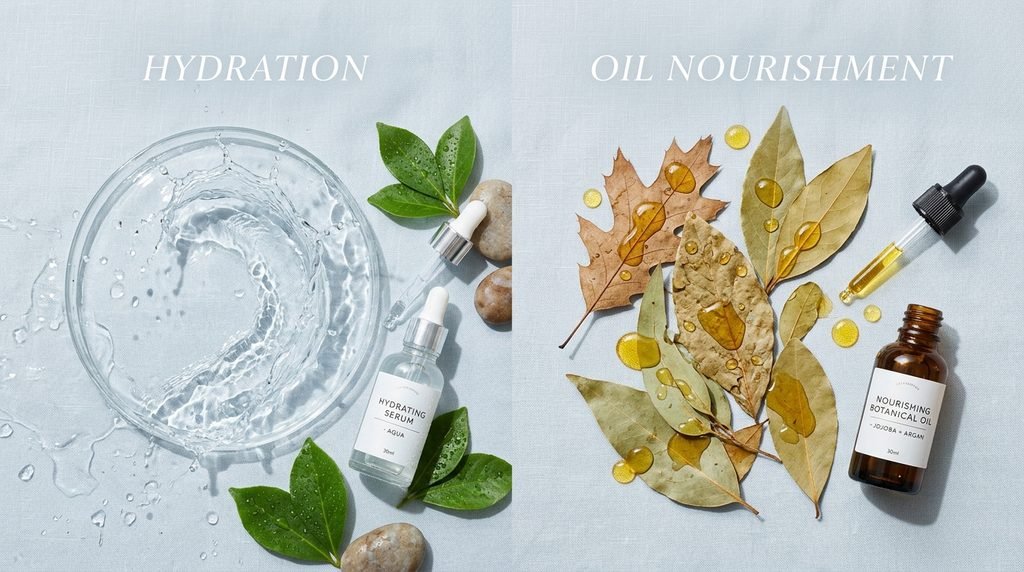
Choosing between a water-based vs. oil-based serum comes down to understanding your skin’s immediate needs—specifically whether it craves surface hydration or deep lipid-barrier support. Water-based serums deliver lightweight humectants like hyaluronic acid and glycerin deep into the epidermis to replenish lost water, making them ideal for oily, combination, or dehydrated skin types. Oil-based serums, on the other hand, use botanical oils to deliver lipid-soluble actives, lock in moisture, and reinforce the protective skin barrier, making them a game-changer for dry or mature complexions. In this complete guide, you’ll learn how to tell the difference between these formulations, decode their ingredients, avoid common pore-clogging mistakes, and layer them correctly in your daily skincare routine for maximum efficacy.
Hook-Up Paragraph
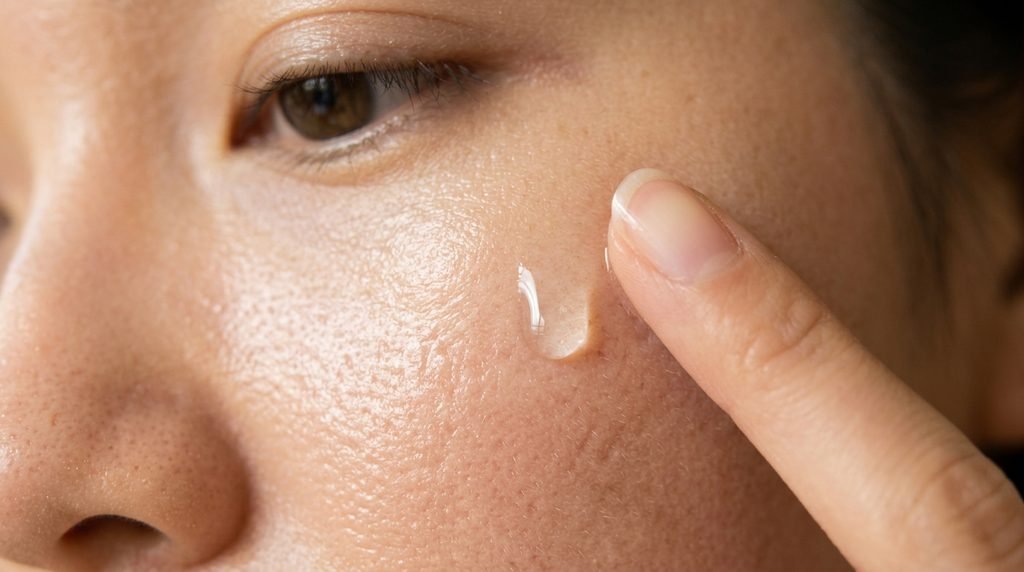
Have you ever applied a serum only to feel like it sat on top of your face like a greasy film, or conversely, vanished so quickly your skin felt parched two minutes later? You aren’t alone. One of the most common skincare blunders isn’t choosing the wrong active ingredient, but choosing the wrong delivery system. The debate between a water based vs oil based serum isn’t about which product is objectively better—it’s about matching the formulation to what your skin barrier is actually asking for. Water hydrates by delivering water molecules to thirsty cells, while oil nourishes by sealing that moisture in and restoring critical lipids. Let’s break down the science, clear up the common myths, and map out precisely how to use both for balanced, glowing skin.
What Is the Difference Between Water-Based and Oil-Based Serums?
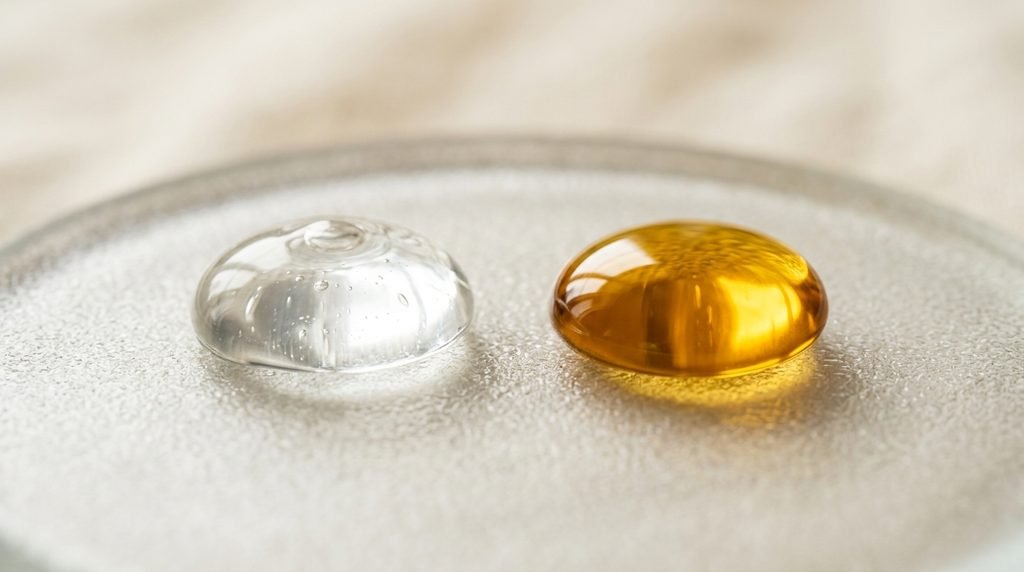
At their core, the fundamental difference between water-based and oil-based serums lies in their solvent base and how they interact with your skin’s natural structure. Your skin requires two distinct elements to stay healthy: water (hydration) and oil (nourishment/occlusion).
Water-based serums use distilled water or aloe vera juice as their primary vehicle. They are formulated with small-molecular-weight ingredients known as humectants—such as hyaluronic acid, glycerin, and panthenol—that draw water from the environment and deeper dermal layers into the stratum corneum (the outermost layer of skin). Because water molecules are tiny and skin cells easily absorb fluid, water-based formulations sink in rapidly without leaving a noticeable residue.
+-----------------------------------------------------------------------+
|                       SERUM FORMULATION COMPARISON                     |
+-----------------------------------------------------------------------+
|  FEATURE             | WATER-BASED SERUM     | OIL-BASED SERUM        |
+----------------------+-----------------------+------------------------+
|  Primary Vehicle     | Water, Aloe Vera      | Plant Oils, Squalane   |
|  Key Role            | Hydrate (Add Water)   | Nourish & Seal (Lipids)|
|  Absorption Speed    | Fast (5–15 seconds)   | Slow (1–5 minutes)     |
|  Finish on Skin      | Weightless, Matte     | Dewy, Radiance         |
|  Target Active Type  | Water-Soluble         | Lipid-Soluble          |
|  Primary Layer Position| Immediately post-toner | Post-water serums      |
+-----------------------------------------------------------------------+
Oil-based serums, by contrast, use plant-derived carrier oils (like jojoba, rosehip, squalane, or marula oil) as their foundation. Instead of humectants, they carry lipid-soluble active compounds such as vitamin E, specialized retinoid derivatives, and essential fatty acids. Oils do not add water to the skin; rather, they fortify the lipid matrix between skin cells, smooth down flaky texture, and form a protective barrier that reduces transepidermal water loss (TEWL).
Understanding this distinction allows you to address specific skin concerns with precision. If your skin feels tight, paper-dry, or looks dull, it is likely dehydrated and needs water. If your skin is flaky, rough, or prone to cracking, its lipid barrier is compromised and requires oil.
Key Ingredients: How to Tell If a Serum Is Water or Oil Based
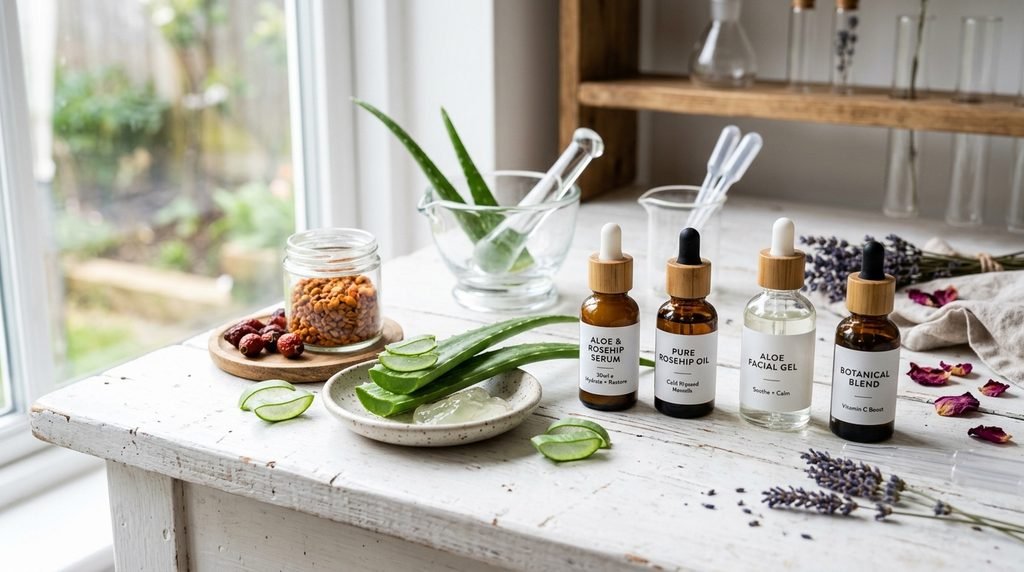
Reading a product label can feel like trying to decipher ancient Greek, but determining whether a serum is water- or oil-based requires checking only the first three to five ingredients on the INCI (International Nomenclature of Cosmetic Ingredients) list.
Ingredients are listed in order of concentration, meaning the top three components make up the bulk of the bottle’s formula.
- Indicators of a Water-Based Serum: Look for Aqua (Water), Aloe Barbadensis Leaf Juice, Hydrosols (like rose water or chamomile water), or Glycerin listed first. If active ingredients like L-ascorbic acid (pure Vitamin C), niacinamide, or hyaluronic acid appear near the top alongside water, it is a water-based treatment designed for deep hydration.
- Indicators of an Oil-Based Serum: Look for botanical names ending in “Oil” or “Triglyceride” as the primary ingredient. Common examples include Simmondsia Chinensis (Jojoba) Seed Oil, Squalane, Rosa Canina (Rosehip) Seed Oil, or Caprylic/Capric Triglyceride. If there is no water listed at all, the product is an anhydrous (waterless) oil-based serum.
Formulation Tip: Don’t confuse emulsions with pure oil serums. Some lightweight lotions list water first, followed by oils and emulsifiers. True oil serums contain zero water and do not require chemical emulsifiers to stay stable.
Certain active ingredients inherently perform better in specific vehicles. For instance, L-ascorbic acid is water-soluble and requires an acidic aqueous environment to penetrate effectively. Conversely, fat-soluble antioxidants like Coenzyme Q10, Vitamin E (Tocopherol), and specific retinoids stability-wise thrive inside an oil matrix. For a deeper breakdown on how different molecular structures cross the skin barrier, check out our guide on [How Serums Penetrate Skin].
Which Formula Suits Your Skin Type Best?

Matching your formulation type to your skin’s unique physiology prevents clogged pores, excess shine, or persistent dryness.
                    +--------------------------------+
                    |  WHAT DOES YOUR SKIN NEED?    |
                    +--------------------------------+
                                   |
                 +-----------------+-----------------+
                 |                                   |
       [ FEELS TIGHT/PARCHED ]             [ FEELS ROUGH/FLAKY ]
                 |                                   |
                 v                                   v
      DEHYDRATED / OILY SKIN               DRY / MATURE SKIN
                 |                                   |
                 v                                   v
       WATER-BASED SERUM                    OIL-BASED SERUM
    (Humectants / Hydration)             (Lipids / Barrier Repair)
Oily and Acne-Prone Skin
If you deal with excess sebum production and frequent breakouts, water-based serums are your best ally. Oily skin often suffers from internal dehydration; when skin lacks water, it overproduces oil to compensate. A water-based serum packed with niacinamide or hyaluronic acid restores balance without adding extra lipids that could exacerbate shine or feel heavy in humid weather.
Dry and Mature Skin
Dry skin naturally produces insufficient sebum, leading to a weakened skin barrier, fine lines, and flakey patches. An oil-based serum supplies essential fatty acids (like Omega-3, 6, and 9) that fill the gaps between stratum corneum cells. This strengthens barrier integrity, softens skin texture, and provides a lasting, dewy finish that prevents moisture from evaporating throughout the day.
Combination and Sensitive Skin
Combination skin benefits immensely from strategic multi-serum use: apply a water-based serum across the entire face, then pat a few drops of an oil-based serum strictly onto drier zones (like the cheeks) while skipping the oily T-zone. Sensitive skin types should look for minimal-ingredient oil serums containing squalane or jojoba oil, as these closely mimic human sebum and calm inflammation without irritation.
For authoritative information on skin barrier restoration and lipid management, review the research published by the Journal of Dermatological Science.
Does an Oil-Based Serum Clog Pores? Clearing the Misconception
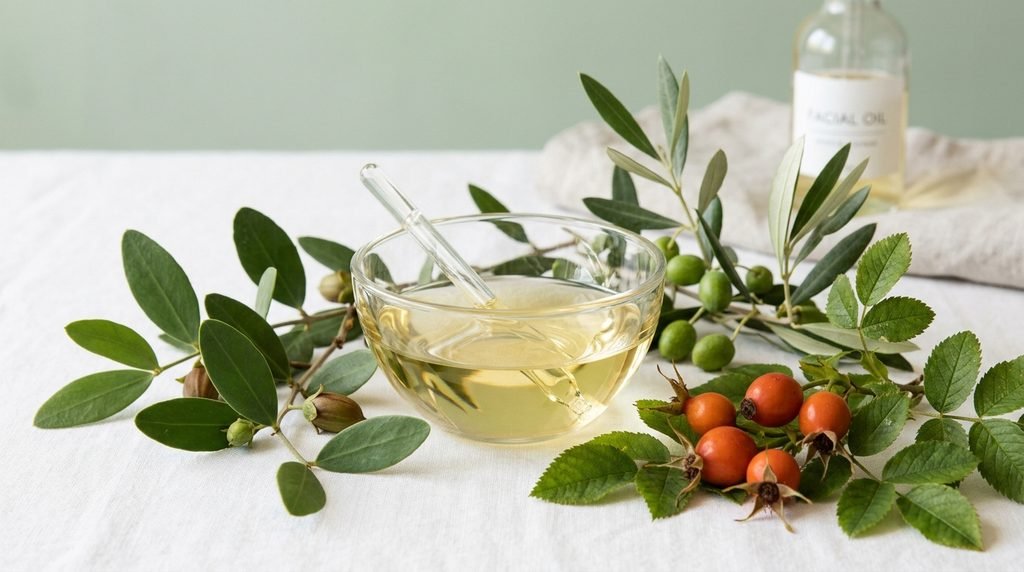
One of the most persistent myths in skincare is that applying any oil-based product automatically leads to clogged pores, blackheads, and acne breakouts. This is incorrect. Whether an oil-based serum causes congestion depends entirely on the comedogenic rating of the specific oils used in the formula, not the simple fact that it contains oil.
The comedogenic scale rates ingredients from 0 to 5 based on their likelihood to clog pores:
- Rating 0–1 (Non-Comedogenic): Oils like Squalane, Jojoba Oil, Mineral Oil, and Rosehip Seed Oil have a molecular structure similar to natural human sebum. They absorb cleanly, regulate native oil production, and rarely cause breakouts—making them safe even for acne-prone skin.
- Rating 2–3 (Moderately Comedogenic): Oils like Argan Oil, Sunflower Seed Oil, and Sesame Oil work well for normal to dry skin types but should be spot-tested by acne-prone individuals.
- Rating 4–5 (Highly Comedogenic): Ingredients such as Coconut Oil, Wheat Germ Oil, and Cocoa Butter have dense, heavy lipid structures that can trap dead skin cells and bacteria inside hair follicles, frequently triggering comedones.
+----------------------------------------------------------------------+
|                     OIL COMEDOGENIC RATING SCALE                     |
+----------------------------------------------------------------------+
| RATING | LIKELIHOOD | BEST FOR            | EXAMPLE OILS             |
+--------+------------+---------------------+--------------------------+
| 0 - 1  | Very Low   | All (Inc. Acne)     | Squalane, Jojoba, Rosehip|
| 2 - 3  | Moderate   | Dry / Normal        | Argan, Sunflower, Hemp   |
| 4 - 5  | High       | Very Dry Body Only  | Coconut, Wheat Germ      |
+----------------------------------------------------------------------+
Rather than avoiding oil-based serums altogether out of fear, focus on reading the full ingredient label. A high-quality oil-based serum featuring cold-pressed, non-comedogenic oils will nourish the skin barrier without inducing acne.
How to Layer Water and Oil Based Serums in Your Routine
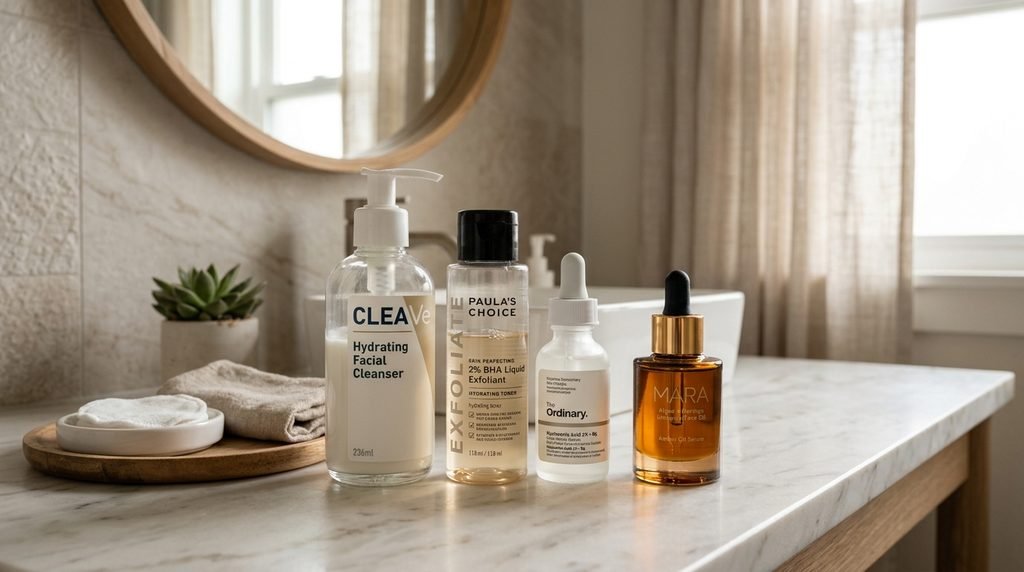
To get the most out of your skincare routine, layering products in the correct sequence is non-negotiable. The fundamental rule of skincare layering is simple: apply products from thinnest to thickest, or water-based before oil-based.
Oils act as occlusives, creating a hydrophobic (water-repelling) film on the surface of the skin. If you apply an oil-based serum first, any subsequent water-based product will bounce off that barrier and fail to penetrate.
+----------------------------------------------------------------------+
|                 CORRECT SKINCARE LAYERING SEQUENCE                   |
+----------------------------------------------------------------------+
| STEP 1: Cleanser                                                     |
| STEP 2: Hydrating Toner / Essence                                    |
| STEP 3: Water-Based Serum (Thinner consistency, penetrates deeply)   |
| STEP 4: Oil-Based Serum (Thicker consistency, seals in hydration)    |
| STEP 5: Moisturizer / Sunscreen (AM)                                 |
+----------------------------------------------------------------------+
Step-by-Step Layering Process:
- Cleanse & Tone: Start with a fresh base. Leave your skin slightly damp after applying a hydrating toner.
- Apply Water-Based Serum: Dispense a few drops of your water-based serum (e.g., Vitamin C or Hyaluronic Acid). Press gently into damp skin. Humectants bond with surface moisture to carry it inward. To explore combining active treatments safely, read our guide on [How to Layer Skincare].
- Wait 30–60 Seconds: Allow the water-based layer to absorb fully so the skin surface feels touch-dry rather than wet.
- Apply Oil-Based Serum: Warm 2–3 drops of your oil-based serum between your palms and gently press it onto your face. This locks in the underlying hydration and repairs the lipid seal.
- Seal or Protect: Follow with your favorite moisturizer to lock in both layers, or proceed directly to sunscreen during your morning routine.
Face Oil vs Serum: Understanding Adjacent Formulations
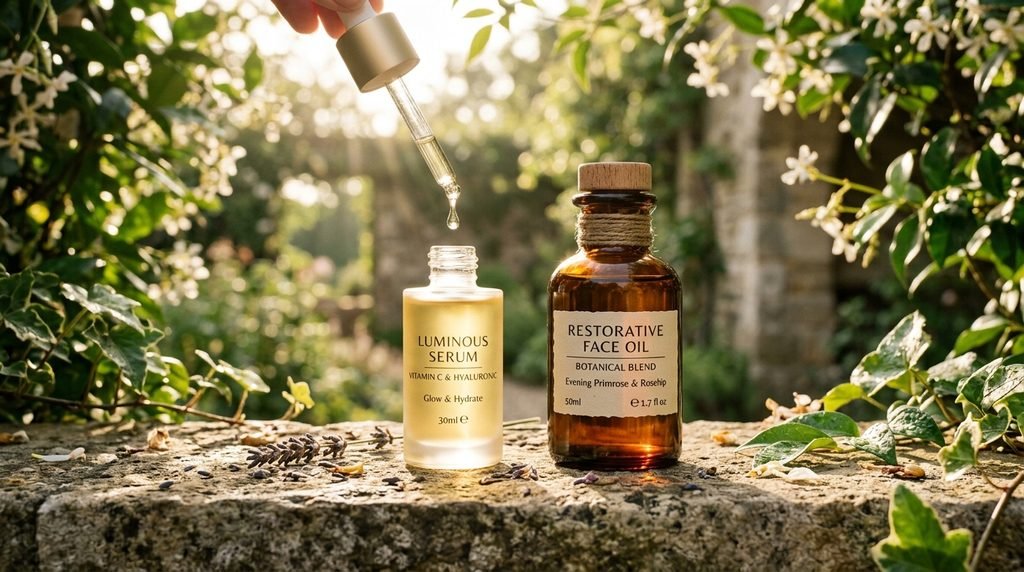
A common point of confusion is the distinction between a true oil-based serum and a standard face oil. While the terms are often used interchangeably in beauty marketing, they serve distinct cosmetic functions.
- Oil-Based Serums: Formulated with concentrated, lipid-soluble active ingredients (such as stabilized Vitamin C ester, Bakuchiol, or bioactive antioxidants) carried within lightweight botanical oils. Their main purpose is treatment—delivering specific skin benefits while simultaneously offering lipid nourishment.
- Face Oils: Typically composed of pure, unrefined plant oils or mineral oil blends without added high-potency actives. Their primary role is protection and occlusion—softening the surface skin layer and locking in moisture rather than treating targeted concerns like hyperpigmentation or fine lines.
+-----------------------------------------------------------------------+
|                    FACE OIL VS OIL-BASED SERUM                        |
+-----------------------------------------------------------------------+
| FEATURE          | OIL-BASED SERUM            | TRADITIONAL FACE OIL  |
+------------------+----------------------------+-----------------------+
| Primary Function | Targeted Active Treatment  | Surface Occlusion     |
| Concentration    | High in Actives/Antioxidants| Low or Zero Actives   |
| Texture          | Fast-absorbing, lightweight| Rich, heavy coating   |
| When to Use      | Before or mixed in cream   | Final step of routine |
+-----------------------------------------------------------------------+
If you are using targeted active ingredients like L-ascorbic acid, read our detailed breakdown on [What Is Vitamin C Serum?] to ensure you aren’t pairing incompatible formulations.
Conclusion

Understanding the roles of a water-based vs. oil-based serum gives you complete control over your skin’s health. Water-based serums are your ultimate daily hydrating tool, quenching deeper skin layers with weightless moisture and water-soluble actives. Oil-based serums serve as structural support, sealing in that hydration, fortifying your lipid barrier, and delivering lipid-soluble nourishment. Instead of viewing them as competitors, consider them synergistic partners: apply your water-based serum first to hydrate, and layer your non-comedogenic oil-based serum second to protect. Assess your skin’s current moisture levels today, adjust your application order, and enjoy a balanced, resilient complexion.
Frequently Asked Questions
Q: Should I use a water-based or oil-based serum first in my routine?
A: Always apply your water-based serum first on clean, slightly damp skin, followed by your oil-based serum. Water-based formulas have smaller molecular structures and need direct contact with the skin to absorb. Applying oil first creates a seal that blocks water-based actives from penetrating.
Q: Does an oil-based serum clog pores or cause breakouts?
A: Not inherently. Outbreaks depend on the specific oil’s comedogenic rating rather than the liquid formulation type. Lightweight, non-comedogenic oils like squalane, jojoba, and rosehip oil (ratings 0–1) absorb cleanly without blocking pores, making them safe for oily and acne-prone skin types.
Q: Can I mix water-based and oil-based serums together before applying?
A: It is better to layer them sequentially rather than mixing them in your palm. Because oil and water naturally repel each other without an emulsifier, mixing them directly can cause uneven distribution of actives across your face and reduce overall absorption efficacy.
Q: Can I use both water-based and oil-based serums in the same daily routine?
A: Yes, using both is an excellent way to treat dehydration and barrier damage simultaneously. Apply your water-based serum to clean skin to deliver deep hydration, wait 60 seconds for it to absorb, and then pat your oil-based serum on top to lock in moisture.
Q: Is a water-based serum enough for dry skin during winter?
A: Usually no. While water-based serums supply necessary hydration, dry skin lacks the natural lipids required to keep that water from evaporating in cold, dry air. Pairing your water serum with a rich oil-based serum or heavy moisturizer is essential for winter barrier protection.
Q: How can I tell if my vitamin C serum is water or oil based?
A: Check the ingredient list. If the primary ingredient is water (Aqua) and uses L-ascorbic acid, it is water-based. If it lists oils or squalane first and uses fat-soluble vitamin C derivatives like Tetrahexyldecyl Ascorbate, it is an oil-based formula.