Executive Summary
Navigating skincare labels often feels like solving a chemistry equation. Many people assume a higher active ingredient percentage automatically delivers faster, better results. However, modern cosmetic formulation science tells a very different story. Higher concentrations frequently reach a point of diminishing returns—where additional active ingredients increase the risk of redness, peeling, and barrier damage without providing any extra skin benefits. This comprehensive guide breaks down what serum percentage claims actually mean, how ingredient stability and pH alter real-world efficacy, and how to safely navigate ideal concentration ranges for powerhouse actives like Niacinamide, Vitamin C, Retinol, and Azelaic Acid.
Decoding the Skincare Label: What Active Percentages Actually Mean
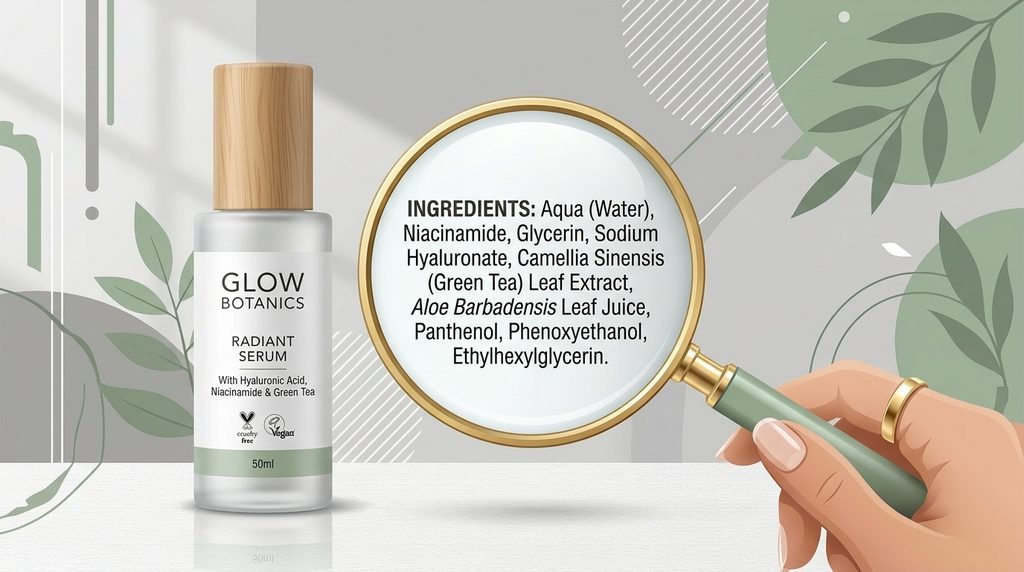
When you pick up a serum displaying a bold percentage on its front panel, it is easy to assume that number reflects pure potency. In cosmetic formulation, a percentage usually indicates the concentration by weight or volume of an active raw material relative to the overall formula. However, a high number alone does not guarantee a high-performing product.
Brands frequently leverage high percentages as a primary marketing differentiator because consumers naturally equate “more” with “better.” In reality, active ingredient performance depends on a delicate ecosystem of factors:
- Vehicle and Delivery System: How effectively the base formula transports the active into the upper layers of the skin.
- pH Level: Many actives, particularly pure L-ascorbic acid or direct acids, require a specific acidic environment to penetrate effectively.
- Molecular Weight: Smaller molecular weights penetrate deeper, while larger molecules remain on the surface regardless of the stated concentration.
A well-formulated 10% serum can easily outperform a poorly stabilized 20% serum. Understanding this distinction is the first step toward building a routine that respects your skin barrier while delivering visible improvements.
The Myth of “More Is Better”: Diminishing Returns and Barrier Damage
The belief that higher active concentrations lead to faster transformations is one of the most widespread misconceptions in modern skincare. Every topical active operates along an efficacy curve. Up to a certain threshold, increasing the concentration enhances beneficial outcomes like hyperpigmentation fading or collagen support. Beyond that optimal threshold, the benefit plateau occurs while the likelihood of adverse reactions rises sharply.
       Efficacy vs. Irritation Threshold
  High ^                 / Irritation Risk
       |                /
       |   Optimal     /
Efficacy|   Zone      /
       |  /---------/ <--- Diminishing Returns
  Low  | /
       +---------------------------------->
       Low         Concentration        High
When you overload the skin with excessive active concentrations, several negative outcomes can occur:
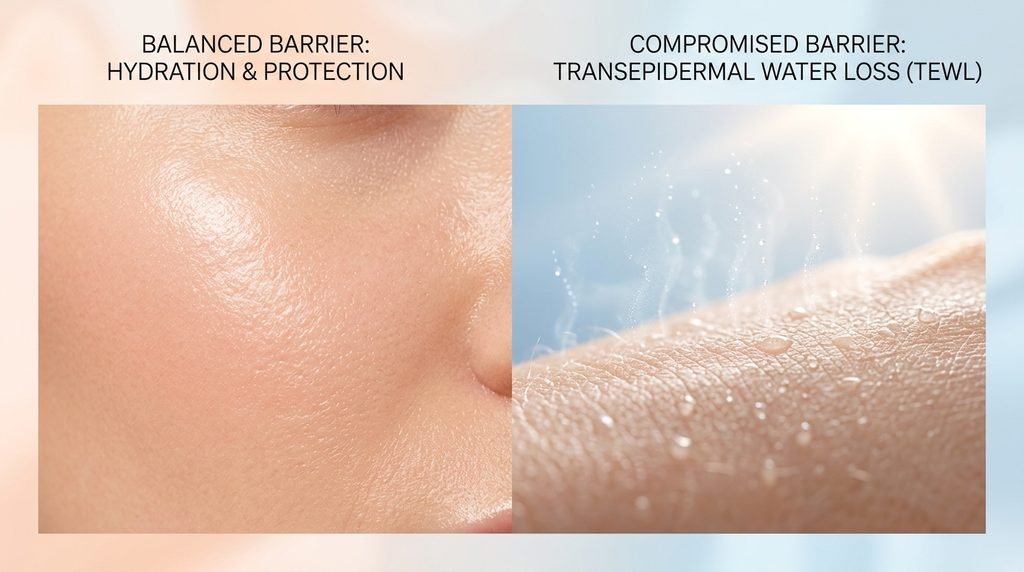
- Transepidermal Water Loss (TEWL): High concentrations of direct acids or strong retinoids can disrupt the lipid matrix, causing essential moisture to evaporate rapidly.
- Contact Sensitization: Overusing potent actives can compromise the skin barrier, leading to persistent stinging, erythema, and unexpected breakouts.
- Compromised Product Tolerance: Once your barrier is damaged, your skin becomes hypersensitive to even mild, hydrating ingredients, forcing you to halt your routine entirely.
Prioritizing gradual, consistent application of proven, moderate concentrations consistently yields superior long-term results compared to aggressive, high-percentage treatments.
Serum Active Ingredient Percentage Reference Guide
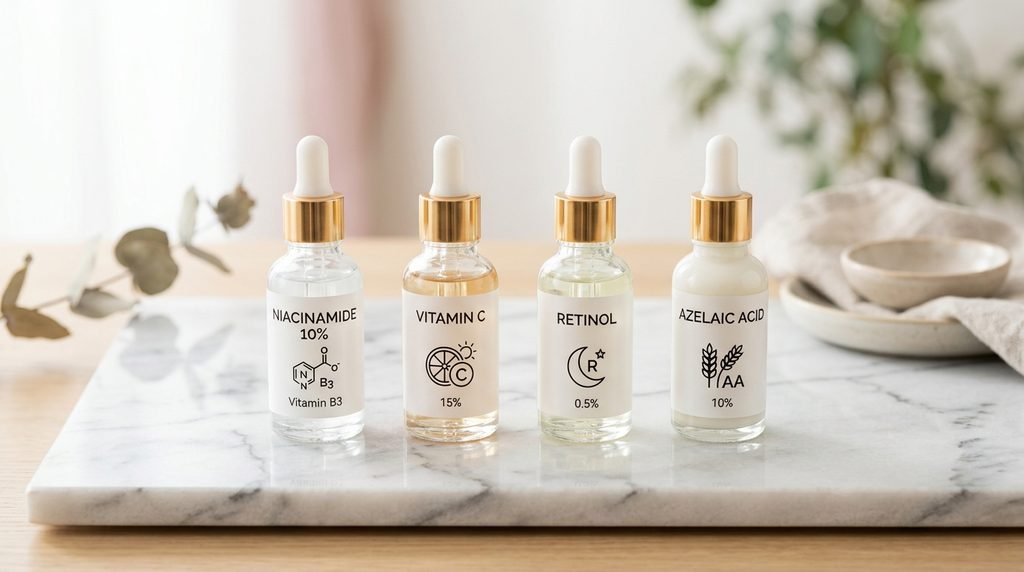
To help you evaluate your routine with clarity, the table below outlines evidence-based concentration ranges for the most common skincare actives. It highlights effective entry-level percentages, standard optimal zones, and the potential risks of crossing into high-concentration territory.
| Active Ingredient | Entry / Starter Range | Optimal Effective Range | High / Irritation Risk Threshold | Primary Risk of Overuse |
| Niacinamide | 2% – 3% | 4% – 5% | Above 10% | Flushing, localized redness, small bumps |
| Vitamin C (L-Ascorbic Acid) | 8% – 10% | 15% – 20% | Above 20% | Stinging, barrier disruption, oxidation irritation |
| Retinol | 0.01% – 0.1% | 0.25% – 0.5% | 1.0% | Flaking, peeling, burning, retinoid dermatitis |
| Azelaic Acid | 5% – 8% | 10% (OTC) – 15% | 20% (Prescription) | Dryness, temporary tingling, scaling |
For detailed guidance on choosing individual actives, refer to our dedicated breakdown on What Is Niacinamide Serum? and our beginner guide on Retinol Basics Explained.
Formulation Science: Why Form and Stability Trumps Concentration
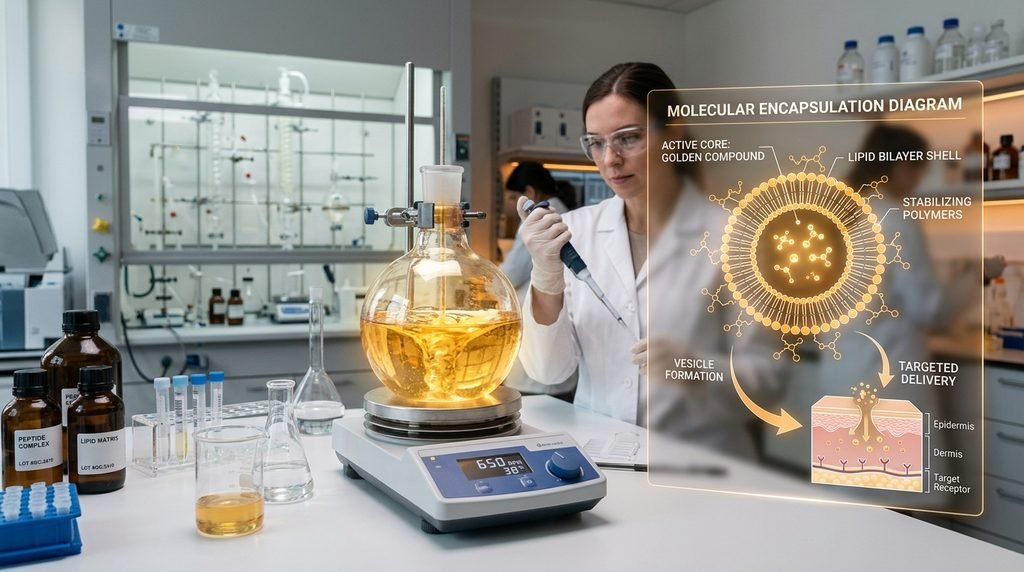
A major reason raw percentage figures can be misleading is that different forms of the same ingredient possess vastly different potencies and stability profiles.
Pure Actives vs. Derivatives
Consider Vitamin C as a prime example. Pure L-ascorbic acid is notoriously unstable; it degrades rapidly when exposed to air, light, and heat. A 20% L-ascorbic acid serum that has oxidized and turned dark yellow loses its potency and can cause significant skin irritation. Conversely, a 10% concentration of a stabilized derivative—such as Tetrahexyldecyl Ascorbate (THD Ascorbate) or Sodium Ascorbyl Phosphate (SAP)—remains stable over time, penetrates lipids effectively, and delivers gentle, steady antioxidant protection.
The Role of Synergistic Encapsulation
Modern cosmetic chemistry relies heavily on encapsulation technology. By wrapping active molecules in liposomal or polymeric spheres, formulators can achieve slow, controlled release over several hours.
- A 0.1% encapsulated retinol can deliver equivalent or superior anti-aging benefits compared to a 0.5% free retinol, while causing significantly less surface peeling or redness.
- The delivery vehicle protects sensitive actives from degrading on the skin surface before they reach their target depth.
Evaluating a serum based solely on its percentage ignores the crucial engineering behind its formulation. To better understand how clinical studies measure real-world performance beyond product packaging, read our guide on What Makes a Serum Clinically Proven.
How to Choose the Right Percentage for Your Skin Type
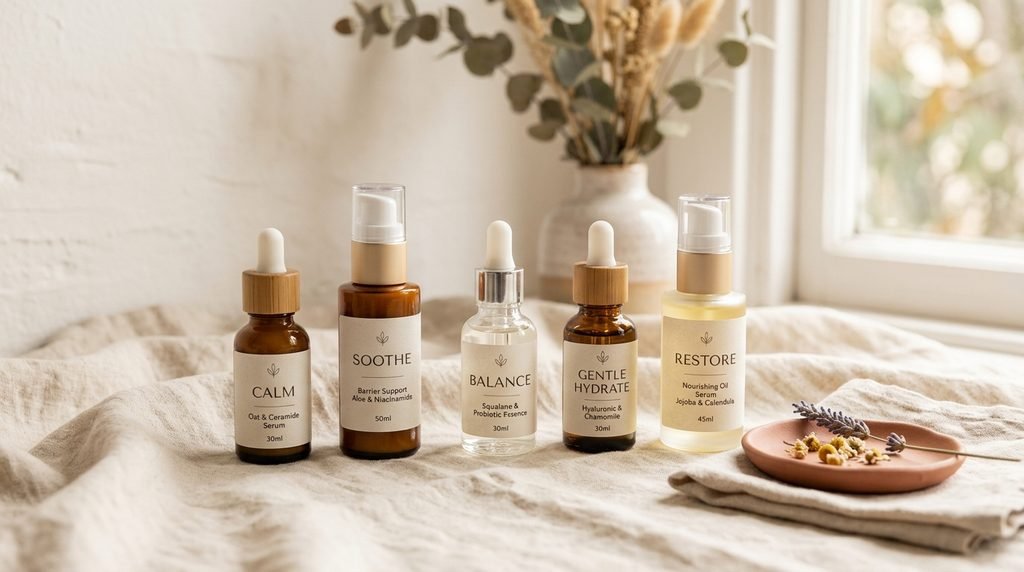
Selecting the appropriate concentration requires matching the active strength to your skin’s unique sensitivity baseline and current structural health.
Sensitive or Compromised Skin Barriers
If your skin is prone to redness, tightness, or conditions like rosacea, start at the lower end of the entry range. Choose gentle derivatives rather than pure direct acids or high-strength retinoids. Focus on building tolerance over 4 to 6 weeks before evaluating whether a step up is necessary.
Oily, Resilient, or Acclimatized Skin
Thicker or oil-dense skin types often tolerate standard optimal ranges from the outset. However, starting at maximum strength remains unnecessary. Focus on consistent daily or alternate-night application rather than escalating to maximum concentrations.
According to research indexed in the National Center for Biotechnology Information (NCBI), active ingredients like Niacinamide demonstrate statistically significant improvements in hyperpigmentation and fine lines at 4% to 5% concentrations, with minimal incidence of cutaneous irritation.
Conclusion
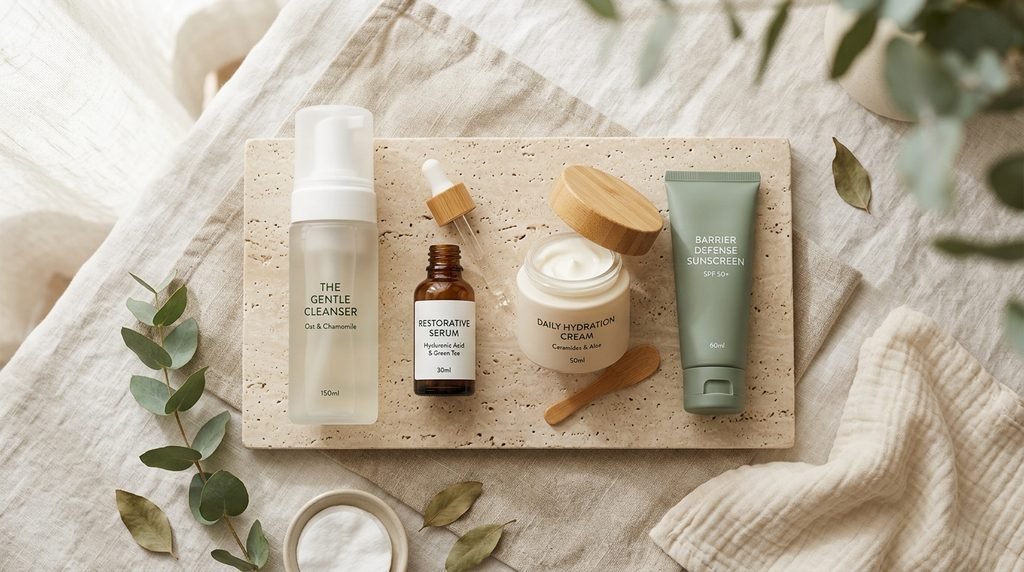
A higher percentage on a skincare label does not automatically equate to a superior serum. True cosmetic performance depends on thoughtful formulation, pH balance, ingredient stability, and vehicle delivery—not just raw active concentration. By shifting your focus from chasing high numbers to choosing well-stabilized formulas within proven optimal ranges, you protect your skin barrier while achieving consistent, healthy results.
Take a close look at your current serum line-up today. If you notice persistent redness or dryness, try stepping back to a lower, gentler percentage or swapping to a stabilized derivative. Explore our full range of ingredient breakdowns to build a balanced, effective routine tailored to your skin’s exact needs.
FAQ Section

Q: Does a higher active percentage mean a serum works better?
A: Not necessarily. Beyond a scientifically proven optimal range, higher active concentrations rarely offer extra benefits and significantly increase the risk of skin irritation, peeling, and barrier damage. Formulation stability and penetration capability matter far more than the front-label number.
Q: Is a 20% Vitamin C serum too strong for daily use?
A: For many individuals, particularly those with sensitive skin, 20% L-ascorbic acid can trigger stinging and redness. Research indicates that Vitamin C absorption plateaus around 20%, while irritation risks rise sharpest above this threshold. A 10% to 15% formula is usually ideal.
Q: Why do some 5% Niacinamide serums cause redness or breakouts?
A: While 2% to 5% Niacinamide is generally well-tolerated, skin reactions can stem from secondary formulation ingredients, underlying barrier impairment, or raw material purity. Additionally, high concentrations above 10% frequently cause localized flushing and irritation.
Q: Can a lower percentage serum be more effective than a higher one?
A: Yes. A lower percentage of a stabilized, encapsulated, or properly pH-balanced active can penetrate the skin more efficiently than a high-percentage formula that uses unstable raw materials or a sub-optimal delivery base.
Q: How do I know if a serum percentage claim is trustworthy?
A: Trustworthy brands clearly state the exact form of the ingredient used (e.g., pure L-ascorbic acid vs. a derivative) and support their claims with independent clinical or dermatological testing rather than relying solely on marketing percentage callouts.
Q: What should I do if a high-percentage active damages my skin barrier?
A: Immediately discontinue all direct acids, retinoids, and high-potency treatments. Switch to a simple, fragrance-free routine consisting of a gentle cleanser, a barrier-repairing moisturizer containing ceramides, and daily broad-spectrum sun protection until your skin fully recovers.